
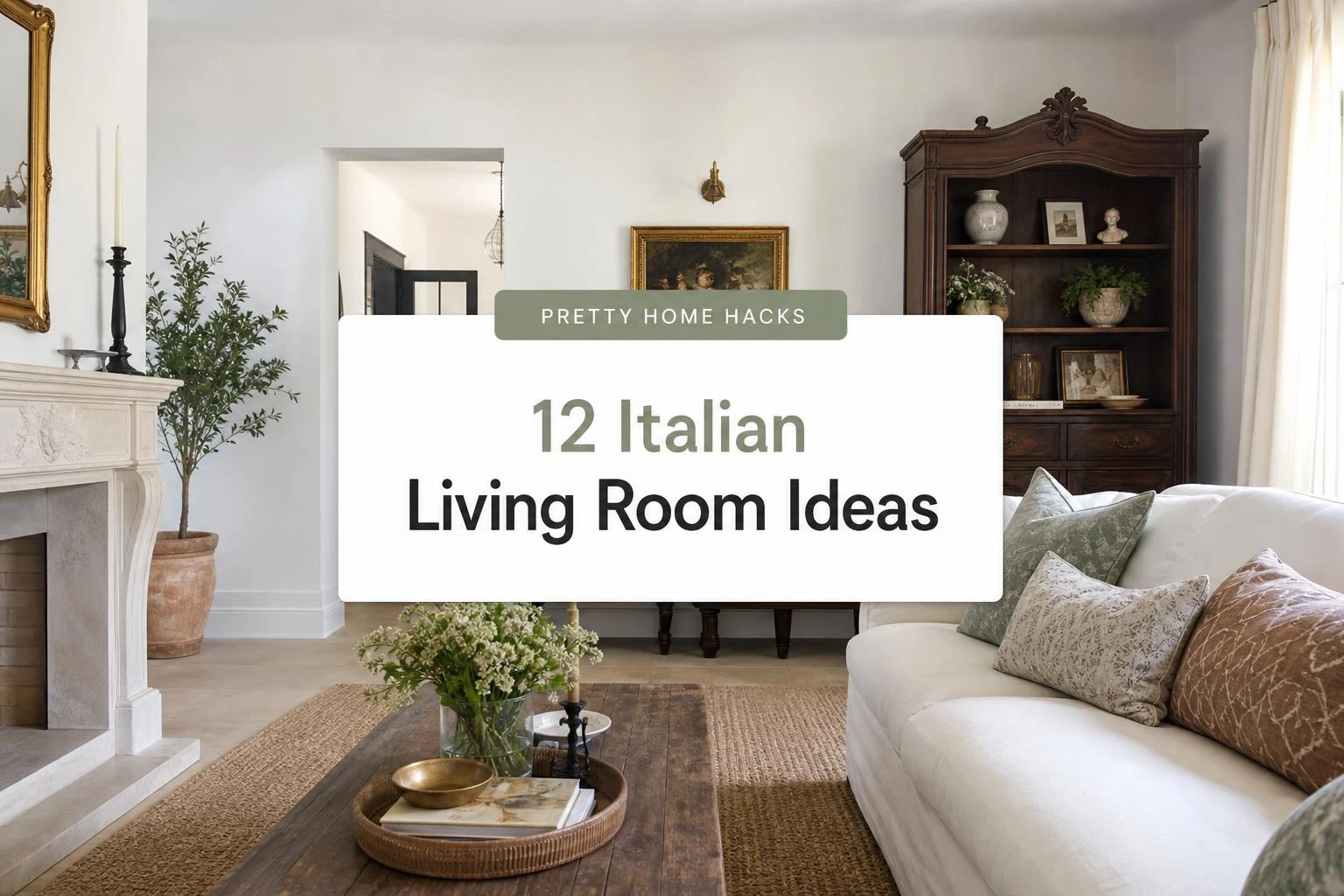
12 Italian Living Room Ideas That Bring Old World Elegance Into a Regular Home
Italian living rooms have this quality that is genuinely hard to name but instantly recognizable when you see it.
It is not about spending a lot of money or having perfect architecture, which is actually the part most people get wrong when they try to recreate it.
The assumption is that old world elegance requires old world bones, like arched doorways and stone floors that most regular homes just do not have.
But the actual elements that make an Italian living room feel the way it does are much more accessible than that.
These 12 Italian living room ideas are about picking the right details and letting them do the work without overdoing it.
1- Warm Plaster Wall Color in Terracotta or Ochre
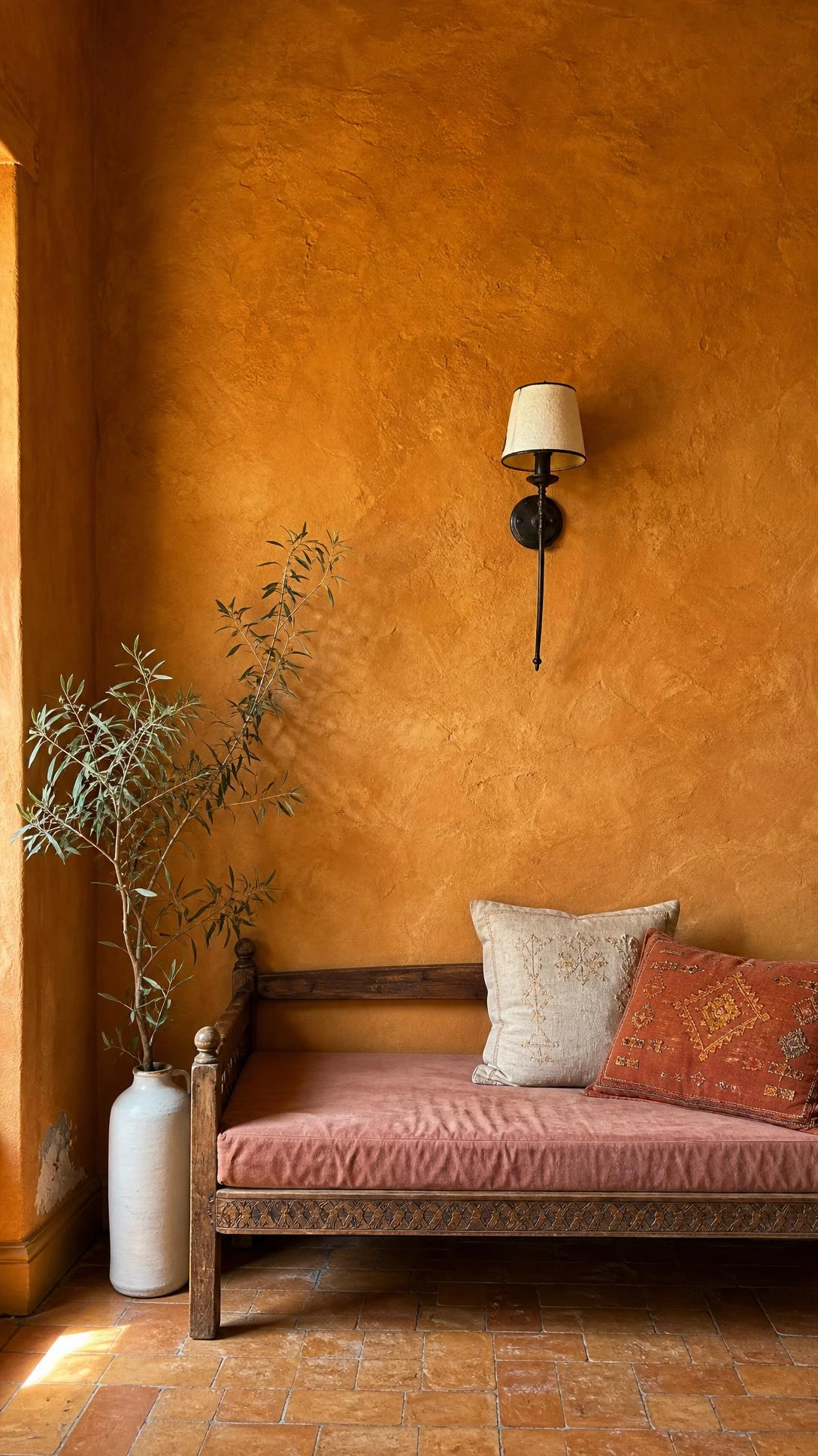
Wall color is the fastest way to shift a room toward that Italian living room feeling without touching anything else.
The shades that work best are not bright or saturated but warm and slightly aged, like raw sienna, deep ochre, or a dusty terracotta that looks like it has been on the walls for decades.
Benjamin Moore’s “Tuscan Tan” or Farrow and Ball’s “Dead Salmon” both land in that range and work well in rooms with any amount of natural light.
The goal is not a perfectly smooth painted wall but something that feels like it absorbed a little warmth over time, which is actually easier to achieve in older homes where the walls have some texture already.
Even a single accent wall in one of these shades shifts the whole room in the right direction without committing to painting everything.
2- Exposed Wood Ceiling Beams
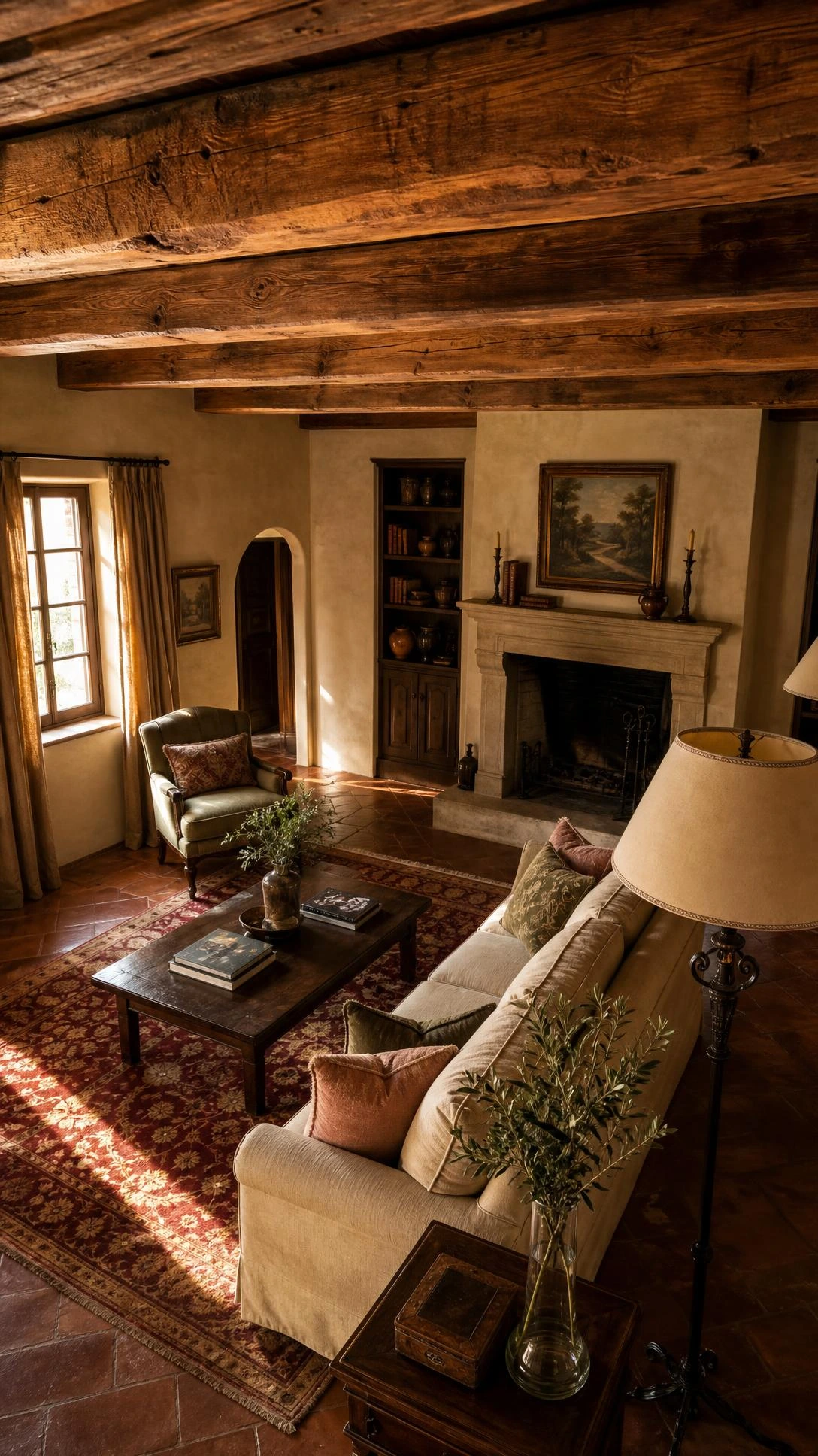
Nothing reads “Italian farmhouse living room” faster than a ceiling with exposed beams, and the good news is that faux beam kits have gotten genuinely good.
Real reclaimed wood beams are the dream but they involve structural work, weight considerations, and a budget that starts around $2,000 installed, so most people are not going there.
Faux wood beams from companies like Barron Designs start around $30 per linear foot and go up from there depending on the finish, and from across a room they read as completely real.
The key is choosing a warm walnut or weathered grey finish rather than anything too orange or too uniform, because real beams always have variation.
This works best in rooms with at least nine foot ceilings so the beams do not make the space feel pressed down.
3- A Stone or Marble Coffee Table
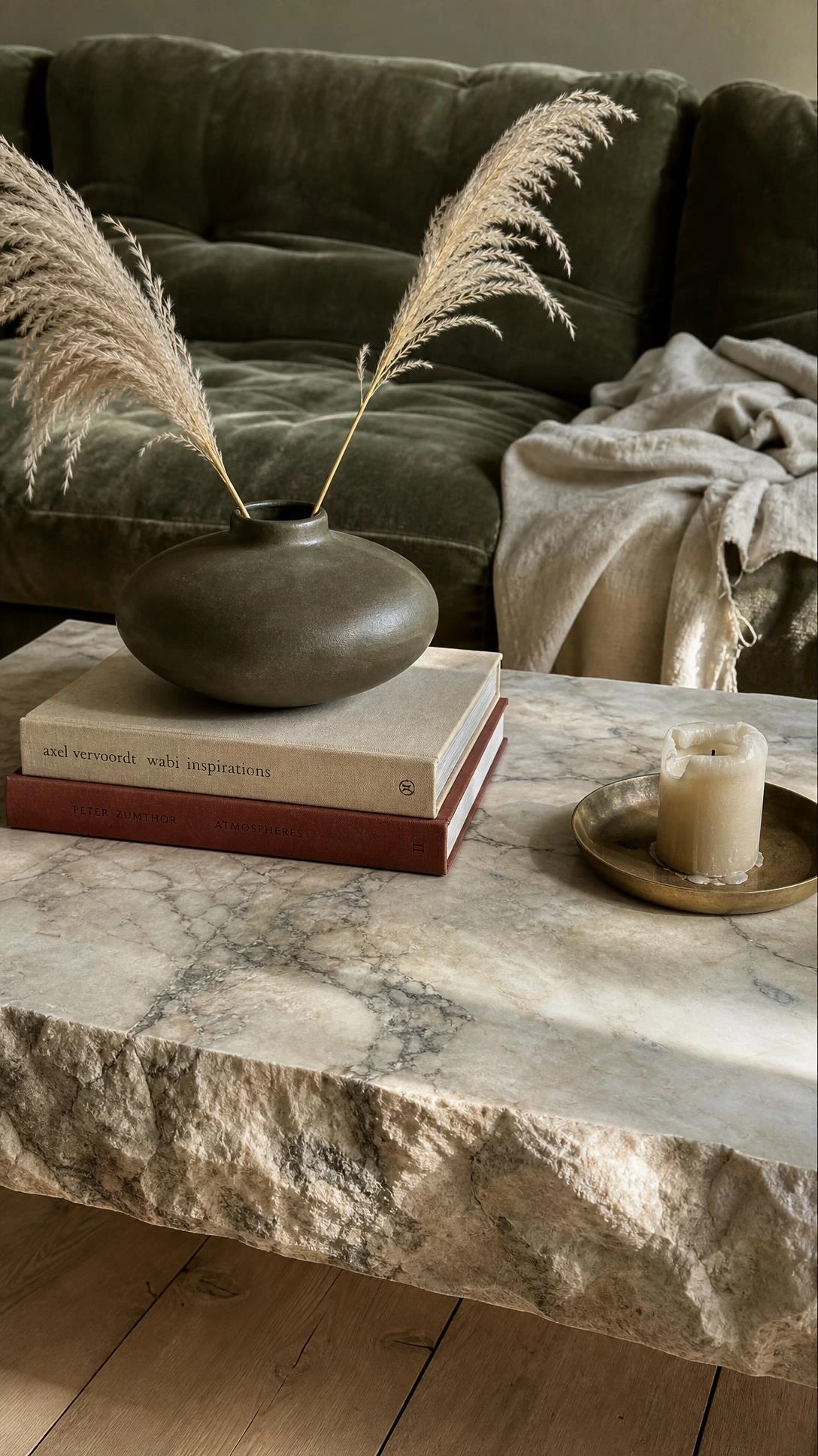
Italian living rooms almost always have a heavy, grounded coffee table that looks like it has lived in that spot for a long time.
Marble is the classic choice and it still works, but travertine has become more popular recently because it has a rougher, more organic quality that fits the old world look even better.
A travertine slab coffee table in an unfilled finish, meaning the natural pitting and texture is left as is, hits that Italian aesthetic right in the center.
Budget options exist too, and a travertine-look porcelain tabletop on a simple base can be found at places like CB2 or Wayfair in the $300 to $600 range.
The table does not need to be large, but it does need to feel substantial, so avoid anything that looks too light or too modern in the legs.
4- Linen or Velvet Sofa in a Neutral Tone
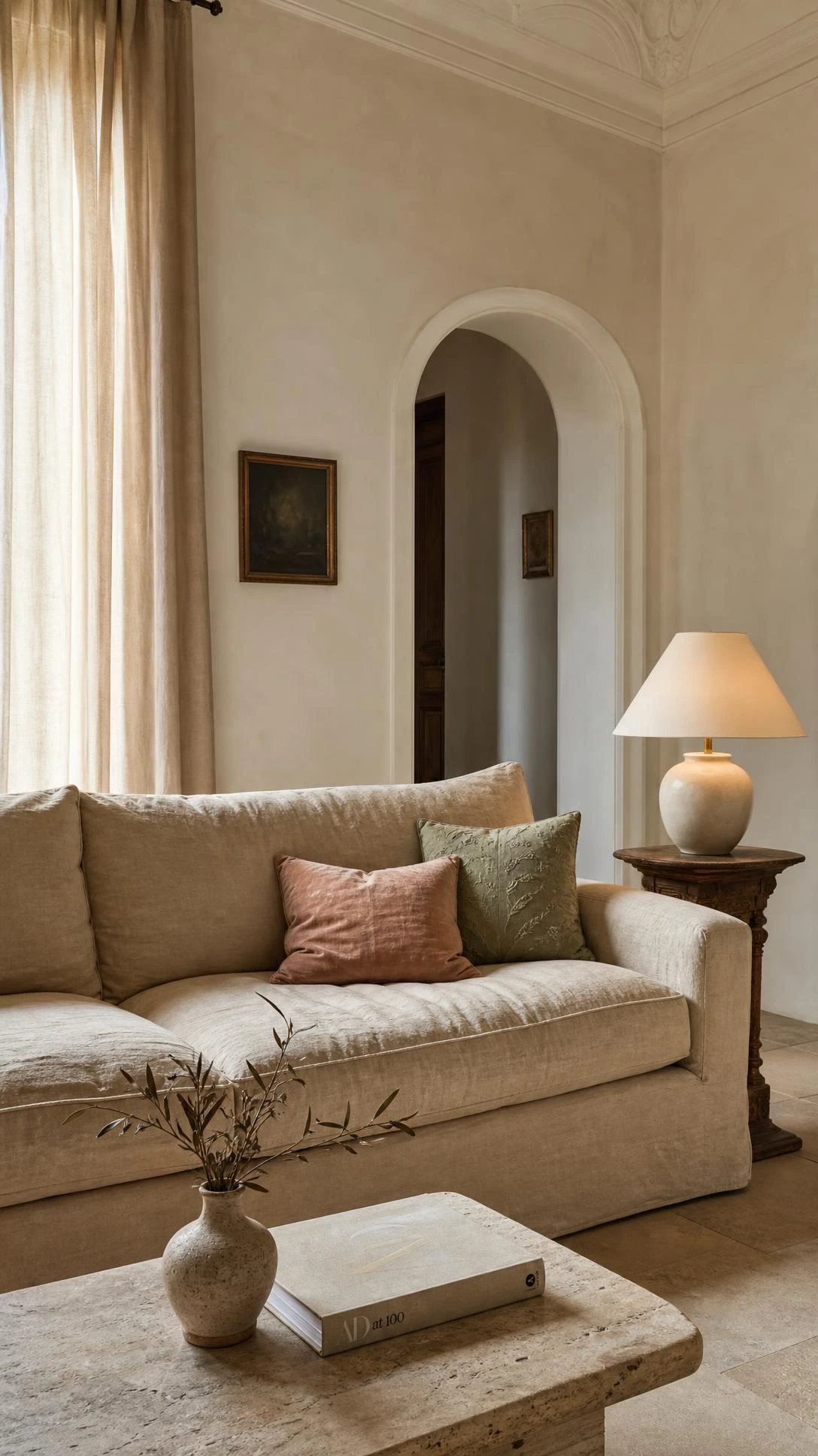
The sofa in an Italian-inspired living room is almost never loud, which surprises people who associate Italian style with drama.
A structured silhouette in a neutral linen or aged velvet in shades like cream, warm taupe, or dusty sage is the move, and it lets everything else in the room breathe.
I think the temptation to go with a tufted sofa is real but a cleaner line with thick cushions and visible wooden legs actually reads more authentically Italian than the overstuffed Victorian look.
The fabric matters more than the shape here, and a slightly rumpled linen with a loose slipcover has that lived-in quality that makes the whole room feel less like a showroom.
Sofas in this style from brands like Article or Pottery Barn typically land between $1,200 and $2,500, which is not cheap but these pieces tend to have staying power because they are not trend-driven.
5- A Vintage Chandelier or Iron Pendant Light
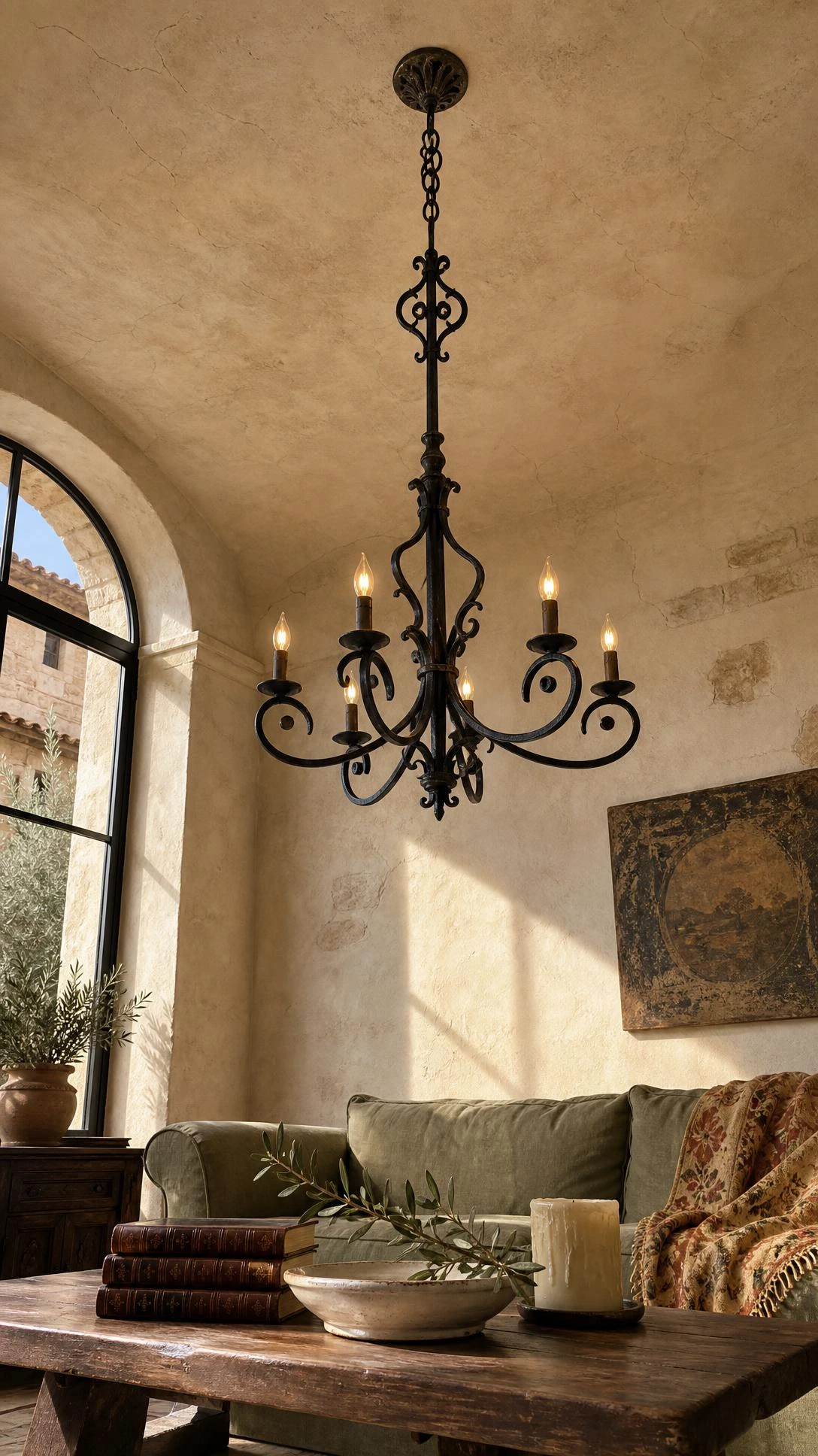
Lighting in an Italian living room is always a little theatrical, even in a very understated room.
A vintage chandelier with candle bulbs or a wrought iron pendant with visible aged metal does more for the atmosphere than almost any other single element.
The scale should feel slightly larger than expected, which sounds like a risk but a fixture that is a little too big for the room reads as intentional and European rather than accidental.
For a room around 15 by 18 feet, a chandelier with a diameter of 24 to 30 inches is a good starting point and will not look oversized once it is hanging.
Thrift stores and Facebook Marketplace are genuinely good sources for this, and a brass or iron chandelier from the 1970s or 80s often just needs a coat of dark wax or a spray of matte black to look exactly right.
6- Decorative Wall Molding or Panel Trim
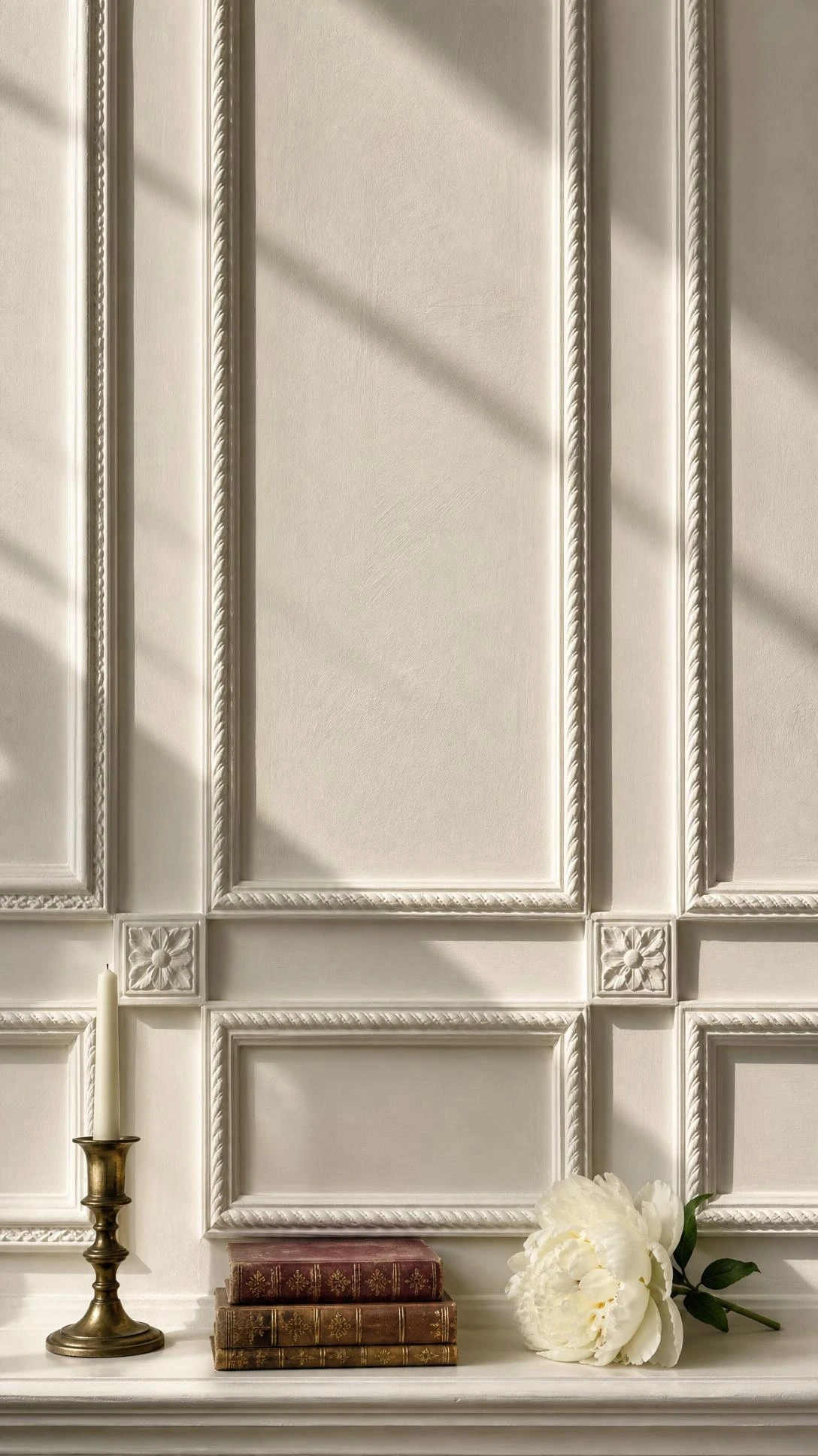
Architectural detail is one of the things that separates an Italian-feeling room from a regular one, and adding it is more of a weekend project than most people assume.
Simple picture rail molding or applied panel trim painted the same color as the wall creates depth and shadow that reads as old world without screaming “I am trying to look fancy.”
MDF panel molding strips cost about $1 to $3 per linear foot at any home improvement store, and the installation is liquid nails and a miter saw, which most people can figure out in an afternoon.
The trick is keeping the molding low profile rather than ornate, because thick heavily carved molding in a regular home tends to look like it does not belong.
Painting the trim and the wall the same color, or just one shade darker, is what makes it look intentional and architectural rather than like a DIY project.
7- A Large Gilded or Ornate Mirror
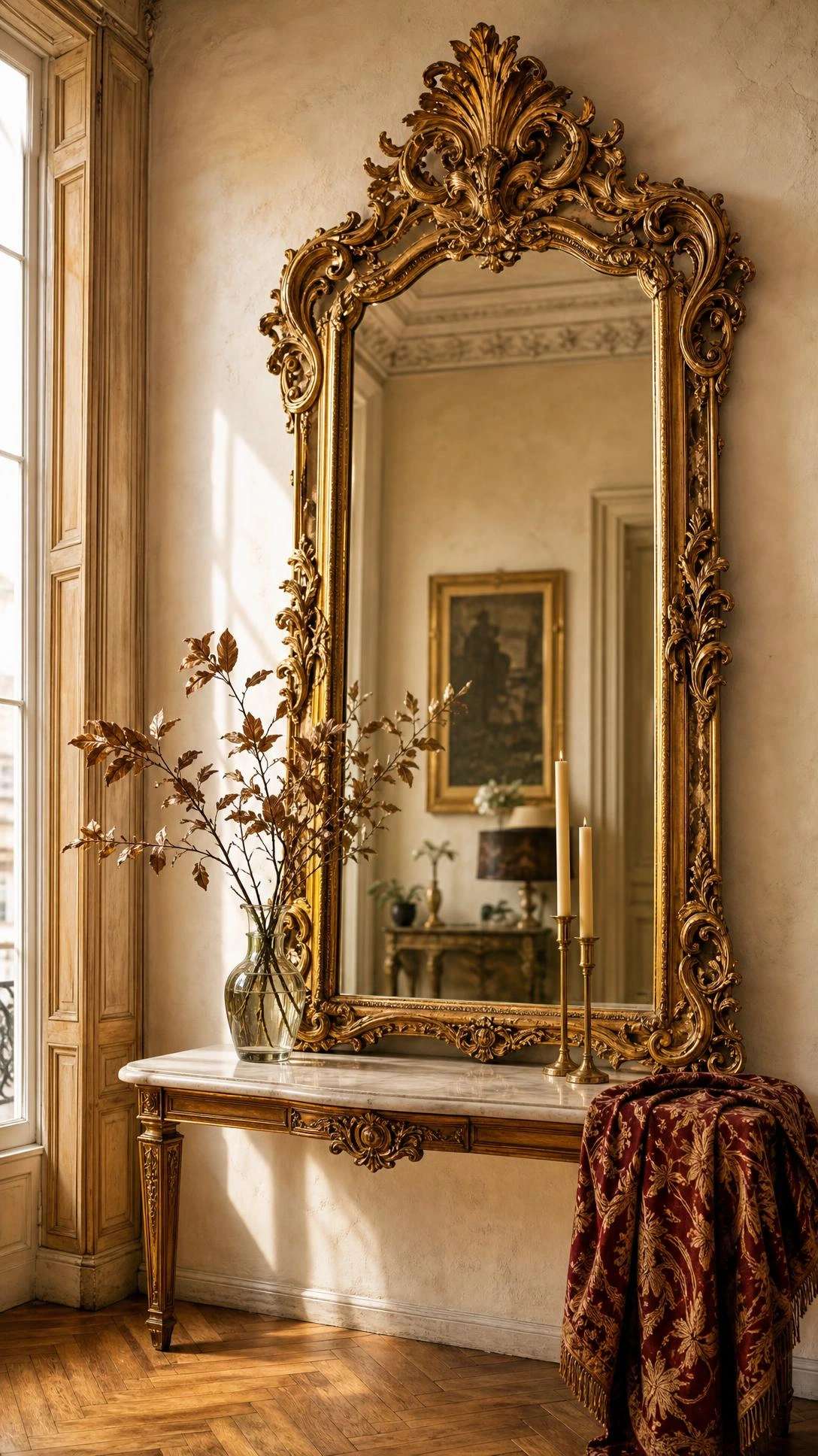
Mirrors have been a fixture in Italian interiors for centuries and they still pull their weight in a modern room.
A large ornate mirror with a gilded frame, ideally something that looks like it has some age to it, brings that old world quality while also bouncing light around and making a regular-sized room feel more generous.
The frame style matters more than the size, and a heavily detailed gold or antique brass frame in the 36 by 48 inch range has more presence than a plain oversized one.
Antique stores and estate sales are the best source for these because the older ones have the slightly imperfect gilding that new versions rarely replicate well, and they often cost less than comparable new pieces.
Leaning the mirror against a wall rather than hanging it is an option that works surprisingly well and gives the room a more relaxed and layered feeling.
8- Handmade Ceramic or Terracotta Accessories
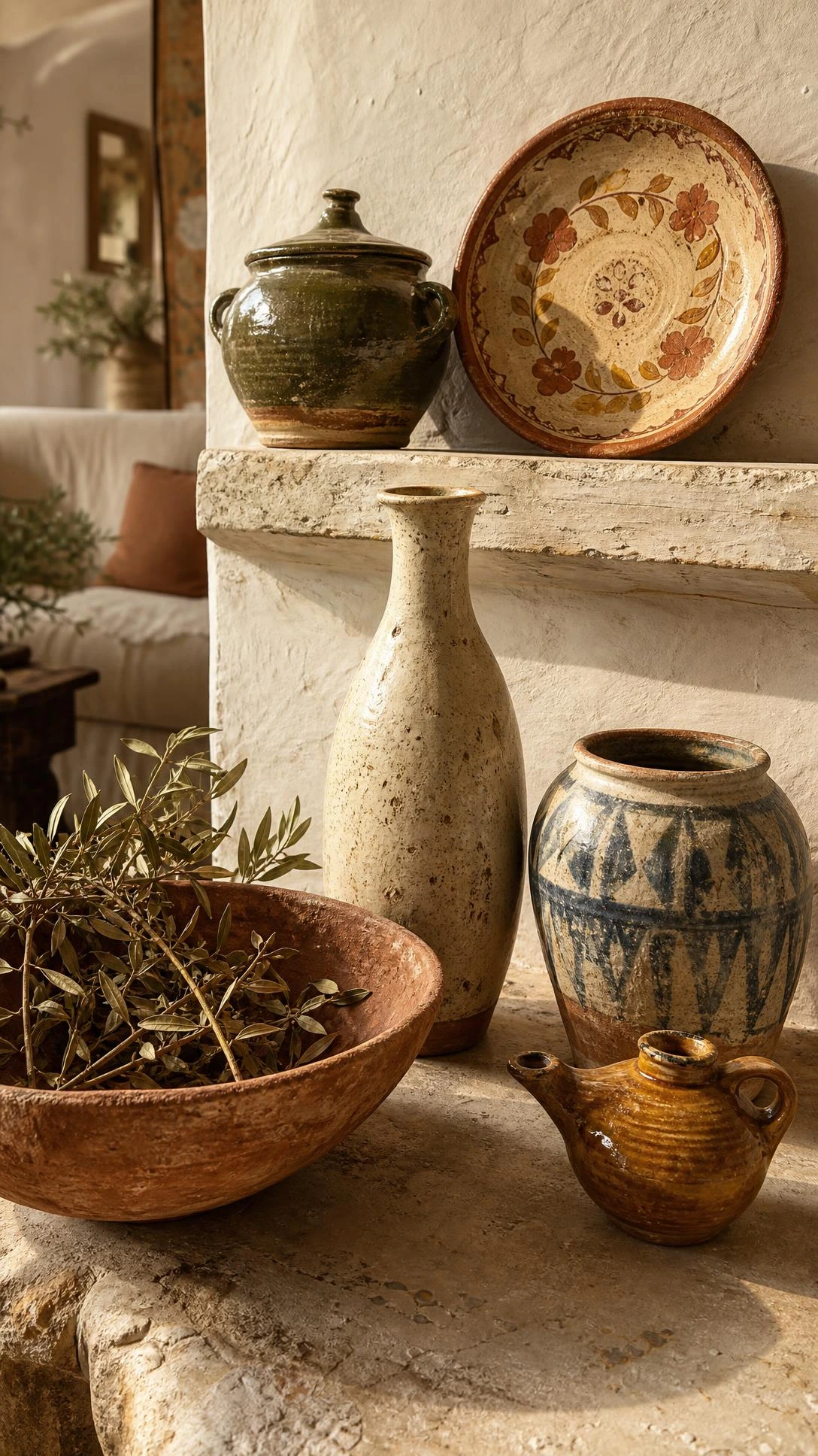
The small objects in an Italian living room are never mass-produced-looking, which is the detail that most rooms miss when they try to get this aesthetic right.
Handmade ceramic vases, terracotta pots, hand-thrown bowls, and artisan-made objects with visible imperfections are what give the room that sense of being slowly collected rather than quickly decorated.
Etsy is actually one of the best places to find this kind of thing, and Italian ceramic studios on the platform sell hand-painted pieces in the classic Sicilian palette of cobalt blue, lemon yellow, and warm white starting around $40 to $80.
The pieces do not all need to match, and in fact they look better when they do not, as long as the materials and tones are in the same family.
Even one or two genuinely handmade objects on a shelf or coffee table changes the feel of the whole surface.
9- Natural Stone or Terracotta Tile Around the Fireplace
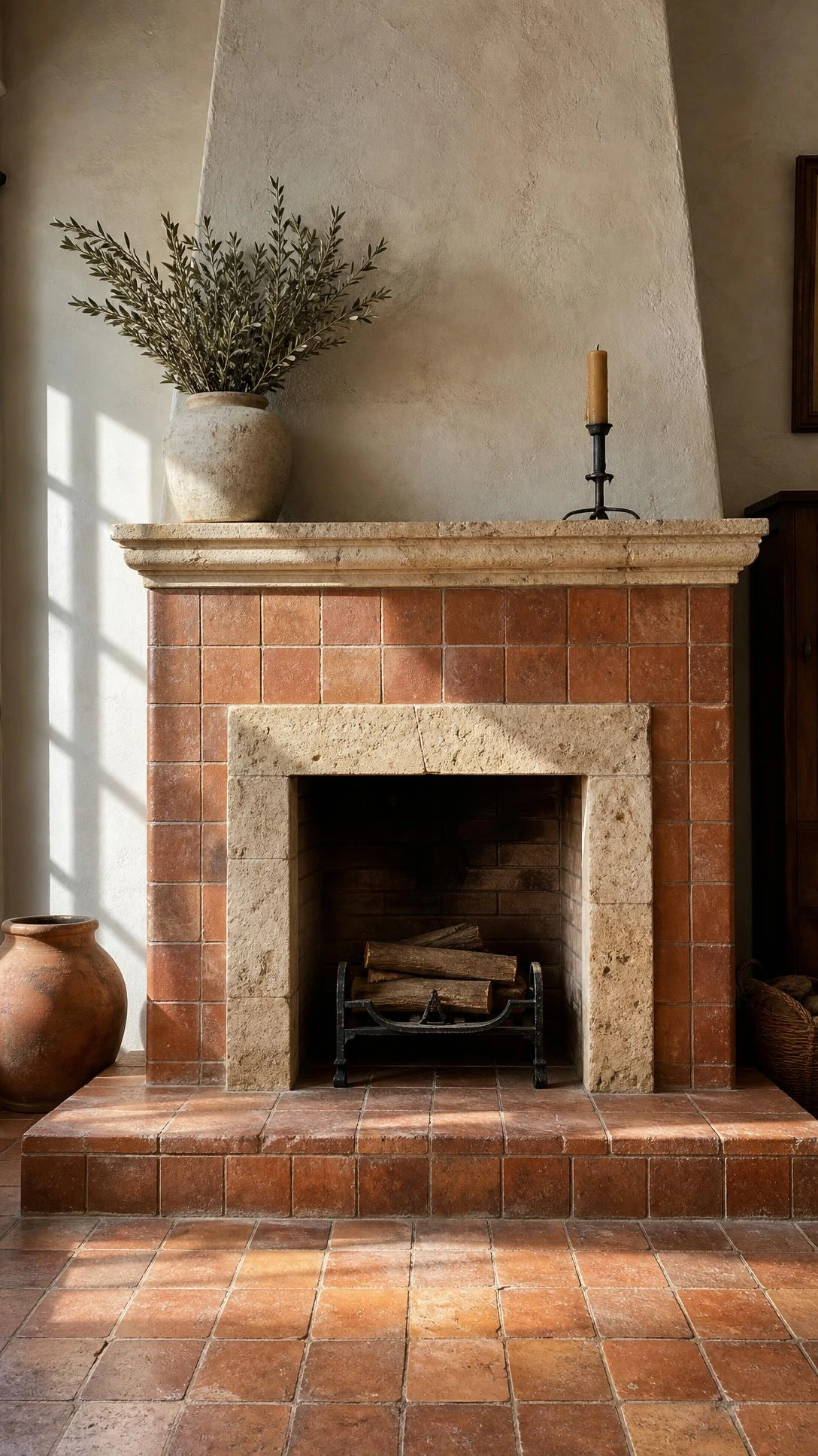
If a room has a fireplace, that surround is one of the highest-impact places to add Italian character without touching anything structural.
Natural limestone, travertine tile, or handmade terracotta tile around the firebox and on the hearth immediately shifts the whole room toward something that feels warm and centuries-old.
Peel-and-stick stone veneer panels are now good enough quality that they can cover an existing brick or painted surround without a full tile job, and they start around $8 to $15 per square foot.
This works best when the grout color matches the tile rather than contrasting, because tight tonal grout makes the whole surface read as one solid material rather than a tile grid.
A fireplace that looks like this becomes the natural anchor for everything else in the room and makes the Italian living room ideas feel cohesive rather than scattered.
10- Layered Rugs on a Stone or Wood Floor
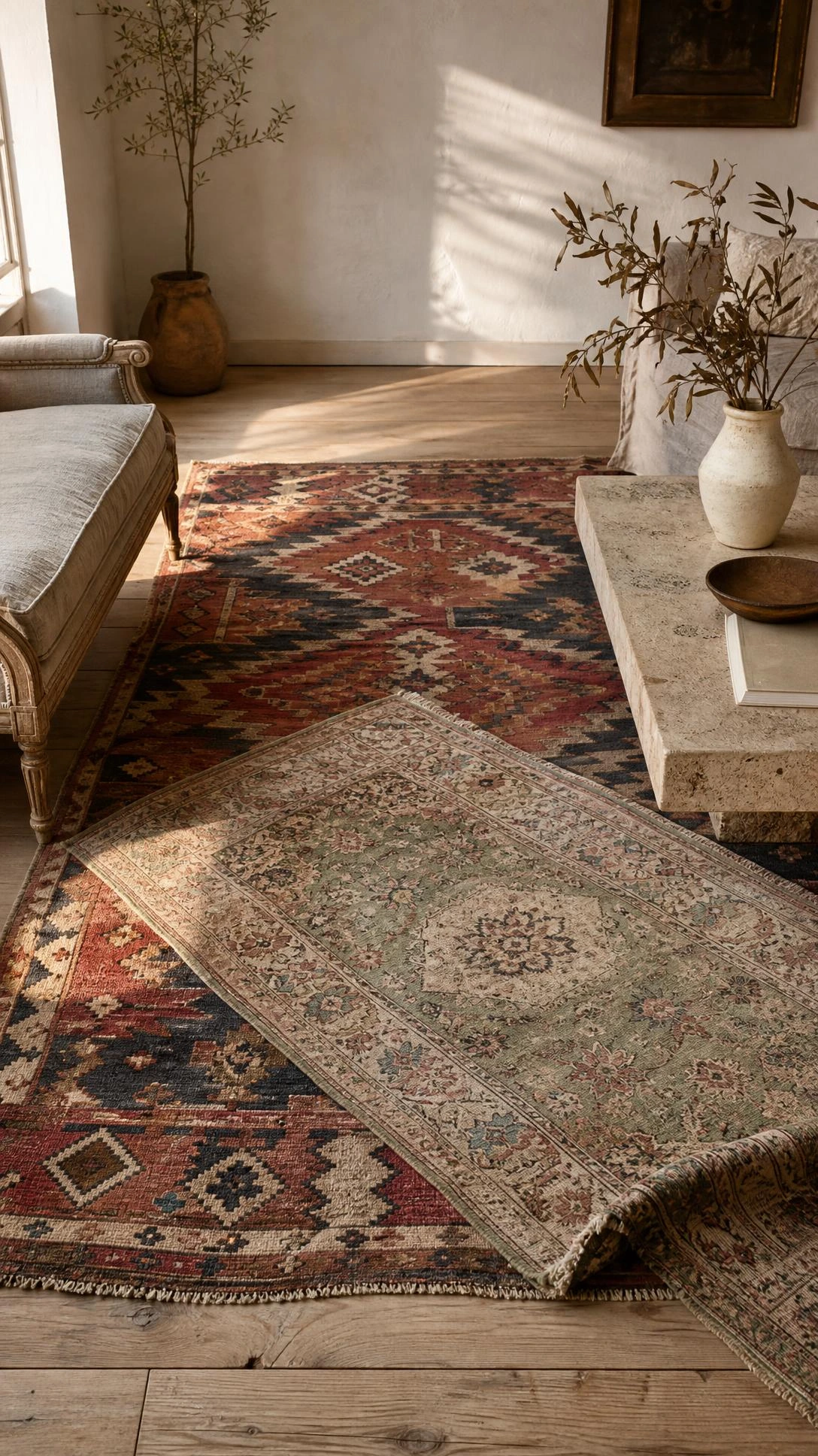
Italian living rooms rarely have a single flat rug laid out in the expected rectangle, which is one of those small things that makes a big difference in how the space feels.
Layering a smaller, more detailed rug over a larger natural fiber base, like a jute or sisal, adds depth and that collected-over-time quality that is hard to get any other way.
A vintage Turkish or Persian-style rug in muted reds, golds, and blues over a natural jute base is probably the most iconic version of this look and works in almost any room size.
The vintage rug does not need to be actually vintage, and washable versions from brands like Ruggable or Boutique Rugs come in patterns that read as antique at a fraction of the price of the real thing.
The key is making sure the two rugs share at least one color so the layering looks considered rather than like two rugs that ended up in the same spot by accident.
11- Dark Wood Bookshelves Styled With Books and Objects
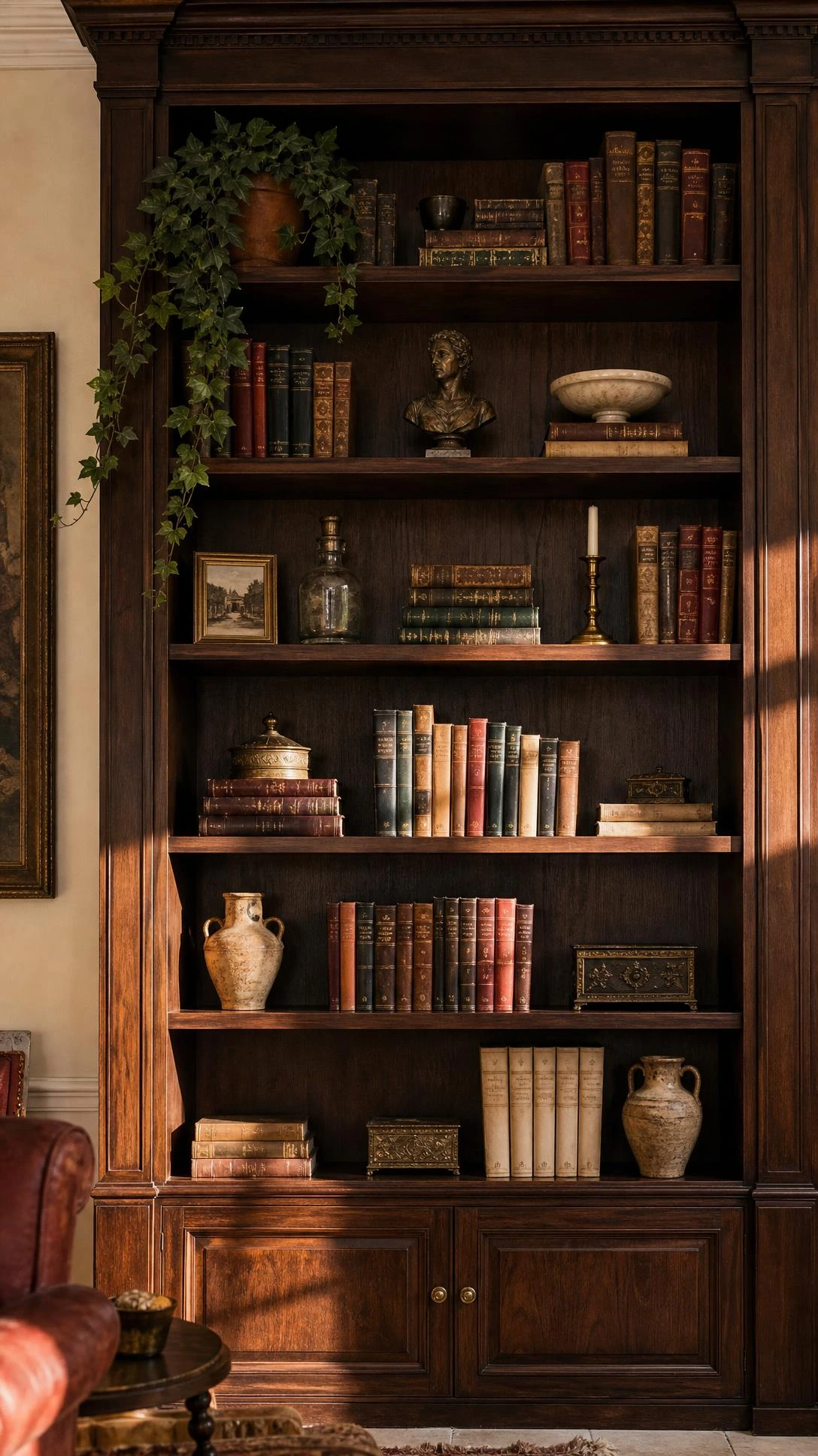
Italians have a way of styling shelves that looks genuinely unstudied even when it clearly is not, which is the whole challenge with this particular element.
A dark wood bookshelf, something in walnut or a deep espresso finish, filled with a mix of real books, ceramic objects, small framed prints, and the occasional plant hits that lived-in intellectual quality that Italian interiors tend to have.
The books do not need to be facing out or color-coordinated, and in fact a mix of spines facing out with a few stacked horizontally with an object on top looks more natural than a perfectly organized shelf.
Removing about 30 percent of what feels like the right number of items is a good editing rule, because the Italian aesthetic is layered but never cluttered.
I think the mistake most people make is treating shelves like a display case when the goal is actually to make it look like someone reads and lives with those things.
12- Linen Curtains That Pool Slightly on the Floor
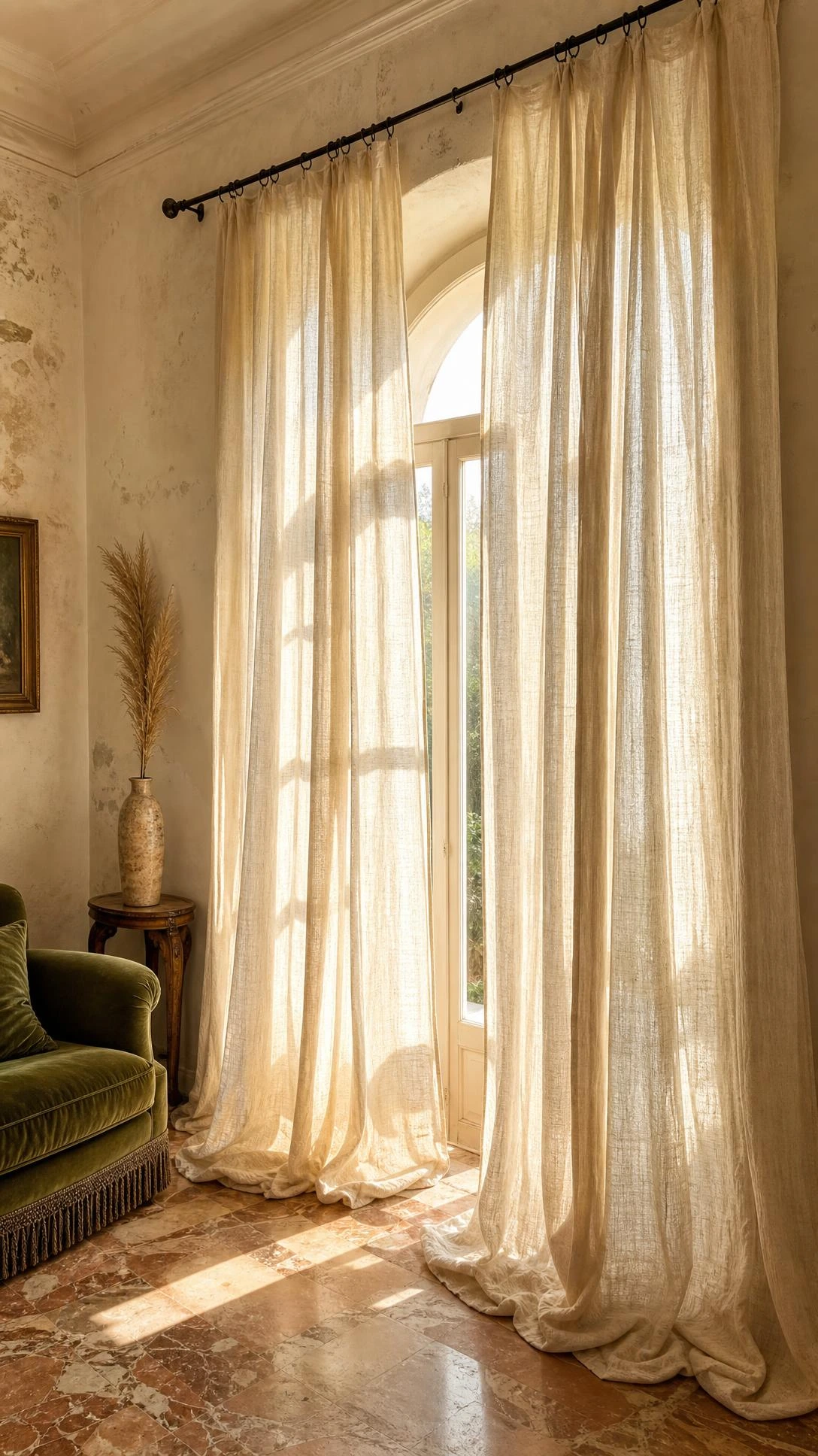
Window treatments in Italian-inspired rooms are always generous, which is the opposite of the tight, tailored look that a lot of modern homes default to.
Linen curtains in a natural undyed color or a warm oatmeal tone, hung high and wide so the windows look taller than they actually are, bring that effortless old world quality without any fuss.
Letting the curtains pool on the floor by about two to four inches is a detail that reads as intentional and European rather than like someone measured wrong, and it makes the whole room feel more relaxed.
Ikea’s DYTAG linen curtains are one of the most recommended options for this look and land around $60 to $80 per panel, which makes it easy to do a full room without overspending.
The key is making sure the fabric is light enough to move a little when a window is open, because stiff or heavy curtains lose that breezy, unhurried quality that makes this look work.
Old World Elegance Does Not Require a Renovation
Most of what makes an Italian living room feel the way it does comes down to texture, warmth, and the sense that the room was put together slowly over time.
None of these ideas require knocking down walls or spending a year’s worth of savings, which is the part people are always relieved to find out.
Starting with just two or three of these changes, like the wall color, a layered rug, and one good chandelier, gets most rooms most of the way there.
The rest follows naturally once the warmth is already in the room.

Hi, I’m Alizabeth, the creator of Pretty Home Hacks. I share practical home decor ideas, easy DIY projects, organization tips, and budget-friendly ways to make your home feel more beautiful and functional. From small room updates to everyday home hacks, my goal is to share approachable ideas you can actually use in your own space.