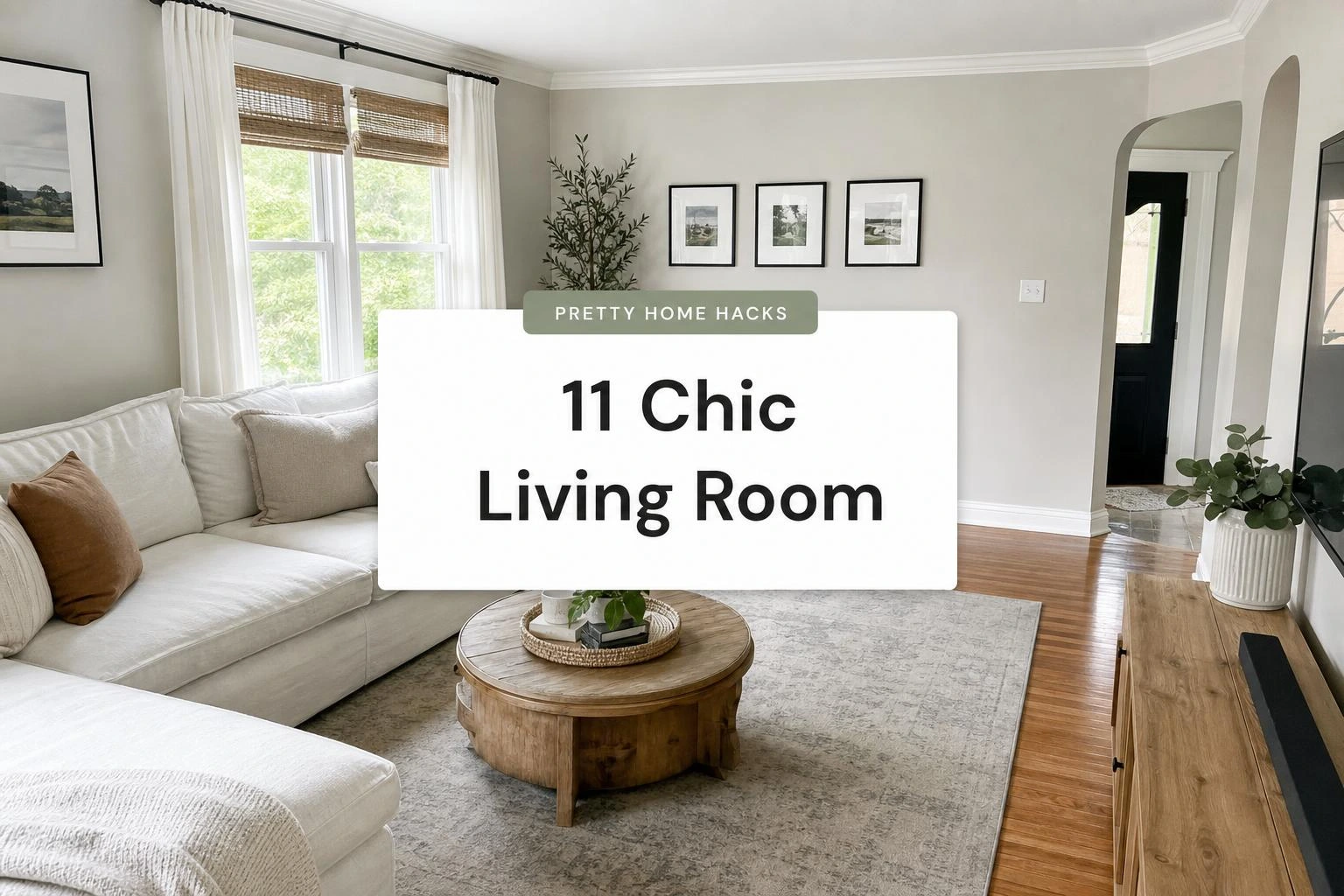
11 Chic Living Room Ideas That Actually Work in Real Homes
Living rooms are one of those spaces people overthink until it stops feeling like theirs at all.
The furniture gets moved around three times, a throw gets added and taken off, and somehow the room still feels like it is missing something that is hard to name.
Most people assume chic means expensive, or that it requires starting over with a completely different set of furniture and a bigger budget.
The truth is that most rooms are already most of the way there and just need a few small, specific shifts to pull everything together.
These are the kinds of changes that actually make a difference in a real living room, not just in a styled photo shoot with perfect lighting.
1- Contrasting Accent Color
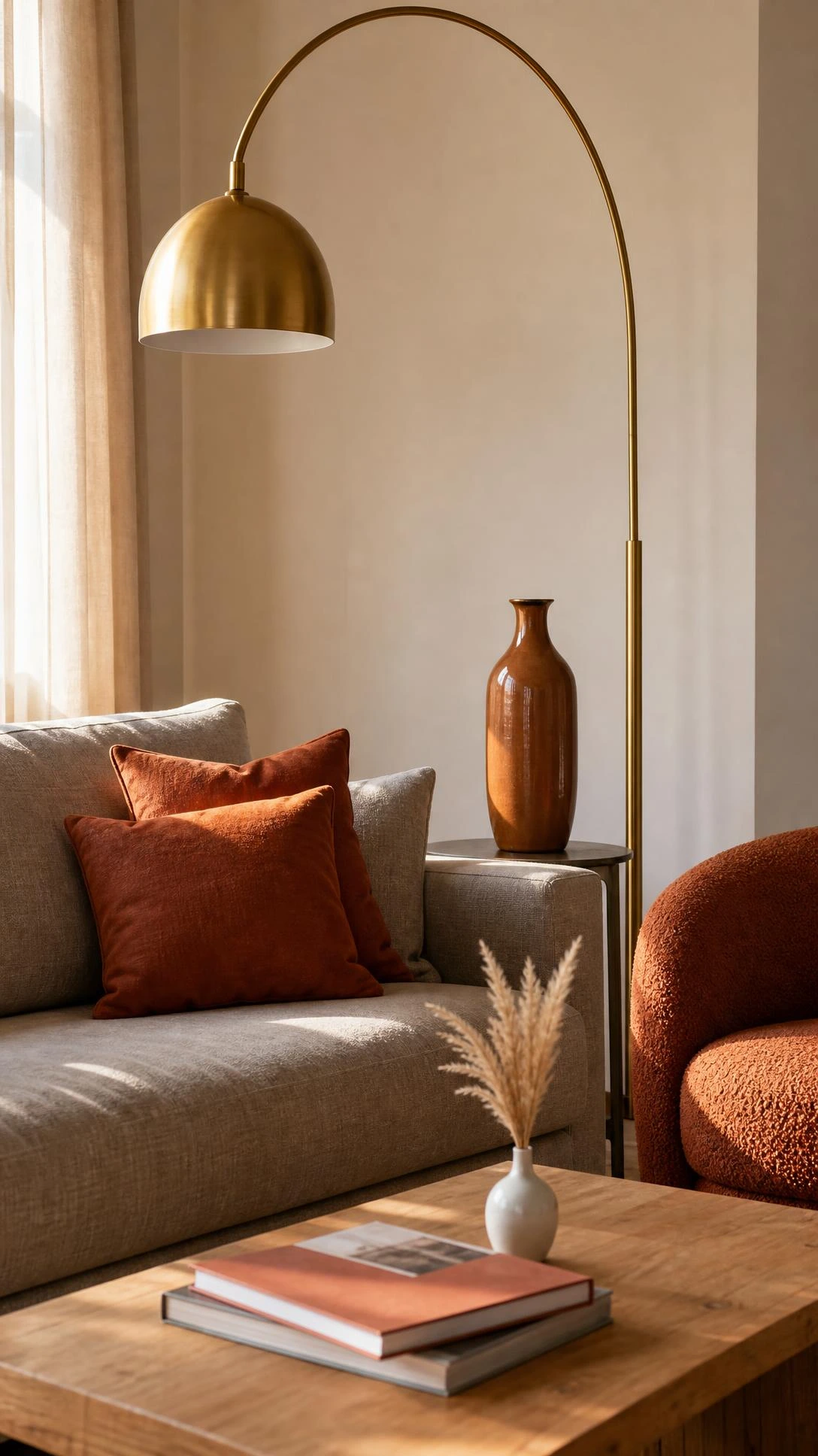
A monochromatic room can look calm and intentional right up until it starts to feel a little flat.
One contrasting color is usually all it takes to fix that, and it does not have to be a wall or a big piece of furniture.
A rich terracotta pillow or a deep forest green ceramic lamp on a side table is enough to give the eye somewhere interesting to land.
I think the mistake most people make is going too subtle, choosing a contrasting shade that is so close to the base color it barely reads as different at all.
The contrast needs to be real, something like a burgundy or cobalt in a room that is otherwise all cream and warm wood tones.
Once that one anchor color is in, the whole room tends to feel more considered without any other changes.
2- Layered Lighting at Different Heights
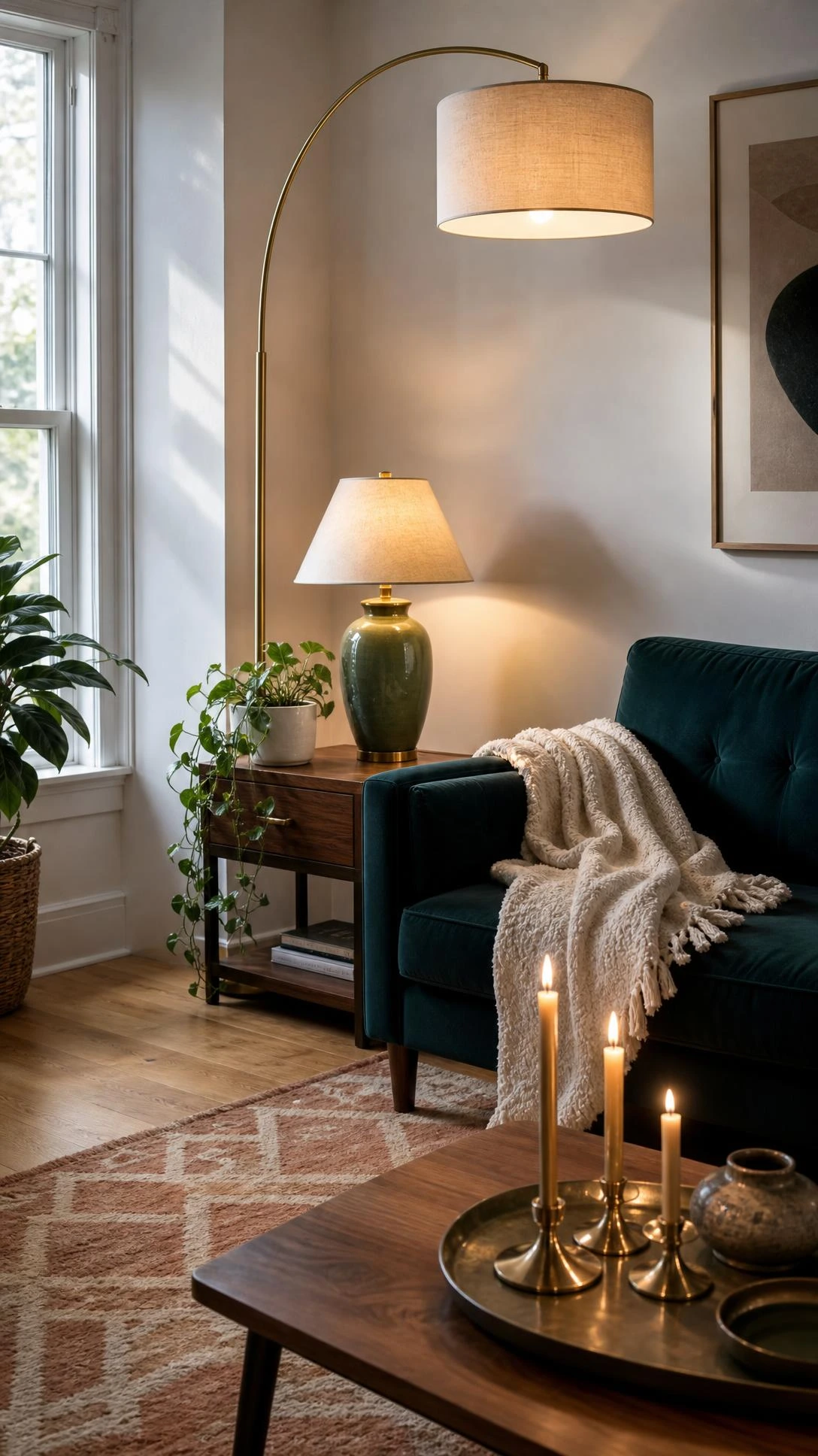
Most living rooms rely on one overhead light, which flattens everything and makes the space feel more like a waiting room than a home.
Layering lighting at different heights is one of those things that sounds like designer advice but is actually pretty easy to do on a regular budget.
A floor lamp in the corner, a small table lamp on a console, and a pendant or flush mount overhead creates three separate levels of light that can be adjusted based on the time of day.
The sweet spot for table lamps is usually around 58 to 64 inches from the floor to the top of the shade, which puts the light right where people actually sit and read.
Even swapping a basic ceiling fixture for a rattan pendant or a vintage-style globe light makes a noticeable difference in how the room feels at night.
3- A Well-Chosen Area Rug
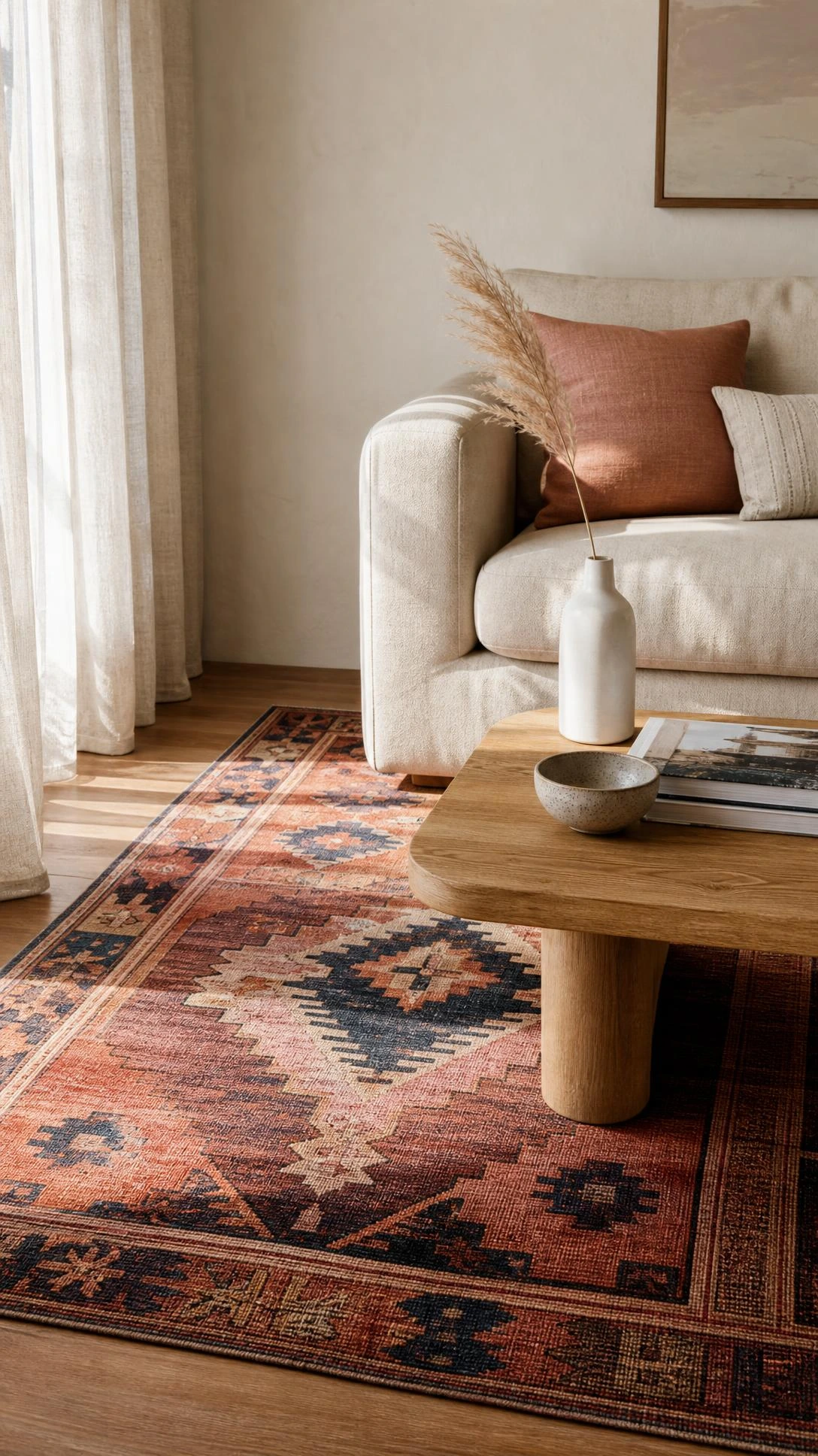
The rug is one of the most skipped or underfunded pieces in a living room, which is unfortunate because it does more visual work than almost anything else in the space.
The most common sizing mistake is going too small, leaving the rug floating in the middle of the room with all the furniture legs hanging off the edges.
A rug that is at least 8 by 10 feet in an average living room keeps all the main seating anchored together and makes the whole setup look intentional.
A vintage-style rug with faded reds and blues can add pattern and warmth to a room that is otherwise all neutral furniture without tipping into busy or loud.
That said, even a simple solid jute or sisal rug in a natural tone works well and tends to look good with almost everything.
4- Embossed or Textured Throw Pillows
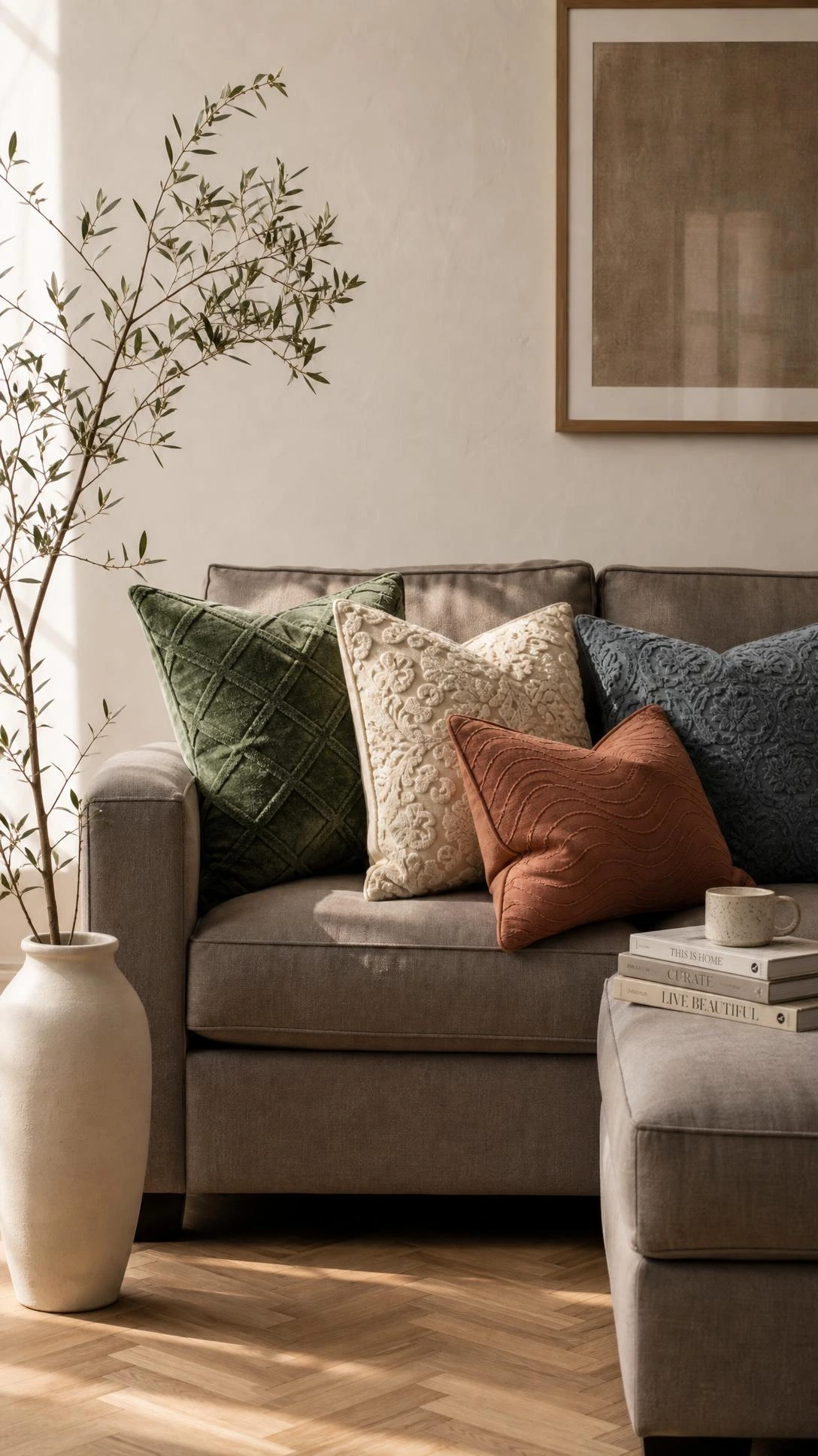
Pillows are one of those things that can look generic or can genuinely add something, depending on which ones make it onto the couch.
Embossed leather pillows or woven boucle pillows in a neutral like oatmeal or warm ivory add a tactile quality that plain solid pillows just do not have.
The texture catches light differently depending on the time of day, which makes the whole sofa area feel more alive and less staged.
Most people put too many pillows on and end up with a pile that looks more like a storage problem than a design choice, so three to five is usually the right range for a standard sofa.
Mixing one embossed or patterned pillow with two plainer ones is a low-risk way to add interest without committing to a whole new color palette.
5- Statement Art Above a Large Furniture Piece
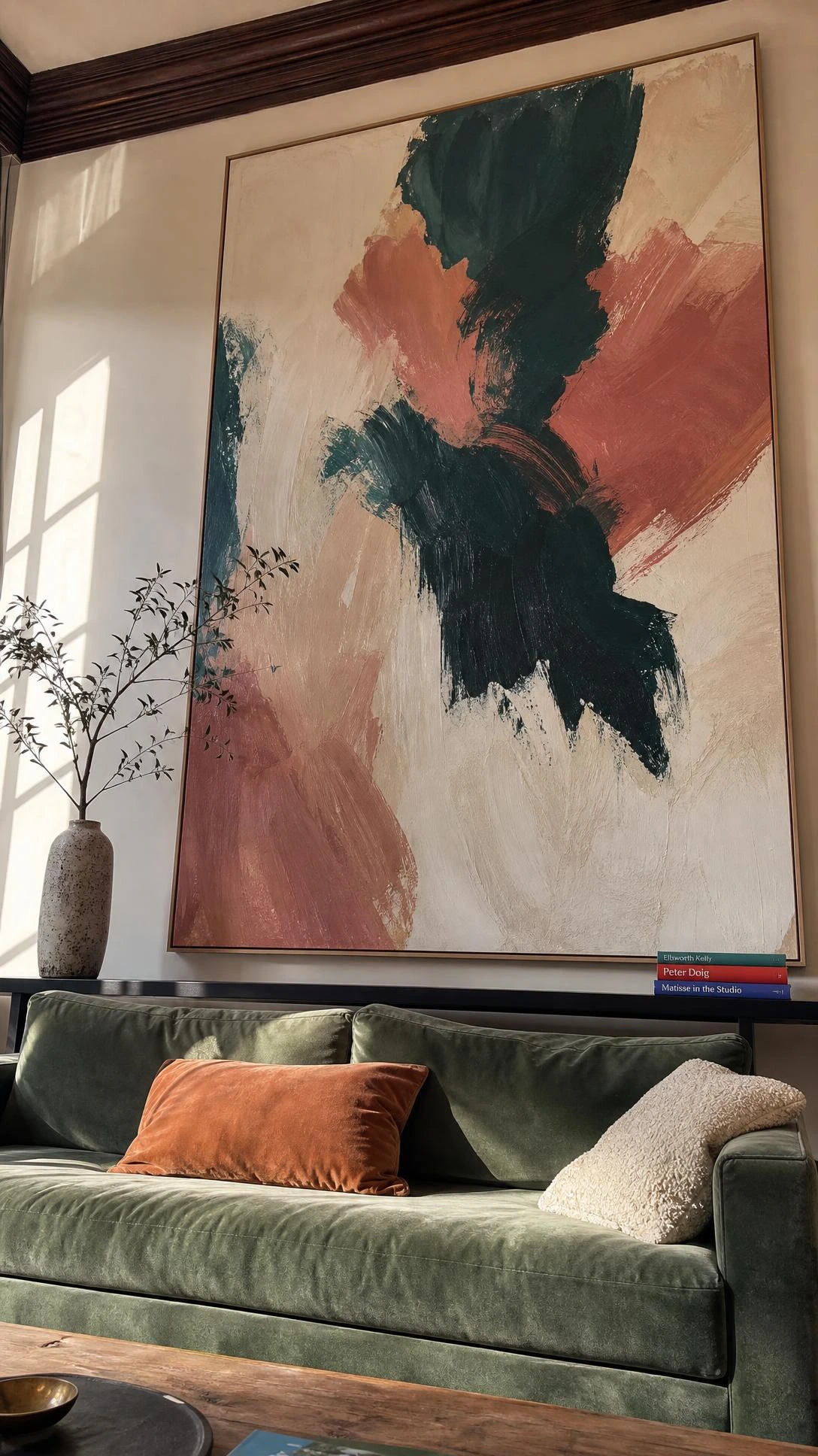
Art that floats on an empty wall with nothing around it tends to look a little lost, no matter how good the piece actually is.
Anchoring artwork above a sofa, console, or fireplace mantel gives it a relationship with the space and keeps it from reading as an afterthought.
A single large print, anything around 24 by 36 inches or bigger, tends to work better than a cluster of small frames above a long sofa because it holds the eye without competing with itself.
Black and white photography or a simple abstract in warm tones can work in almost any living room style, which is why those formats are so popular on resale platforms like Chairish and Etsy.
The general rule is to hang the center of the artwork around 57 to 60 inches from the floor, which is roughly eye level for most people standing in the room.
6- Natural Fabric Upholstery or Accents
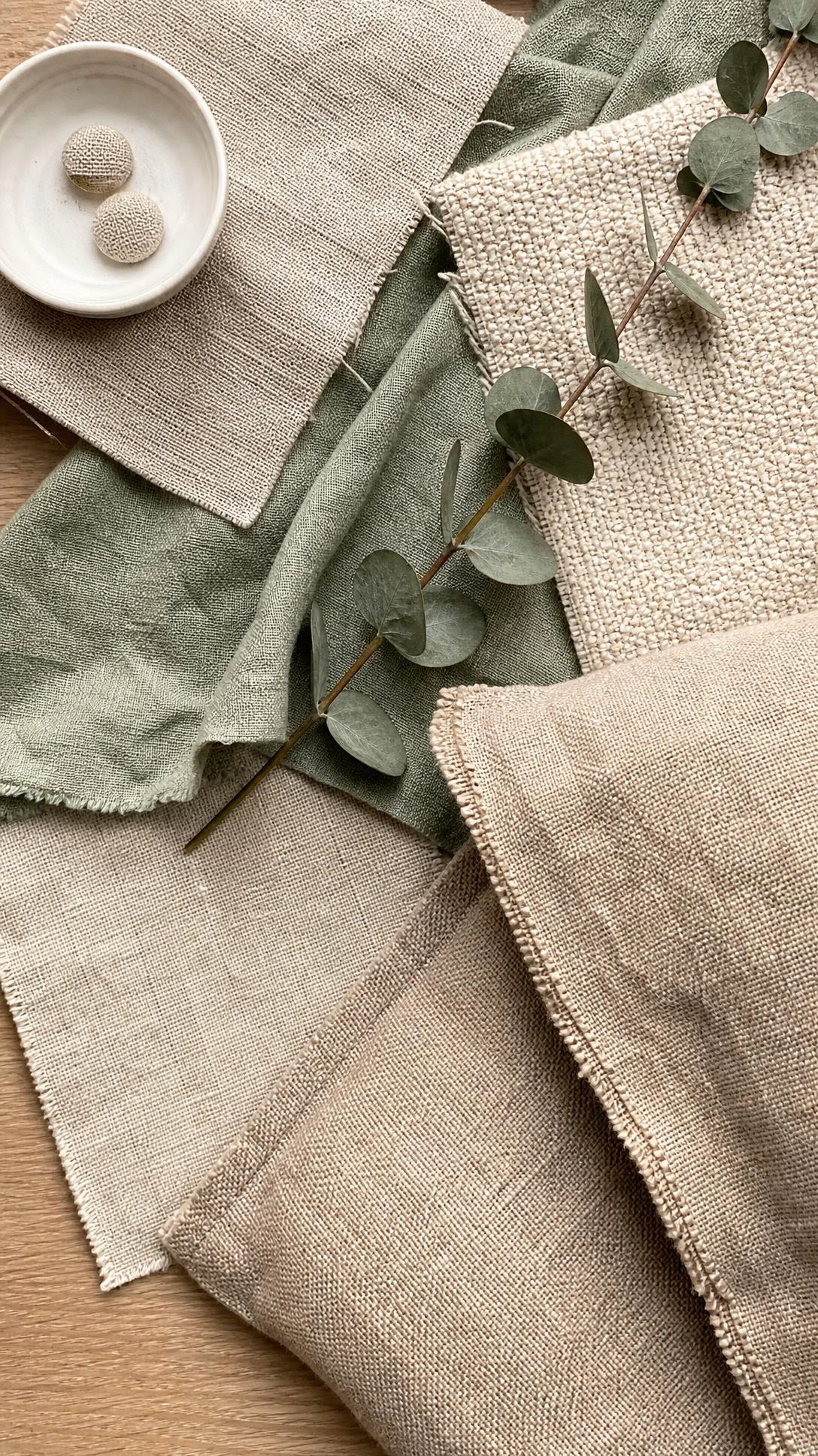
There is something about natural fabrics in a living room that makes the whole space feel more settled and considered without actually being rustic or overly casual.
Linen upholstery on a chair, a woven cotton throw draped over the arm of a sofa, or a jute ottoman cover brings in that texture without adding another color to manage.
A linen slipcover in a warm white or undyed natural color is one of the more affordable ways to refresh an older sofa, with decent options starting around $80 to $150 for standard sizes.
The thing about natural fabrics is they tend to wrinkle, which sounds like a negative but actually makes the room feel lived-in in a good way rather than overly precious.
Wood accents, like a solid oak side table or a rattan chair, fall into the same category and pull the natural material story together without any extra effort.
7- Shapely Accent Furniture or Decor
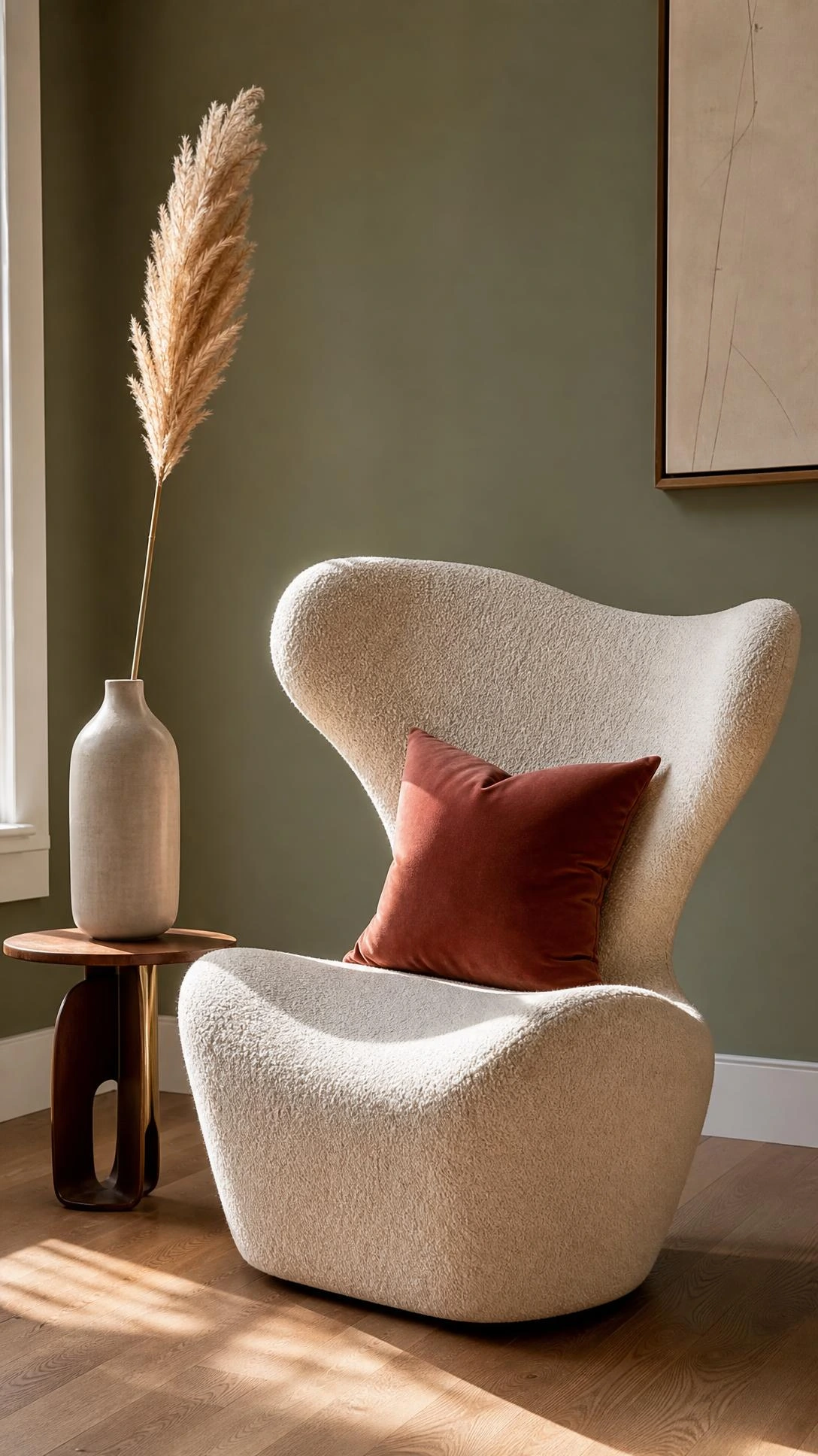
Most living rooms have a lot of right angles, and introducing one or two curved or sculptural shapes tends to make the whole room feel more dynamic.
A round side table, a curved armchair, or a sconce with a circular form breaks up the visual monotony in a way that is subtle but noticeable once someone pays attention to it.
Arc floor lamps have been popular for good reason, and a simple black or brass arc lamp positioned over the reading end of a sofa adds shape, function, and a little drama all at once.
The goal is not to fill the room with organic shapes but to introduce one or two as a counterpoint to all the straight lines that sofas and shelving units tend to bring.
Even a rounded ceramic vase or a bowl-shaped pendant can do the job in a smaller space where there is not room for bigger furniture changes.
8- A Well-Dressed Entryway Into the Living Room
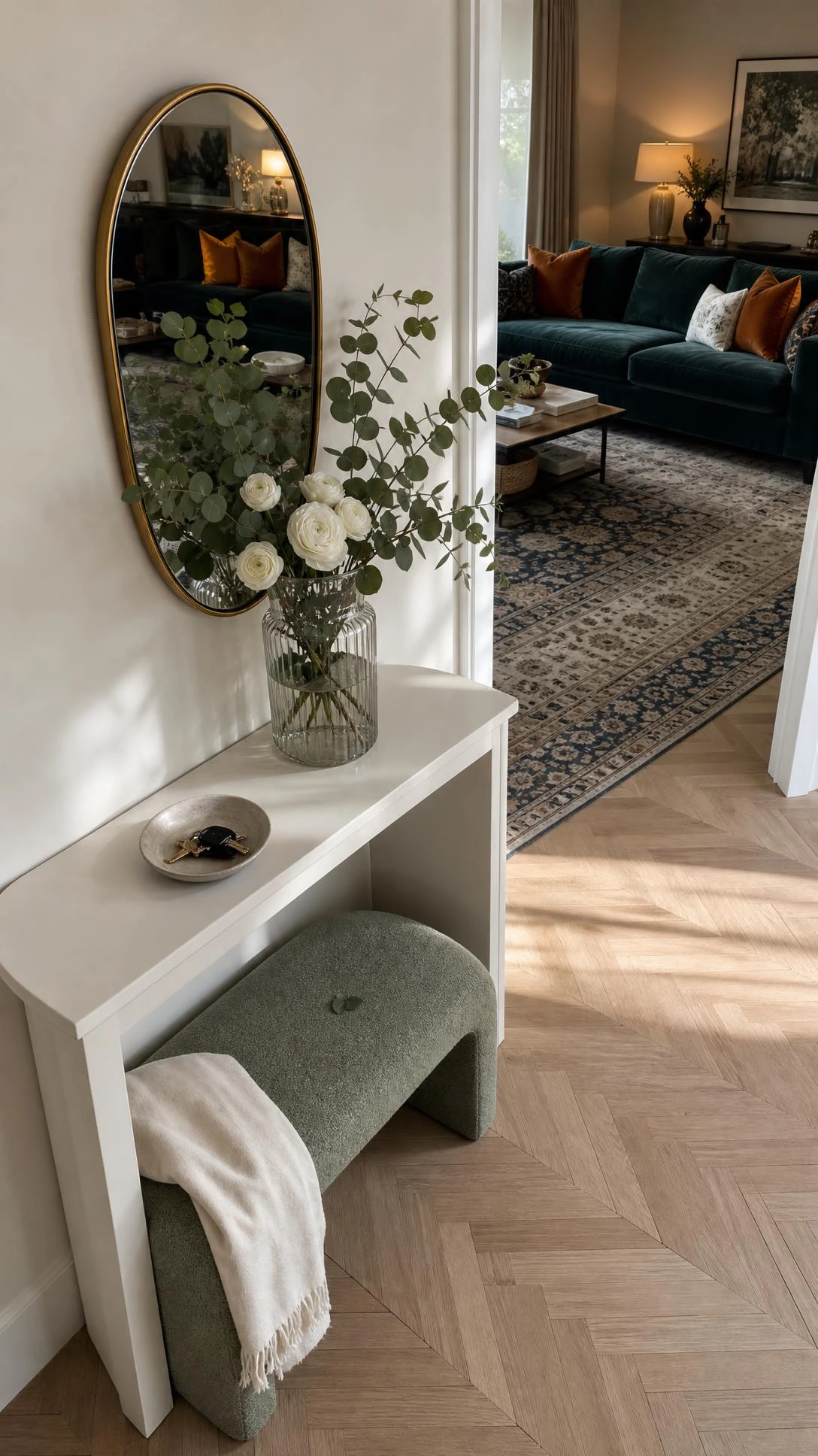
The transition from the front door or hallway into the living room sets the tone for how the whole space feels, and most people forget about it entirely.
A small console table just inside the entrance, a piece of art hung at eye level, or even just a defined rug at the threshold gives the space a clear beginning.
Something as simple as a narrow entryway table in a warm walnut finish with a single lamp and a small tray for keys can make a rental apartment feel like it has real bones.
The entryway does not need to be large or elaborate, it just needs to feel like it was thought about, which most people can tell even when they cannot explain exactly what they are responding to.
9- Symmetrical Furniture Arrangement
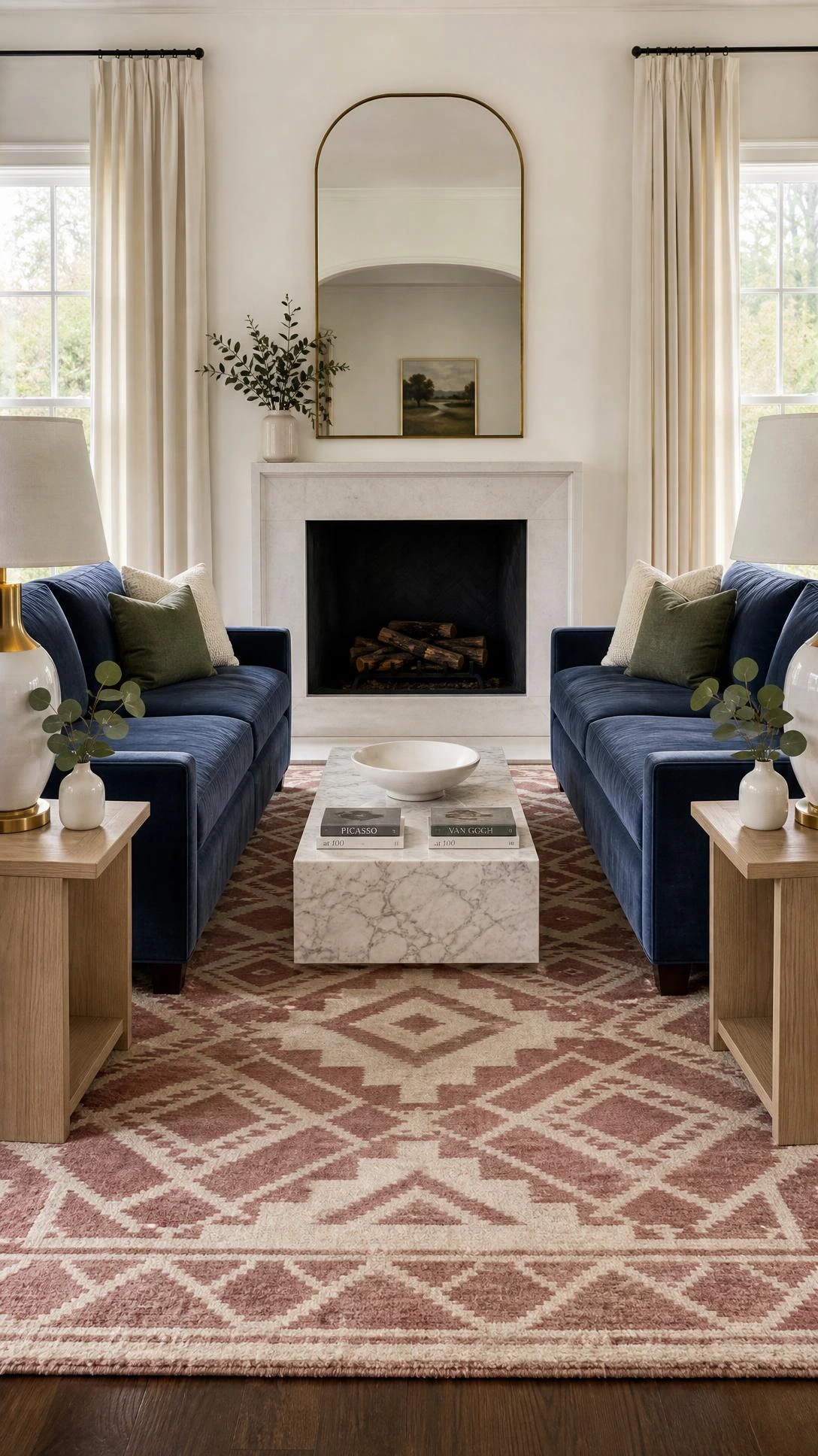
Symmetry sounds formal but it is actually one of the easiest ways to make a living room feel calm and pulled together without spending anything.
Two matching chairs flanking a sofa, a pair of table lamps on either side of a console, or two identical plants in matching pots on either side of a fireplace all create that clean balanced effect.
The rooms in real homes that tend to photograph well and feel good to sit in almost always have some symmetrical element, even if the overall style is loose and casual.
It works best when the symmetry is in the bigger pieces, like the seating arrangement or the lighting, and the smaller accessories are allowed to be a little more random and personal.
Even just pulling two accent chairs to face each other across a coffee table creates a conversation zone that makes the whole room feel more intentional than a single sofa against a wall.
10- Maximizing Natural Light
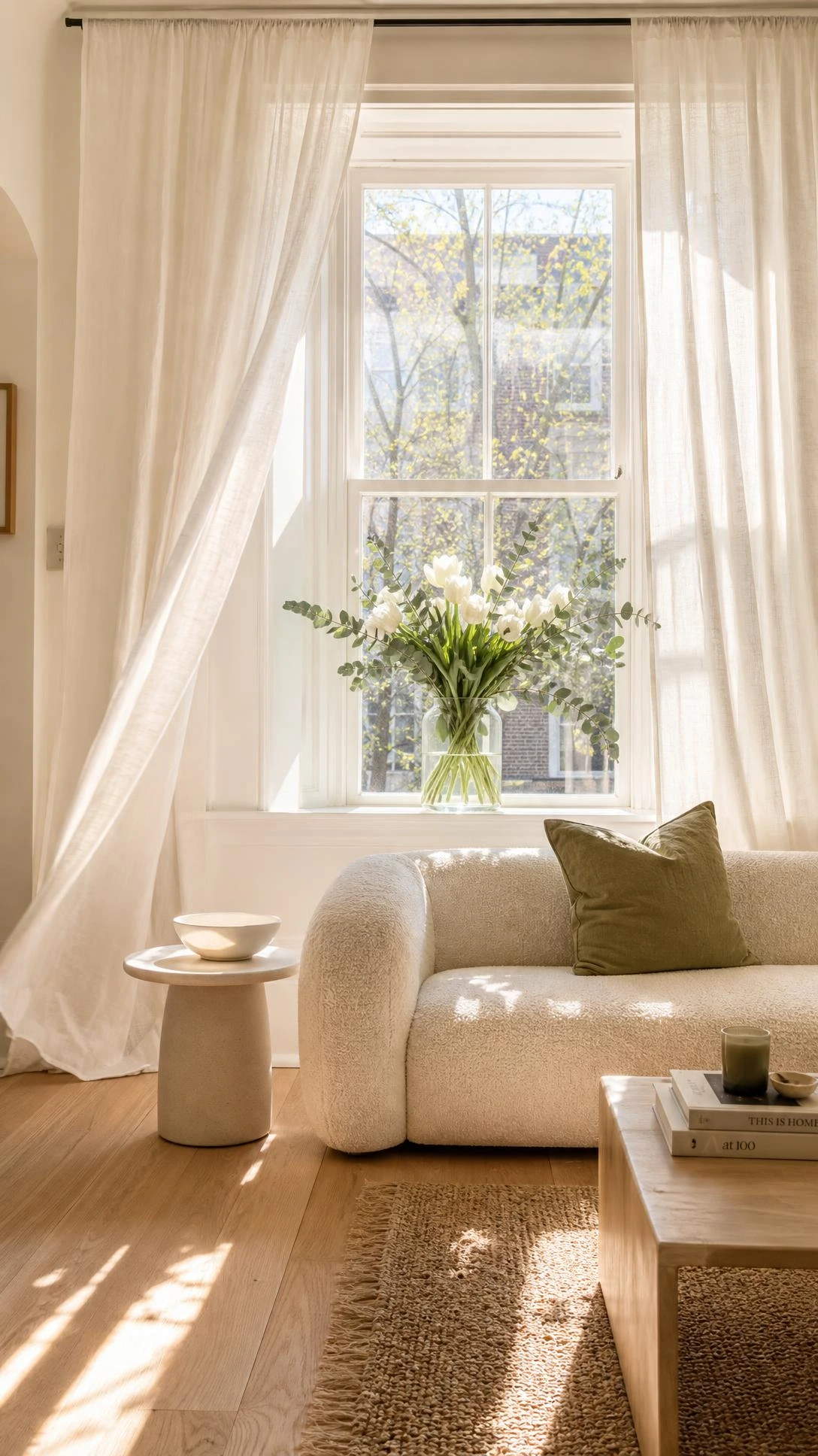
Natural light does more for a living room than almost any product or piece of furniture, and most rooms have more of it available than people actually let in.
Heavy curtains hung low and close to the window frame are one of the most common ways people unintentionally block light that would otherwise make the space feel larger and more open.
Hanging curtains as close to the ceiling as possible and extending the rod at least 6 inches beyond the window frame on each side lets in significantly more light and makes the windows look bigger than they actually are.
Sheer linen curtains in a warm white or ivory tone filter light softly while still maintaining some privacy, and they tend to look good in almost every living room style from minimal to maximalist.
Mirrors placed on the wall opposite or adjacent to a window also help bounce light around the room, which sounds like an old trick because it is one, but it genuinely works.
11- One Unexpected or Personal Element
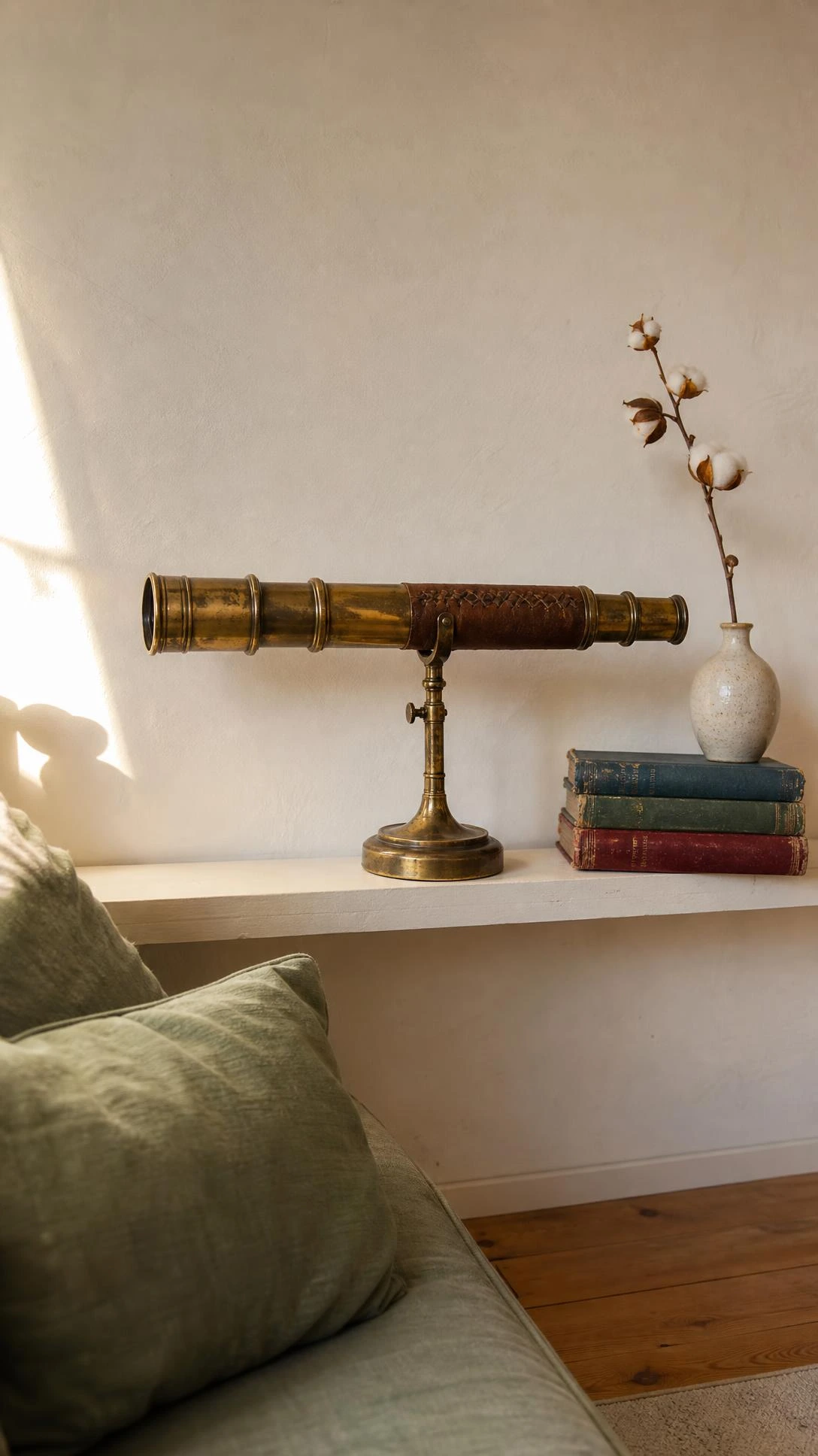
The rooms that feel the most chic in real homes almost always have one thing in them that is a little unexpected, something that was not sourced from a style guide or a sponsored post.
It could be an oversized vintage photograph, a sculptural lamp from a thrift store, or a piece of art that is a little weird and personal, something the person who lives there actually chose because they loved it.
That one element is usually the thing guests ask about first, which is always a nice surprise when the rest of the room is put together from pretty standard and accessible pieces.
I think the instinct to edit out anything too personal or unusual is what makes a lot of living rooms end up feeling like hotel lobbies, pleasant but not particularly interesting.
The unexpected piece does not have to be expensive or sourced from somewhere obscure, it just has to be real, something that would not make sense in someone else’s home.
The Simplest Path to a Living Room That Actually Feels Chic
None of these changes require a renovation or a complete overhaul of what is already in the room.
Most of the rooms that feel the most pulled together got there through small, specific decisions made over time rather than one big sweeping change.
Picking one or two things from this list and actually doing them tends to create a visible shift that makes the next step feel obvious and easy.
A good living room just feels like the person who lives there thought about it, and a little intention goes a longer way than most people expect.

Hi, I’m Alizabeth, the creator of Pretty Home Hacks. I share practical home decor ideas, easy DIY projects, organization tips, and budget-friendly ways to make your home feel more beautiful and functional. From small room updates to everyday home hacks, my goal is to share approachable ideas you can actually use in your own space.