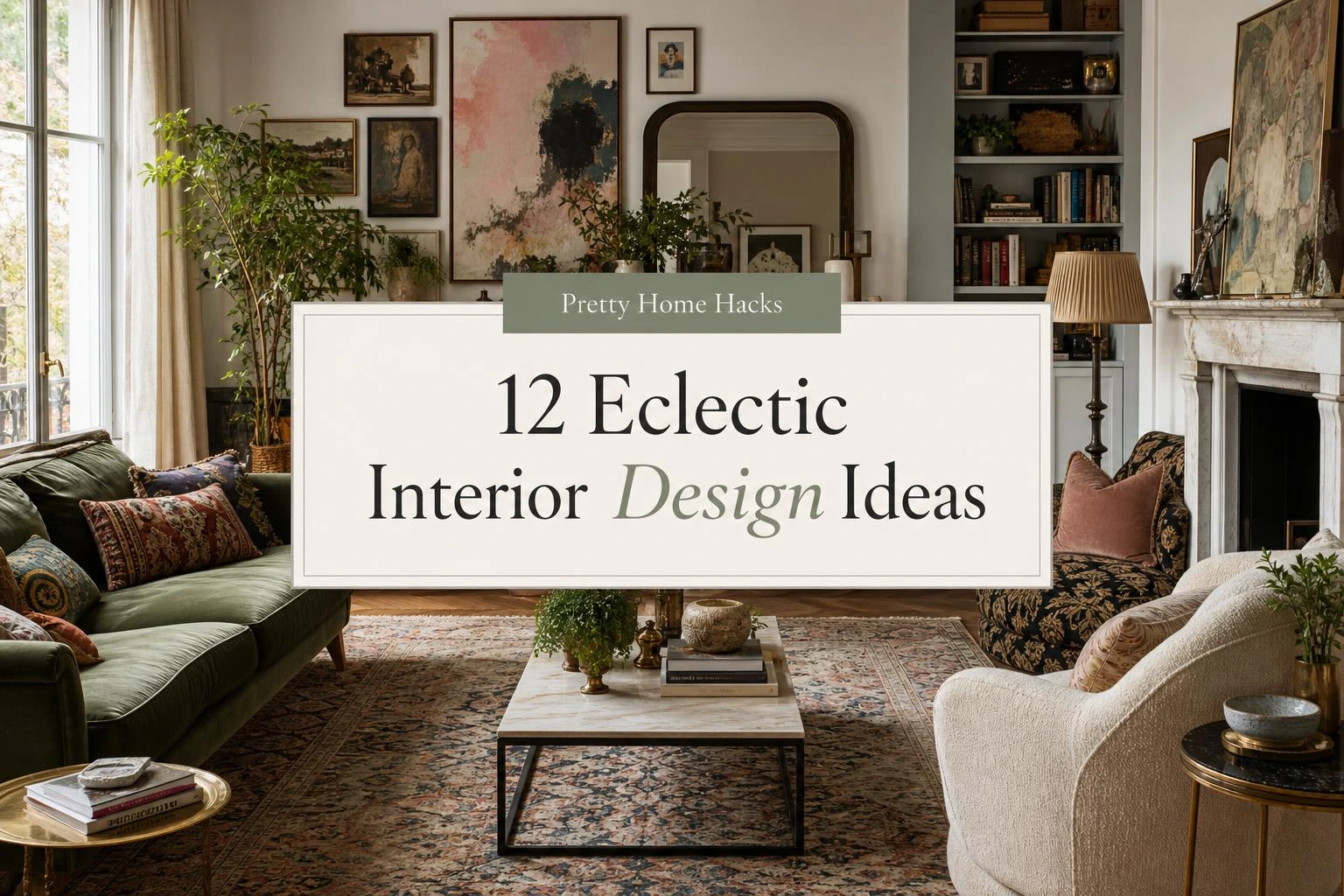
12 Eclectic Interior Design Ideas for a Luxury Home That Still Feels Warm and Livable
Eclectic interiors have this reputation for being chaotic, like someone just kept buying things they loved and hoped for the best.
The rooms that actually work, though, are the ones that feel collected rather than cluttered, and there is a real difference between those two things once people start paying attention.
Most people assume luxury means everything has to match, or that warmth means sacrificing the interesting stuff in favor of something safe and neutral.
The actual sweet spot is somewhere between those two ideas, and it is more achievable than most design content makes it sound.
These twelve ideas are the ones that consistently show up in eclectic homes that feel genuinely livable, not just beautiful in a photograph.
1- Mix a Vintage Piece With One Modern Anchor
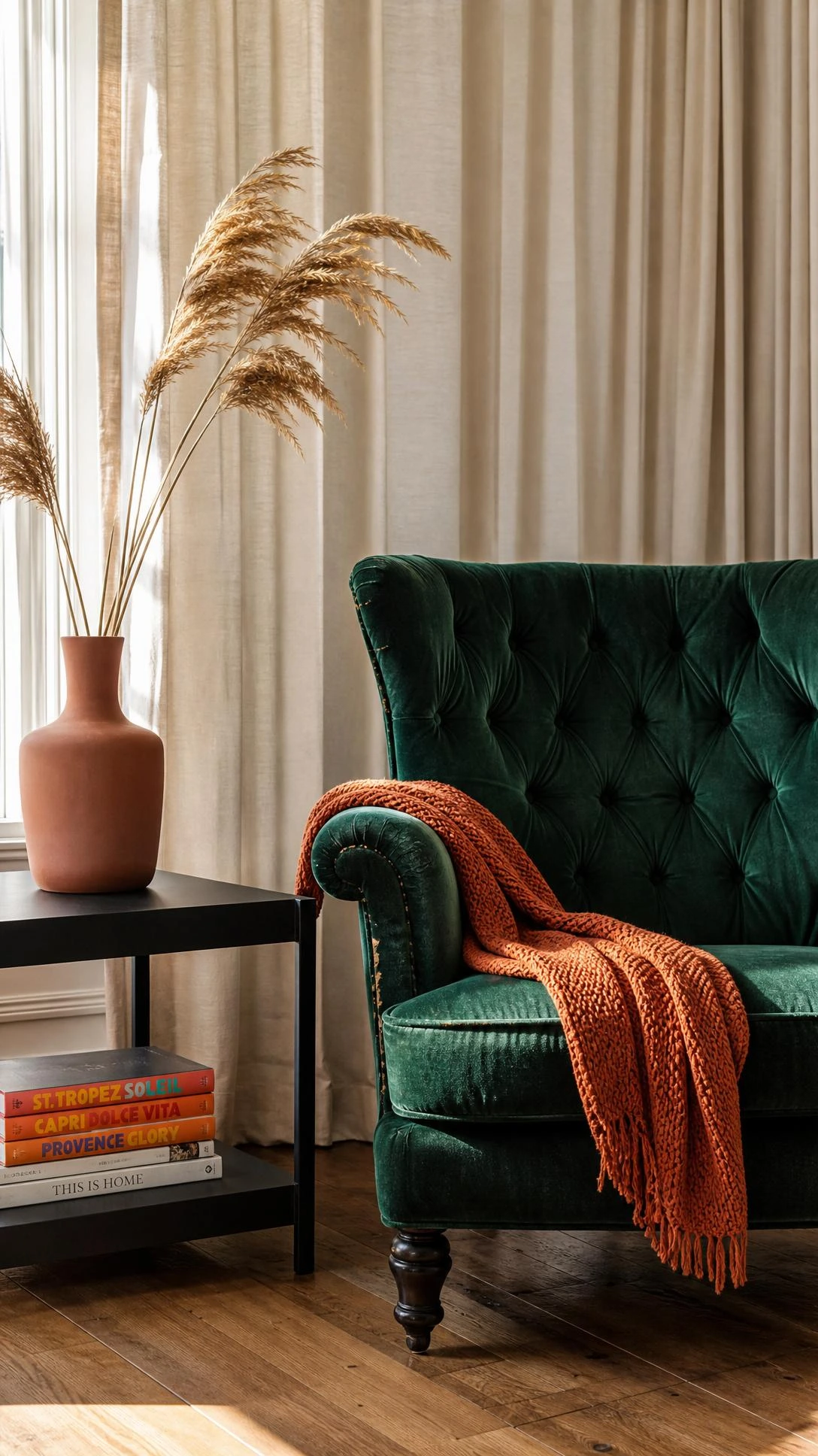
Nobody needs to commit fully to one era for a room to feel intentional.
The trick that works most consistently is pairing a vintage or antique piece with one clean, modern anchor so neither one feels out of place.
A mid-century walnut sideboard against a wall with a simple contemporary pendant light above it is the kind of combination that looks considered without trying too hard.
The vintage piece brings warmth and character, the modern one keeps it from tipping into grandma’s house territory.
I think most people underestimate how much a single vintage find can do for a room that was feeling a little flat.
This works best when the two pieces share at least one thing in common, whether that is a finish, a material, or just a general mood.
2- Layer Three Textures in Every Room
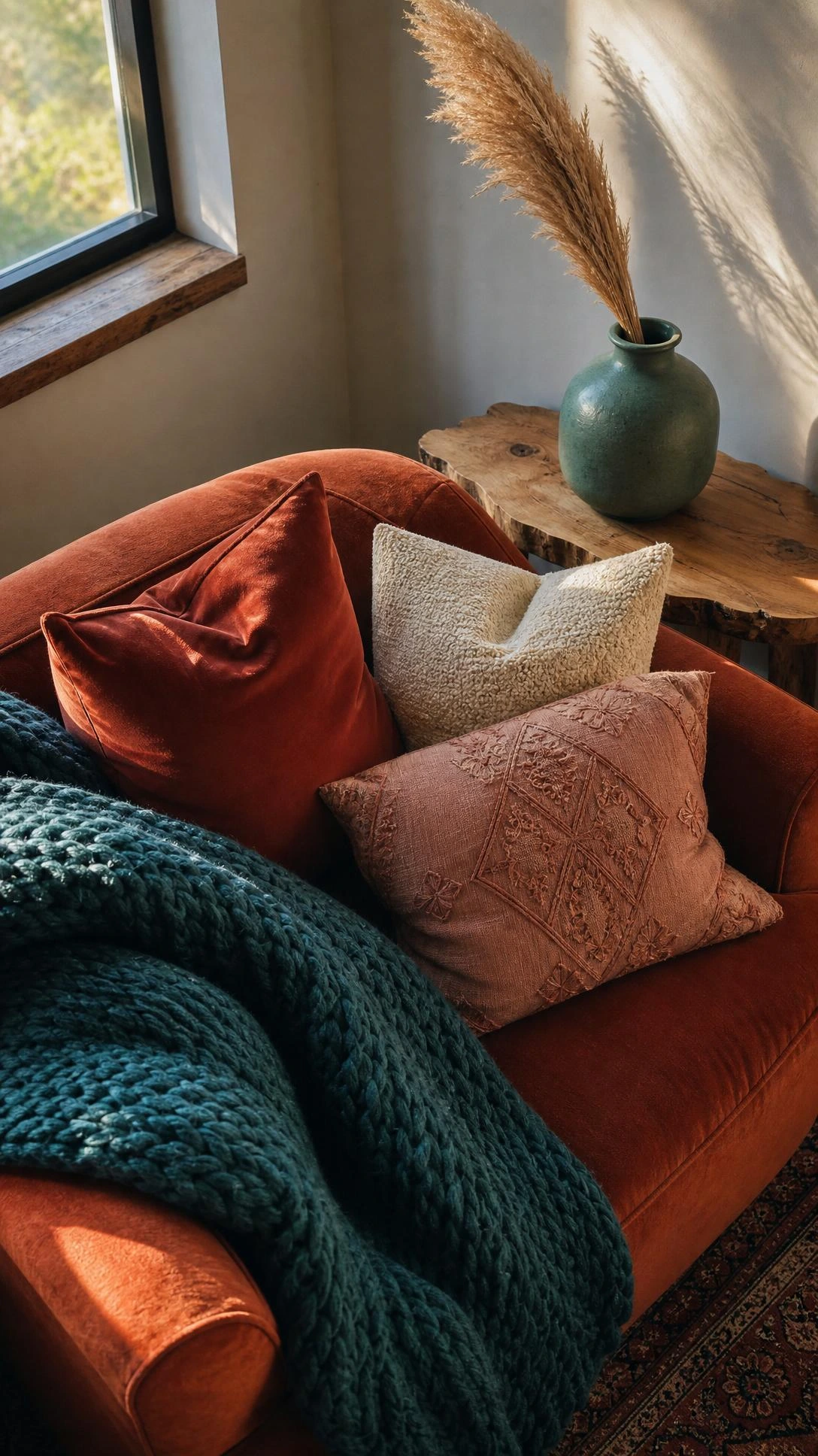
Texture is the thing that makes a room feel warm even before anyone adds a single accent color.
The general rule that works well is aiming for at least three distinct textures in any one space so the eye has somewhere interesting to travel.
Velvet cushions on a linen sofa with a chunky wool rug underneath is a classic starting point that costs less to pull off than it looks.
The difference between a room that feels rich and one that feels flat is almost always texture, not price tag.
This is also where eclectic design has a real advantage, because mixing textures from different eras and styles is kind of the whole point.
3- Build From a Neutral Base and Add Color Slowly
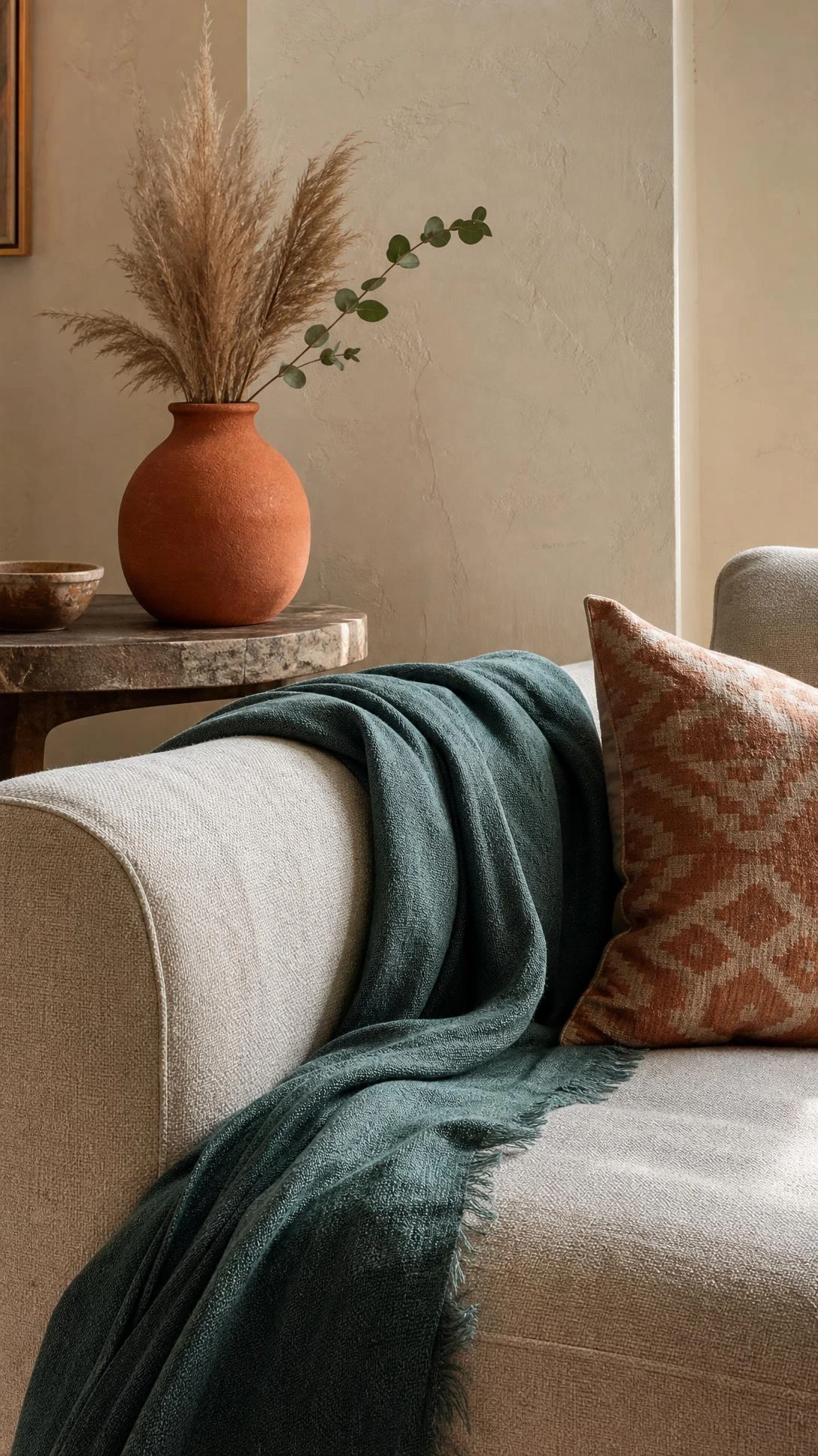
Starting with a neutral base is the part of eclectic interior design that most people skip when they get excited about the fun stuff.
Warm whites, soft greiges, and natural linen tones give all the collected pieces room to breathe without competing with each other.
From there, accent colors like sage green, deep navy, or a dusty rust can come in through cushions, artwork, and smaller objects rather than walls or large furniture.
Adding color slowly means it is much easier to pull back or shift direction without repainting an entire room.
A mood board made before any purchases happen saves a lot of regret, especially when someone is mixing pieces from different places and time periods.
4- Use Lighting to Create Warmth Not Just Visibility
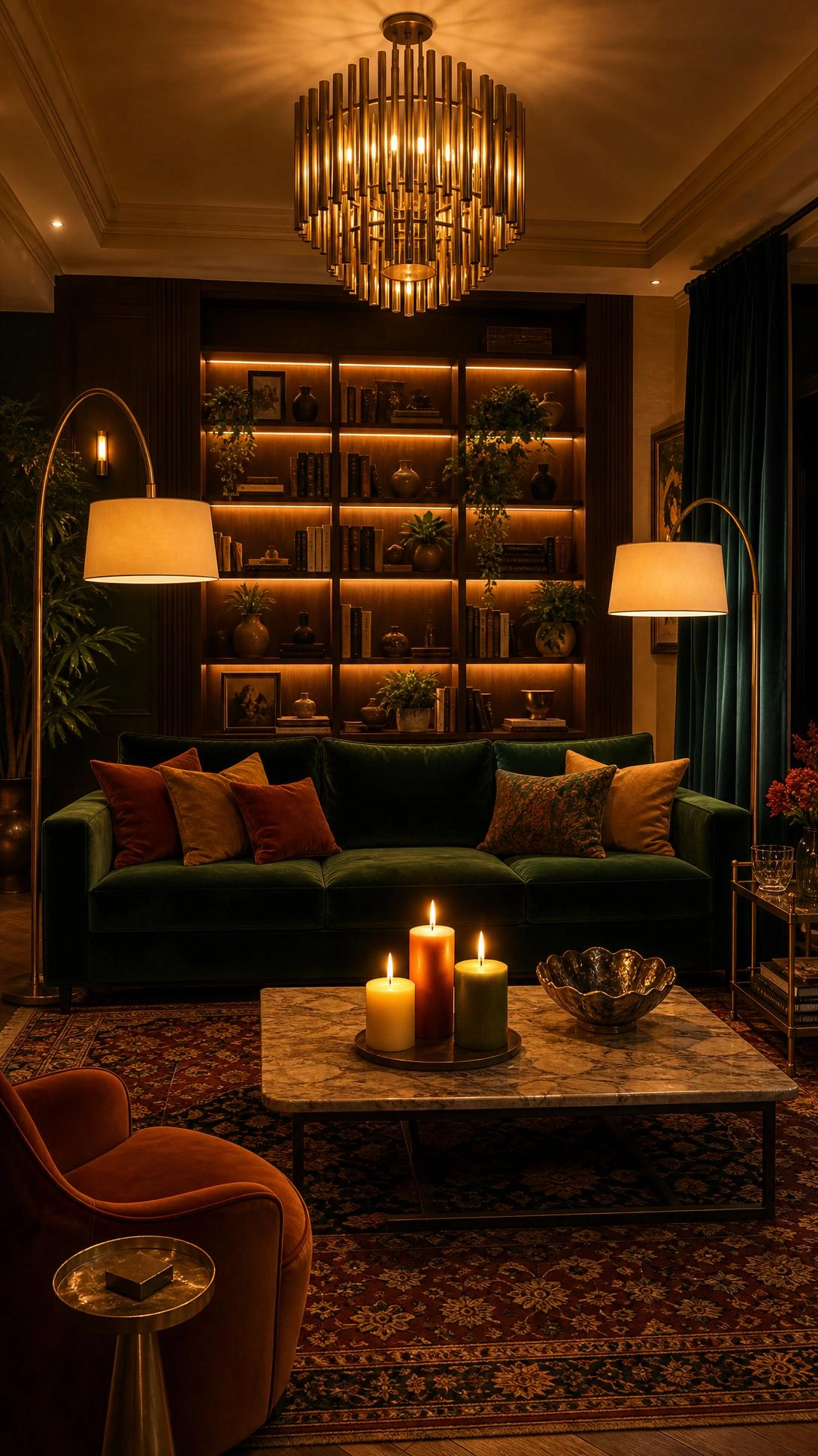
Lighting is the one thing that can make or break an eclectic room faster than any furniture choice.
Recessed LED lights are everywhere right now and they are practical, but the cool white output is the single biggest thing flattening people’s interiors without them realizing why.
Dim-to-warm LED recessed lights, which shift from a neutral white down to a 2200K amber tone as they dim, solve this almost immediately and fit any existing fixture type.
Layering those with a sculptural table lamp or a wall sconce gives the room a completely different feel after dark.
The goal is just to have at least three light sources at different heights in any main living space, so the room never has to rely on one overhead fixture alone.
Most people notice the difference within about ten minutes of the lights going on in the evening, which is always a nice surprise.
5- Find One Statement Art Piece and Light It Properly
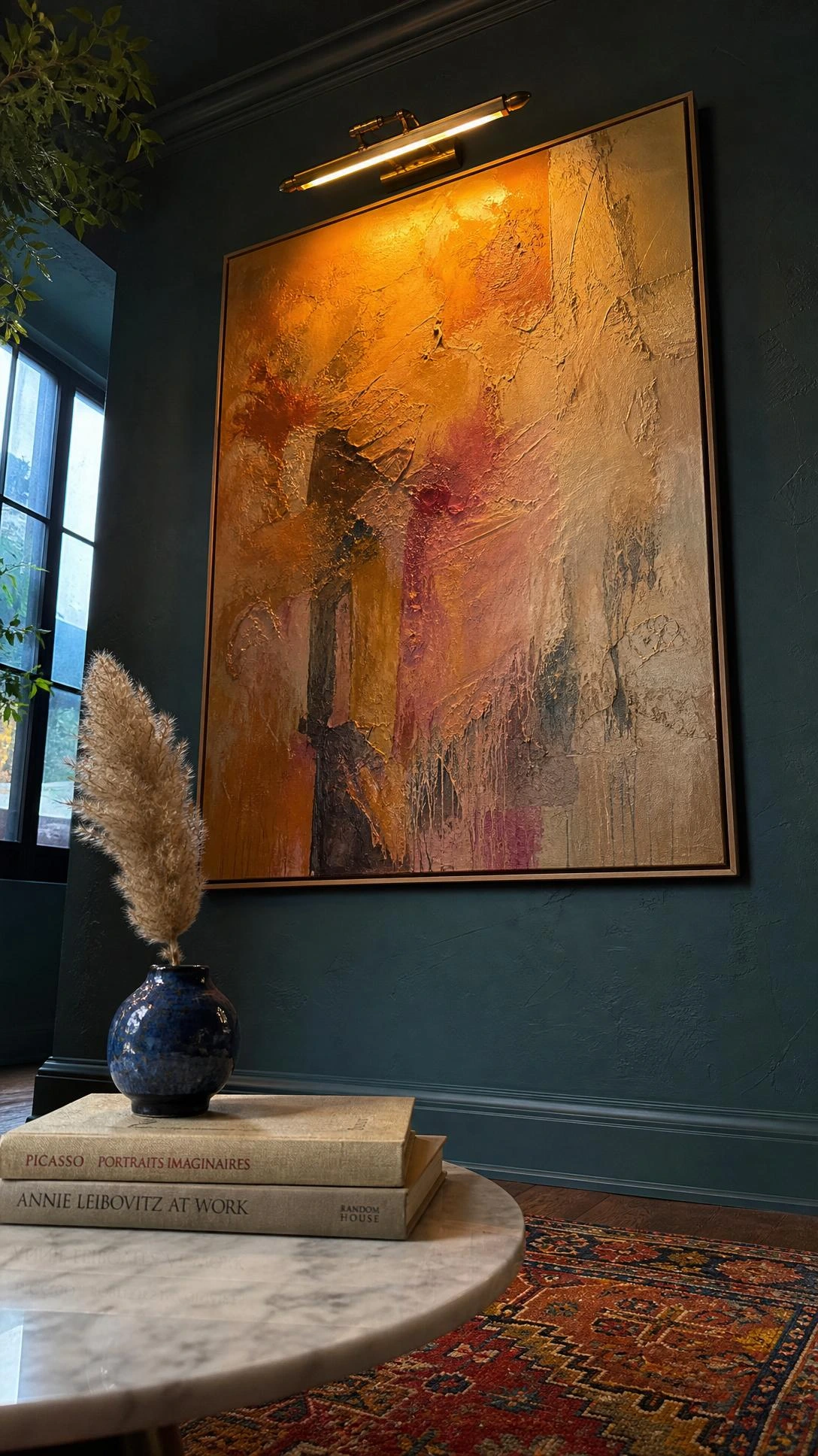
Art is what gives an eclectic space its actual personality, and the piece does not have to be expensive to do the job well.
What matters more than price is that it means something, whether that is a large abstract canvas in ochre and terracotta or a framed vintage botanical print found at a market for twelve dollars.
Positioning a small picture light or an adjustable track light specifically aimed at the piece changes how the whole wall reads.
Most rooms that feel like they are missing something are missing a lit focal point, and art with proper lighting is the fastest way to create one.
Negative space around the piece matters too, so leaving the surrounding wall relatively clear lets the work actually land instead of getting lost in the mix.
6- Mix Metal Finishes on Purpose
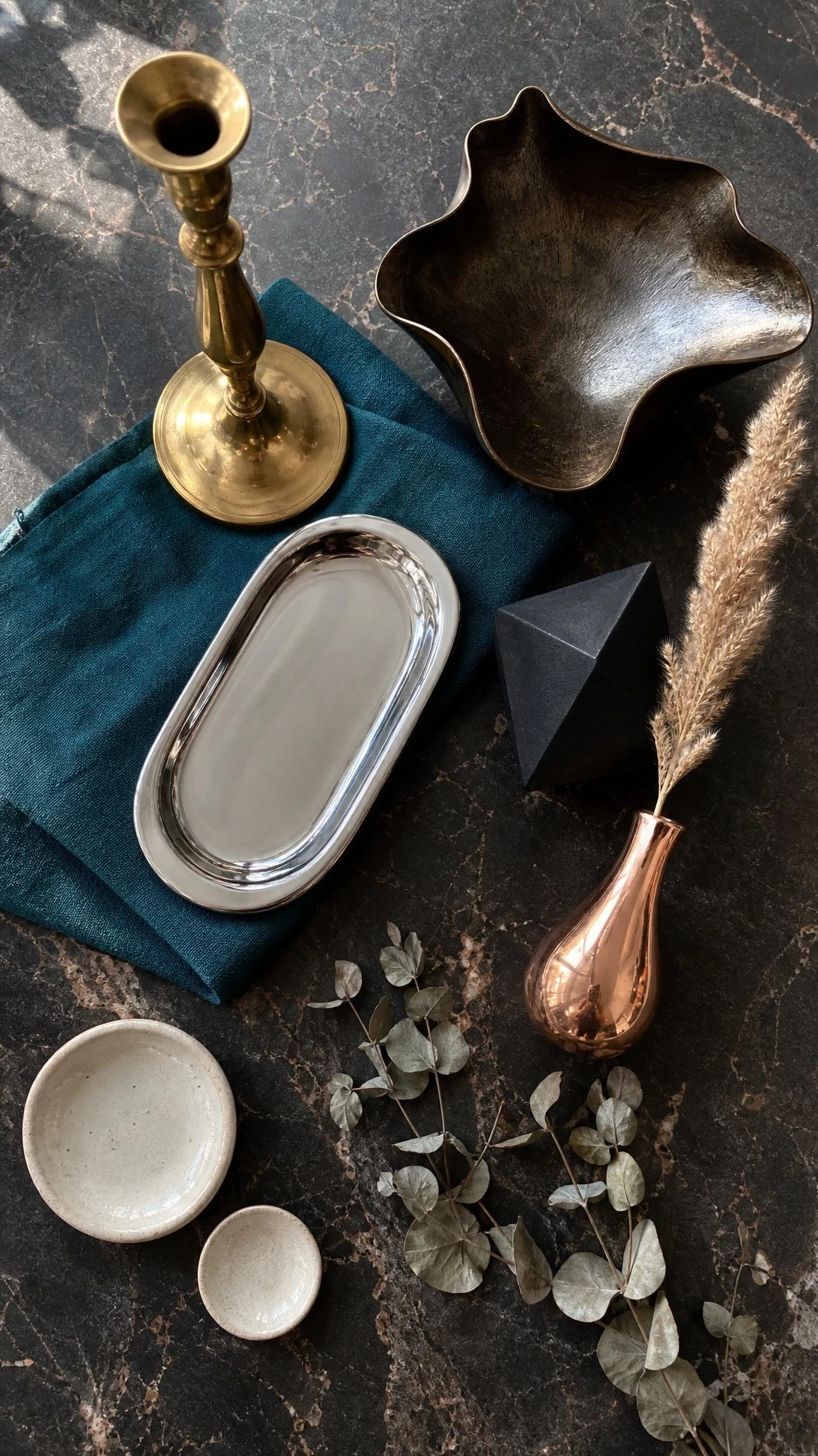
The old rule about matching all your metal finishes is one that most designers quietly stopped following years ago.
Mixing brass, matte black, and brushed nickel in the same room actually adds depth and feels much more collected than everything being the same tone.
A brass pendant light over a dining table with matte black cabinet hardware and a brushed nickel faucet nearby is the kind of combination that looks intentional rather than accidental.
The key is keeping the proportions reasonable, so one finish leads and the others support rather than three finishes competing equally for attention.
This is one of those things that sounds strange at first but once someone tries it the room immediately feels less showroom and more lived-in.
7- Use Rugs to Define Separate Zones
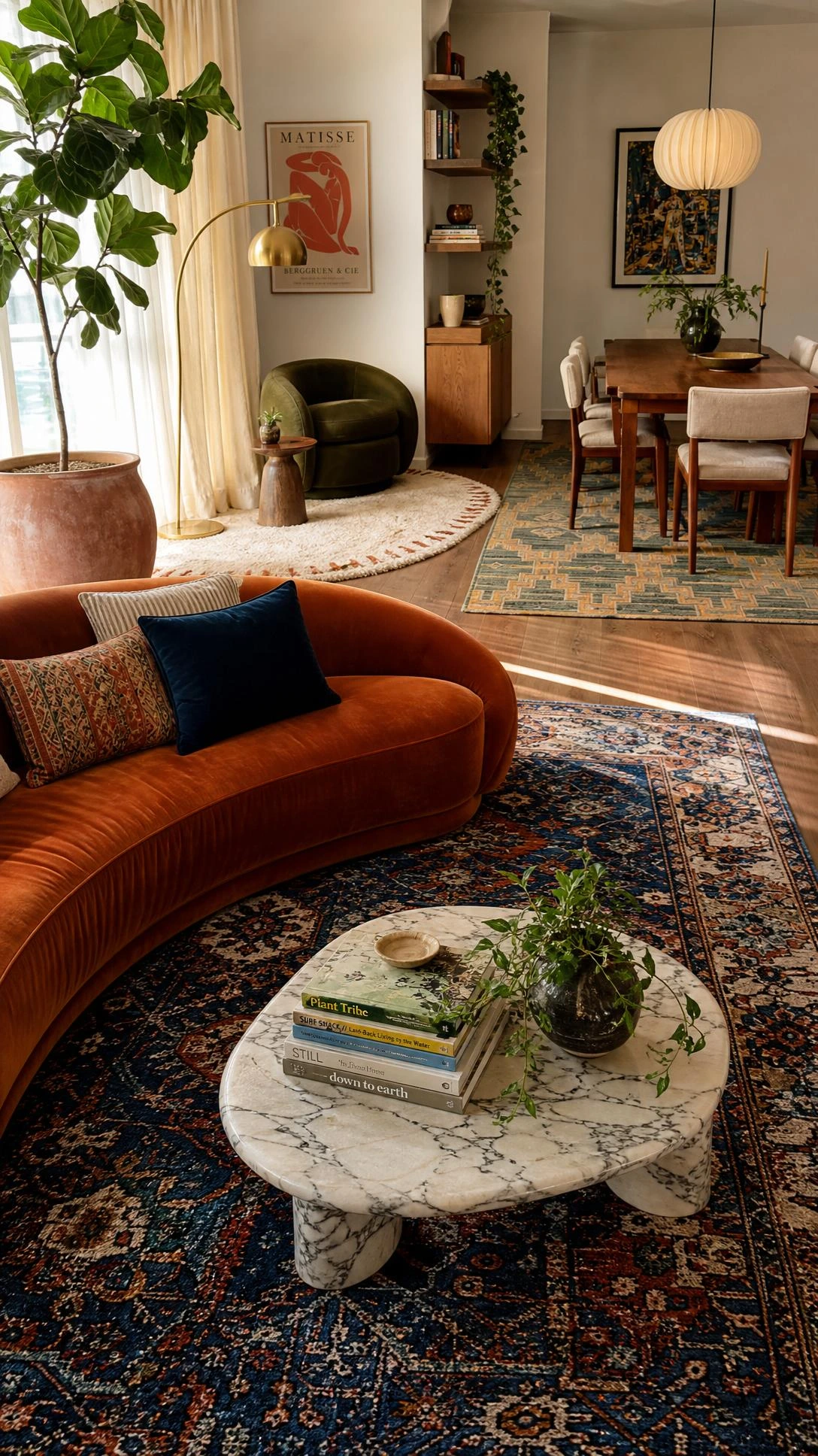
Open plan living is everywhere and it creates this problem where a large space just feels like one undifferentiated room with furniture floating in it.
Rugs solve this more effectively than almost any other tool because they tell the eye where one zone ends and another begins without needing walls.
A vintage Persian rug under the dining table and a contemporary geometric rug in the seating area of the same room can coexist easily as long as they share one color in common.
The rugs do not need to match, they just need to not fight each other.
This also works in smaller rooms where a single well-chosen rug grounds a seating arrangement that might otherwise feel like the furniture is just sitting on the floor with no purpose.
8- Pair Matte and Glossy Surfaces for Visual Depth
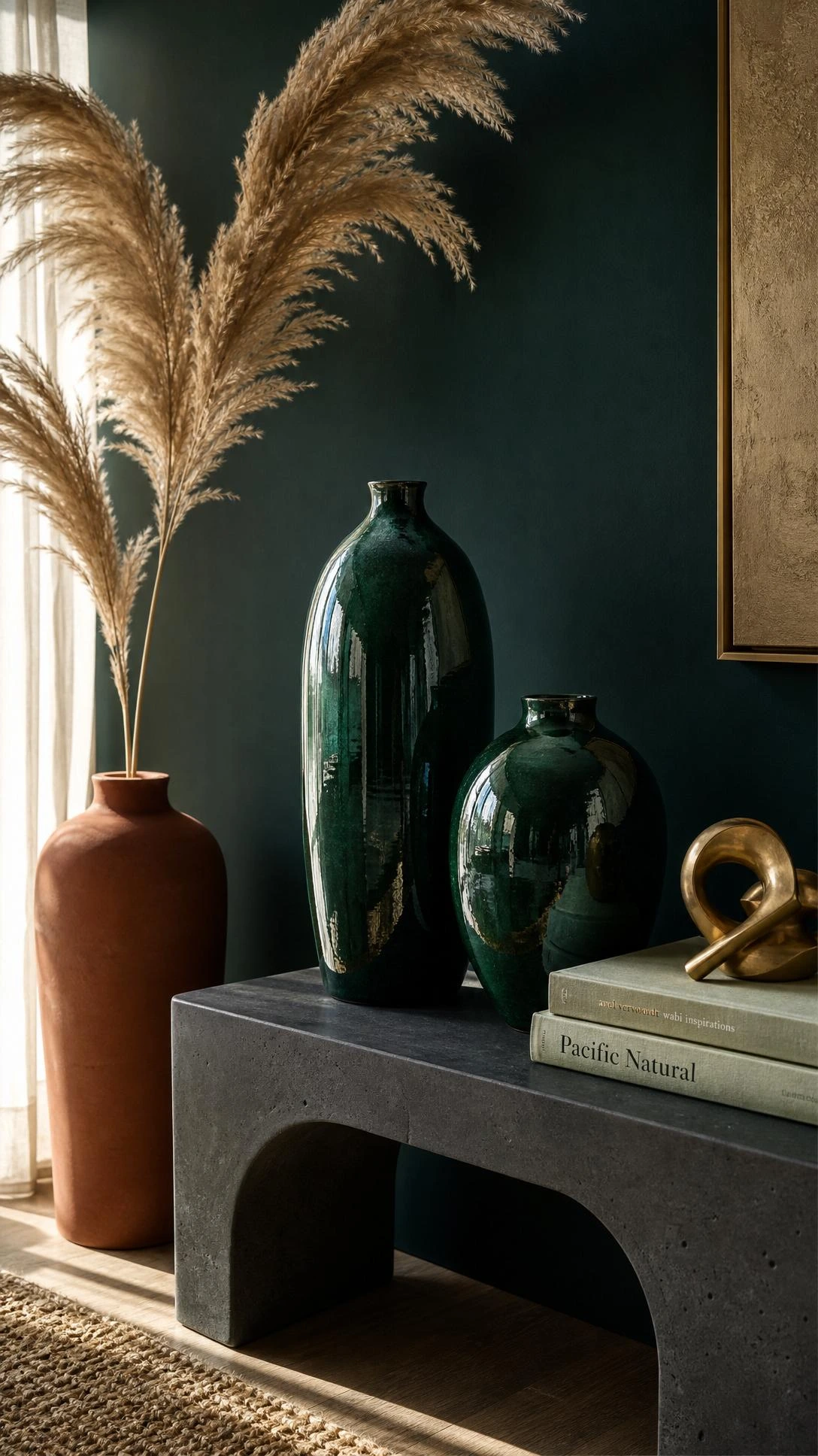
Most people decorate entirely in one finish category without realizing that is part of why a room feels a little one-note.
Putting a matte velvet sofa near a glossy lacquered side table, or placing a rough linen throw next to a polished marble tray, creates a contrast the eye finds interesting.
This works especially well in eclectic interiors where the mix of styles already means there is a lot happening, because the matte and gloss contrast adds richness without adding more visual noise.
Stone, natural fibers, and solid woods on one side of the equation with a lacquered or polished surface on the other is a combination that tends to read as luxury regardless of the actual price points involved.
9- Add One Unexpected or Quirky Object
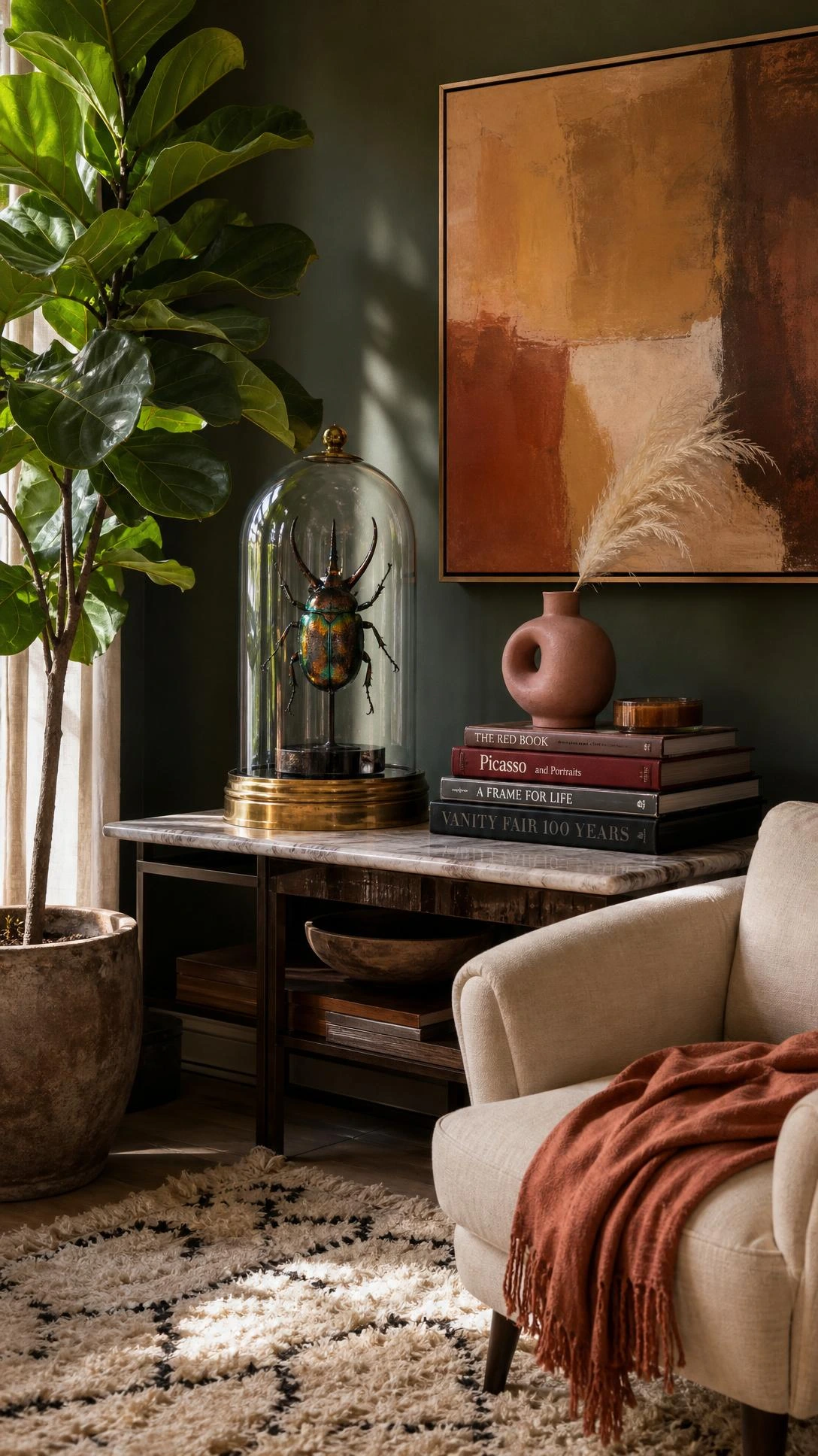
There is a specific kind of room that looks perfect in a photo and completely empty in person, and it usually comes down to the absence of anything surprising.
One unexpected object, whether that is a collection of vintage cameras on a shelf, an unusual geological specimen used as a bookend, or a single taxidermy piece in an otherwise modern room, is what gives a space soul.
It does not need to be expensive or even particularly beautiful in a traditional sense, it just needs to invite a question or start a conversation.
I think this is the part of eclectic decorating that people talk themselves out of most often because they worry it will look wrong, and it almost never does.
The object works best when it feels personal rather than purchased specifically to be quirky, which is a distinction most people can actually feel when they walk into the room.
10- Contrast Reclaimed Wood With One Sleek Material
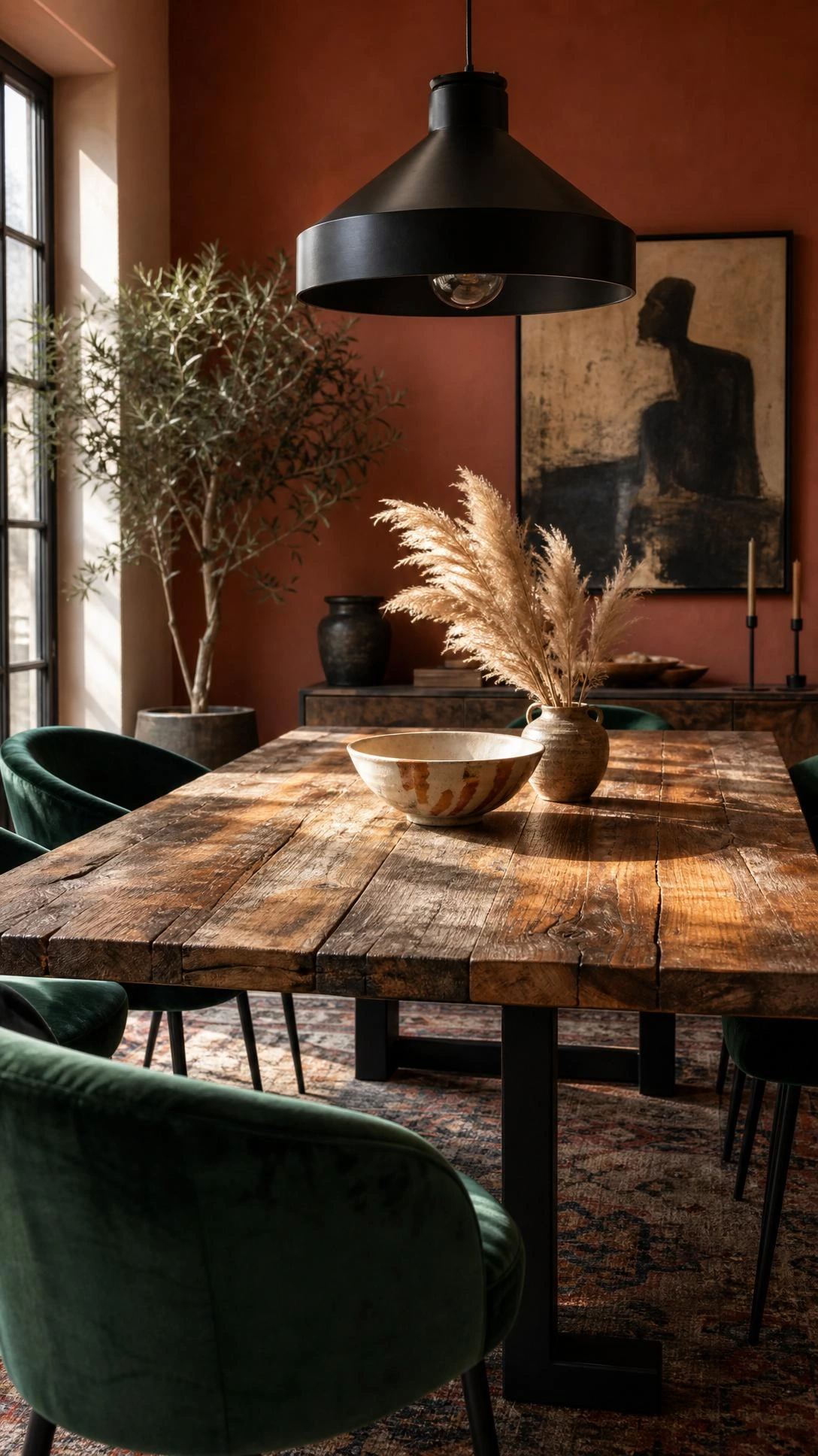
Reclaimed wood and weathered materials bring warmth and history into a space in a way that nothing else quite replicates.
The combination that keeps showing up in rooms that feel genuinely luxurious is pairing that worn, natural material with something smooth and sleek like marble, polished concrete, or lacquered wood.
A reclaimed oak dining table with a white Carrara marble top serving tray in the center is one version of this that costs under fifty dollars to add and immediately changes the feel of the room.
The rough against the smooth is a visual tension that reads as considered and warm at the same time, which is a harder combination to achieve than it looks.
This works best when the reclaimed element is the larger of the two surfaces so the sleek material acts as an accent rather than competing for the same weight.
11- Create One Quiet Corner Just for Unwinding
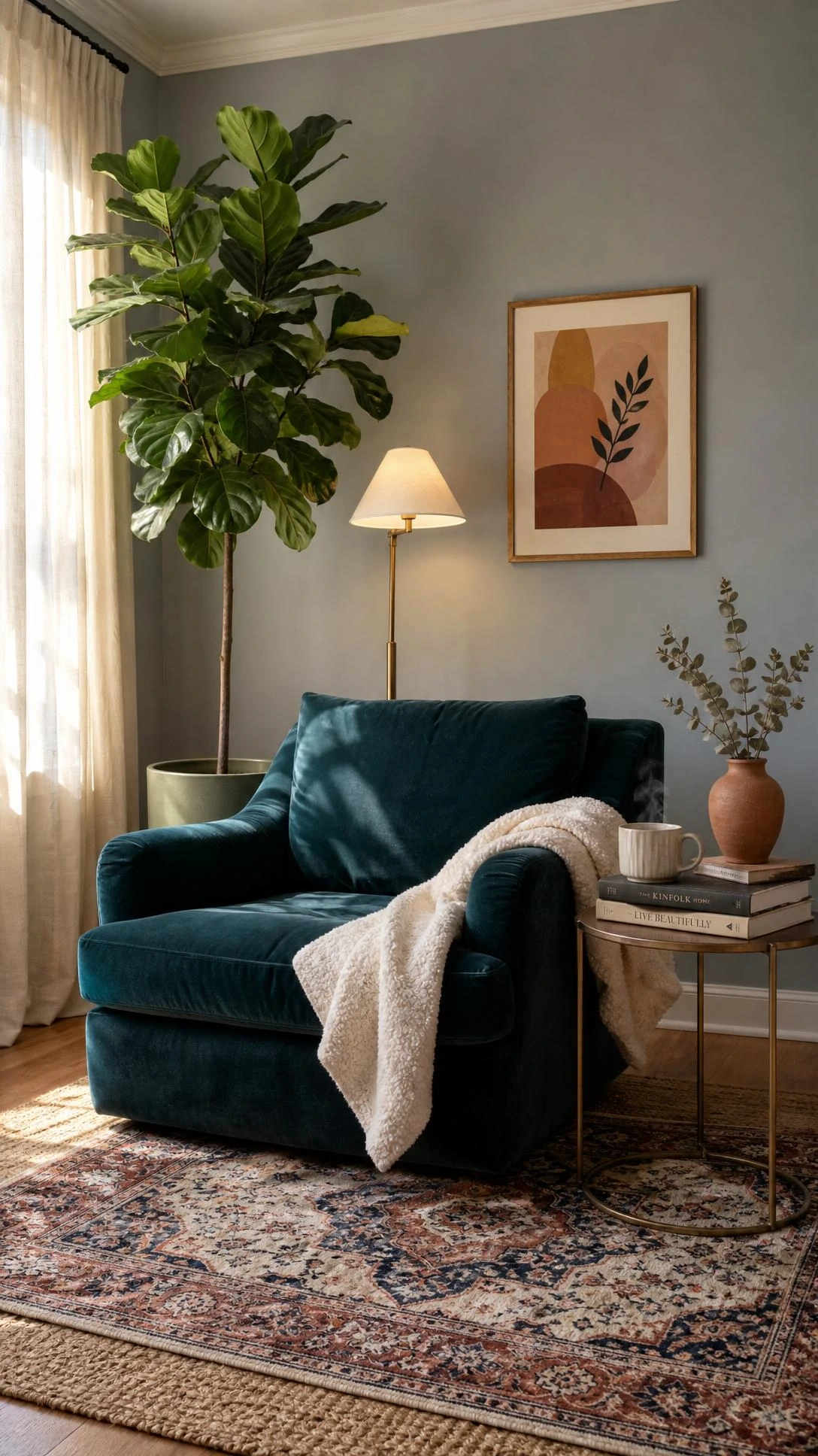
Luxury in a home is not always about grand gestures and statement furniture, sometimes it is just about having one corner of a room that feels genuinely restful.
A reading nook with a deep chair, a side table at the right height, a warm lamp, and a small stack of actual books does more for how a home feels to live in than almost any decorative purchase.
The chair does not need to be expensive, but it does need to be comfortable enough that someone would actually want to sit in it for an hour, which rules out a lot of what looks good in a showroom.
This kind of dedicated quiet space shows up in almost every home that feels both beautiful and genuinely livable, and it is usually the corner people gravitate toward most.
Even in a small room, carving out four square feet with intention changes how the whole space feels.
12- Bring the Outside In With Plants and Natural Light
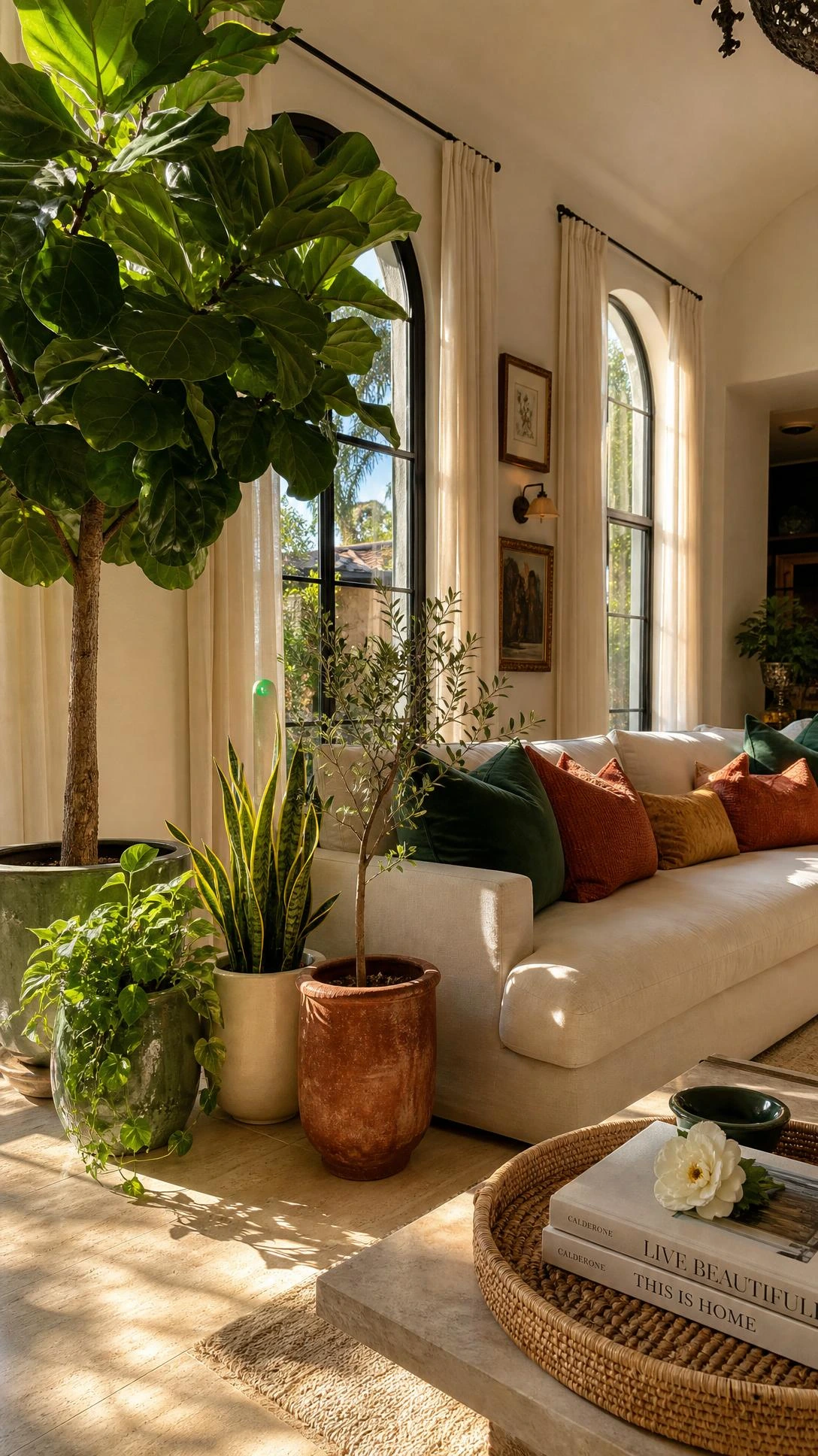
Large houseplants are one of the most effective and underused tools in eclectic interior design, and they do not require a green thumb to pull off.
A single large fiddle leaf fig or a dramatic bird of paradise in a terracotta pot adds scale, warmth, and texture in a way that no decorative object can replicate for the same price.
Large glass doors or windows that let natural light in during the day completely change the atmosphere of a room, and if those are not an option, keeping window treatments sheer during daylight hours achieves a similar effect.
For people dealing with outdoor noise from a nearby road or interstate, planting fast-growing trees like ash along the property line combined with dense shrubs creates a buffer that also makes the view from those windows worth looking at.
The connection between inside and outside, even a small one, is what makes a home feel like it belongs somewhere rather than just existing in isolation.
These Ideas Work Because They Start With How the Home Feels to Live In
Eclectic interiors get complicated fast when the goal becomes making something look a certain way rather than making it feel good to actually be in.
The ideas here are all grounded in the same basic principle, which is that warmth and livability come from real materials, real light, and things that mean something to the people who live there.
None of this requires a complete overhaul or a large budget spent all at once, most of it comes down to adding one right thing rather than more things.
A home that feels warm, specific, and a little unexpected is almost always more enjoyable to live in than one that looks perfectly curated from a distance but gives nothing back up close.

Hi, I’m Alizabeth, the creator of Pretty Home Hacks. I share practical home decor ideas, easy DIY projects, organization tips, and budget-friendly ways to make your home feel more beautiful and functional. From small room updates to everyday home hacks, my goal is to share approachable ideas you can actually use in your own space.