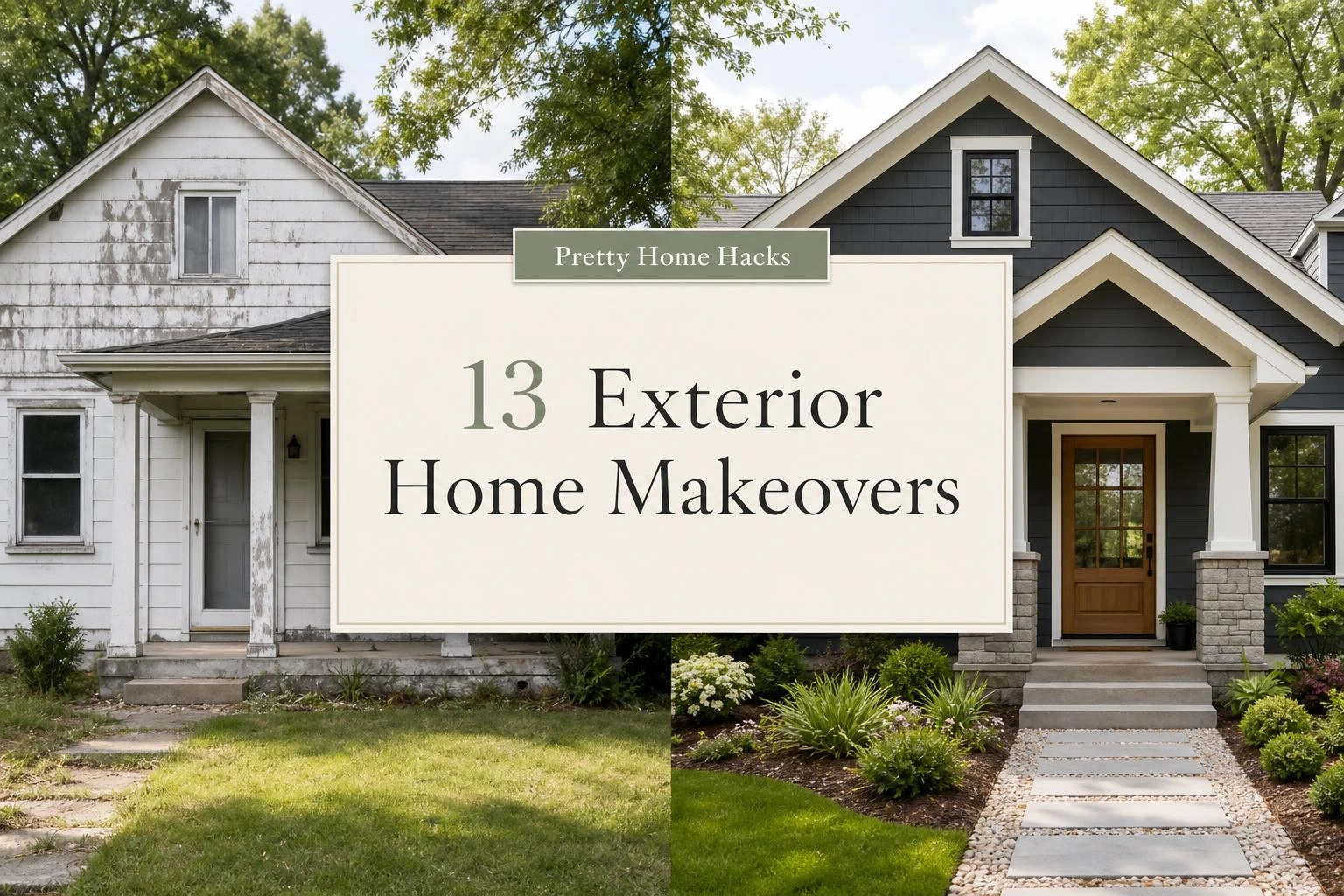
15 Before and After Exterior Home Makeover Ideas That Add Instant Curb Appeal
The outside of a house is one of those things people stop seeing after they have lived there long enough.
It blends into the background, and then a neighbor repaints their shutters or somebody puts in a new front door, and suddenly you are standing in your own driveway thinking about how tired everything looks.
Most people assume an exterior makeover means a full renovation budget, a contractor, and several weeks of chaos.
The real story is that a lot of the most dramatic before and after exterior home makeover results come from changes that are surprisingly targeted and specific.
These are the ones that actually make a difference at the street, and most of them cost a lot less than people expect.
1- Painted Brick in Soft White or Warm Greige
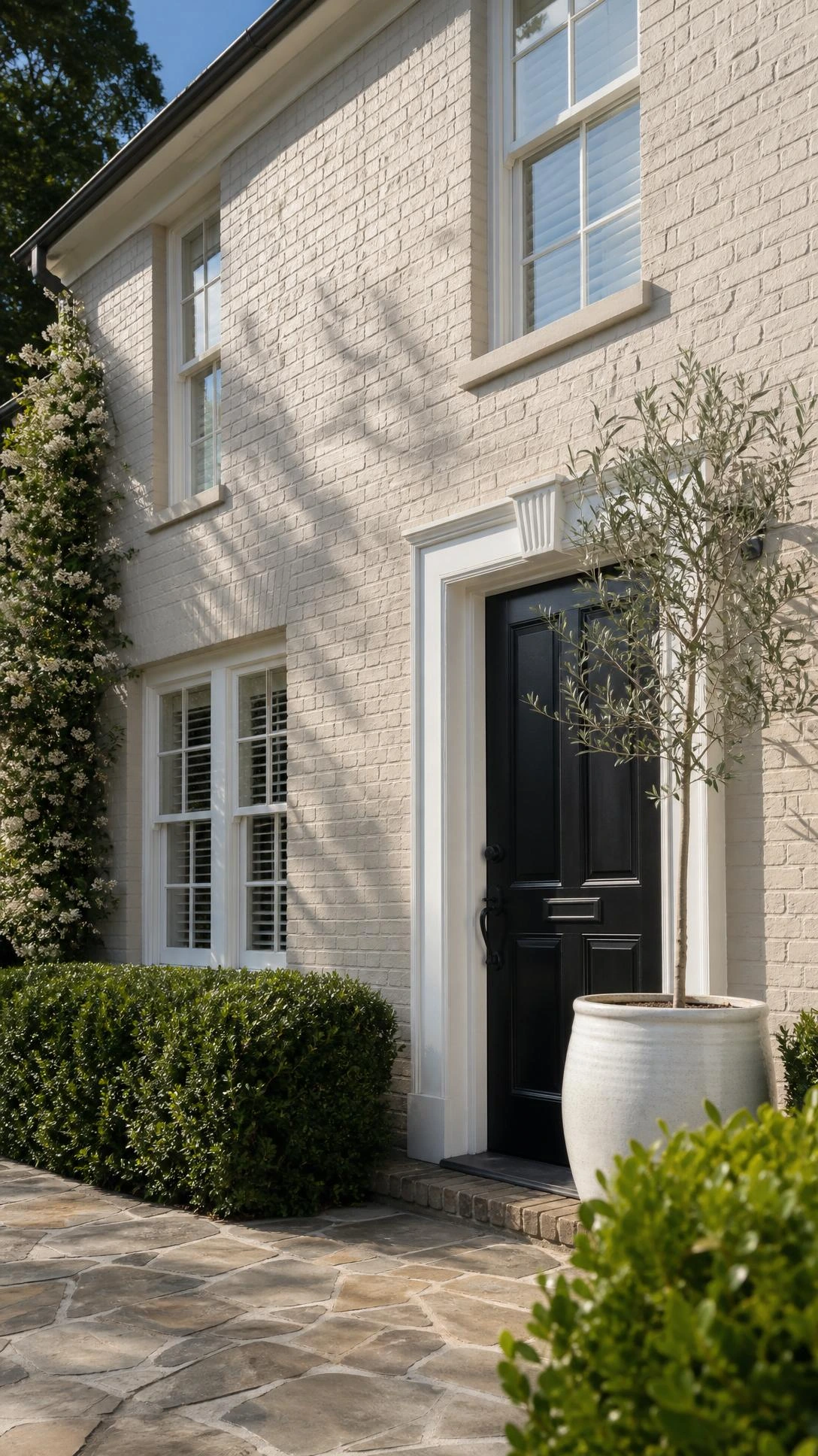
Red or orange brick is one of those things that dated a house the second trends shifted, and a lot of homeowners are sitting with it not knowing what to do.
Painting brick is one of the higher-impact exterior changes possible because it shifts the entire feel of the facade in one move.
Soft white works for traditional and coastal homes, while warm greige tones like Benjamin Moore’s Pale Oak read more modern and settled at the same time.
The main thing to know is that brick needs a masonry primer first, and skipping that step is why some painted brick jobs look rough after the first winter.
I think this is one of those before and after exterior home makeover moves that people underestimate until they see it done on a house similar to theirs.
2- A Front Door Color That Actually Reads From the Street
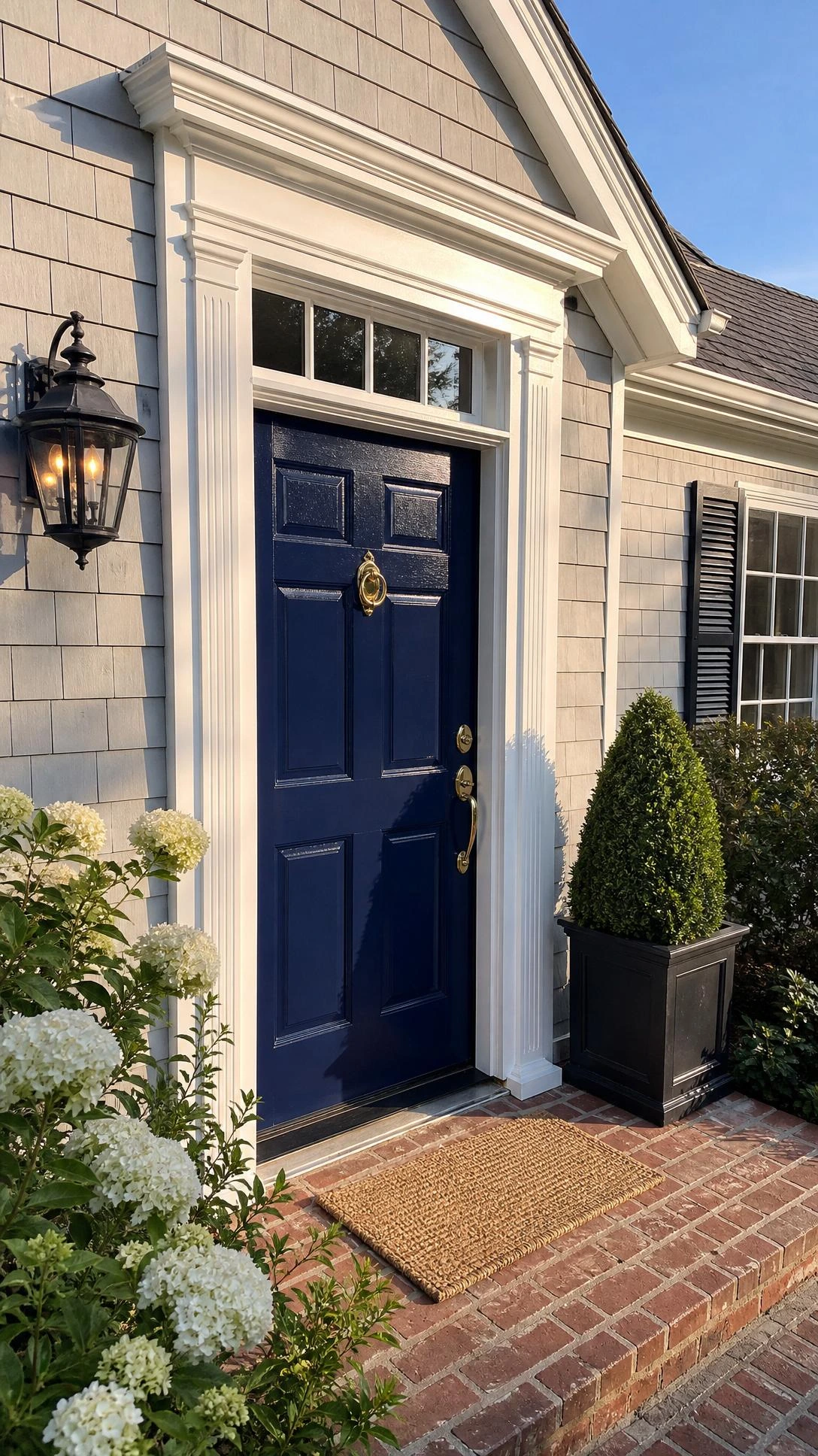
Most front doors are either beige, brown, or a red that nobody would have chosen if they really thought about it.
A door color that reads well from the street creates a focal point, and that single detail changes how the whole front of the house lands visually.
Teal, navy, matte black, and deep forest green are consistently the colors that photograph well and hold up without looking trendy a year later.
The finish matters just as much as the color, and an exterior satin or semi-gloss finish keeps the door from looking flat and tired after a season.
This is one of the most weekend-friendly changes on the list and the payoff-to-effort ratio is genuinely hard to beat.
3- Wooden Garage Doors That Replace Flat Panel Ones
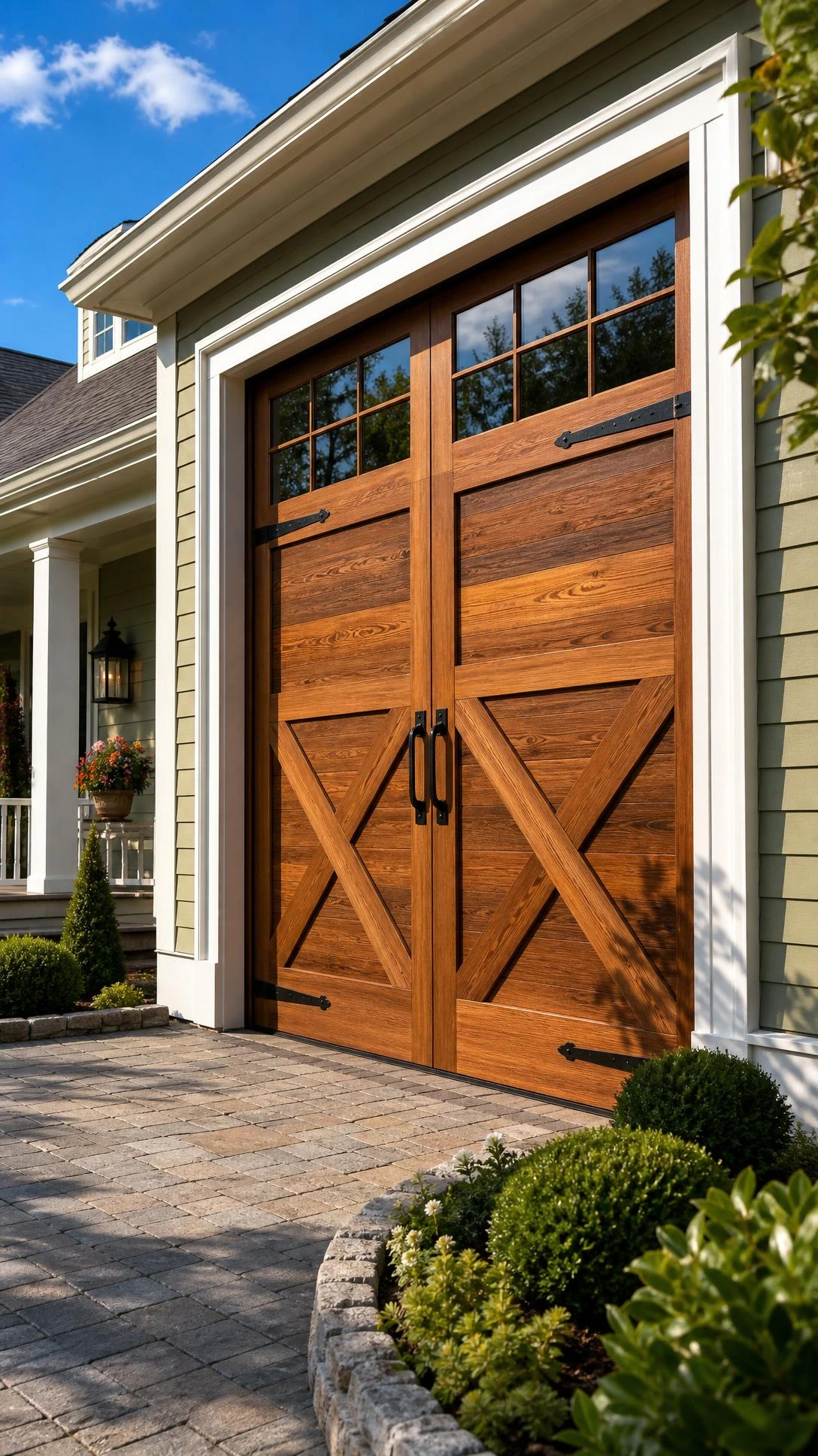
Flat panel aluminum garage doors are one of those things that make a house look like a rental even when it is not.
Swapping them for carriage-style wooden or wood-look doors is one of the more dramatic single-item changes in any before and after exterior makeover.
Clopay makes a well-regarded wood composite line that sits around 1,500 to 2,500 dollars per door depending on size, which sounds like a lot until you see the difference in photos.
The texture alone adds warmth and dimension that no amount of landscaping or paint can fully replace.
This works best on traditional, farmhouse, and Craftsman-style homes where the wood grain feels like it belongs.
4- Moody Charcoal or Dark Paint on a Previously Light Exterior
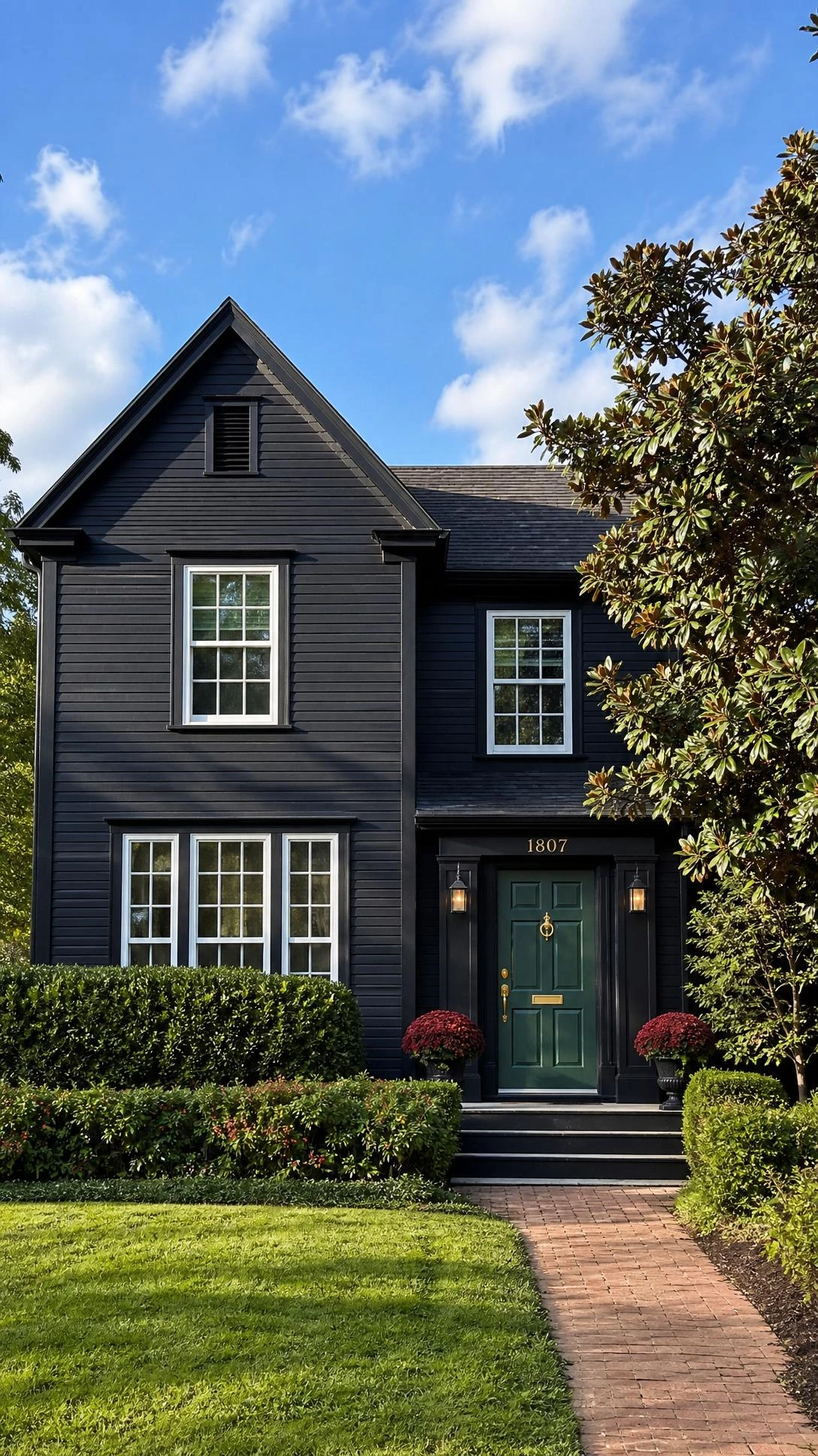
Going dark on a house exterior is one of those ideas that sounds risky until someone sees it done and immediately wants it for their own place.
Charcoal gray, deep navy, and near-black shades like Sherwin-Williams Urbane Bronze add a sleek, grounded look that makes surrounding landscaping pop by contrast.
The key detail most people miss is that dark paint needs clean trim in white or cream to keep the front of the house from feeling heavy and closed off.
Sleek wood accents and a streamlined railing work especially well with this palette on hillside or split-level homes.
Neighbors will ask about it, which sounds like a small thing but is actually a decent benchmark for whether a curb appeal change actually worked.
5- Black Shutters and Matching Exterior Lighting
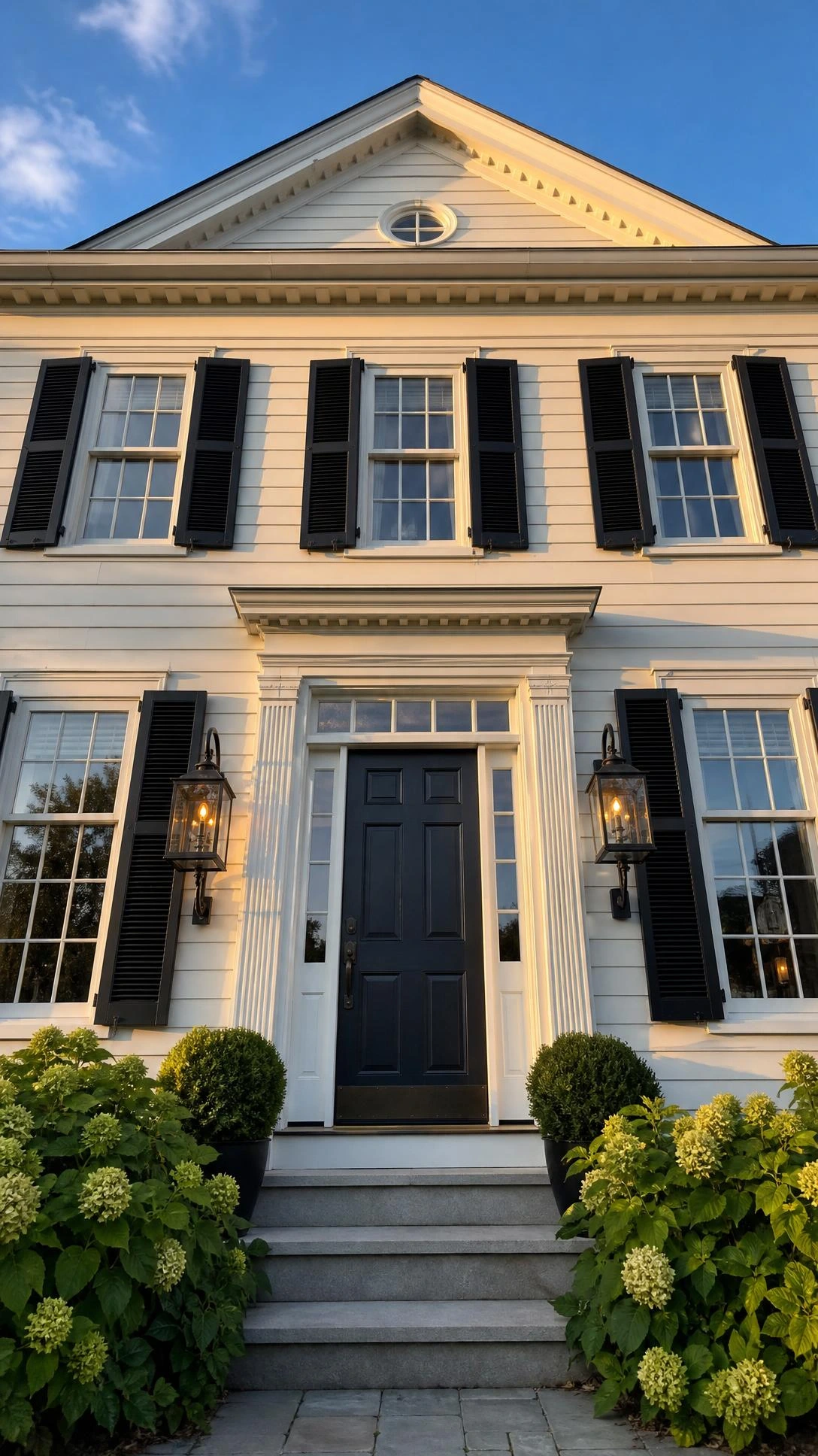
Mismatched shutters and light fixtures are one of the most common reasons a house front looks unfinished even when everything else is fine.
Black shutters create a clean contrast against white, gray, or greige siding and pull the exterior together in a way that reads as intentional from the street.
Pairing them with classic black lantern-style exterior lights locks in the whole look and makes both elements feel like they were planned together from the start.
This is the kind of subtle change that people drive past and notice without being able to name exactly what looks different.
Shutters on a standard double-hung window run about 30 to 80 dollars each depending on material, which makes this one of the more affordable items on the list.
6- Copper or Brass Lanterns for Warmth and Contrast

Not every exterior makeover needs to go dark and modern, and copper or brass lantern fixtures are proof of that.
They add warmth, a sense of age, and a handsome contrast against brick or painted siding that black fixtures sometimes cannot quite achieve.
On a classic brick home or a Colonial-style front porch, a pair of copper wall lanterns on either side of the door changes the whole character of the entrance.
The natural patina that develops over time actually makes them look better rather than worse, which is always a nice surprise in a world where most exterior hardware just fades.
Rejuvenation and Visual Comfort both carry solid options in the 80 to 200 dollar range that hold up in most climates without heavy maintenance.
7- A Gravel Path or Paving Stone Walkway to the Front Door
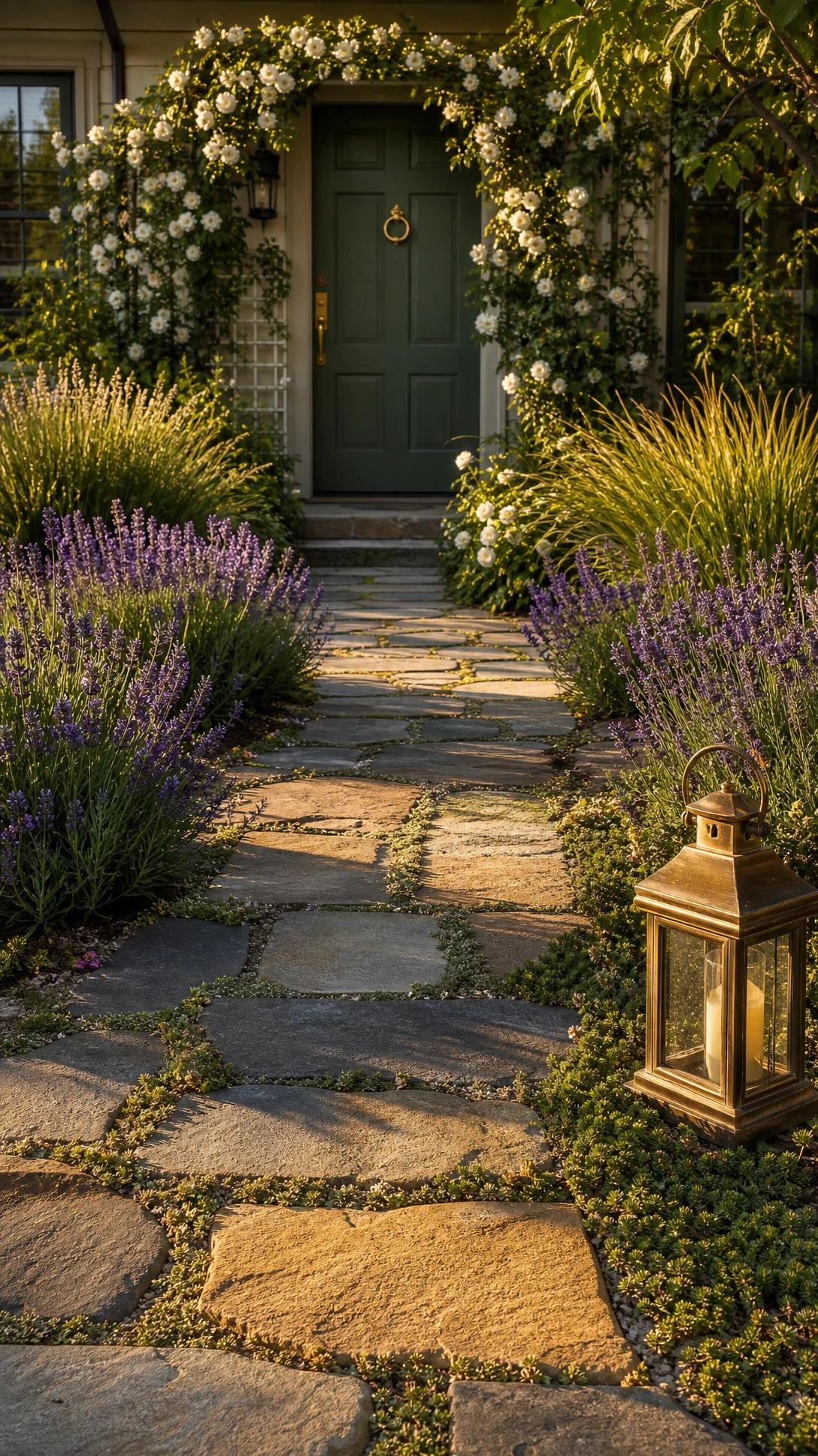
A cracked concrete path or an unmarked stretch of lawn between the driveway and the door is one of those things that reads as unfinished even when everything else looks good.
A defined walkway, whether gravel, paving stones, or flagstone, creates a clear sense of arrival and adds structure to the front yard without requiring major landscaping work.
Pea gravel is one of the most affordable options and works well in cottage or relaxed garden-style settings, while large square paving stones lean more modern and clean.
Adding low solar path lights along the edges makes the whole thing work at night too, which matters more than people realize for both safety and atmosphere.
The path does not need to be wide to make an impact, and even a 24-inch-wide clean-edged walkway does the job.
8- Tidy Boxwoods and Low-Maintenance Foundation Planting
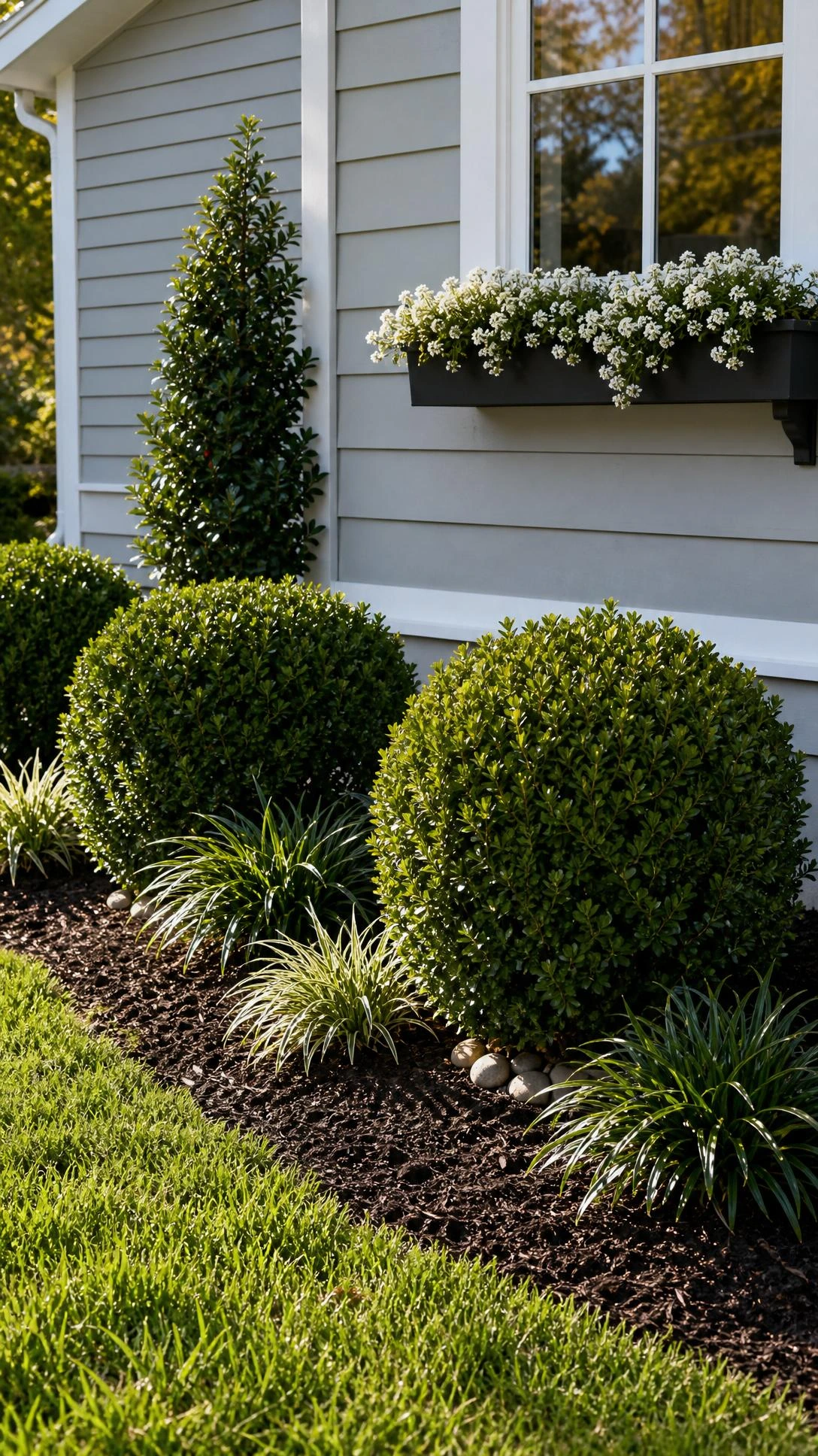
Overgrown shrubs against a house front are one of the fastest ways to make a property look neglected even if the house itself is in great condition.
Pulling out whatever scraggly thing has been there for fifteen years and replacing it with tidy boxwoods mixed with a few hydrangeas or rosebushes is a classic move that holds up season after season.
The goal is planting that frames the house rather than competing with it, so keeping things low and full along the foundation and saving height for corners works better than most people expect.
This kind of planting update is what makes a house look like someone thought about it, which is most of what curb appeal actually is.
Green Giant arborvitae at the corners and low dwarf boxwoods across the front is a combination that works on almost any traditional home style.
9- Opening Up or Refreshing the Front Porch
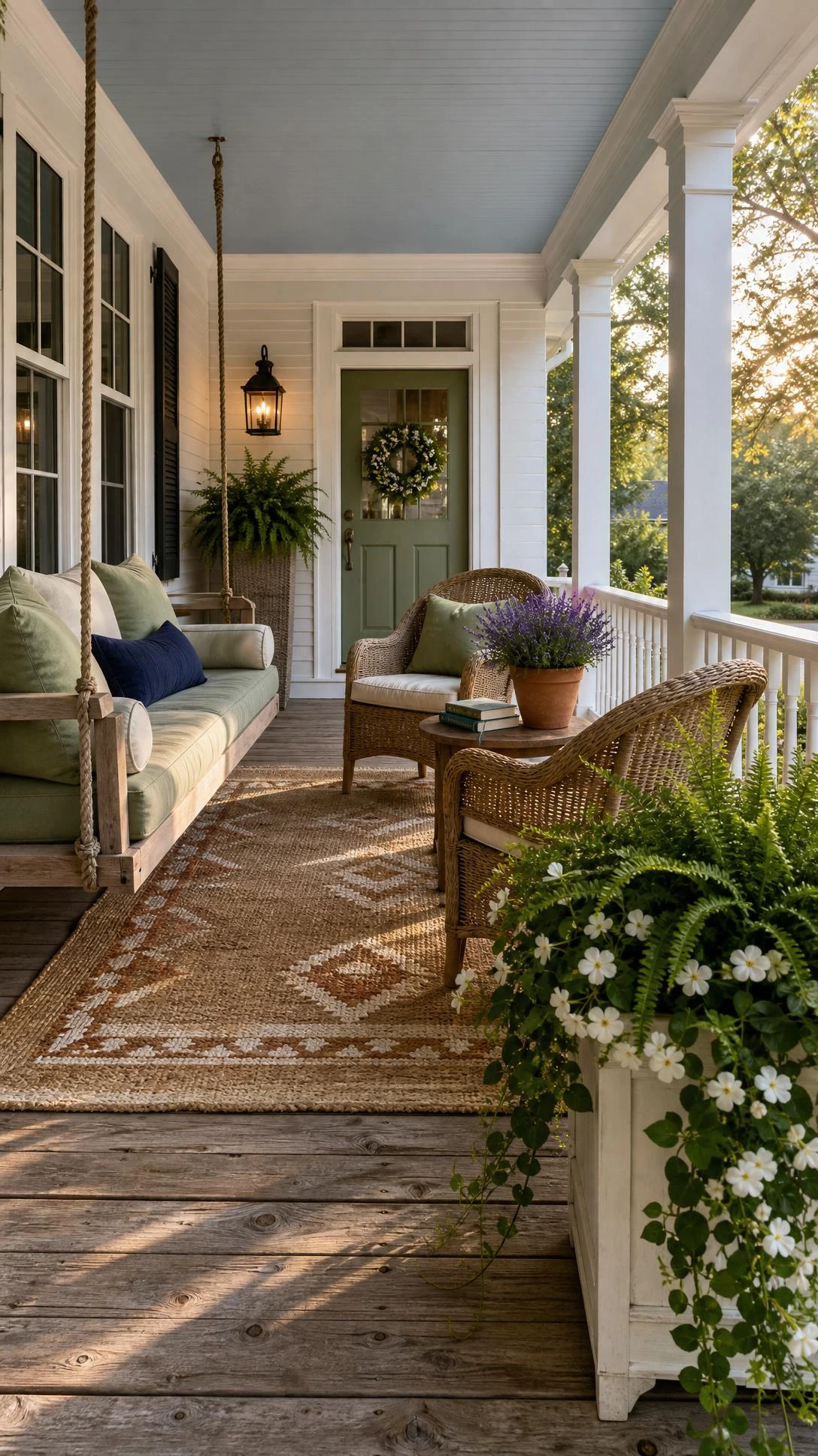
A front porch that feels closed off, cluttered, or dark is a missed opportunity because a good porch is one of the fastest ways to make a house feel welcoming from the street.
Sometimes opening it up just means removing old railing that does not need to be there, replacing a dated ceiling fan, or painting the porch ceiling that classic haint blue, which reads beautifully in photos and in person.
Adding one or two rocking chairs, a small side table, and a potted plant in a large concrete or ceramic planter can take a porch from ignored to the best part of the front exterior.
The porch ceiling paint color matters more than people think, and light blue or pale gray bounce light back down in a way that makes the whole space feel airier.
Most porch refreshes land under 500 dollars when the bones are already solid and just need some attention.
10- Adding Dormers for a More Custom Roofline
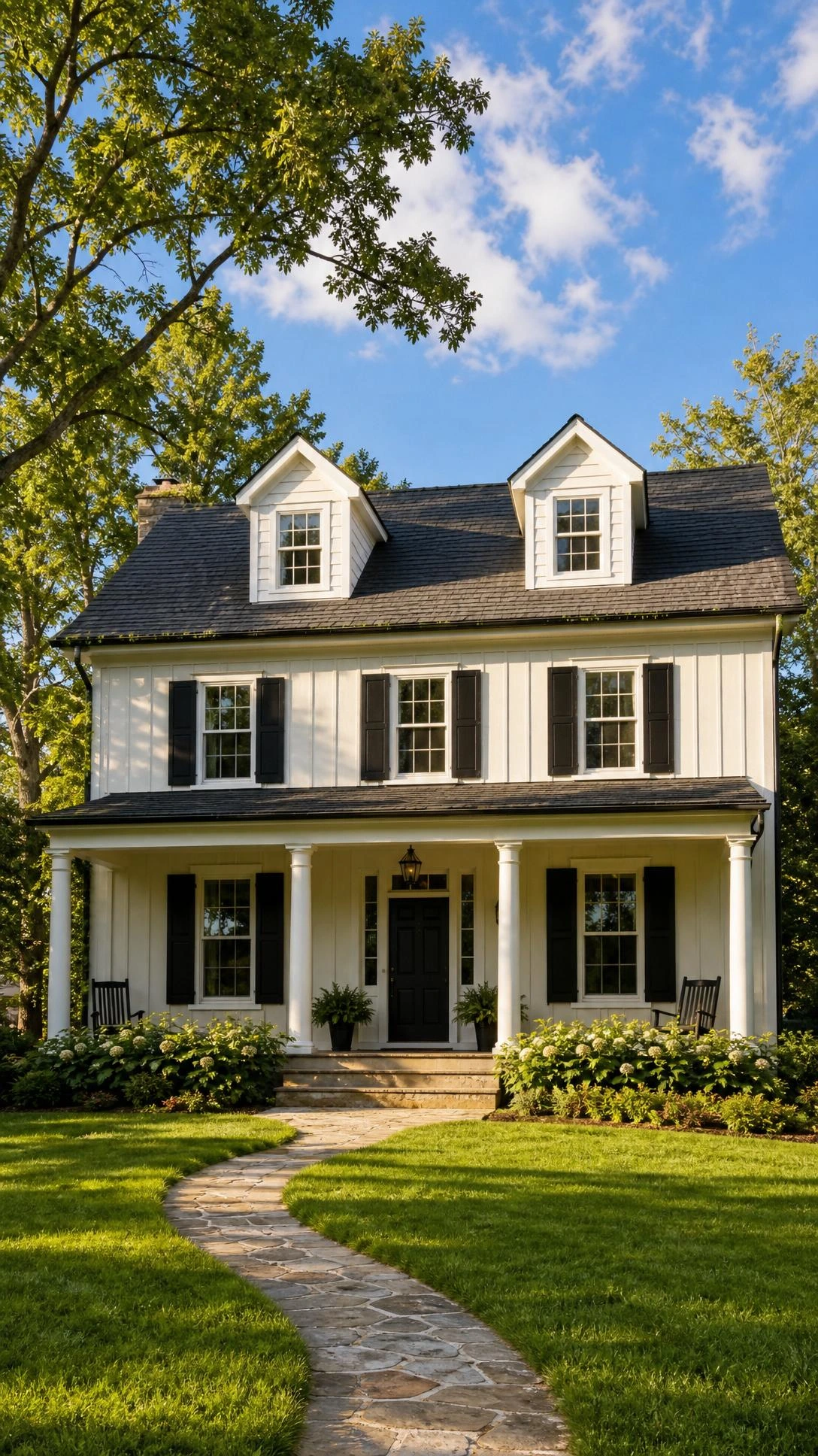
A flat or unbroken roofline is one of the things that makes builder-grade homes look unfinished or plain even when everything at ground level looks fine.
Adding dormers is a bigger project than most of the others on this list, but the before and after difference is the kind that makes a house look like a completely different property.
Shed dormers and gabled dormers both add architectural interest and natural light to upper floors while giving the exterior a more custom, considered look from the street.
This works best on Cape Cod, Craftsman, and traditional two-story homes where the roofline is already a prominent visual feature.
The cost sits anywhere from 3,000 to 10,000 dollars or more depending on size and structure, so it is a planned investment rather than a weekend project.
11- Symmetrical Planters Flanking the Front Door or Garage
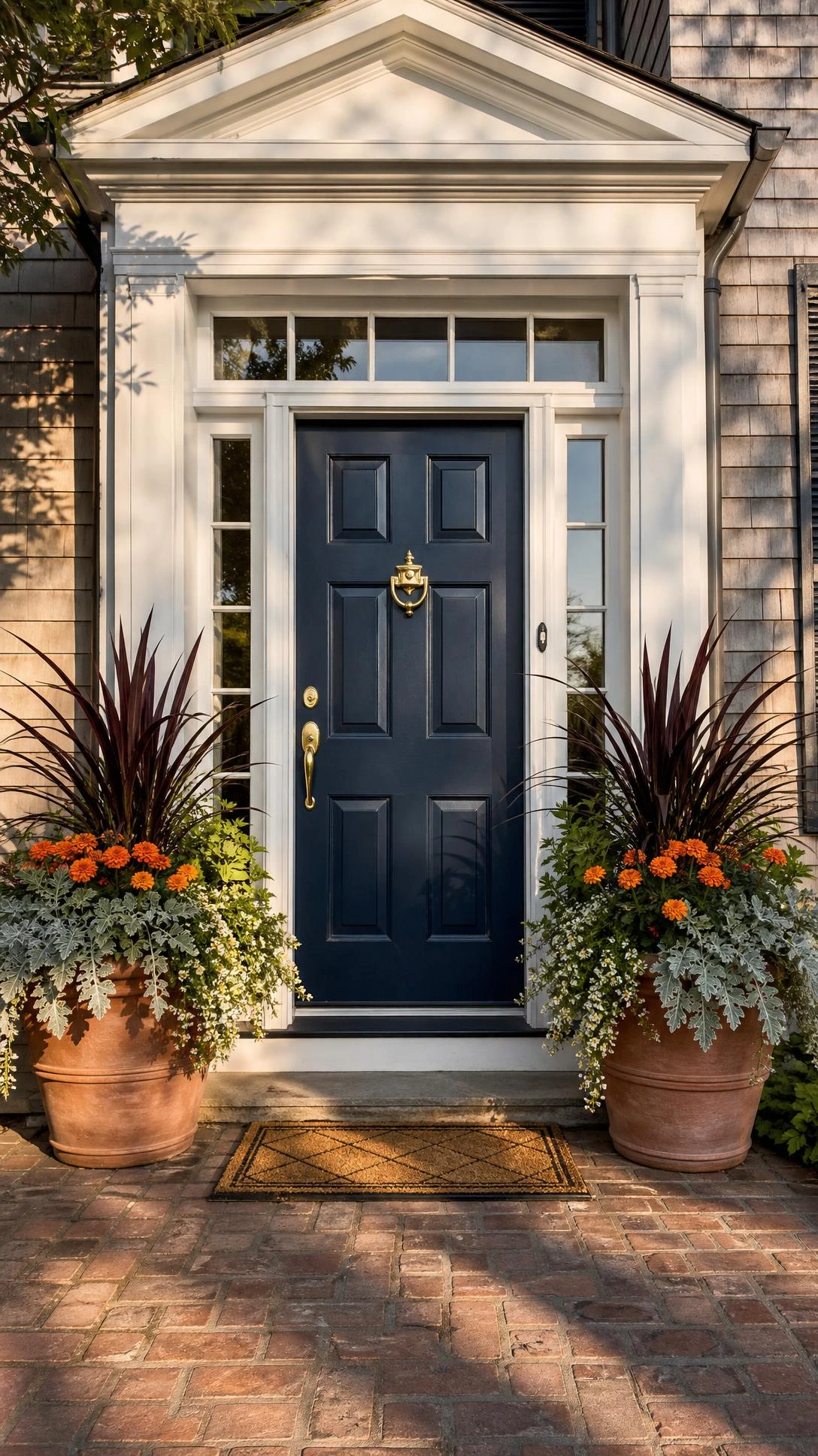
Symmetry is one of those things that reads as polished almost automatically, and a pair of matching planters on either side of a front door or garage does a surprising amount of work.
Tall concrete or fiberglass planters with a simple upright evergreen like a spiral topiary or ornamental grass create year-round structure without needing to be replanted every season.
For a more seasonal look, a classic combination of thriller, filler, and spiller plants in a 16 to 20 inch planter keeps things full and layered from spring through fall.
The planters themselves should be proportionate to the door or garage opening, so oversized planters next to a narrow door look off, and tiny ones next to a double garage disappear entirely.
Matching the planter color to the door hardware or light fixtures is a small detail that ties everything together without making it feel overthought.
12- Replacing Old Columns With Larger Tuscan or Craftsman Versions
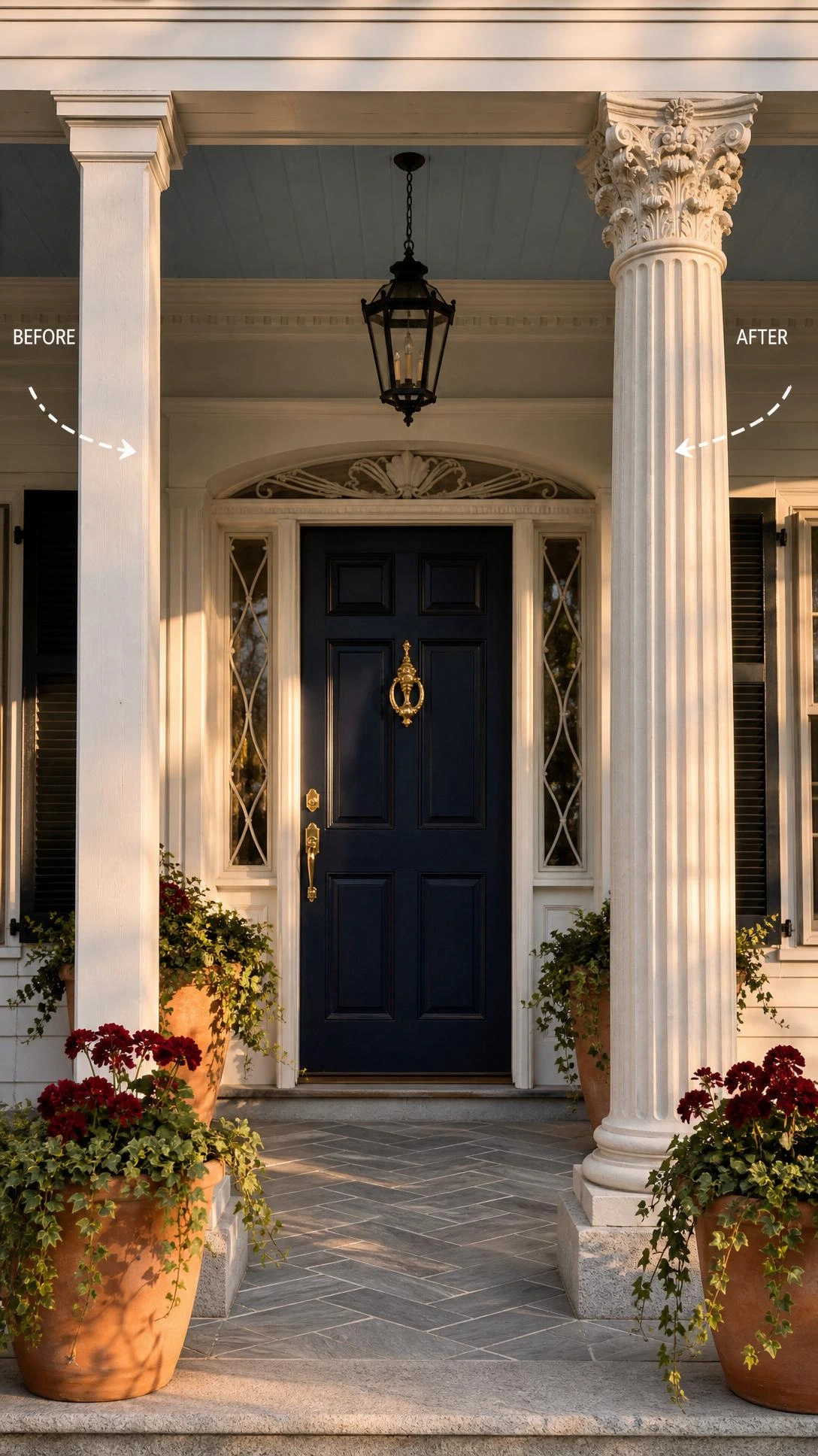
Thin, spindle-like porch columns are one of those details that make a porch look unfinished and almost temporary, even on an otherwise solid house.
Swapping them for larger, wider-set columns in a Tuscan or Craftsman style immediately changes the proportion of the porch and makes the whole front facade look more substantial.
The enlarged archway over the entrance that often comes with a column upgrade adds to that effect, and the combination of the two is what makes some before and after exterior home makeover photos look like the house doubled in character.
Fiberglass columns are the practical choice here because they do not rot, paint easily, and hold their shape through temperature changes better than wood.
A set of four porch columns typically runs between 400 and 1,200 dollars depending on size and material, with installation adding to that depending on the project scope.
13- Landscape Lighting Installed Along Paths and Around Trees
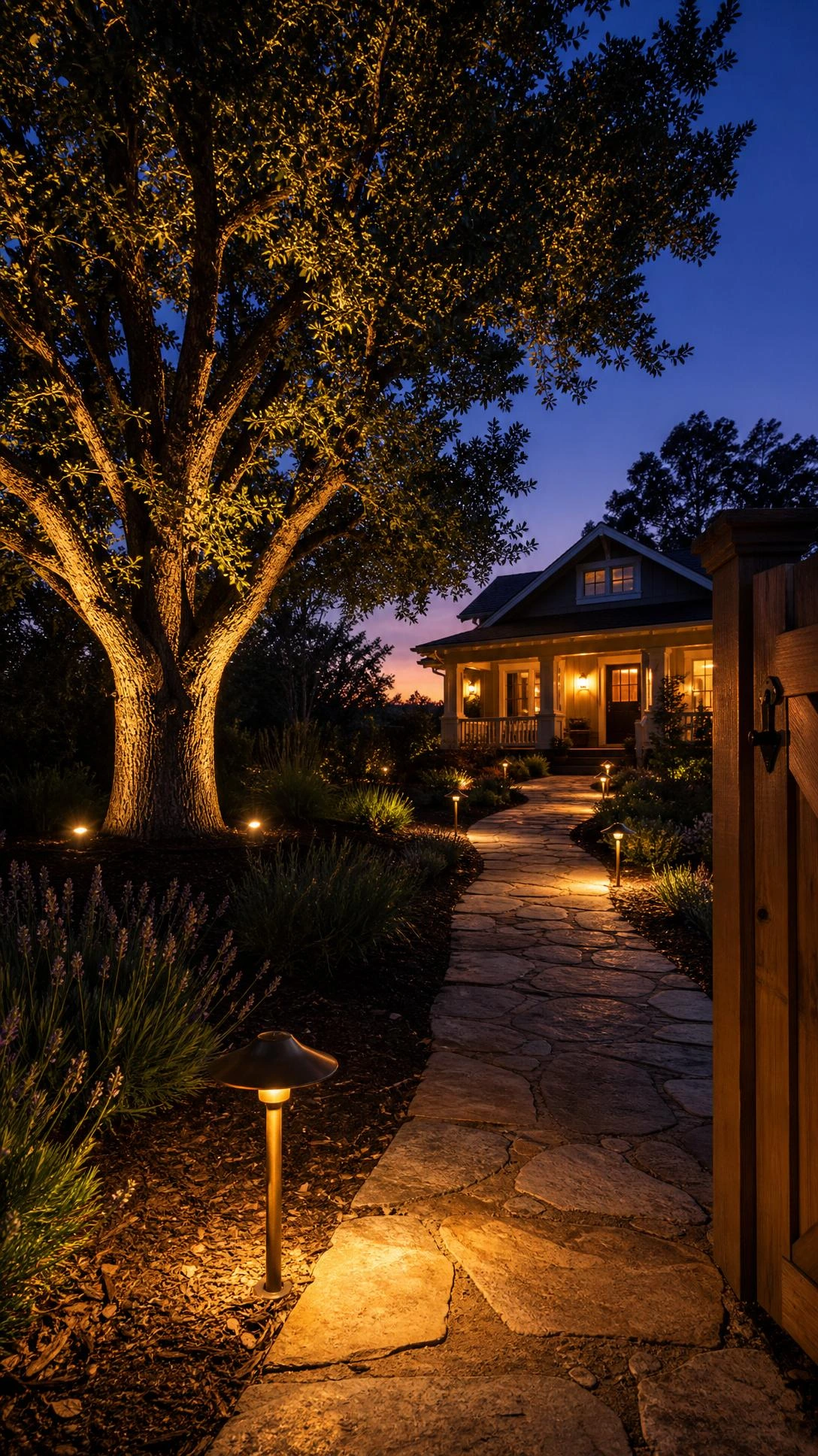
Most houses look completely different after dark, and not in a good way, because nobody thought about what happens when the sun goes down.
Landscape lighting along a front path and uplighting aimed at mature trees or the facade itself makes the exterior look intentional and considered even at 9pm on a Tuesday.
Low-voltage LED path lights from brands like VOLT or Kichler run around 15 to 40 dollars per fixture and can be installed without an electrician using a simple transformer kit.
Uplighting a single large tree in the front yard has an outsized impact on how warm and welcoming the property looks from the street at night.
This is one of the few exterior updates that works on its own and also amplifies every other change already made, which makes it a strong finishing layer rather than an afterthought.
Small Exterior Changes That Add Up to Something Real
None of these ideas require a full renovation or a budget that feels out of reach.
Most of the biggest visual shifts in a before and after exterior home makeover come from a small number of very specific changes, done well, that work together rather than competing.
The house that looked tired last season can look completely different with fresh paint, better lighting, and planting that actually frames the front instead of swallowing it.
Start with one thing that has been quietly bothering you every time you pull into the driveway, because that is usually the right place to begin.

Hi, I’m Alizabeth, the creator of Pretty Home Hacks. I share practical home decor ideas, easy DIY projects, organization tips, and budget-friendly ways to make your home feel more beautiful and functional. From small room updates to everyday home hacks, my goal is to share approachable ideas you can actually use in your own space.