
10 Luxury Drawing Room Design Ideas That Work in Homes That Are Not Actual Mansions
Drawing rooms have this reputation for being a very specific kind of space that only exists in very specific kinds of homes, the kind with actual staff and a separate wing for guests.
Most people scroll past luxury drawing room design ideas assuming none of it will scale down without looking sad or try-hard in a regular sized living room.
The frustrating part is that the gap between an expensive looking drawing room and a regular one is almost never about square footage.
It is usually about a few deliberate choices made in the right spots, and once someone starts paying attention to those details, the whole room shifts pretty quickly.
These ten ideas actually work in homes where the drawing room is also the place the dog sleeps and the Wi-Fi router lives on the bookshelf.
1- Velvet Sofa in a Deep Jewel Tone
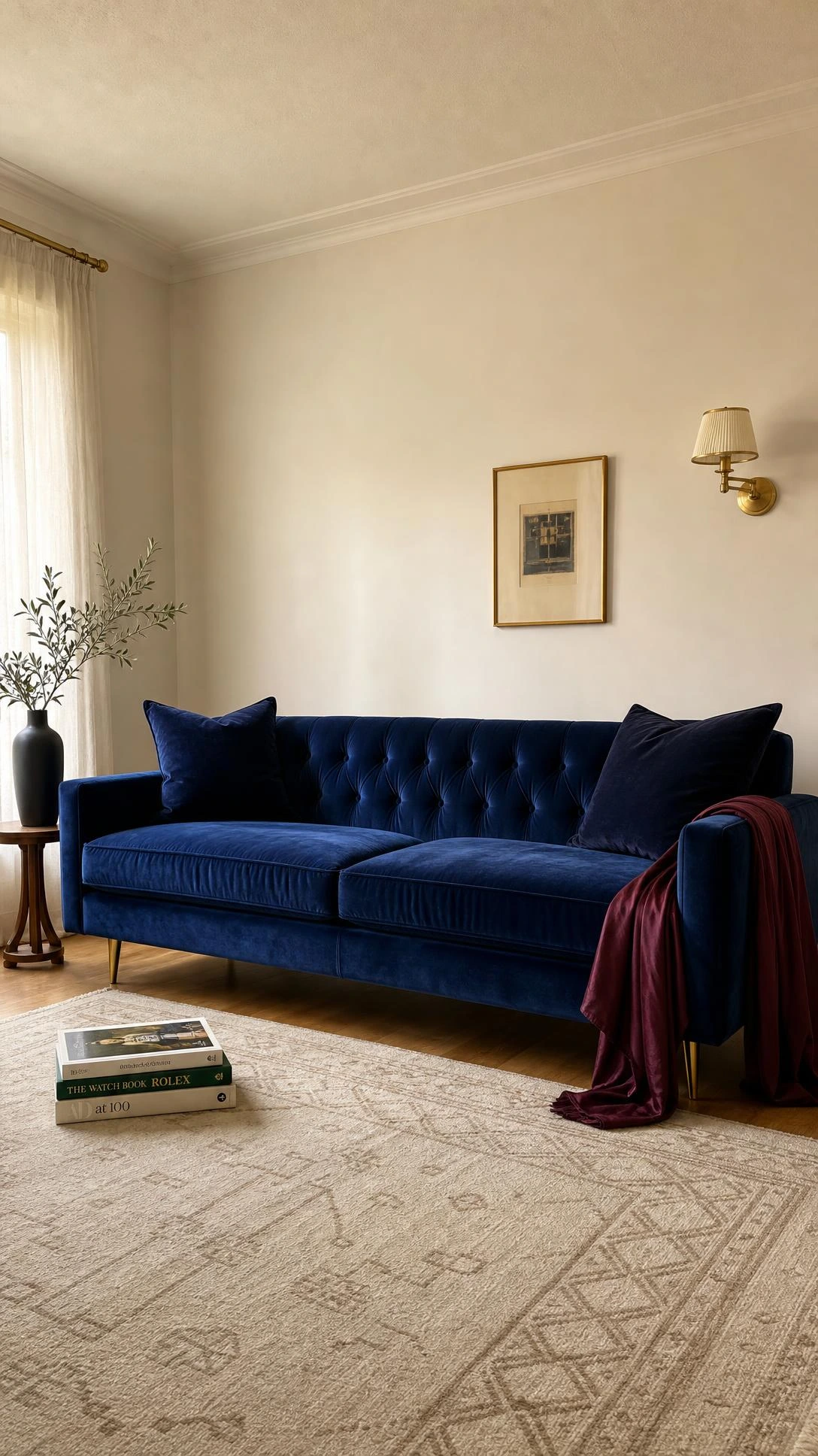
Nothing reads as luxury faster than a velvet sofa, and the reason it works so well is that the fabric itself does most of the heavy lifting before anything else in the room is considered.
A deep teal, forest green, or burgundy velvet sofa in a room that is otherwise fairly neutral immediately anchors the space with a sense of intention.
The key is going for a sofa with a low profile and clean lines rather than something overly ornate, because simple silhouettes in rich fabric look more expensive than fussy ones in cheap fabric.
A three seater in deep sapphire blue from a mid-range furniture brand like Article or West Elm typically runs between $900 and $1,800, which is a lot less than a full room renovation but makes about the same visual impact.
Most rooms actually look more pulled together just from this one swap, which is always a nice surprise when the rest of the room has not changed at all.
2- Layered Lighting With Three Different Sources
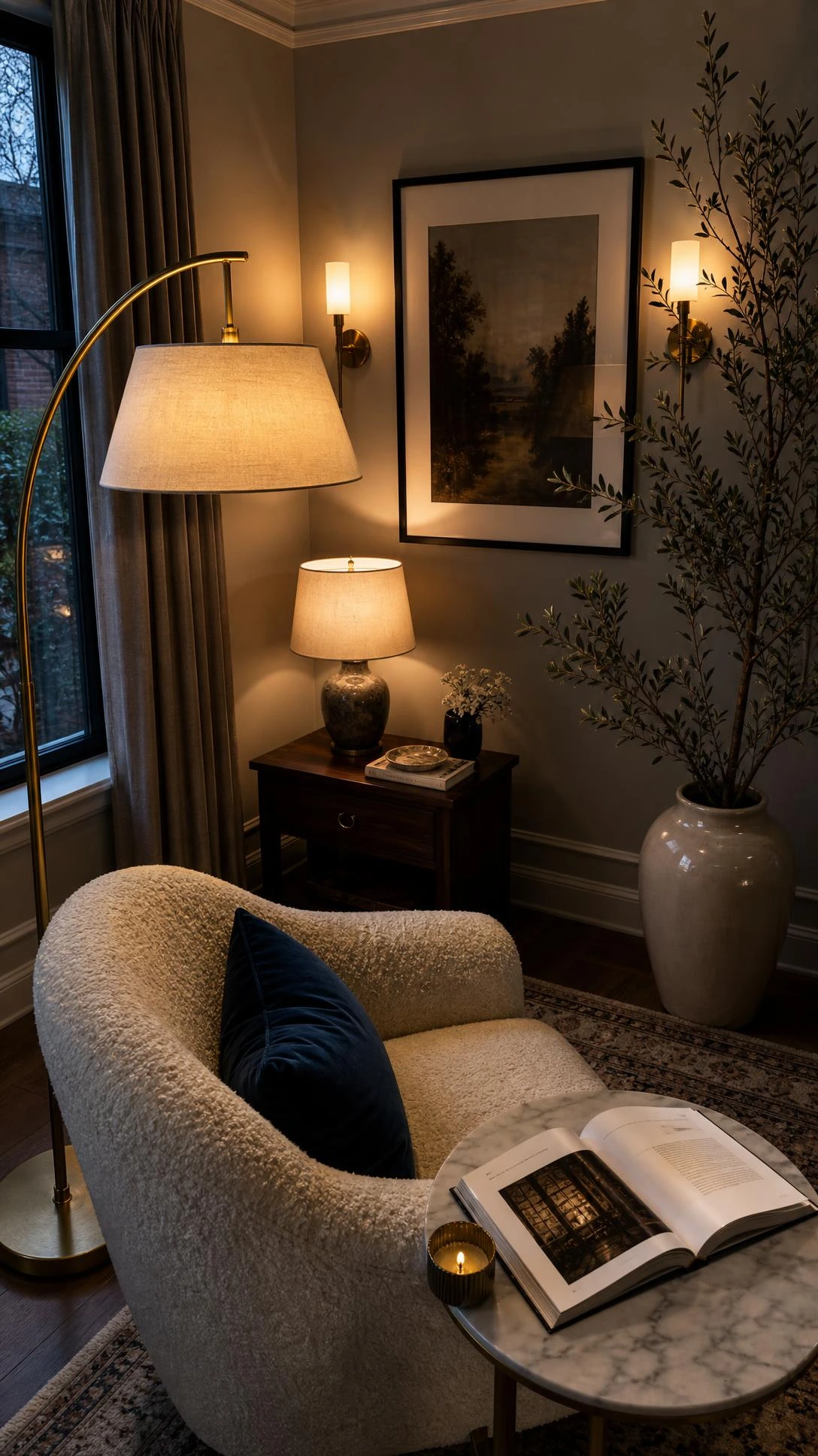
Single overhead lighting is probably the quickest way to make a drawing room feel like a waiting room at a dentist’s office, and most homes are running on exactly that setup.
Luxury drawing room design almost always uses three layers of light: ambient, which fills the room, accent, which highlights specific areas, and task, which serves a functional purpose like reading.
A chandelier or a sculptural pendant handles the ambient layer, a pair of table lamps on either end of the sofa handles the task layer, and one or two wall sconces or a picture light over artwork handles the accent layer.
Warm bulbs in the 2700K to 3000K range make every texture in the room look richer and more considered, which sounds like a small detail but genuinely changes how the whole space feels at night.
Dimmable switches on at least the ambient layer give the room a completely different personality depending on whether people are having a dinner party or watching something on a Sunday afternoon.
3- One Large Scale Piece of Wall Art
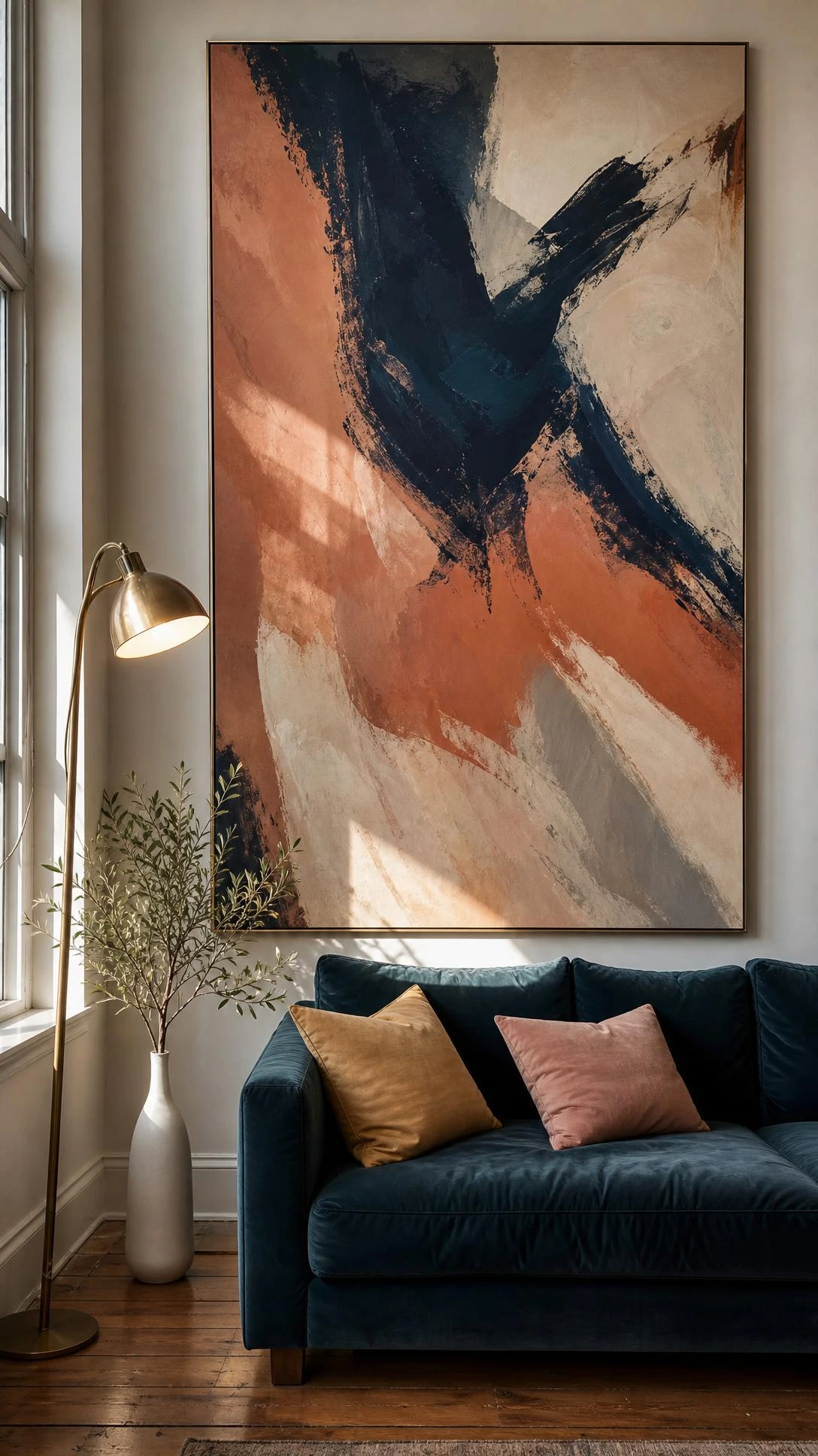
Gallery walls are everywhere right now, and they can look great, but a single oversized piece of art on one wall is what actually reads as a luxury drawing room choice.
The scale matters a lot here because a piece that is too small for the wall it is on will always look like an afterthought rather than a decision.
A good rule of thumb is that the artwork should fill roughly two thirds of the wall width above the sofa, which for most standard sofas means a canvas or print that is at least 50 to 60 inches wide.
Abstract originals from emerging artists on Etsy or Saatchi Art can be found in the $200 to $600 range and look just as considered as something from a gallery when framed and hung at the right height.
Hanging art so the center sits at eye level, around 57 to 60 inches from the floor, is one of those details that immediately makes the whole wall look more deliberate.
4- High Contrast Curtains Floor to Ceiling
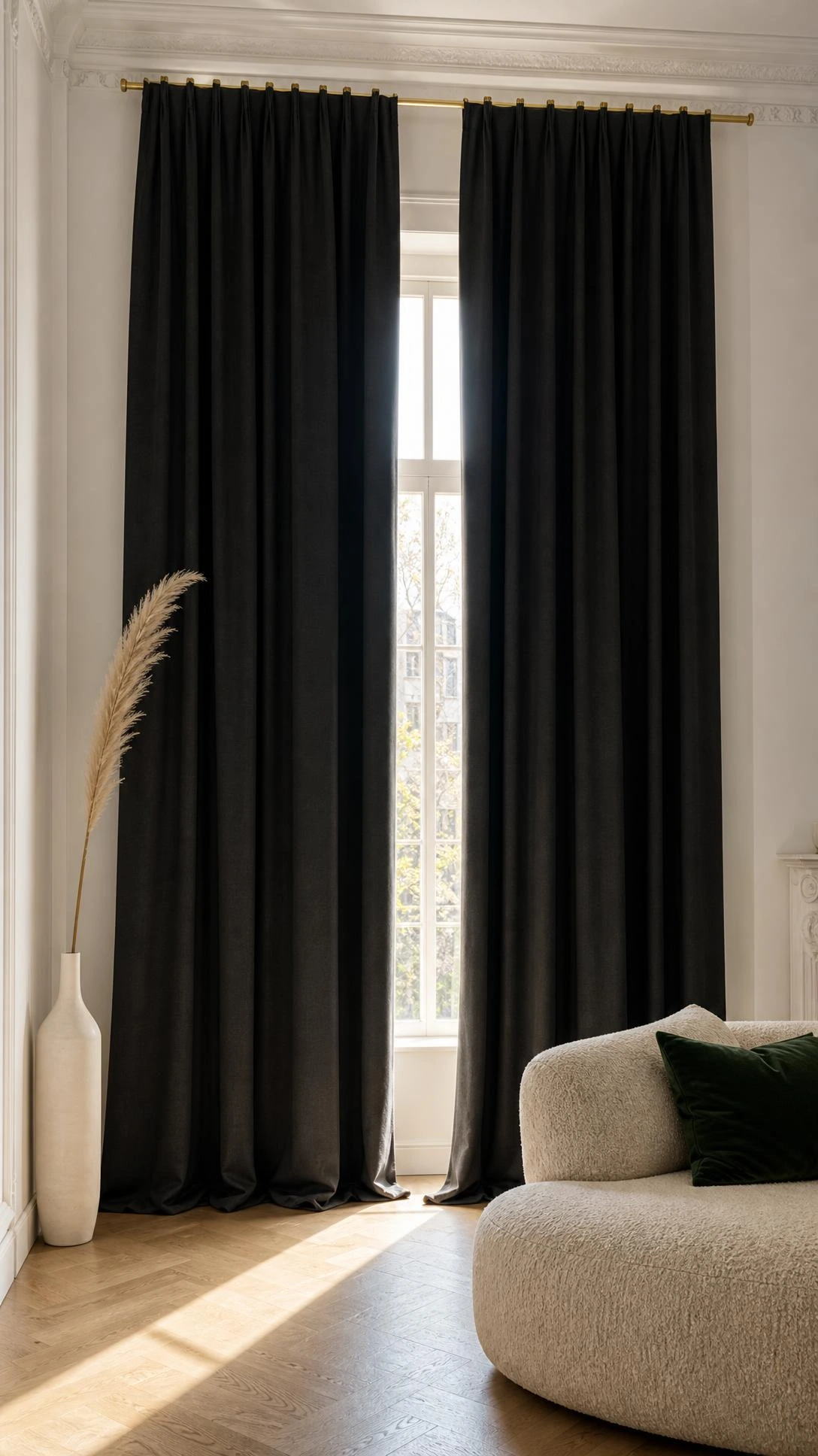
Most people hang curtains just above the window frame, and it makes the ceilings feel lower and the windows feel smaller without anyone quite realising why the room feels off.
Hanging curtain rods as close to the ceiling as possible and letting the panels fall all the way to the floor is one of the easiest luxury drawing room tricks that costs almost nothing extra.
Curtains in a slightly darker shade than the walls, like charcoal linen in a room with warm grey walls, or deep ivory in a white room, add that subtle contrast that makes the space feel layered rather than flat.
Floor to ceiling curtains on a standard 9 foot ceiling can be achieved with IKEA SANELA or H&M Home panels in the $80 to $150 range per pair, which is a very small investment for something that changes the entire vertical feel of a room.
The goal is just to make the ceiling feel higher and the windows feel like a feature rather than an afterthought, and this approach does both at once.
5- A Statement Coffee Table That Is Not Wood
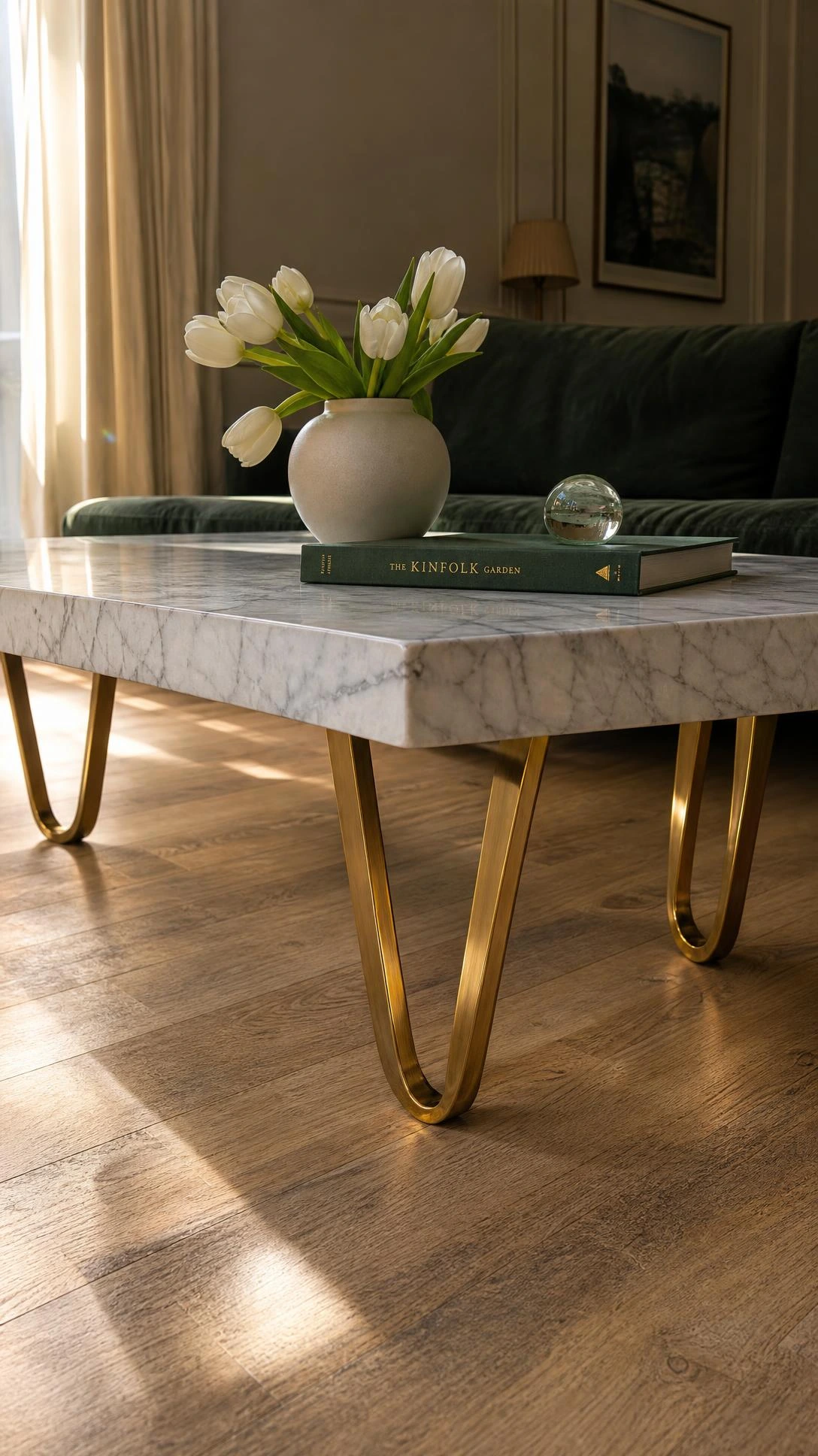
Wooden coffee tables are perfectly fine and they are in approximately every home on the planet, which is also kind of the problem when trying to create a drawing room that feels distinct.
Switching to a coffee table in marble, travertine, glass, or lacquered stone immediately gives the room a different register without requiring anything else to change.
A round travertine coffee table in the $300 to $700 range from brands like CB2, Wayfair, or Anthropologie sits at that intersection of material richness and accessible price that makes the whole room feel like a bigger budget was involved.
The round shape works particularly well in smaller drawing rooms because it softens the layout and allows easier movement around the seating area without that sharp corner situation.
I think the material choice here matters more than almost any other furniture decision in a drawing room, because it is the piece people interact with most and look at constantly.
6- Architectural Wall Moulding or Panelling
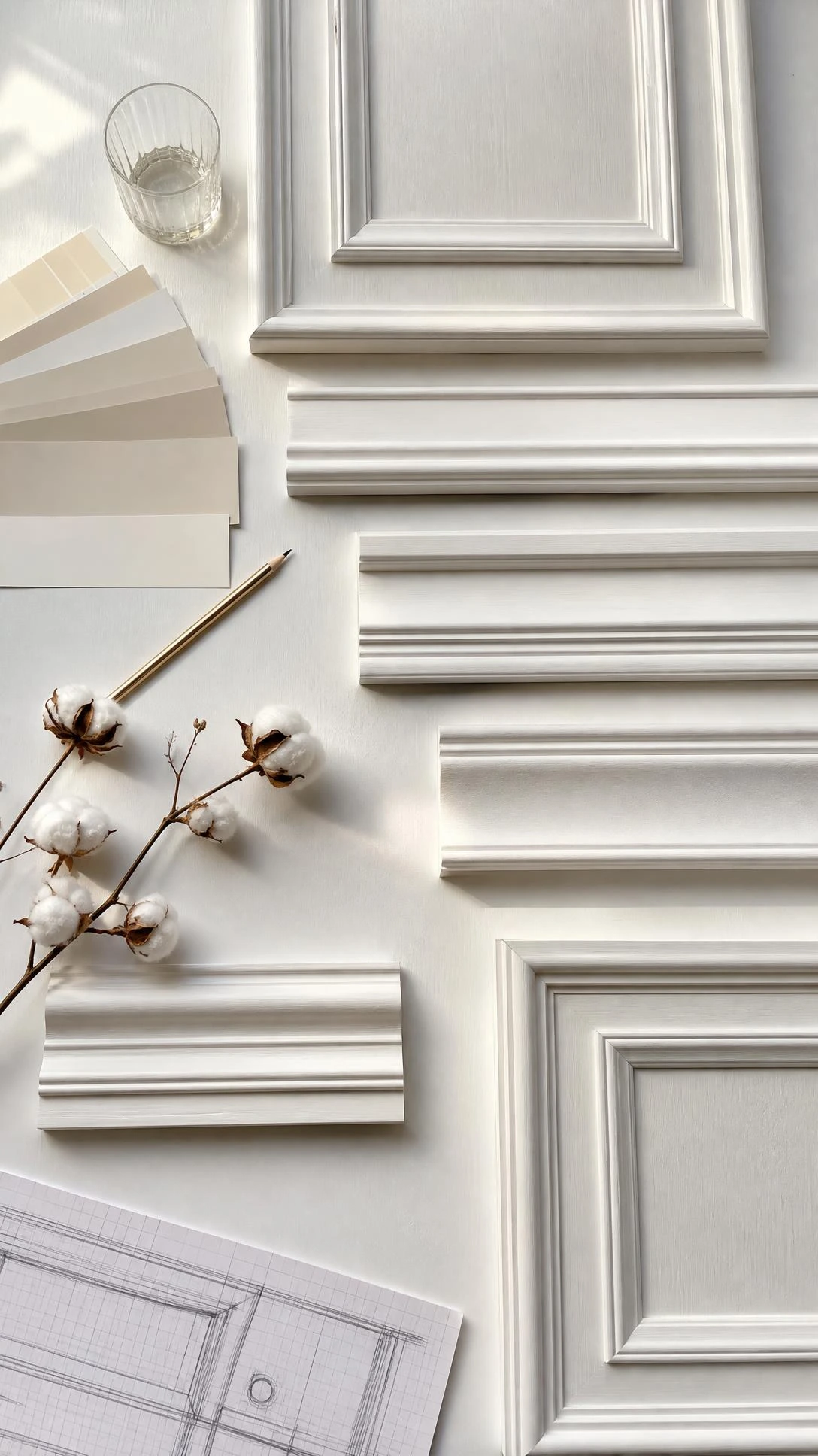
Wall panelling is one of those details that makes people walk into a room and assume a lot of money was spent, even when the actual cost is surprisingly manageable.
DIY picture frame moulding using inexpensive trim from a hardware store, applied in a grid pattern and painted the same colour as the wall, creates that Haussmann apartment look for roughly $100 to $200 in materials for one feature wall.
The paint matching is important because panelling that is a different colour from the wall reads very differently than panelling that blends into the wall, and the monochrome version is the one that looks expensive rather than craft-project.
A warm off-white like Benjamin Moore White Dove or Farrow and Ball Cornforth White works particularly well because it gives the moulding enough shadow to show depth without going stark or cold.
This is one of the luxury drawing room design ideas that most people assume requires a contractor but actually works as a weekend project with a miter saw rental and some patience.
7- A Curated Bookshelf Used as a Design Feature
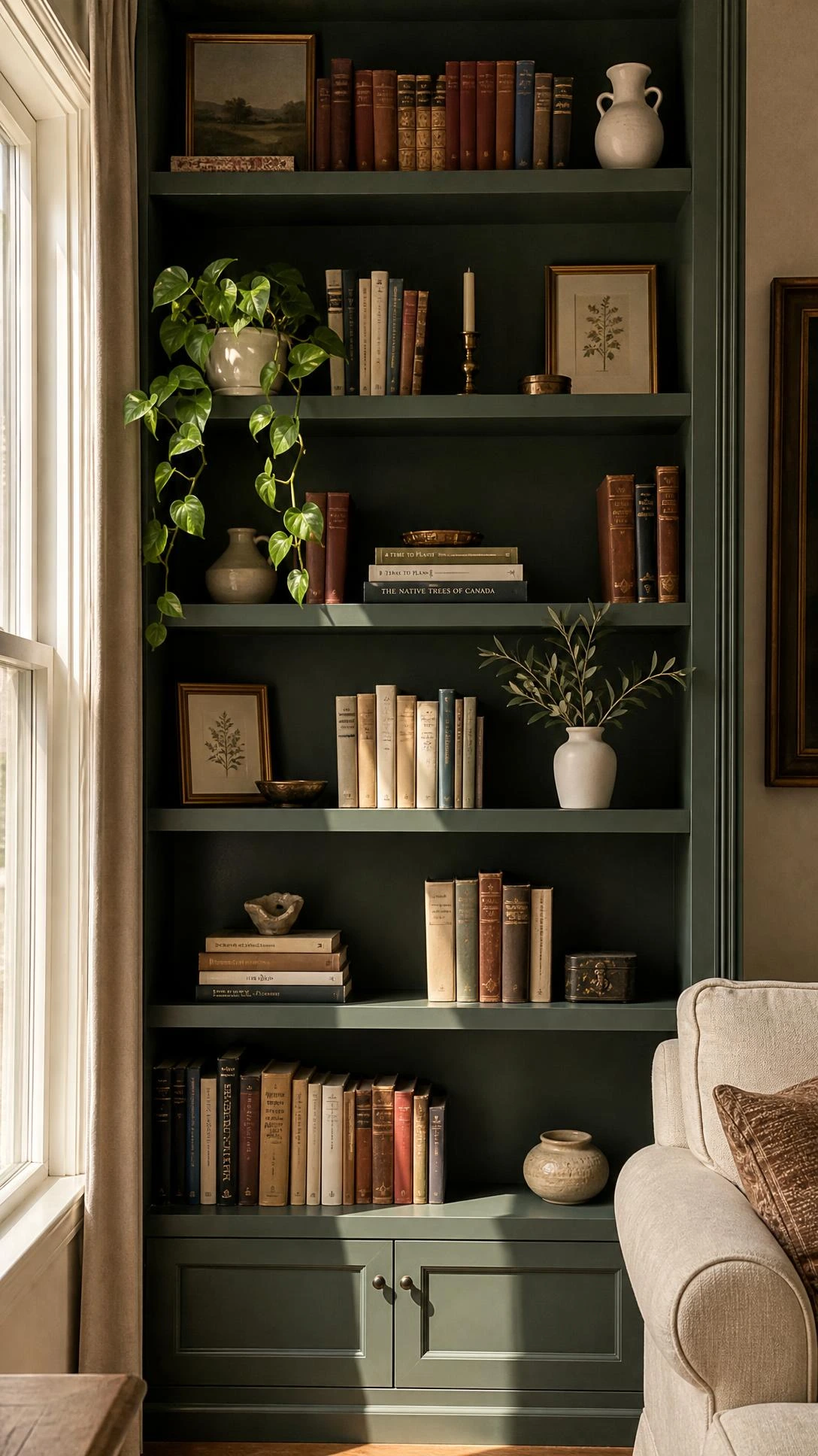
Bookshelves in drawing rooms often become the place where everything without another home ends up, which is fine functionally but does not exactly read as a considered design choice.
Treating the bookshelf as a display surface rather than a storage surface, with a mix of books arranged by colour, a few meaningful objects, and some deliberate empty space, shifts the whole energy of that wall.
The colour-grouped book approach sounds fussy at first but takes about 20 minutes to do and makes a huge difference, especially in built-in shelving flanking a fireplace or TV wall.
Adding one or two larger sculptural objects, like a ceramic vase, a small bust, or a collection of stones, gives the eye a place to land between the books rather than just scanning a wall of spines.
The empty space is actually the part most people resist and should not, because negative space on a shelf is what separates a styled look from a storage look.
8- A Rug That Is Bigger Than People Expect
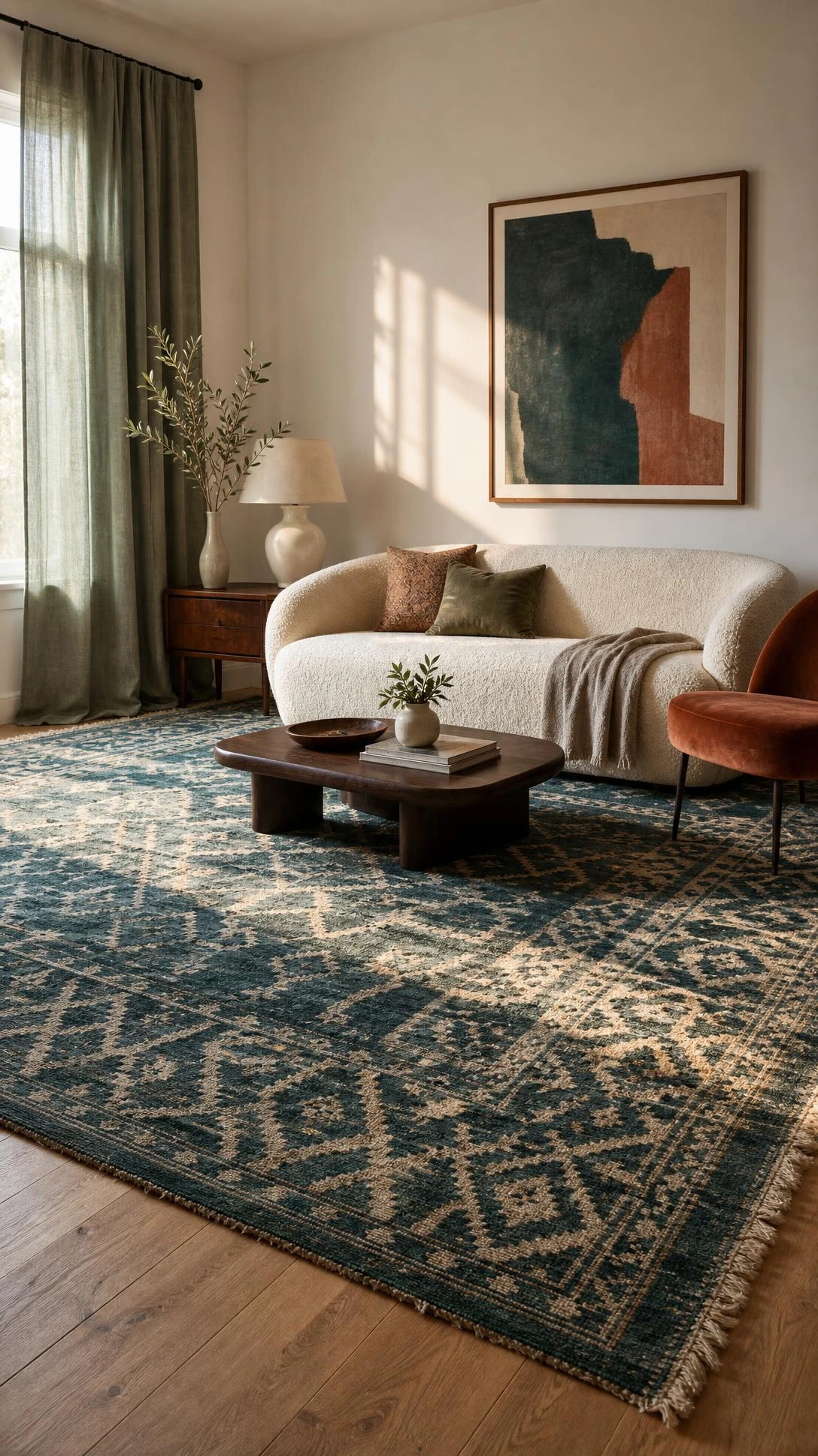
Small rugs are probably the most common mistake in drawing room design, and they happen because the smaller size looks proportional in the shop but completely wrong once all the furniture is in the room.
In a drawing room, the rug should be large enough that the front legs of every sofa and chair in the seating arrangement sit on it, which usually means going up at least one size from whatever feels like the obvious choice.
A 9×12 rug in a room that previously had a 6×9 rug makes the entire seating area look intentionally grouped and considered rather than furniture that happened to end up near each other.
A wool or wool-blend rug in a low pile, something like a Moroccan flatweave or a simple geometric in a warm neutral, grounds the room without competing with the other elements that are meant to stand out.
Rugs in that larger size can be found in the $400 to $900 range from Rugs USA or Loloi without sacrificing the quality that makes them look like they belong in the kind of room being aimed for.
9- Mixing Metal Finishes Intentionally
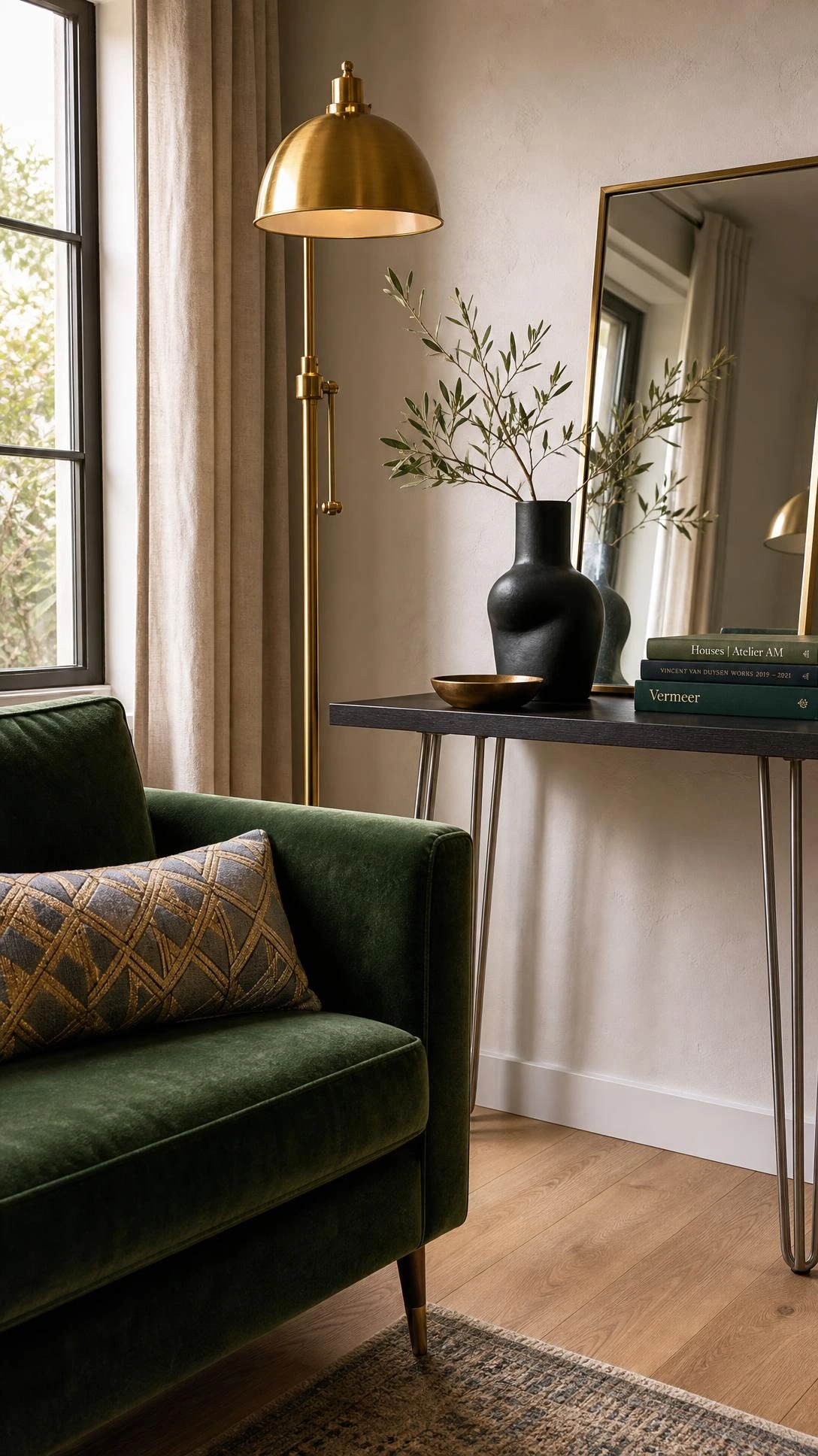
The old rule about keeping all metals matching throughout a room is one that most designers stopped following a while ago, and the rooms that ignore it tend to look more interesting because of it.
Mixing two metal finishes intentionally, like brushed brass for the lamp bases and matte black for the curtain rod hardware, adds that layered quality that makes a room feel collected rather than sourced all in one shopping trip.
The key word is intentionally, which means choosing the two finishes and repeating each of them at least twice in the room so it reads as a decision rather than an accident.
Warm metals like brass or bronze work well as the dominant finish in a drawing room because they pick up the light beautifully and add a richness to the room even in small doses like cabinet handles or candle holders.
Most people are surprised by how much this detail contributes to the overall sense that the room was designed rather than just furnished.
10- A Focal Point Fireplace Wall Even Without a Working Fireplace
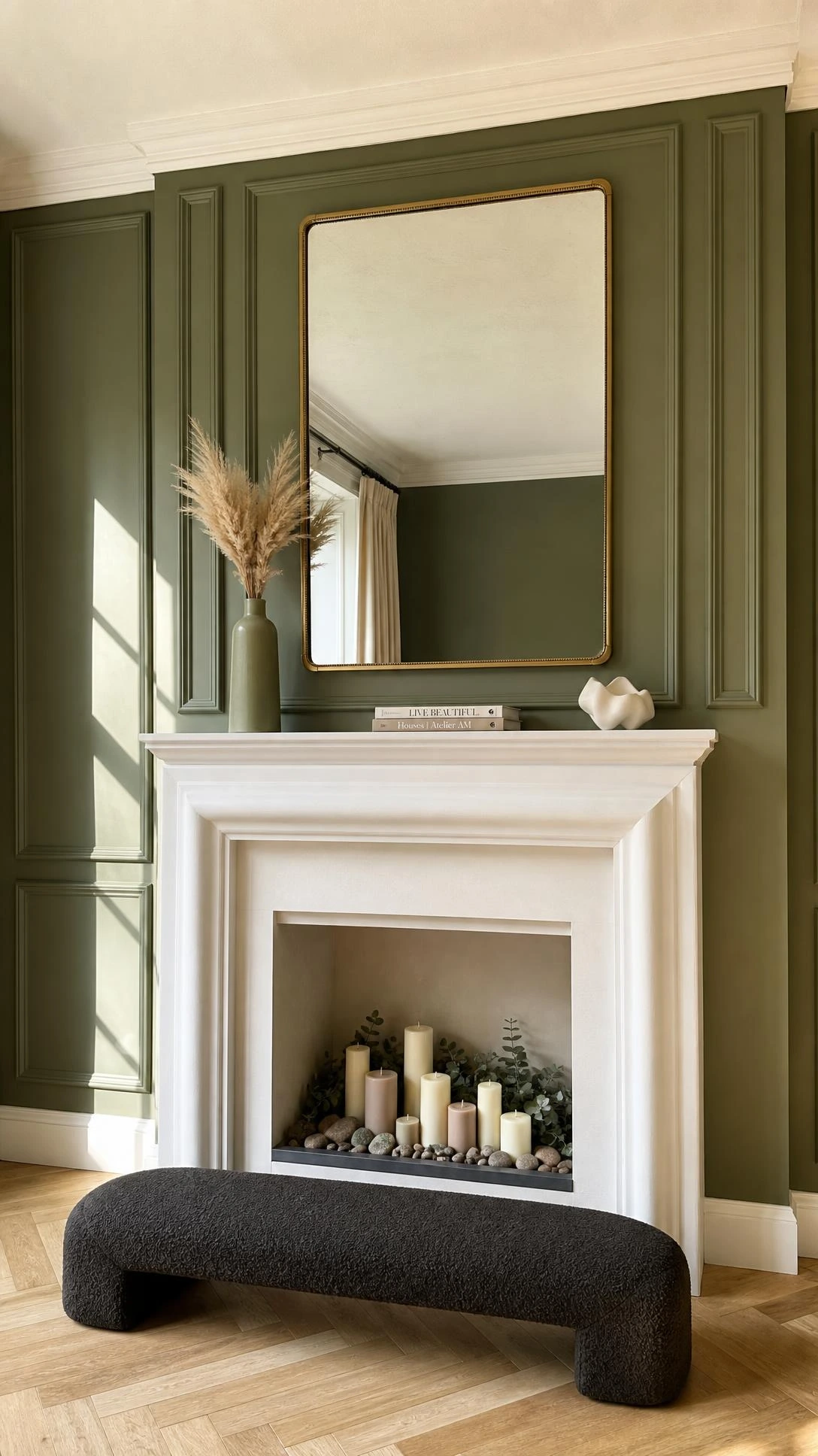
A real working fireplace is obviously lovely, but the rooms that use a fireplace wall as a design focal point do not actually need fire to achieve the effect.
An electric fireplace insert in a built or purchased surround, or even a decorative non-functioning fireplace structure, gives the drawing room the visual anchor that most luxury spaces rely on to organise the whole layout around.
Electric inserts with realistic flame effects from brands like Dimplex or Napoleon run between $300 and $800 and fit into a standard opening without any venting or structural work, which is a reasonable trade-off for what it adds to the room.
The surround itself is where the real design moment happens, especially when paired with a large mirror or artwork above it, flanked by symmetrical objects like matching candlesticks or small sculptures.
I think a fireplace wall done this way does more for the feeling of a luxury drawing room than almost any other single investment, because it immediately gives the room a sense of purpose and architecture.
Drawing Rooms That Feel Considered Without Costing a Fortune
None of these ideas require a renovation or a decorator on retainer.
Most of them are about material choices, scale, and placement rather than spending more money than the space is worth.
The luxury drawing room design ideas that translate best into normal homes are always the ones rooted in proportion and texture rather than size and price tags.
Pick two or three from this list that match what the room already has going for it, and the rest tends to follow from there.

Hi, I’m Alizabeth, the creator of Pretty Home Hacks. I share practical home decor ideas, easy DIY projects, organization tips, and budget-friendly ways to make your home feel more beautiful and functional. From small room updates to everyday home hacks, my goal is to share approachable ideas you can actually use in your own space.