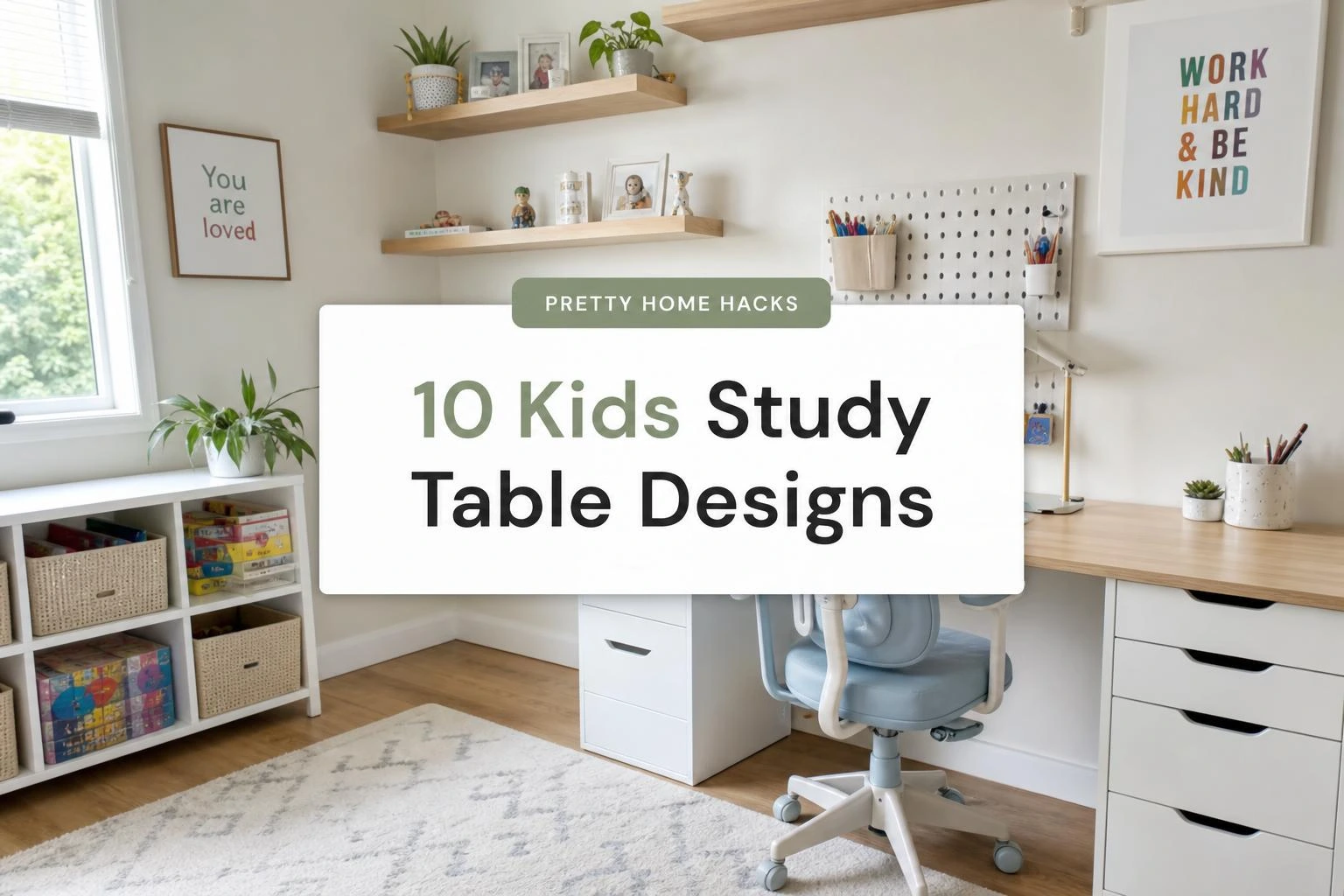
10 Study Table Designs for Kids That Make Homework More Fun and Organized
Getting kids to sit down and do homework is one of those daily negotiations nobody really warns you about before you become a parent.
The thing is, a lot of the resistance comes from the setup itself, not the kid, and once someone starts paying attention to that it changes everything.
Most people assume any desk will do, like a flat surface is a flat surface, but a study table design for kids that actually fits how they work makes a surprisingly big difference.
The right setup does not need to be expensive or complicated, it just needs to feel like a place they actually want to sit down.
These ten ideas cover a range of spaces, budgets, and kid personalities, so there is probably at least a few that feel doable right now.
1- The Window Nook Desk
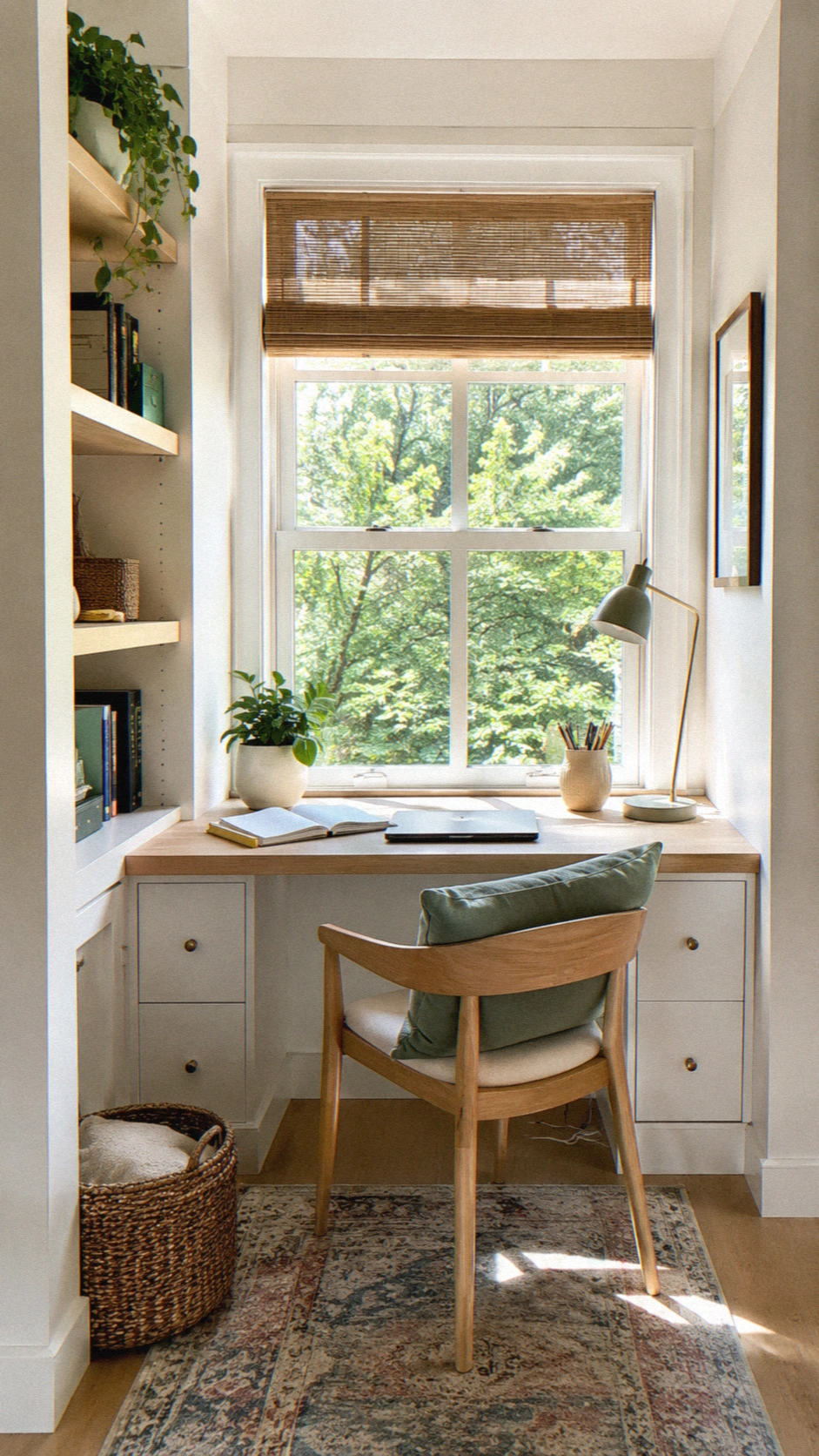
Tucking a desk under a window is one of those ideas that sounds obvious but most people never actually do it.
Natural light makes such a difference for focus, and kids are less likely to complain about studying when they have something to look at between problems.
A narrow floating shelf mounted just above the desk gives them storage without eating into the workspace below.
This works best in rooms where the window is not directly facing west, otherwise afternoon glare becomes a whole thing.
The goal is just soft, even daylight that keeps the space feeling calm rather than dim and closed in.
2- The Built-In Between Closets
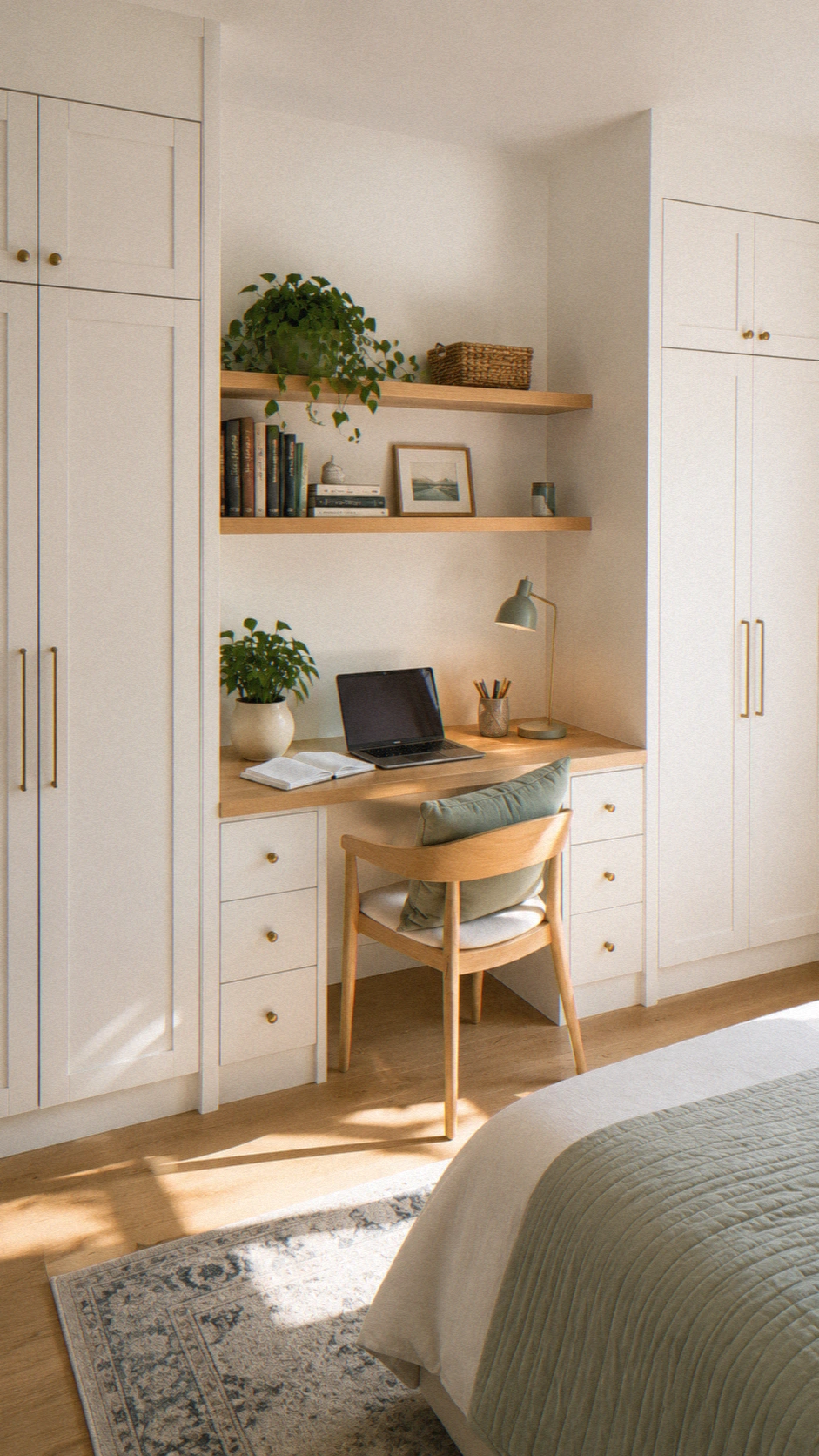
If a room has two closets with any gap between them, that space is basically a free built-in desk waiting to happen.
A simple countertop cut to fit the width, mounted at the right height, creates a workspace that looks intentional and keeps clutter totally contained on either side.
Floor-to-ceiling cabinet space flanking the desk means there is room for binders, art supplies, and the random things kids collect that somehow always end up on a desk.
No legs on the desk means no chair getting caught, which sounds like a small thing but kids notice it.
I think this is one of the cleanest solutions for kids who do better when their workspace feels distinct from the rest of their room.
3- Twin Desks for Shared Rooms
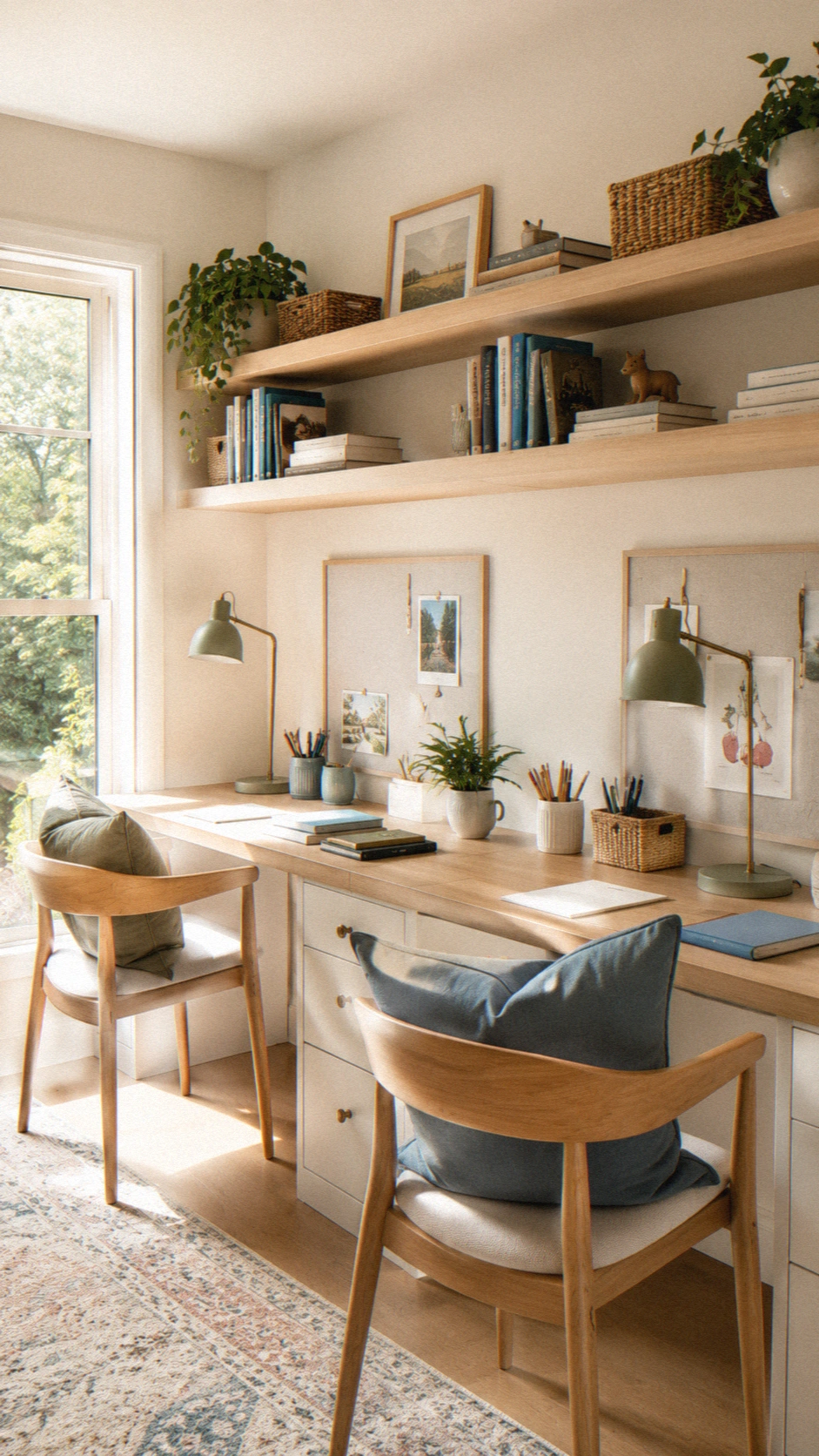
Two kids, one room, and one desk is a recipe for constant low-grade conflict about whose turn it is and who is breathing too loud.
Placing two smaller desks side by side or on opposite walls gives each kid their own territory, which matters more than most adults realize.
A simple divider between them, even just a small shelf or a row of bins, creates enough separation that it feels personal.
Using the same desk shape but letting each kid pick their own chair or desk accessories keeps things cohesive without making it feel identical.
Shared rooms actually become easier to manage when kids feel like they each have a space that is genuinely theirs.
4- The Color Zone Setup
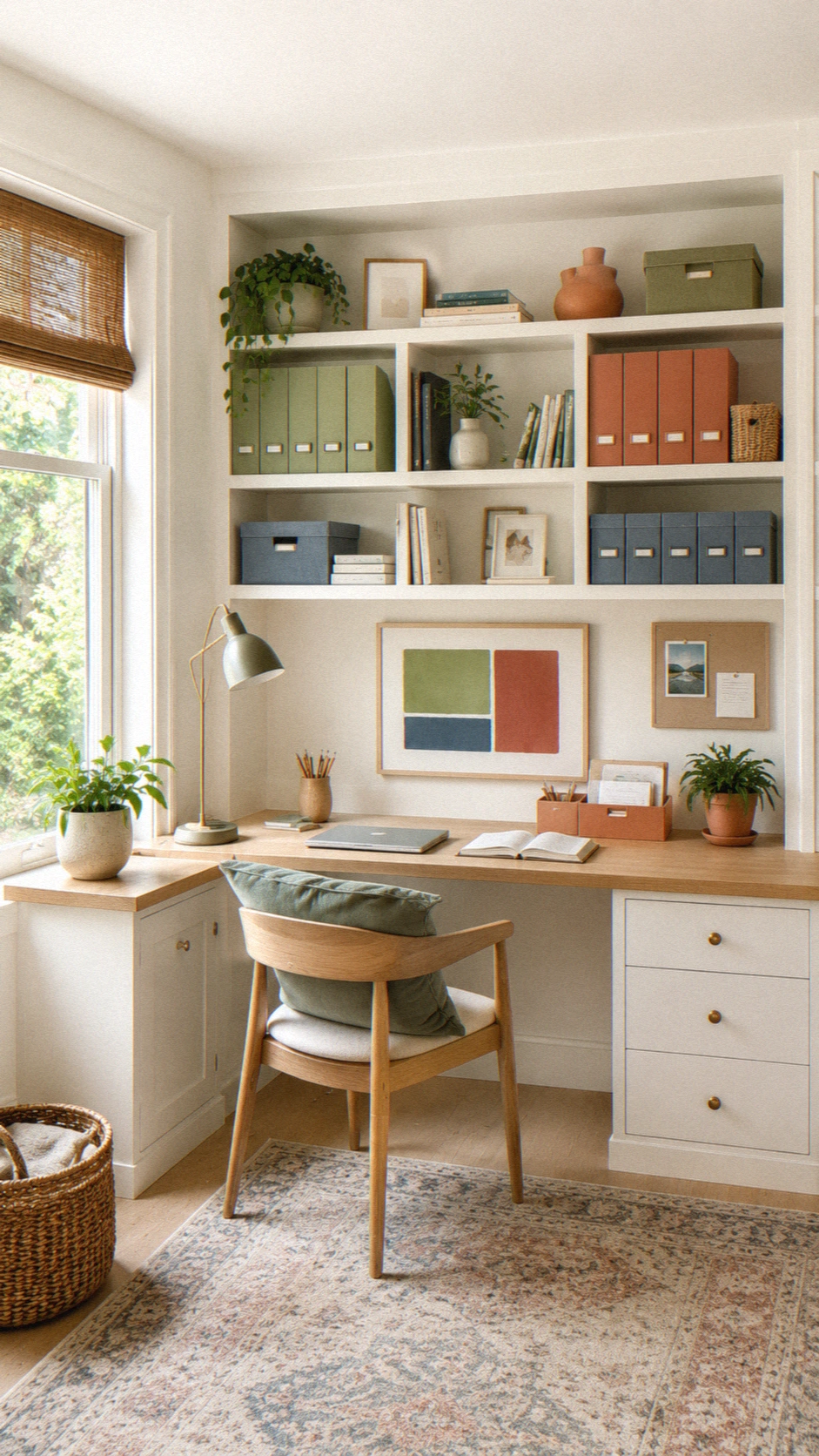
Most kids do more than one type of work at a desk, like reading, drawing, writing, and math, and those activities actually feel different to them.
Dividing the desk area into loose color zones using wall color, a rug, or even just different colored bins can help signal what kind of thinking happens where.
A calm blue corner for reading and a brighter yellow section for art or building projects is a subtle way to give kids mental cues without making it feel formal.
This works best when the zones have physical anchors, like a small lamp in one spot and a corkboard in another, rather than just being color for color’s sake.
It sounds a little extra but kids respond to visual cues way more than most people expect.
5- The Corner Desk for Small Spaces
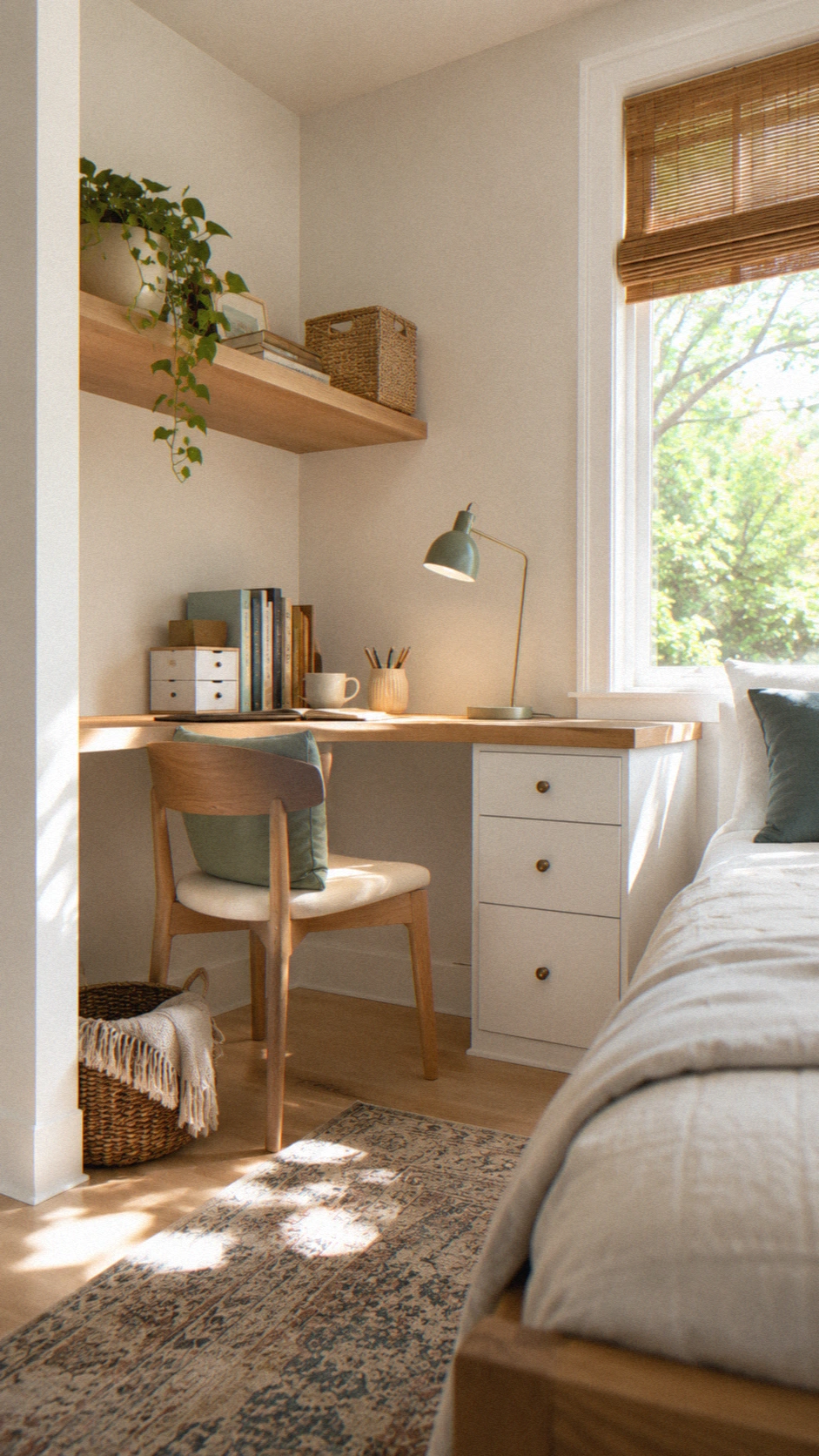
Small rooms make people feel like they have to choose between a desk and actual floor space, but a corner desk solves that.
An L-shaped or triangular corner desk fits into space that would otherwise just be wall, and it gives kids a surprisingly large surface to work with.
Wall-mounted shelves above either arm of the desk keep supplies off the surface and make the whole setup feel much more organized than it probably is.
The tricky part is making sure the chair has enough room to pull back without hitting the bed or a dresser, so measure before committing.
Once it is in, most small rooms actually feel bigger because the corner is finally doing something useful.
6- The Cubby and Bin Organization Wall
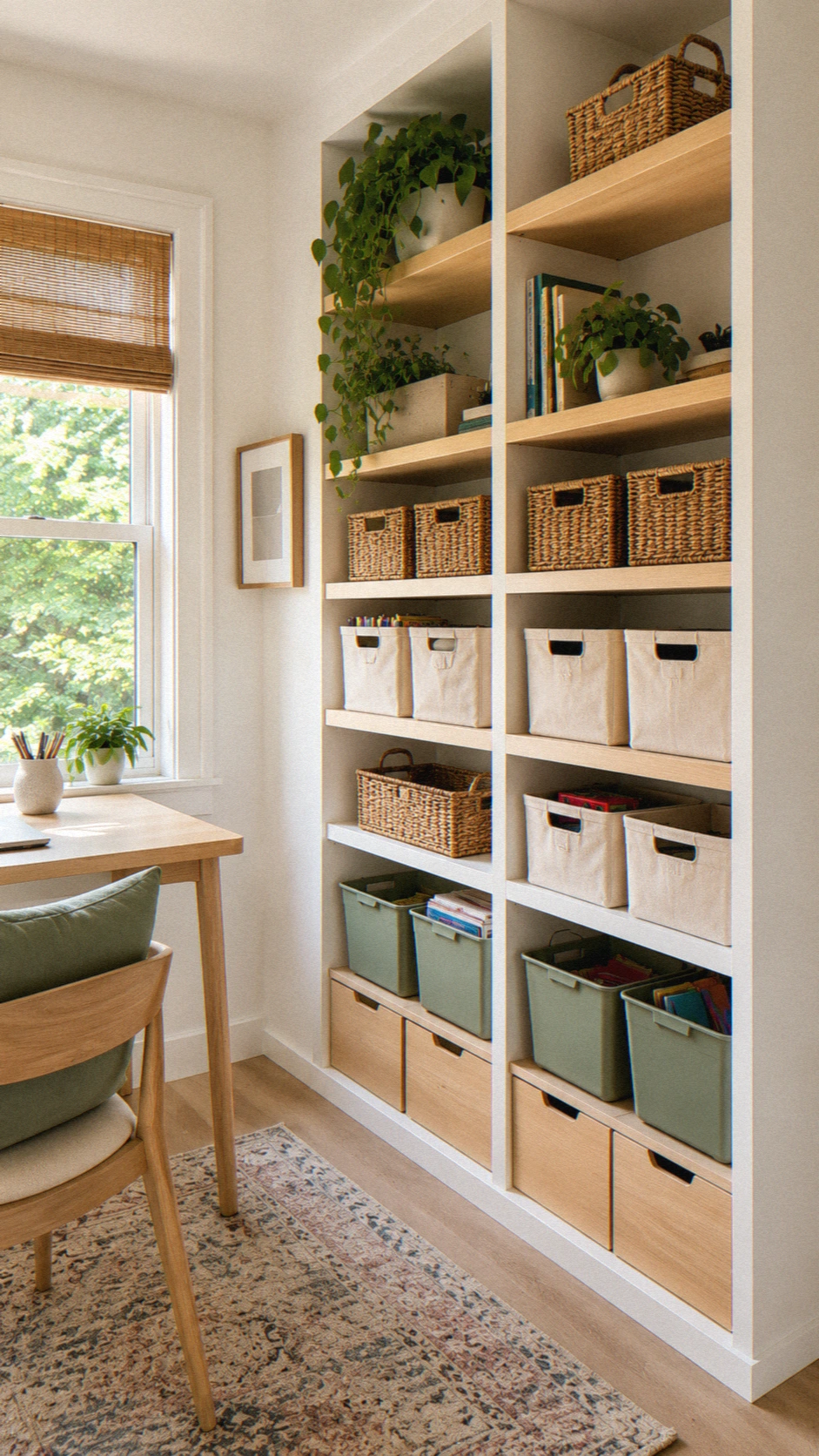
A desk with nowhere to put anything turns into a mess within about three days, and then kids stop using it because they cannot find their stuff.
Mounting a wall of cubbies or open shelving directly above or beside the desk gives every category of supply an obvious home.
- Labeled bins for scissors, markers, and tape
- A dedicated slot for notebooks and folders
- A small tray or dish for pencils and erasers
- One open cubby for whatever the current project is
Labeled bins work better than open piles because even younger kids can follow the system when it is visual and simple.
The goal is to make putting things away as easy as getting them out, because that is the only way the system actually sticks.
7- The Adjustable Ergonomic Setup
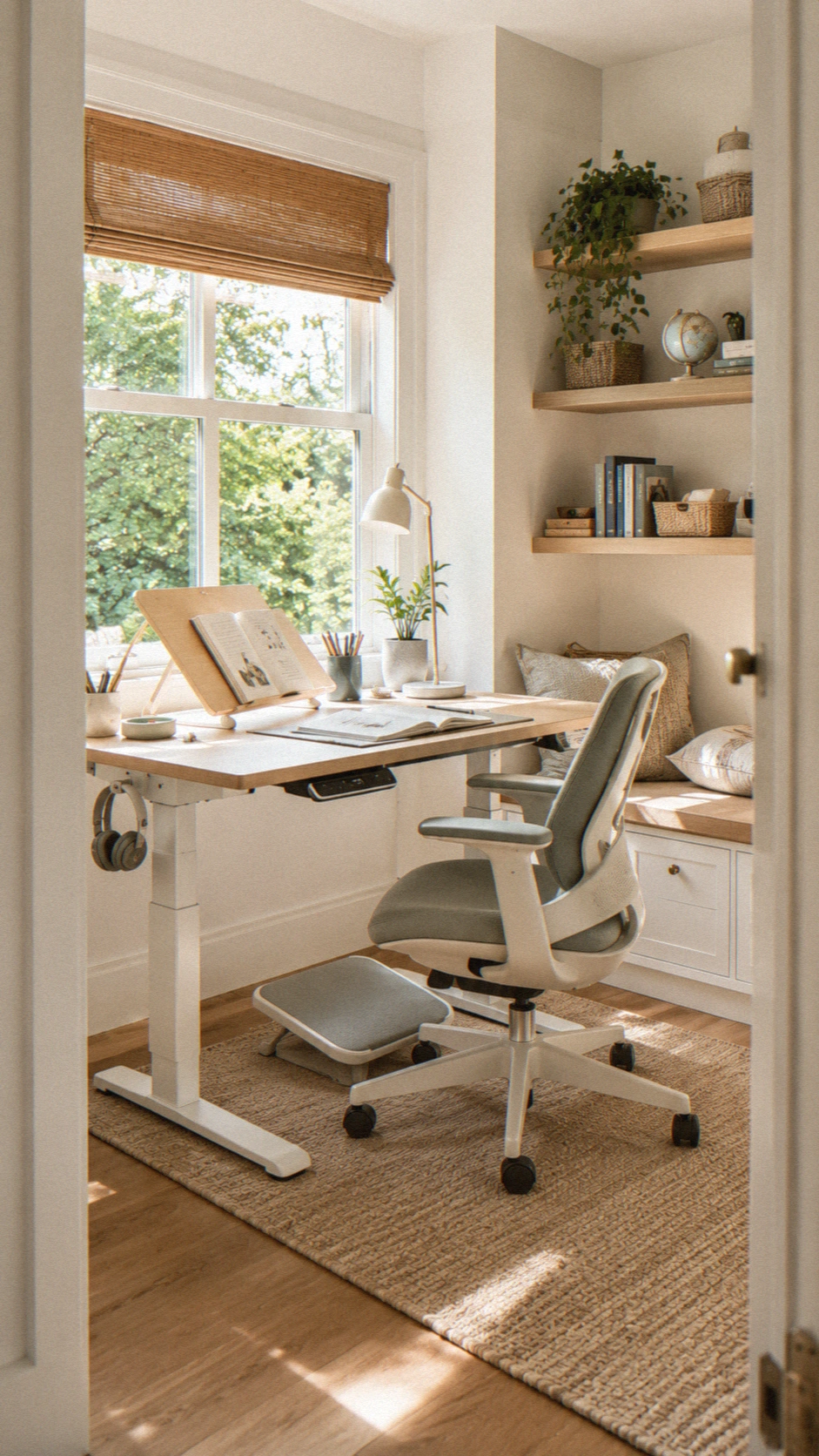
Kids grow fast and a desk that was the right height at seven is going to feel awkward by nine, which is something most people do not think about when buying furniture.
An adjustable desk and chair combination means the setup grows with them instead of becoming something they hunch over for years.
Feet flat on the floor, elbows at desk height, and the screen or book at eye level are the three things that matter most for keeping kids comfortable during longer homework sessions.
A good adjustable desk lamp with warm light, positioned so it does not create glare on the page, rounds out the ergonomic side of things without requiring much effort.
Kids who are physically comfortable at their desk complain less about sitting there, which sounds small but adds up over a whole school year.
8- The Pinboard and Personalization Wall
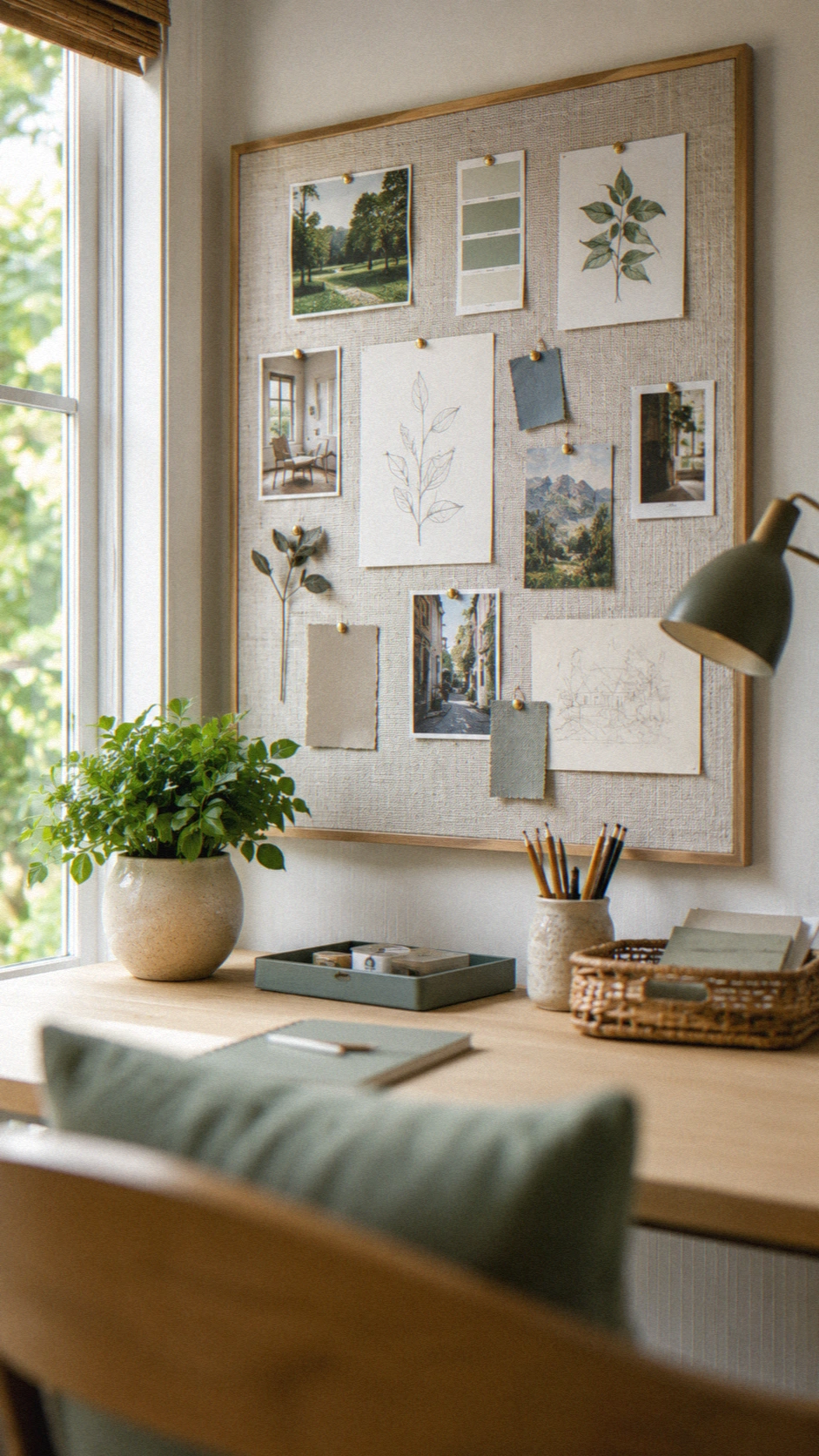
Kids are much more likely to use a space that actually feels like theirs rather than something that was just set up for them.
A large corkboard or magnetic panel above the desk gives them somewhere to pin artwork, photos, schedules, and whatever they are currently obsessed with.
Rotating what is on the board every few weeks keeps the space feeling fresh without requiring any furniture changes or repainting.
I think letting kids have real control over this part of their setup, within some basic limits, makes a bigger difference to homework buy-in than most parents expect.
The desk becomes their place rather than a homework corner someone assigned them, and that shift is actually meaningful.
9- The Reading Corner Add-On
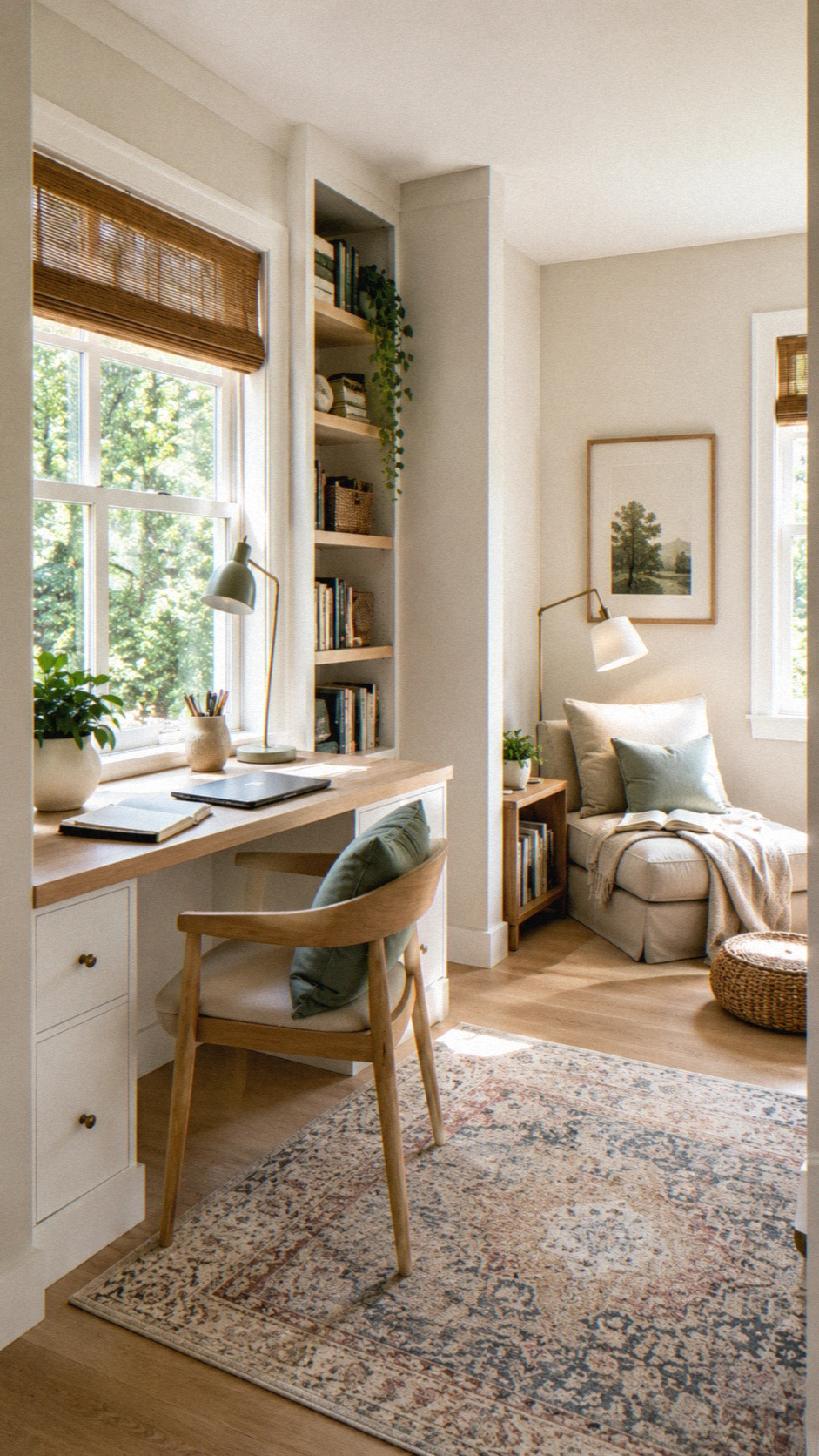
A desk is great for active work but kids also need somewhere to read that is not the same chair they just did math in for forty minutes.
A small reading nook right next to the study area, with a floor cushion, a bean bag, or even just a low chair and a lamp, creates a second gear for the homework zone.
A small bookshelf or wall-mounted book ledge within arm’s reach of the reading spot keeps books accessible without making the room feel cluttered.
The reading corner also gives kids a natural transition, like they finished one task and get to move their body slightly before starting the next thing, which helps more than it sounds.
Even a tiny corner with a cushion and decent light counts, it does not have to be elaborate.
10- The Adventure Inspired Desk Setup
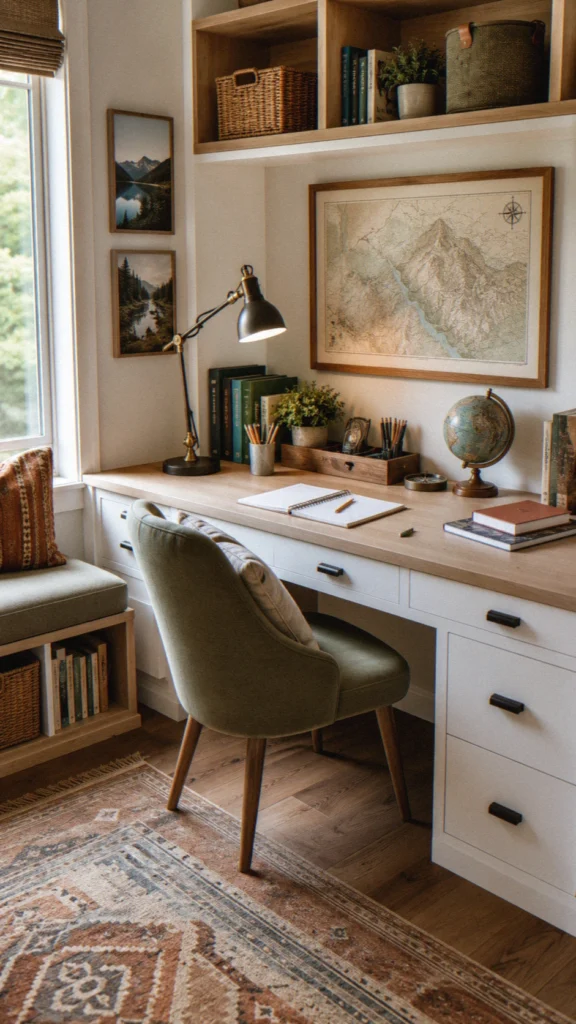
Some kids, especially the ones who treat sitting still like a personal challenge, do better when the space feels more like play than school.
A world map on the wall behind the desk, a globe on the shelf, or even a constellation ceiling panel above the workspace makes the whole area feel like somewhere interesting rather than somewhere they are sentenced to every afternoon.
Theme does not have to mean buying a whole matching set of themed furniture, a few intentional details are enough to shift the vibe completely.
A small swing hanging nearby, or a standing desk option that lets them move a little, works well for kids who need to wiggle to think.
The goal is just to make the space feel like it belongs to them and matches how their brain actually works, not what a homework station is supposed to look like.
Small Changes That Make Homework Time Easier
None of these study table designs for kids require a full room renovation or a massive budget to pull off.
Most of the setups that actually work long term are the ones that fit the specific kid, the specific room, and the specific kind of chaos that family is actually dealing with.
Starting with one thing, like better organization or a dedicated lamp, and adding from there is a much more realistic approach than trying to redo everything at once.
A good homework setup does not make the homework disappear, but it does make showing up to do it a little less of a fight every single day.

Hi, I’m Alizabeth, the creator of Pretty Home Hacks. I share practical home decor ideas, easy DIY projects, organization tips, and budget-friendly ways to make your home feel more beautiful and functional. From small room updates to everyday home hacks, my goal is to share approachable ideas you can actually use in your own space.