
10 Porch Roof Design Ideas That Make Neighbors Stop and Look Twice
The front porch is one of those things people walk past every single day without really seeing it until someone else’s looks incredible and suddenly theirs feels completely invisible.
Most porches are functional and fine and completely forgettable, which is a shame because the roof is actually the part that shapes the whole look from the street.
People assume changing a porch roof means a massive construction project, and sometimes it does, but a lot of the ideas that make the biggest visual difference are simpler than expected.
The roof style, the ceiling finish, the pitch angle, the material choice, any one of those things can shift the entire personality of a house from the curb.
These ten porch roof design ideas cover a range of budgets and home styles, so something here is going to land for most people.
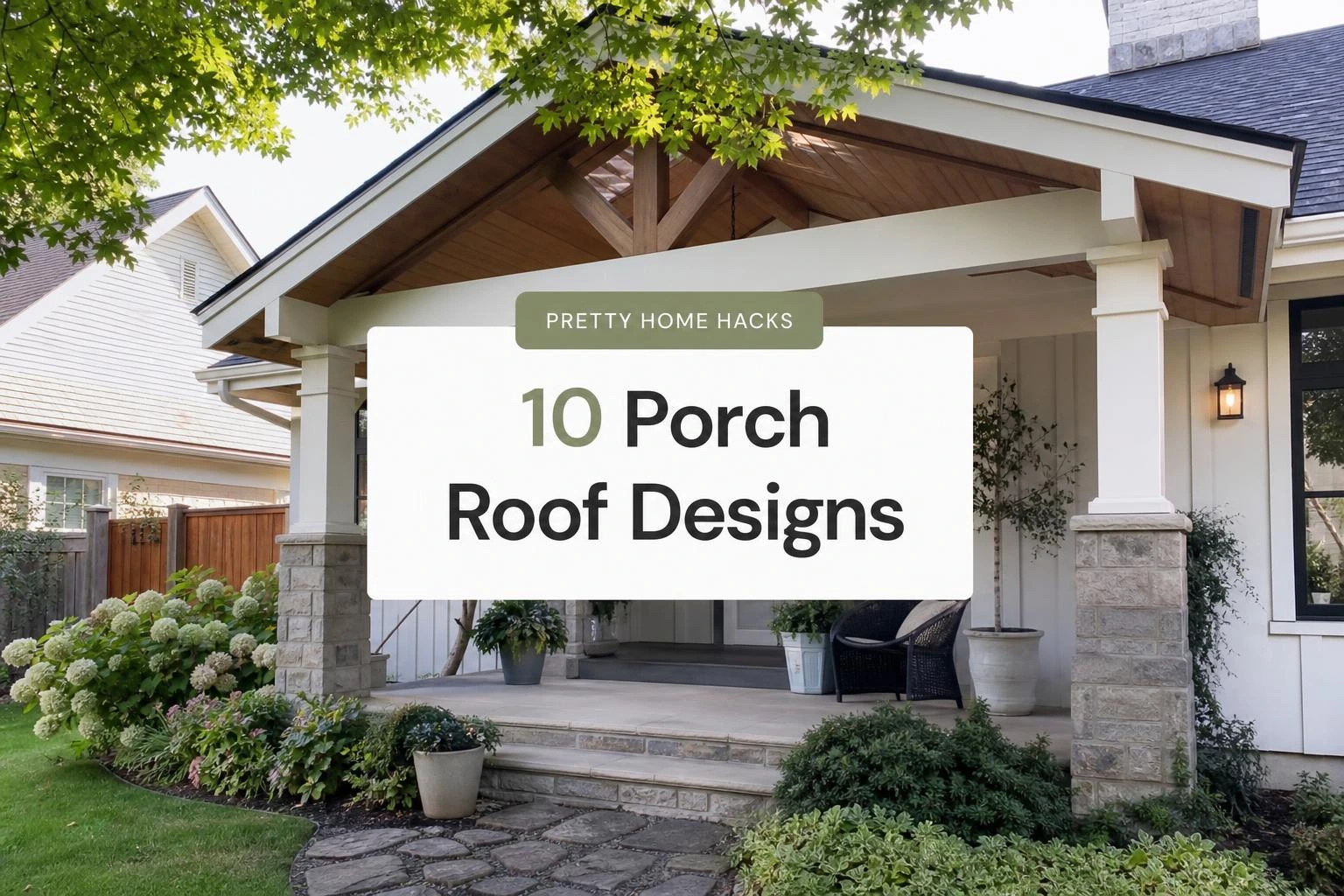
1- Classic Gable Porch Roof
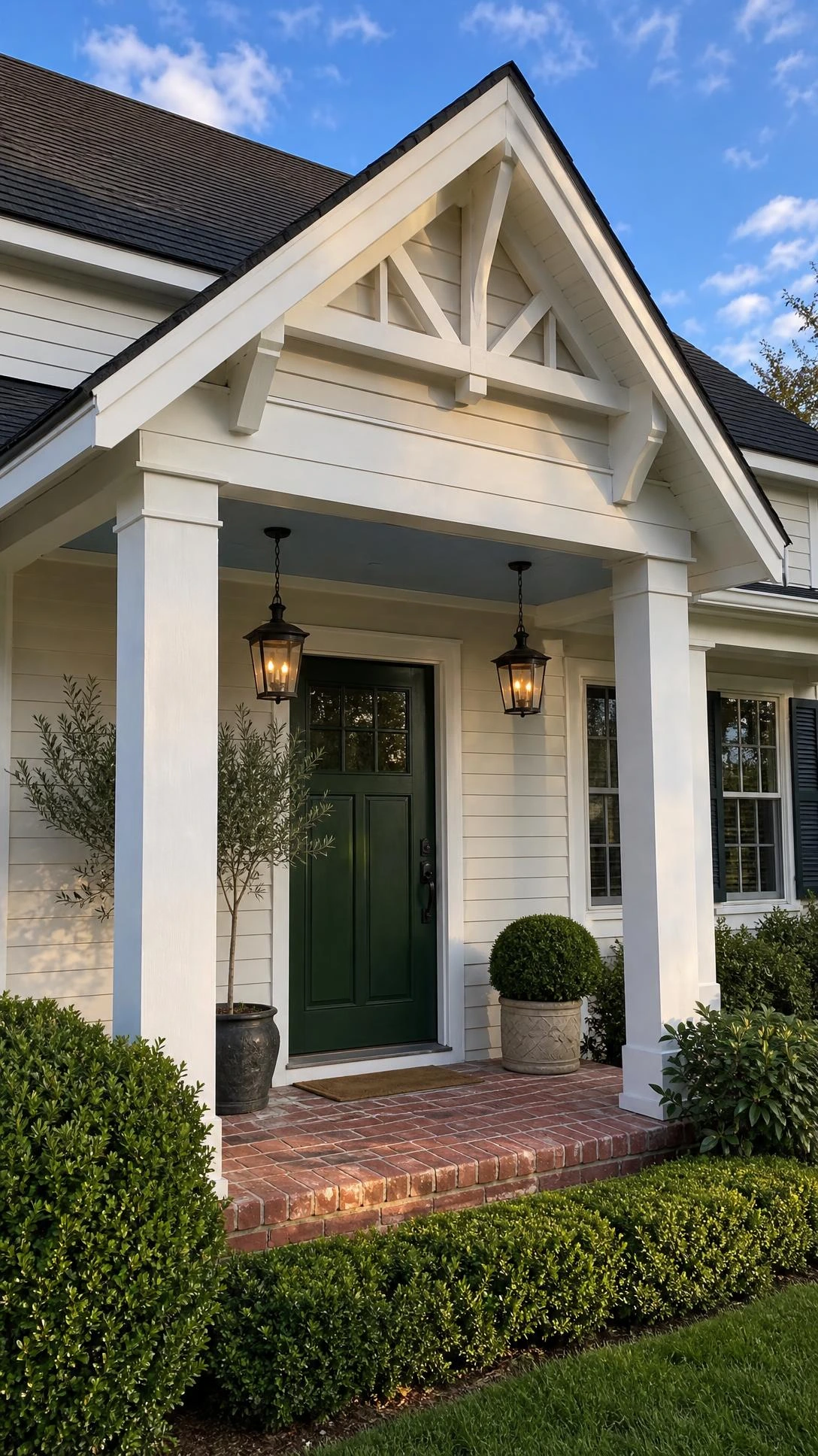
The gable roof is the one most people picture when they think of a traditional porch, and there is a reason it has been around forever.
It has two slopes that meet at a central ridge, which creates that familiar triangular peak that reads immediately as welcoming from the street.
One thing people do not always realize is that the gable shape is actually one of the most efficient designs for shedding rain, which makes it practical in addition to being good looking.
Adding decorative wooden brackets under the peak or painting the exposed fascia in a contrasting color can take a plain gable from basic to something that actually draws attention.
It also tends to be one of the more budget-friendly options since contractors build them constantly and the material costs stay reasonable.
I think the gable works on almost any home style, which is honestly what makes it such a safe and satisfying starting point.
2- Hip Roof Porch for Wind-Prone Areas
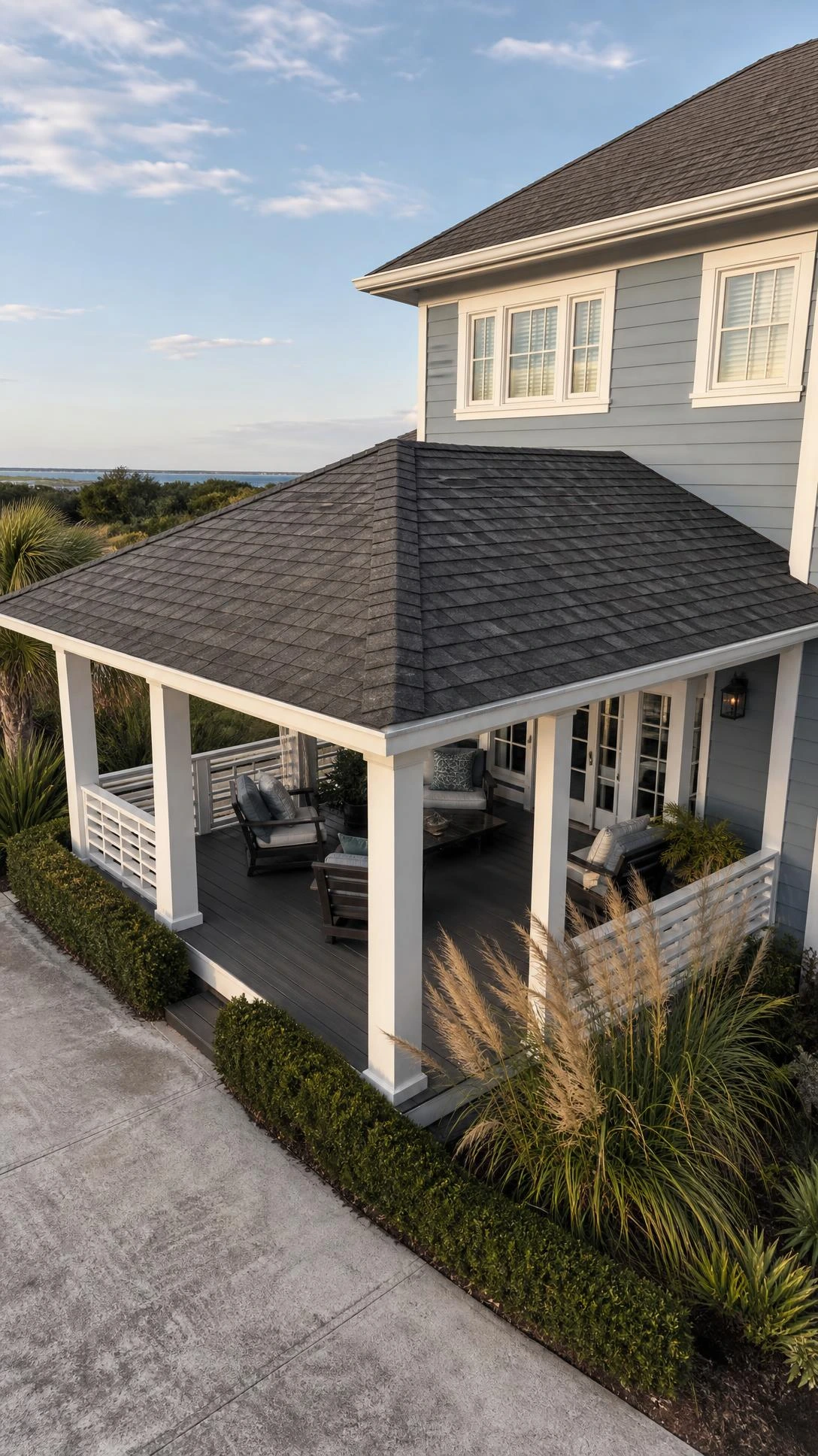
A hip roof slopes downward on all four sides instead of just two, which gives it a lower, more wrapped profile that looks almost like it belongs to the house rather than sitting on top of it.
That four-sided slope is also genuinely better in high-wind regions because there are no flat vertical faces for wind to catch and push against.
The visual effect from the street is one of weight and stability, which makes it a natural fit for bungalows, ranch homes, and colonial styles where symmetry matters.
Adding a small cupola at the top or a decorative ridge cap turns it from a functional design choice into something people slow down to look at.
The tradeoff is that hip roofs cost more to build than gable roofs because the framing is more complex, so the budget conversation needs to happen early.
3- Shed Roof Porch on a Modern Home
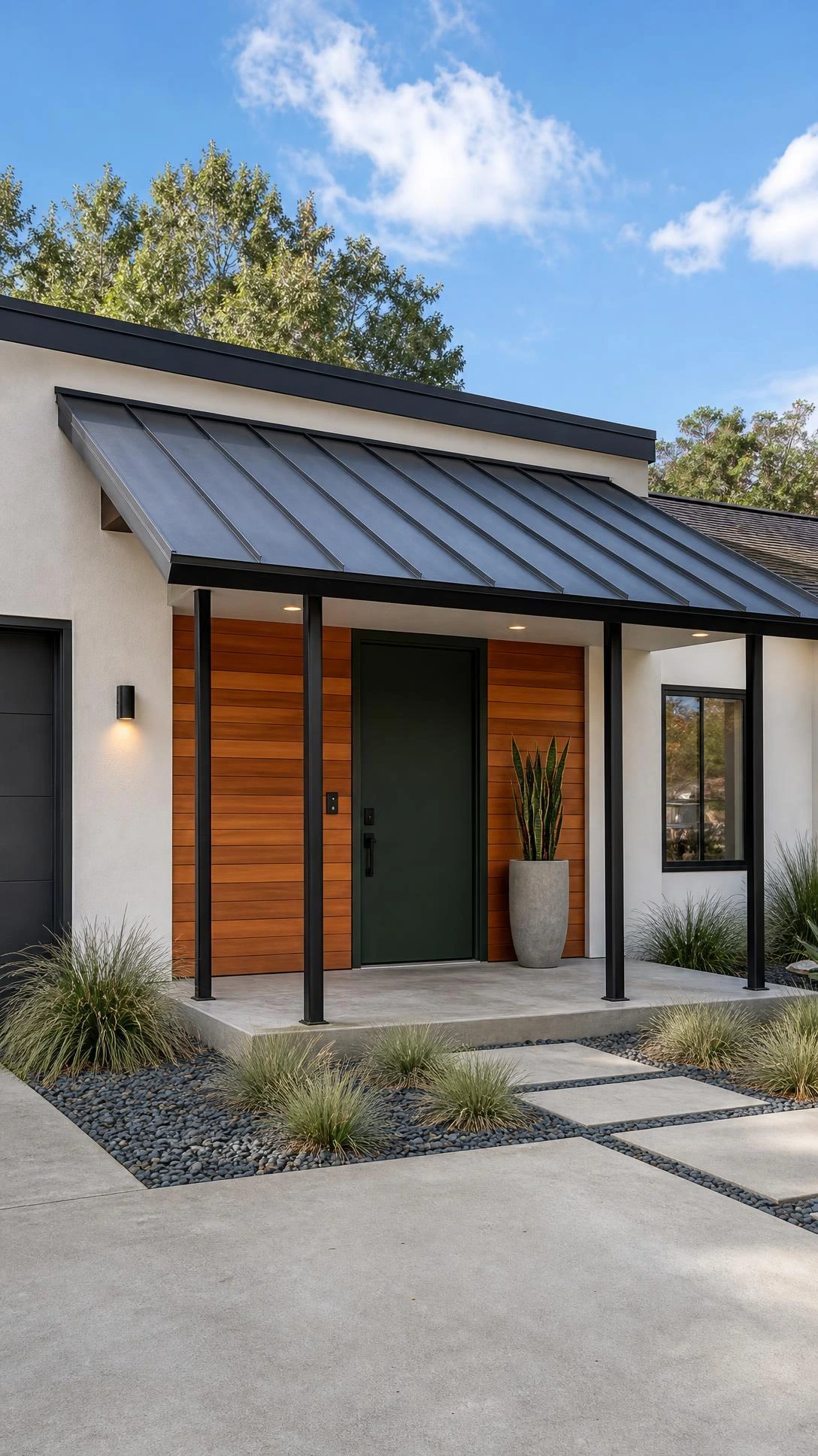
The shed roof, sometimes called a lean-to, is a single slope that runs from a higher point at the house wall down to a lower point at the outer edge of the porch.
It is the cleanest, most minimal option available, which is exactly why it works so well on modern and contemporary homes where extra ornamentation would feel wrong.
The pitch can be adjusted depending on how much rainfall the area gets, with something around a 3-in-12 slope being a common choice that handles drainage without looking too steep.
Pairing a shed roof with dark metal roofing material and black-framed windows on the house creates a cohesive look that feels intentional and current.
It is also one of the more economical builds since the framing is simple and the material quantities are lower than a full gable or hip structure.
4- Flat Porch Roof That Doubles as a Deck
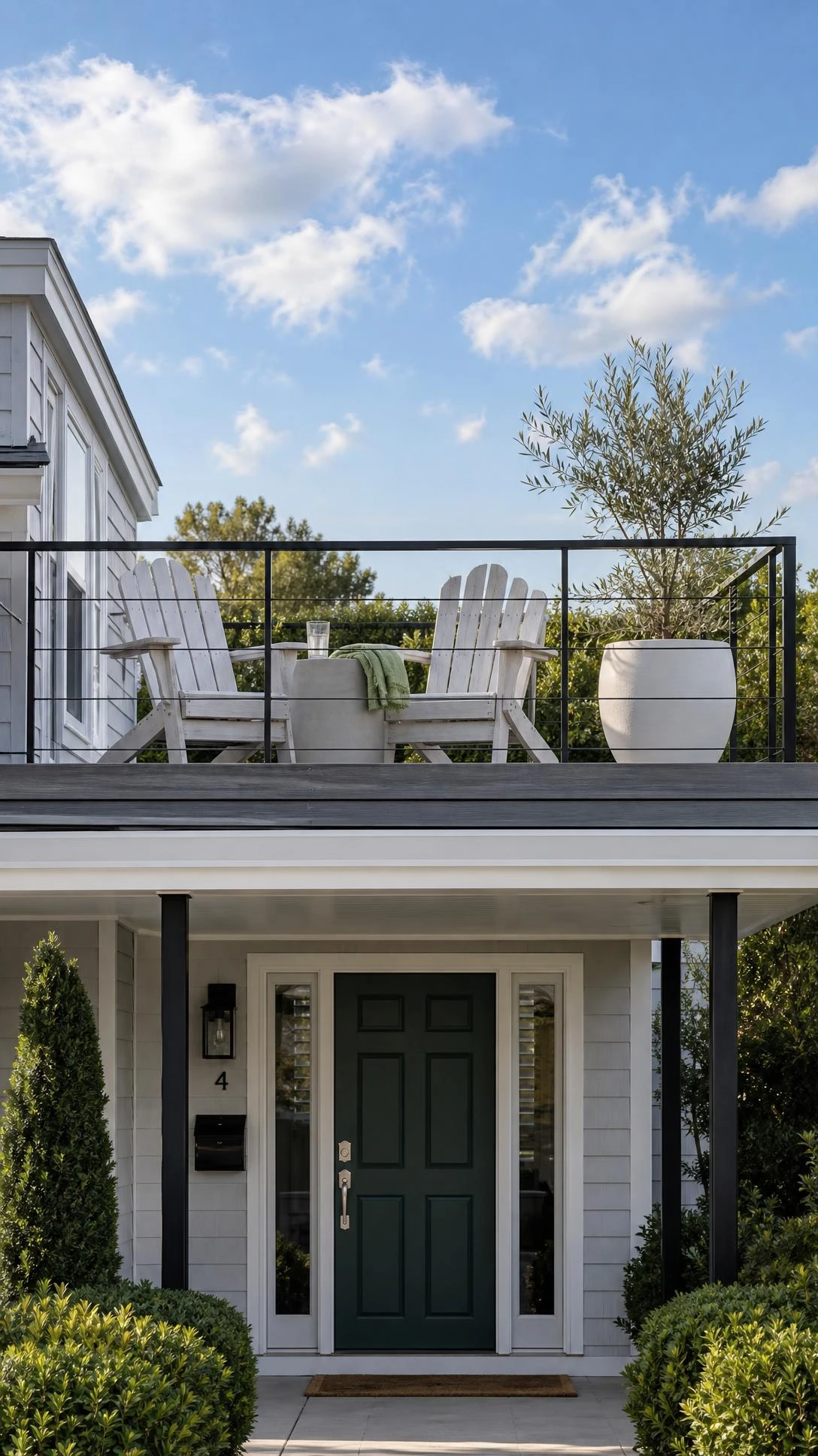
Flat roofs are not truly flat, they always have a slight pitch for drainage, but from the street they read as completely horizontal and that creates a very specific modern look.
The interesting option with a flat porch roof is that the surface above can be finished as a second-floor deck or balcony, which essentially doubles the usable outdoor space on the property.
This works best when the room above the porch has a door or window that could eventually become an access point, so it is worth thinking ahead before building.
Membrane roofing systems like EPDM rubber or TPO are the standard material choice for flat applications because they seal continuously without the gaps that shingles would create on a low slope.
The look from the street is very clean and architectural, and it tends to stop people who are used to seeing traditional pitched porches on a street full of older homes.
5- Tongue and Groove Porch Ceiling Under the Roof
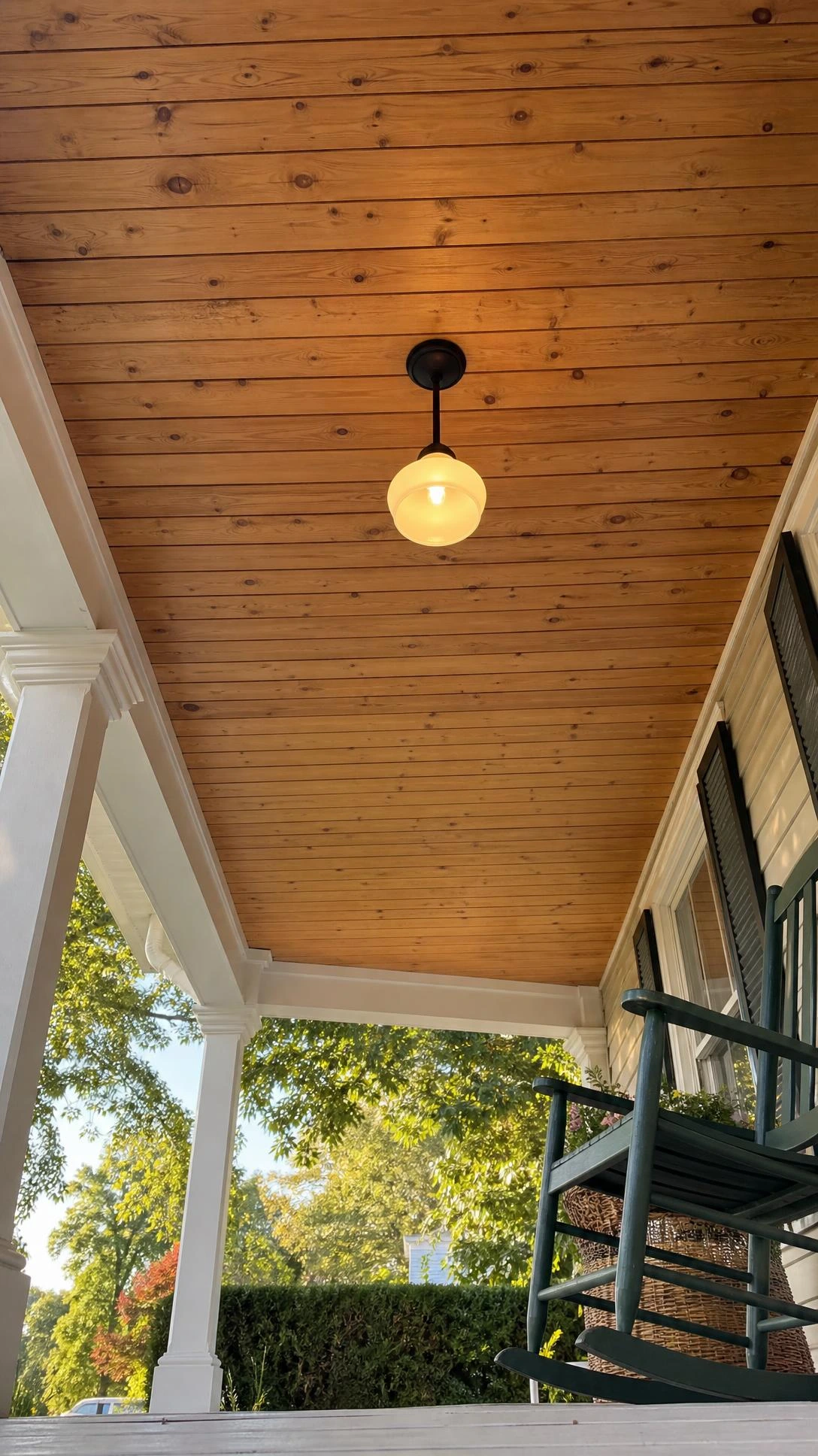
Nobody looks up when they think about curb appeal, but the ceiling of the porch is completely visible from the street when someone walks up the front path.
Tongue-and-groove wood boards installed on the underside of the roof structure change the whole feel of the porch instantly, and they read as a quality upgrade from the first glance.
Western red cedar and pine are both common choices, with cedar holding up better to moisture and pine being more wallet-friendly at around four to six dollars per linear foot.
Painting the tongue-and-groove ceiling in a soft blue-gray called Haint Blue is a Southern tradition that has become popular everywhere because it photographs beautifully and creates a calm, airy mood under the roof.
The ceiling finish does not change the roof structure at all, which makes it one of the easier upgrades on this list to add to an existing porch.
6- Metal Roofing on a Traditional Porch
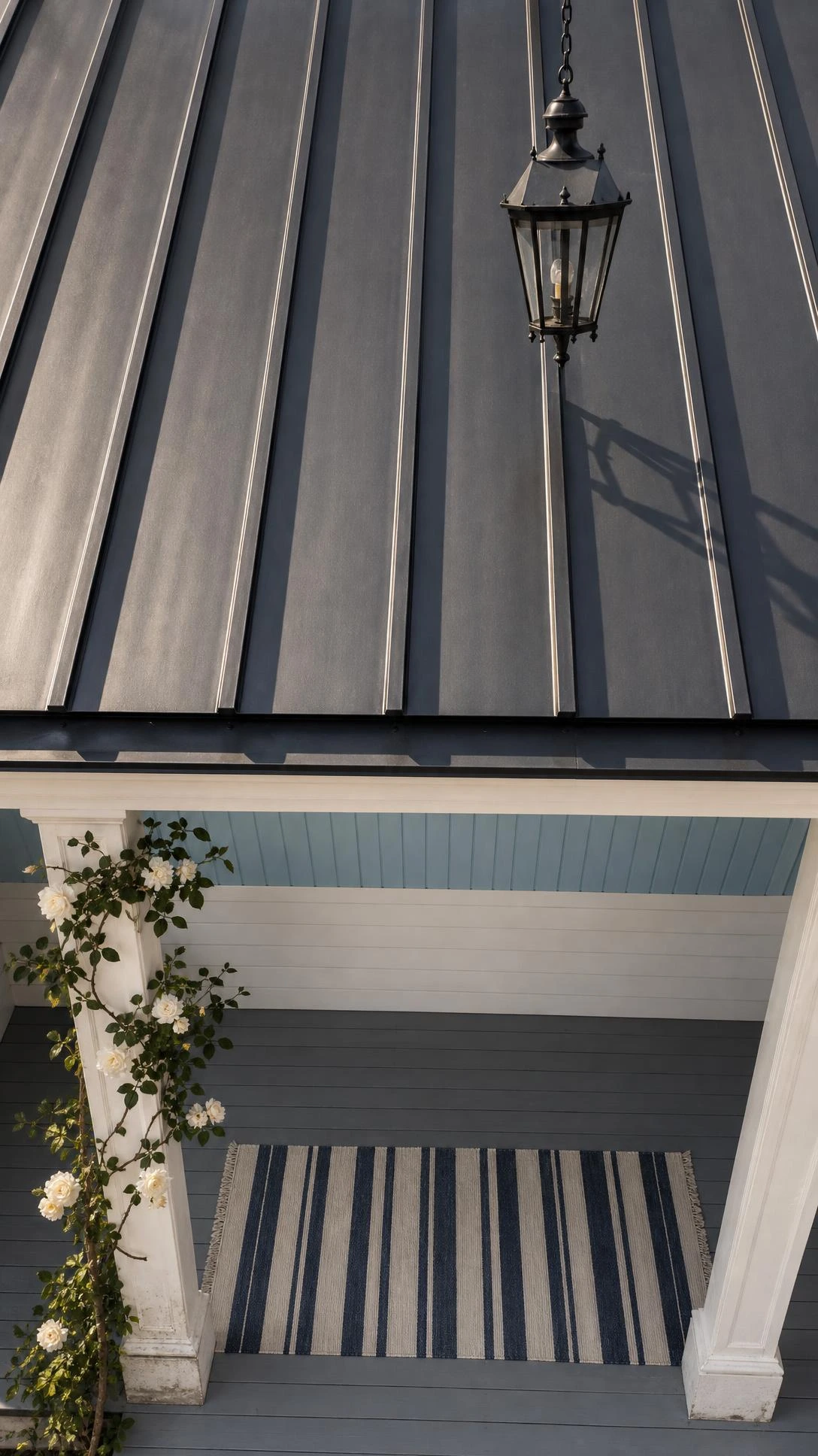
Metal roofing used to feel like a barn material, and a lot of people were skeptical about putting it on a front porch, but that has shifted completely in the last several years.
Standing seam metal in particular, where the seams run vertically and lock together at raised ridges, creates a clean and architectural look that holds up visually from across the street.
Matte black and dark charcoal are the most popular color choices right now because they contrast sharply against white trim and lighter house colors without competing with anything else.
Metal roofing also lasts significantly longer than asphalt shingles, with most quality systems rated for forty to seventy years, which changes the cost conversation entirely when looking at it long term.
The sound of rain on a metal porch roof is also one of those unexpected bonuses that people mention constantly once they have it, which is always a nice surprise.
7- Exposed Rafter Porch Roof with Craftsman Detail
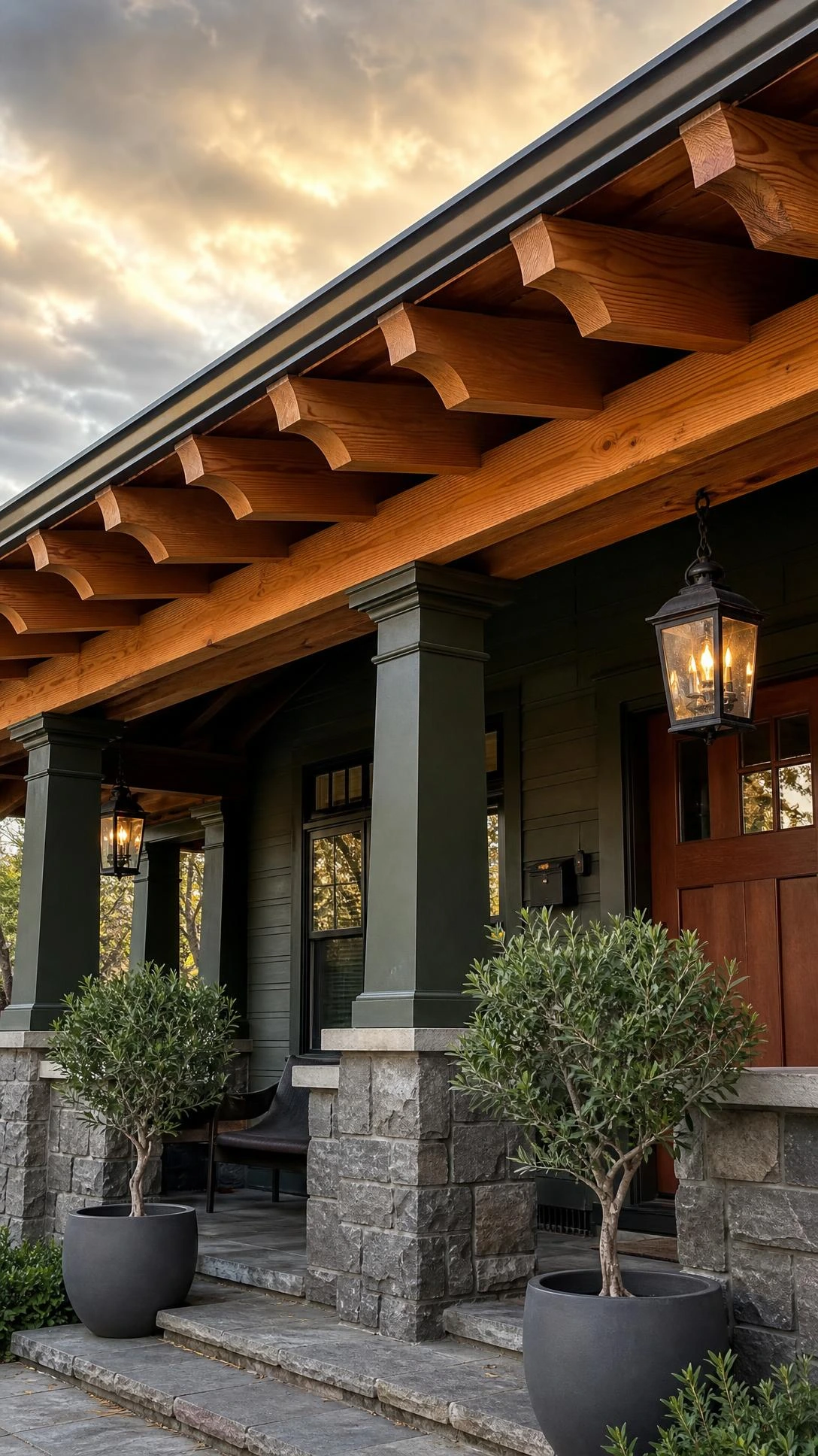
Craftsman-style homes are built around the idea that structure itself is decorative, and exposed rafter tails under the porch roof are one of the clearest expressions of that idea.
Instead of boxing everything in with a soffit, the rafters are left visible and extend past the edge of the roof, creating a layered, textured shadow line that reads as intentional craftsmanship from the street.
The rafters are usually cut with an angled or decorative end to make the detail feel finished rather than unfinished, and that small cut makes a significant visual difference.
Painting the exposed rafters in a deep accent color like Sherwin-Williams Mindful Gray or a warm chocolate brown against a lighter house color makes the detail pop without overdoing it.
This look works best on bungalows and Craftsman homes specifically, but it can also add character to a plain cottage-style house that needs something interesting at the roofline.
8- Polycarbonate Panel Roof for a Light-Filled Porch
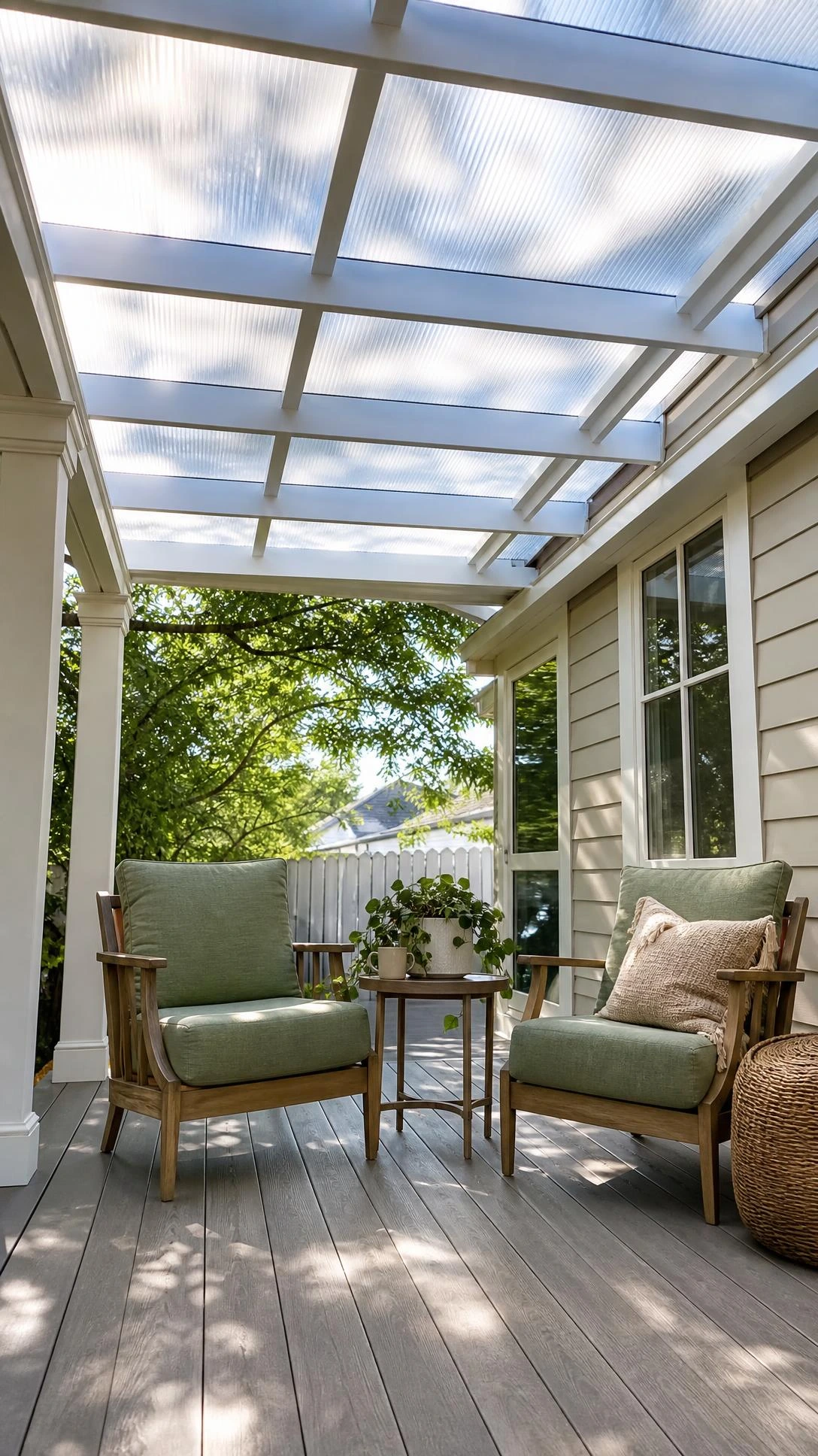
Most porch roofs block light, which can make the porch feel like a shadowy in-between space rather than somewhere people actually want to sit.
Polycarbonate roofing panels are translucent, which means the roof still protects from rain while letting a soft, diffused natural light filter through onto the porch below.
The twin-wall or multiwall variety is the most practical choice because it provides some insulation and prevents the greenhouse heat buildup that solid clear panels can cause on sunny afternoons.
Opal or bronze tinted panels are more popular than clear ones for residential porches because they soften the light instead of creating harsh glare, and they photograph in a warmer, more inviting way.
This option works particularly well on side porches or pergola-style additions where the goal is to extend outdoor living time into overcast or lightly rainy days without losing the open-air feeling.
9- Beadboard Porch Ceiling for a Classic Cottage Look
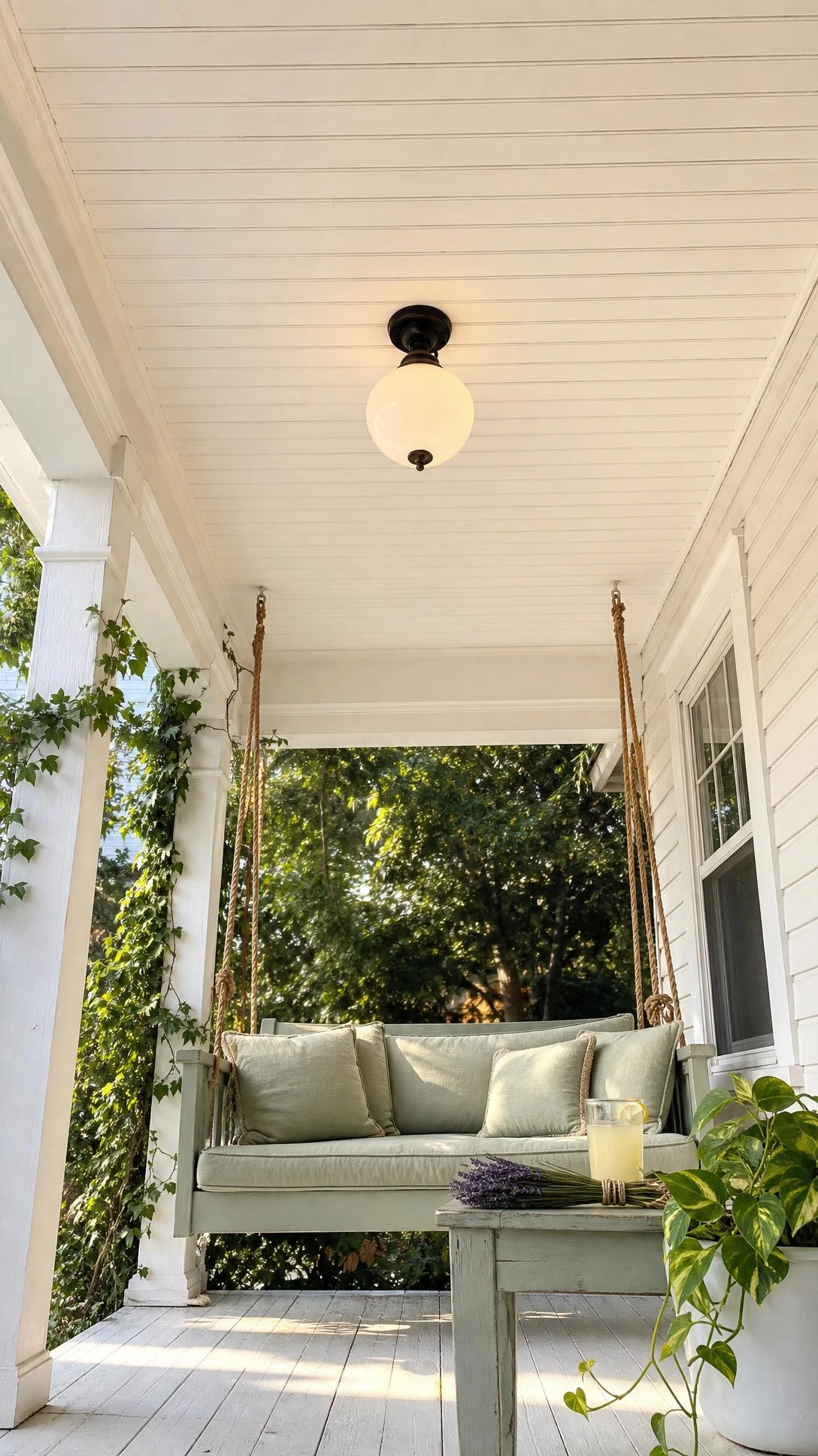
Beadboard is one of those materials that just reads as porch, in the way that certain things are so tied to a setting that they feel inevitable once they are in place.
The narrow vertical grooves create a rhythm on the ceiling surface that adds texture without being busy, and it works with almost any roof style from gable to hip to shed.
PVC beadboard panels are the practical choice for exterior porch ceilings because they do not absorb moisture, warp, or rot the way real wood can after a few seasons of humidity.
Painting it in a soft white or creamy off-white keeps it classic, but painting it in a deep green like Benjamin Moore Companion Plant or a dusty sage makes a ceiling that people actually comment on.
The material is also lightweight enough that many people install it over a weekend without needing professional help, which makes it one of the highest return updates on this list for the effort involved.
10- Arched or Vaulted Porch Roof for Maximum Drama
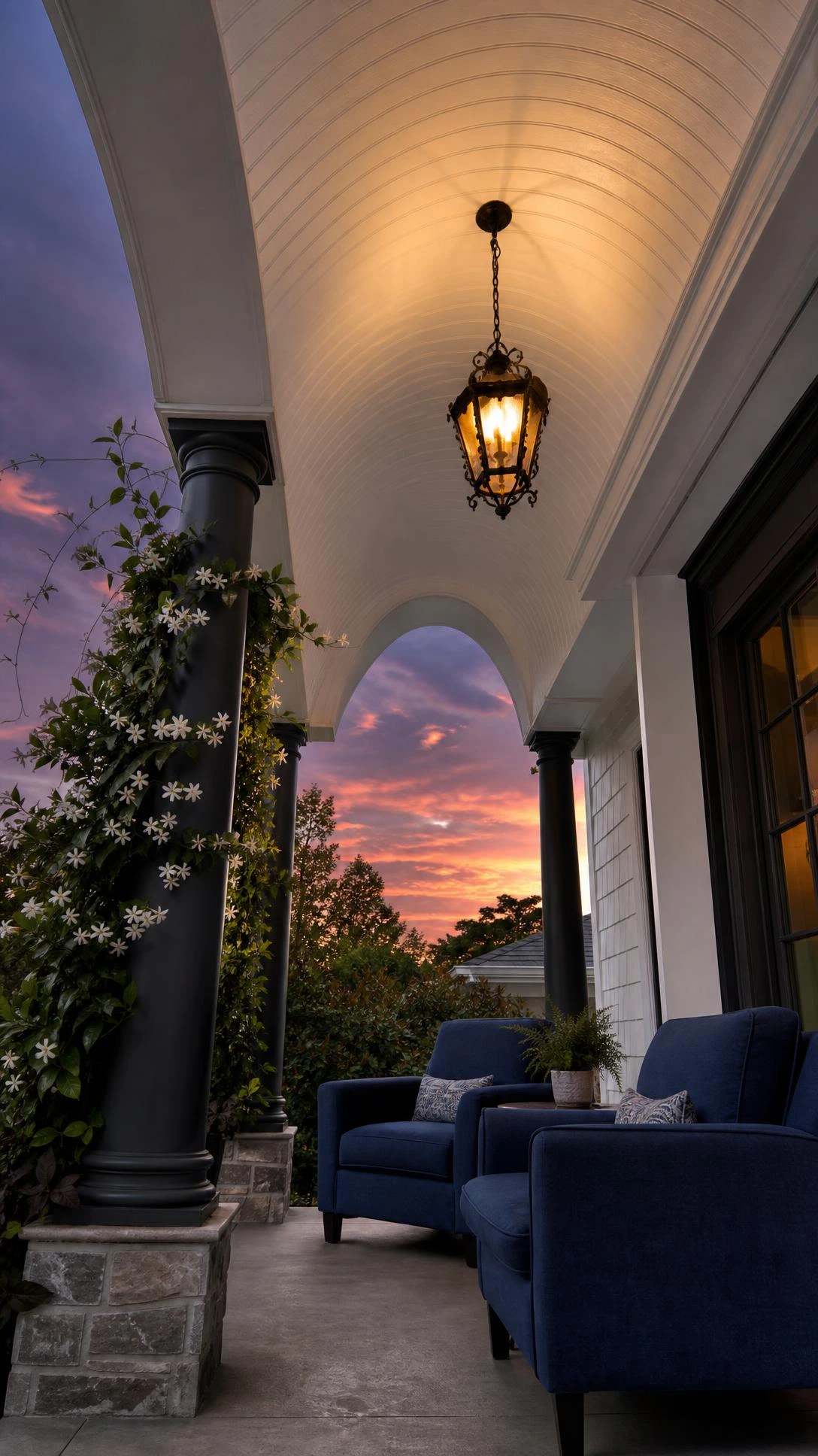
An arched or vaulted porch roof is the option that gets people to stop their car, which sounds like an exaggeration until it is sitting on a house and suddenly makes every other porch on the block look flat.
The vault is usually created by following the pitch of the roof on the interior ceiling rather than installing a flat ceiling below the rafters, which makes the space feel dramatically taller than it actually is.
Finishing a vaulted porch ceiling with tongue-and-groove boards that follow the slope of the roof adds warmth and amplifies the architectural lift even further.
This works best on homes with a steeper roof pitch, somewhere around a 6-in-12 or higher, because a shallow vault does not create enough visual height to read from the street.
It is the most involved option on this list from a construction standpoint, but it is also the one that changes the perceived value of a home the most noticeably from the curb.
Where do you want to go next?
Explore by topic
Recently viewed
The Porch Roof Details That Actually Change the Whole Street View
Most of these ideas work because they do one specific thing well, not because they do everything at once.
Picking one roof style and then layering in a ceiling finish or a material upgrade is usually enough to make the kind of difference that actually reads from the street.
The porch roof design does not need to be the most complicated thing on the block to be the most noticed one.
Sometimes it is just the tongue-and-groove ceiling painted Haint Blue on an otherwise ordinary gable that makes someone slow down on an evening walk and actually look twice.

Hi, I’m Alizabeth, the creator of Pretty Home Hacks. I share practical home decor ideas, easy DIY projects, organization tips, and budget-friendly ways to make your home feel more beautiful and functional. From small room updates to everyday home hacks, my goal is to share approachable ideas you can actually use in your own space.