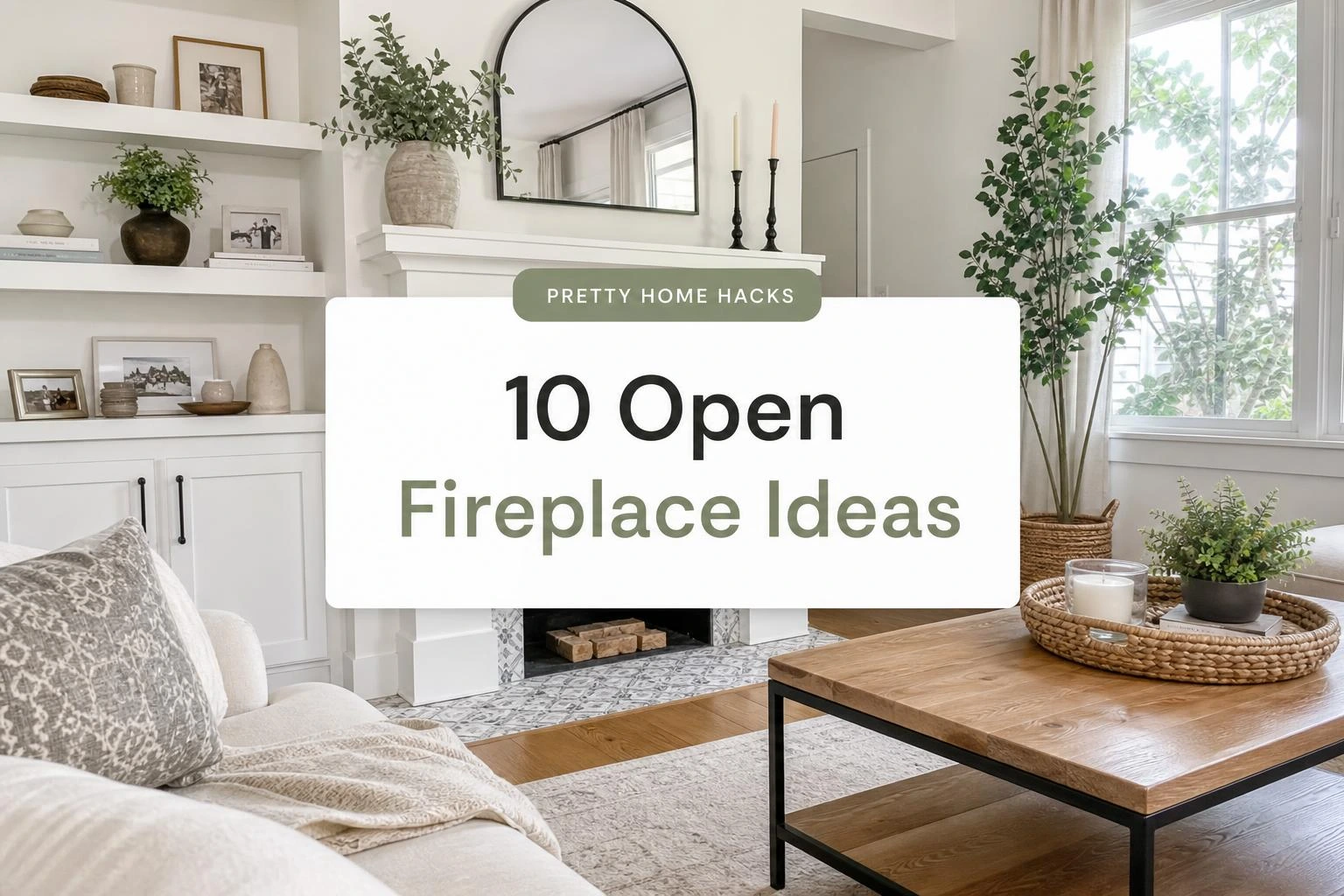
10 Open Fireplace Ideas for Small Living Rooms That Actually Fit the Space
A fireplace in a small living room sounds like a great idea right up until the moment it takes over everything and suddenly the whole room feels like it exists just to hold the fireplace.
Most people picture the classic big mantel situation, the kind that works beautifully in a spacious farmhouse living room and looks completely overwhelming in a 12 by 14 space.
The frustrating part is that the warmth and ambiance of an open fireplace is exactly what a small living room needs, it just has to be done in a way that works with the room instead of fighting against it.
The good news is there are a lot of open fireplace ideas that are built specifically for smaller spaces, and several of them actually make the room feel bigger rather than smaller.
None of these require a full renovation or a huge budget, and most of them are genuinely achievable in a weekend or less.
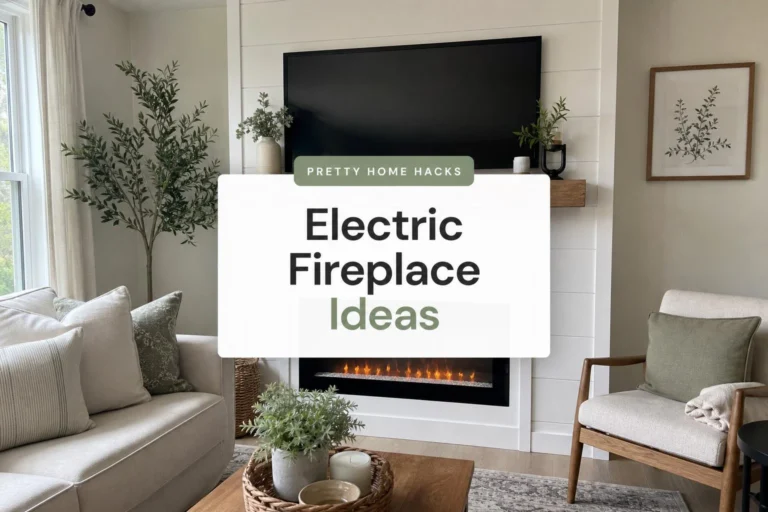
1- Wall Mounted Linear Fireplace
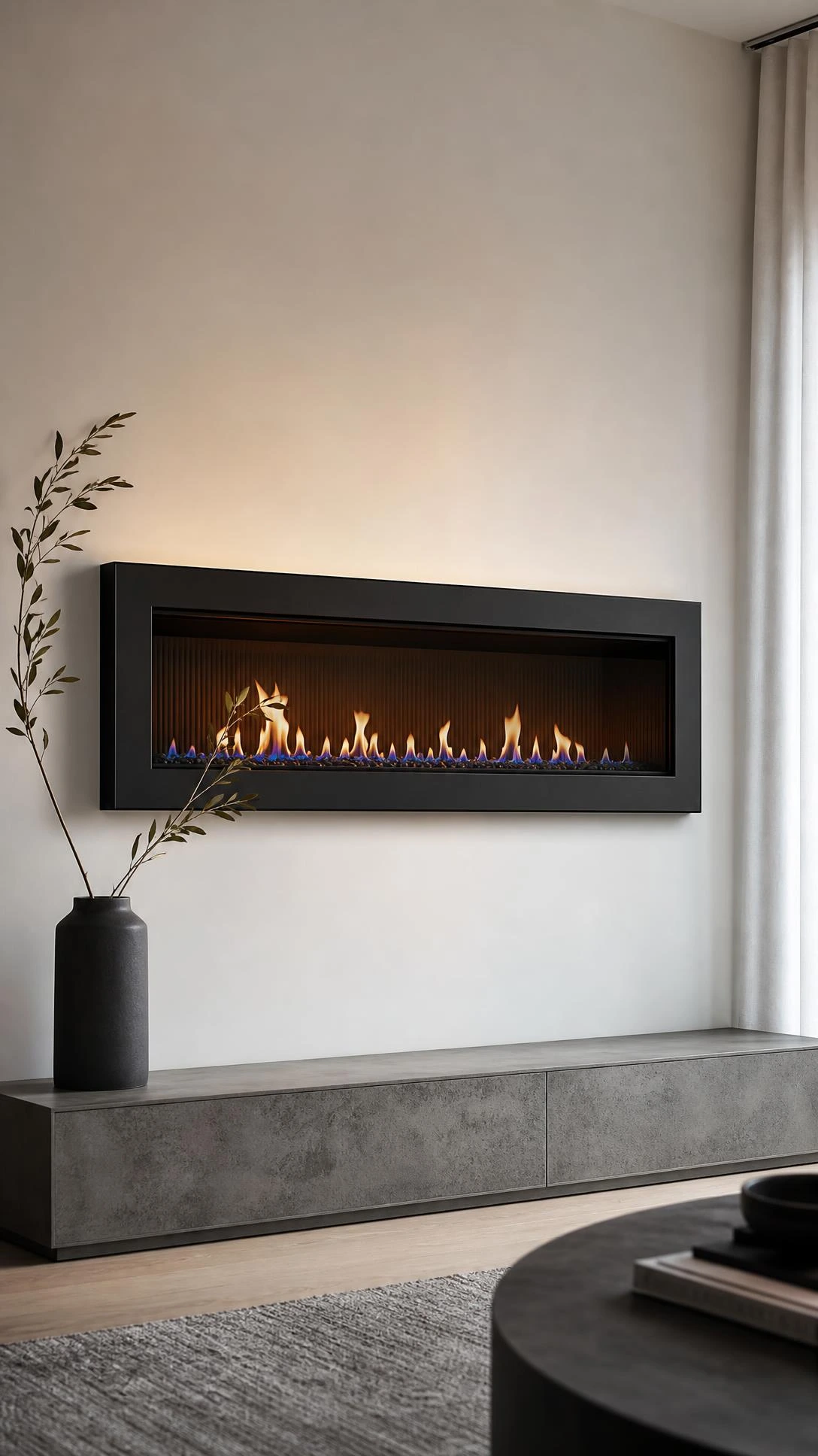
A wall mounted linear fireplace is one of the smartest moves in a small living room because it takes up zero floor space and adds a serious focal point at the same time.
The long horizontal shape actually makes a room feel wider, which is always a nice surprise when the whole goal was just to add some warmth.
Most wall mounted electric linear fireplaces sit about 4 to 6 inches off the wall and come in widths starting around 40 inches, so even a smaller wall can usually handle one without feeling cramped.
Mounting it at eye level when seated, which is roughly 12 to 18 inches off the floor, keeps the proportions feeling right for a living room rather than a hallway.
The flame sits behind a glass panel, which keeps the open fire look without any actual clearance requirements eating into the room.
2- Corner Gas Fireplace
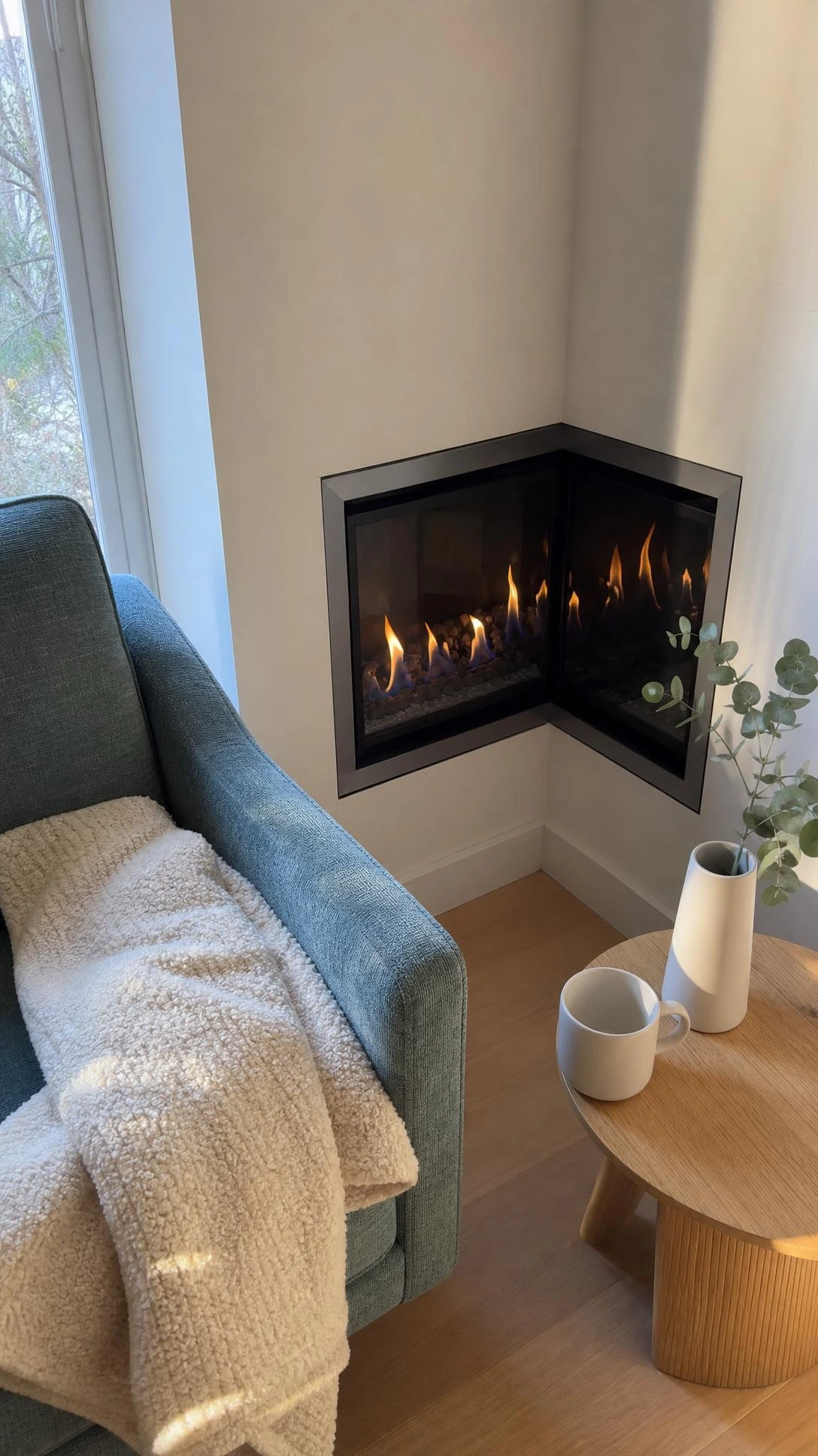
Nobody ever thinks of the corner of a small living room as usable space, but a compact corner gas fireplace turns the most awkward spot in the room into the best one.
Corner fireplaces work especially well in rooms where there is no obvious feature wall because they create one without requiring any furniture to move around to accommodate it.
A corner gas insert with a simple tapered surround in white or light gray tends to read as architectural rather than bulky, which matters a lot when the room is already working with limited square footage.
The viewing angle from a corner installation is actually quite good from most seating positions, so people in different seats all get the benefit rather than just the person sitting dead center.
This is one of those ideas that sounds like it would crowd the room and ends up doing the opposite.
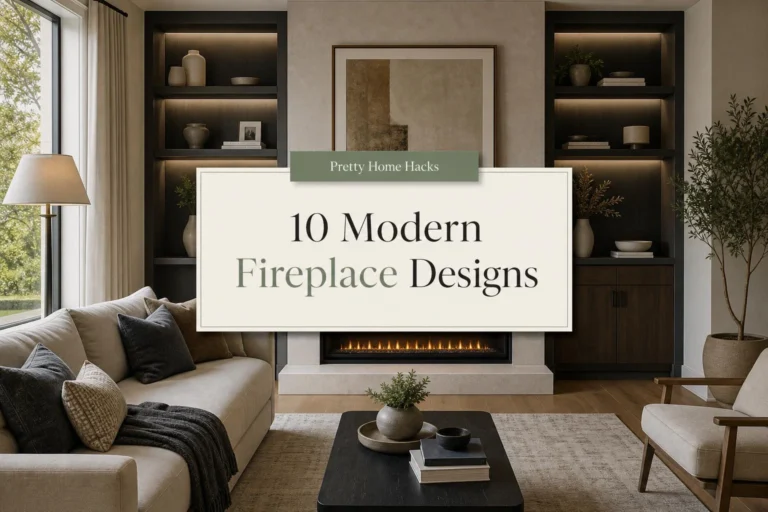
3- Minimalist Built In Fireplace With No Mantel
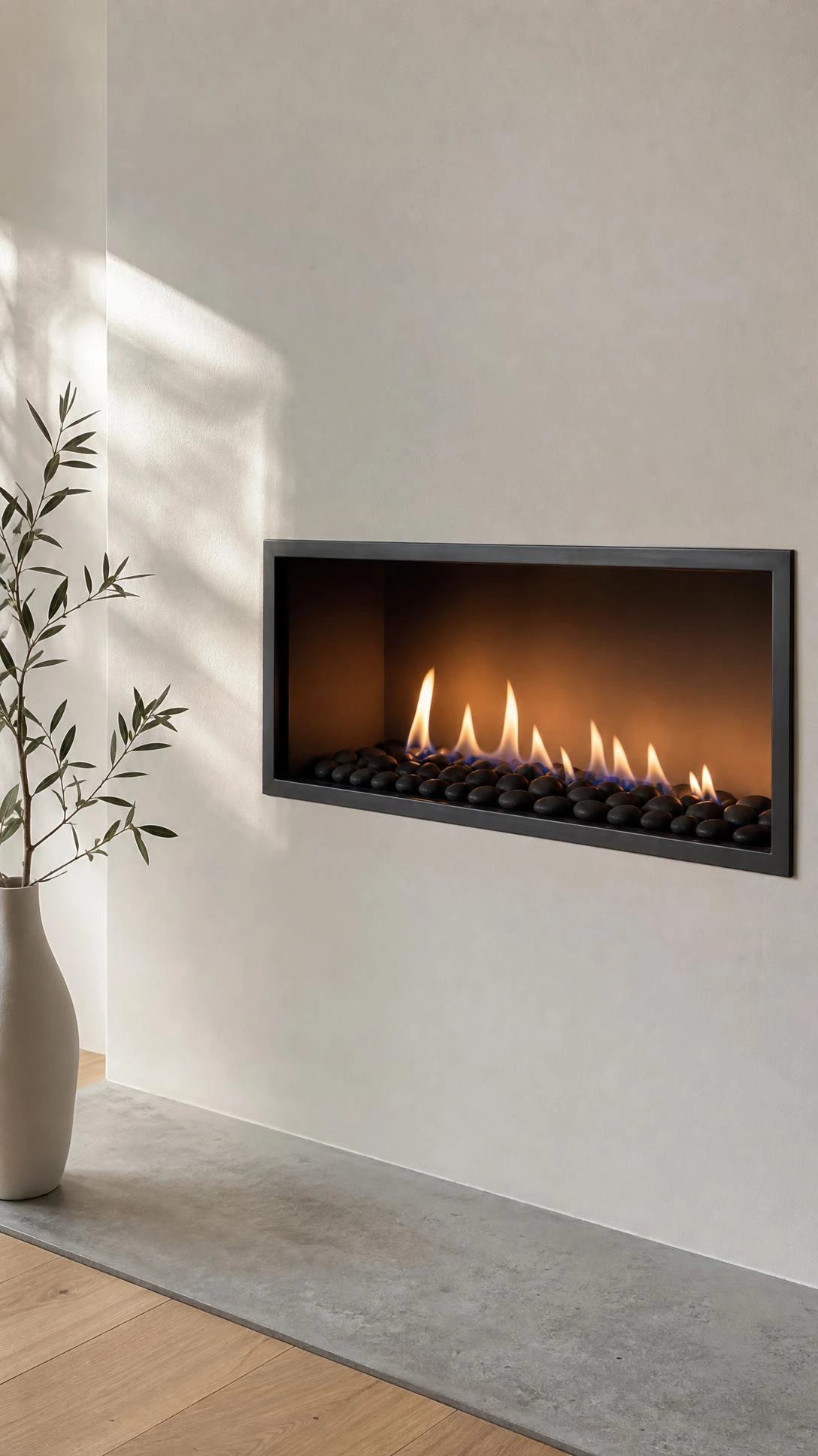
The traditional mantel is where a lot of small living room fireplaces go wrong, because once the mantel goes in with its depth and its decorative shelf and its surrounding trim, the fireplace stops being a feature and starts being an obstacle.
A minimalist built in fireplace with a flush surround and no mantel shelf keeps all of that visual clutter out of the equation entirely.
The opening sits directly in the wall with a thin frame, sometimes just an inch or two of stone or tile trim, and the result is a fireplace that feels like it was always part of the architecture.
White plaster or a large format tile in a light neutral like warm greige works well because it disappears into the wall rather than demanding attention on its own terms.
I think this is the version that ages best in a small space because it never fights with whatever else is happening in the room.
4- Freestanding Fireplace You Can Move
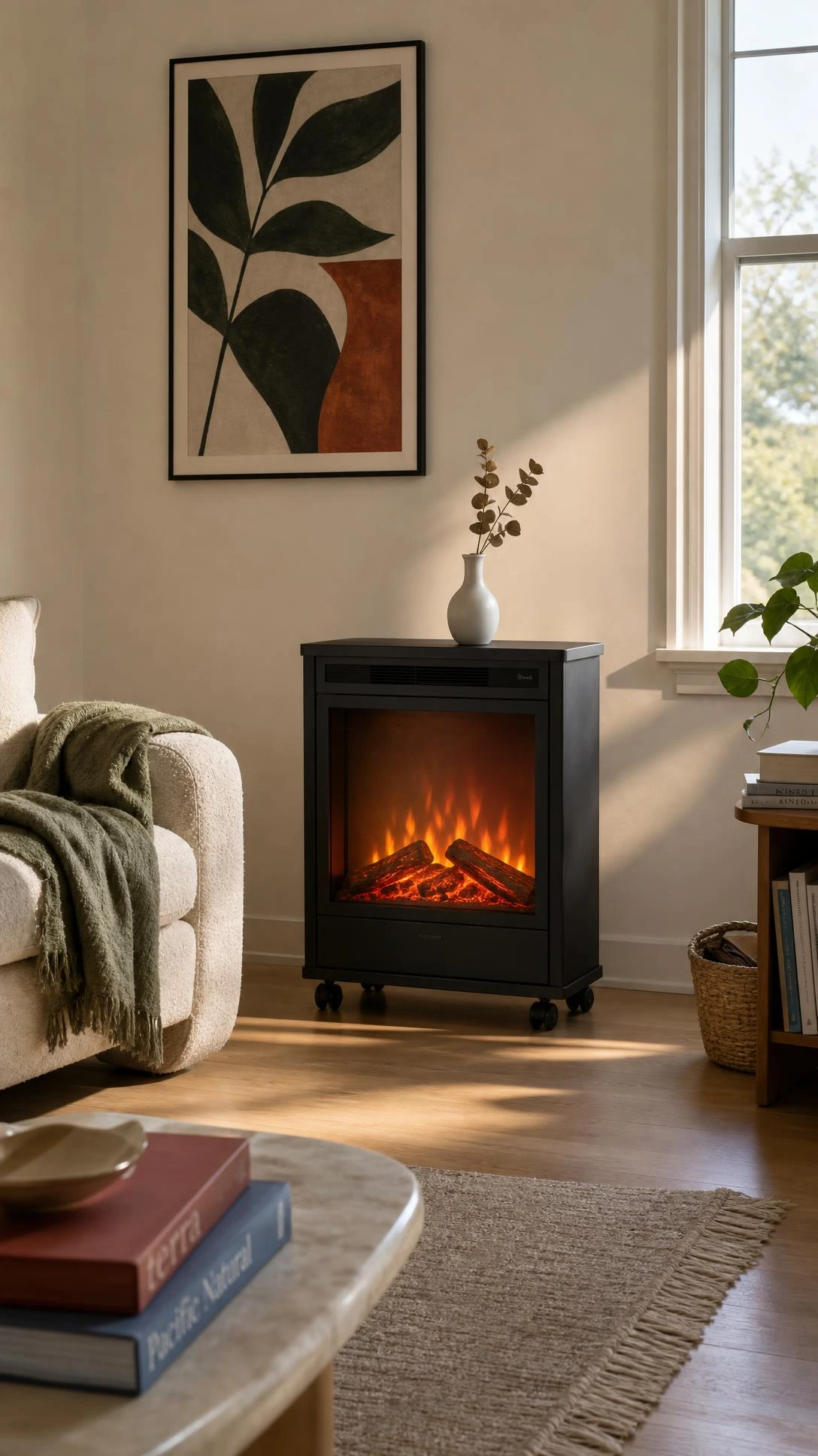
A freestanding electric or bioethanol fireplace is the option most people overlook, probably because it sounds like a compromise and it genuinely is not.
The real advantage is flexibility because it can go wherever the room needs a focal point that week, and if the furniture layout changes, the fireplace goes with it.
Freestanding bioethanol fireplaces in a matte black or brushed steel finish tend to look intentional rather than temporary, especially when placed against a plain wall with nothing competing around it.
A compact freestanding unit is typically around 20 to 30 inches wide and about the same height, so it reads as a piece of furniture rather than a fixture, which keeps the room feeling flexible.
The only real caveat is that bioethanol models need ventilation, so a room with at least one openable window is the right setting for one.
5- Glass Front Electric Fireplace Recessed Into the Wall
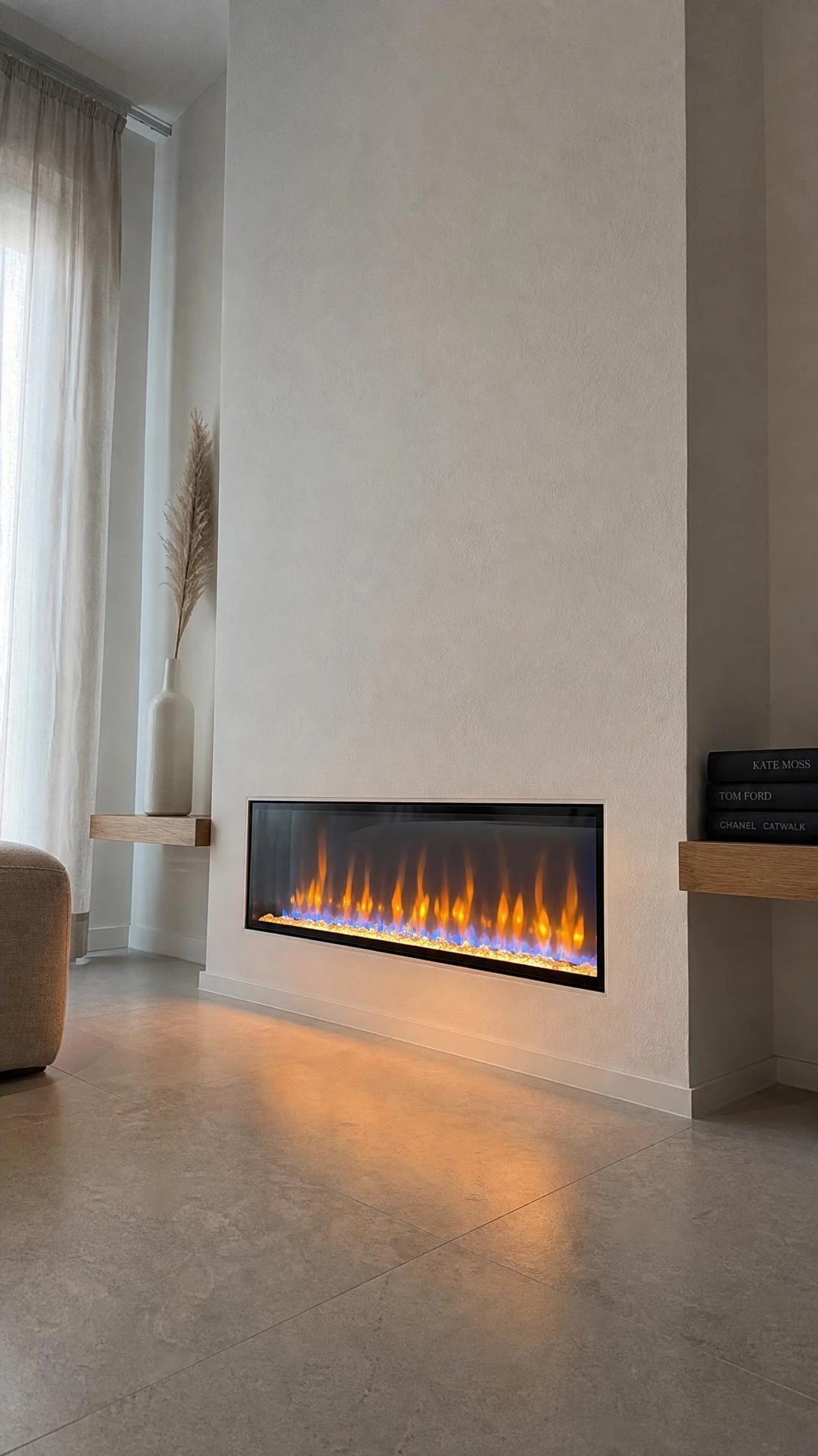
Recessing a fireplace into the wall instead of mounting it on the surface is the difference between a fireplace that adds depth and one that eats it.
A glass front electric fireplace recessed even just 4 inches into a wall creates the illusion that the wall is thicker and the flame is further away, which actually makes the room feel more spacious rather than smaller.
The glass front gives a clear view of the flame from multiple angles, which is especially useful in an open plan situation where the living room connects to a dining or kitchen area.
Most recessed electric units are designed to sit inside a standard stud wall cavity, so the installation is less involved than it sounds, and many come ready to recess without any structural changes beyond cutting the opening.
Black or dark charcoal surrounds tend to work well here because they read as an architectural detail rather than a decorative addition.
6- Color Matched Fireplace Wall
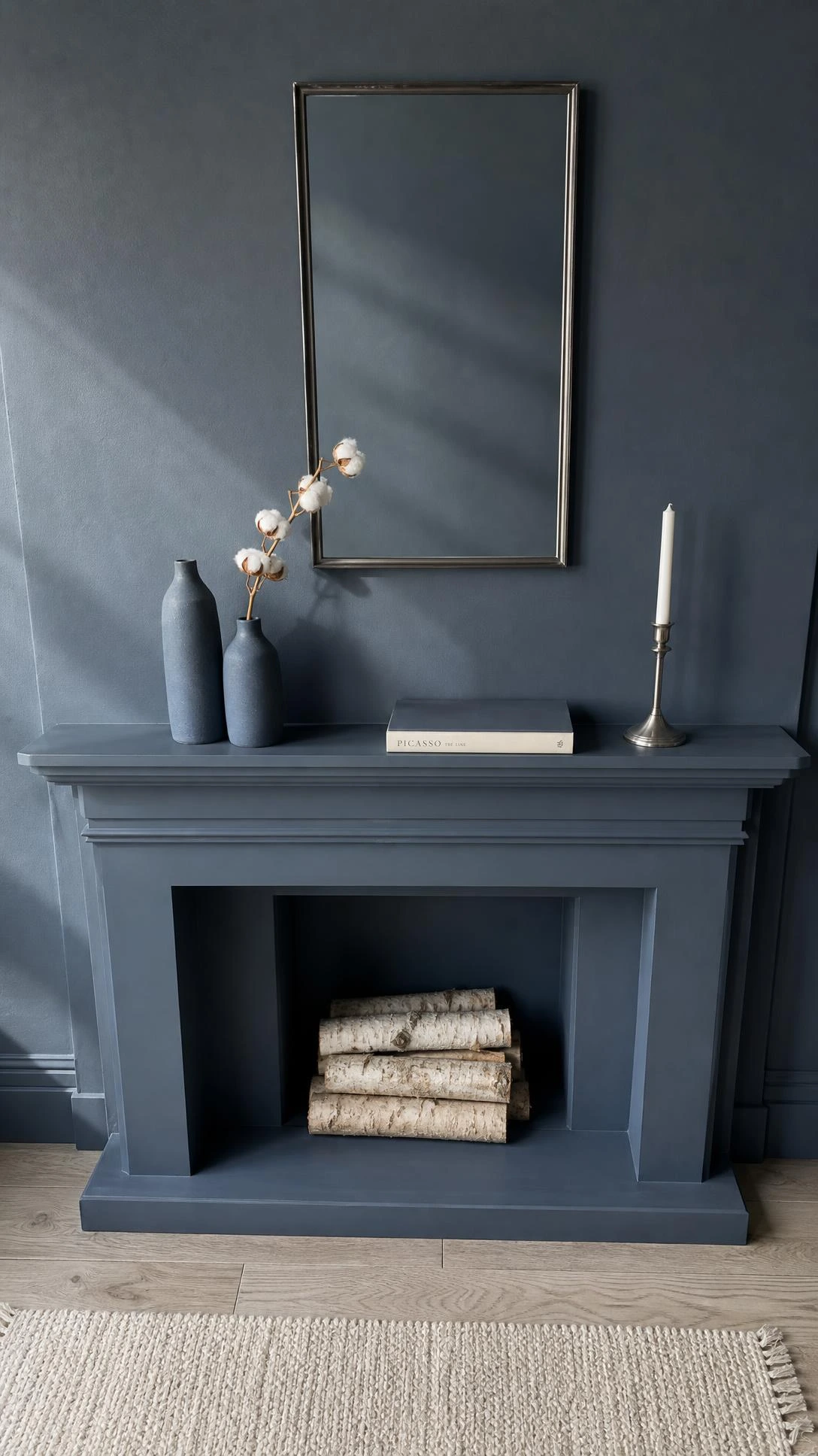
One of the most effective tricks for making a fireplace feel like part of the room rather than something dropped into it is painting the entire wall behind the fireplace the exact same color as the fireplace surround.
When the wall and the surround match, the fireplace stops being an object sitting against the wall and starts reading as part of the wall itself, which is a completely different visual experience in a small room.
A deep tone like Farrow and Ball’s Railings or a warm charcoal does this really well because it creates depth without making the wall feel heavy when the flame is lit.
The same approach works in lighter rooms using a soft white or warm off white like Benjamin Moore’s White Dove across both the wall and the surround for a seamless, airy result.
The goal is just to make the eye stop reading the fireplace as a separate element, and the paint does most of that work on its own.
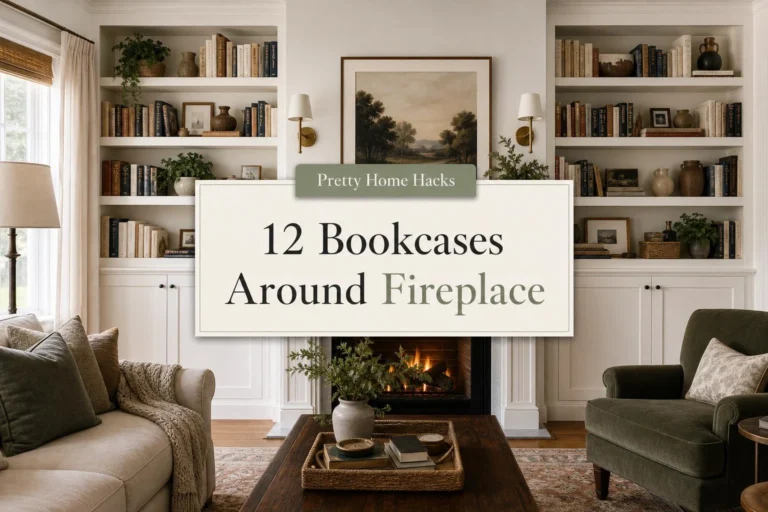
7- Built In Storage Around the Fireplace
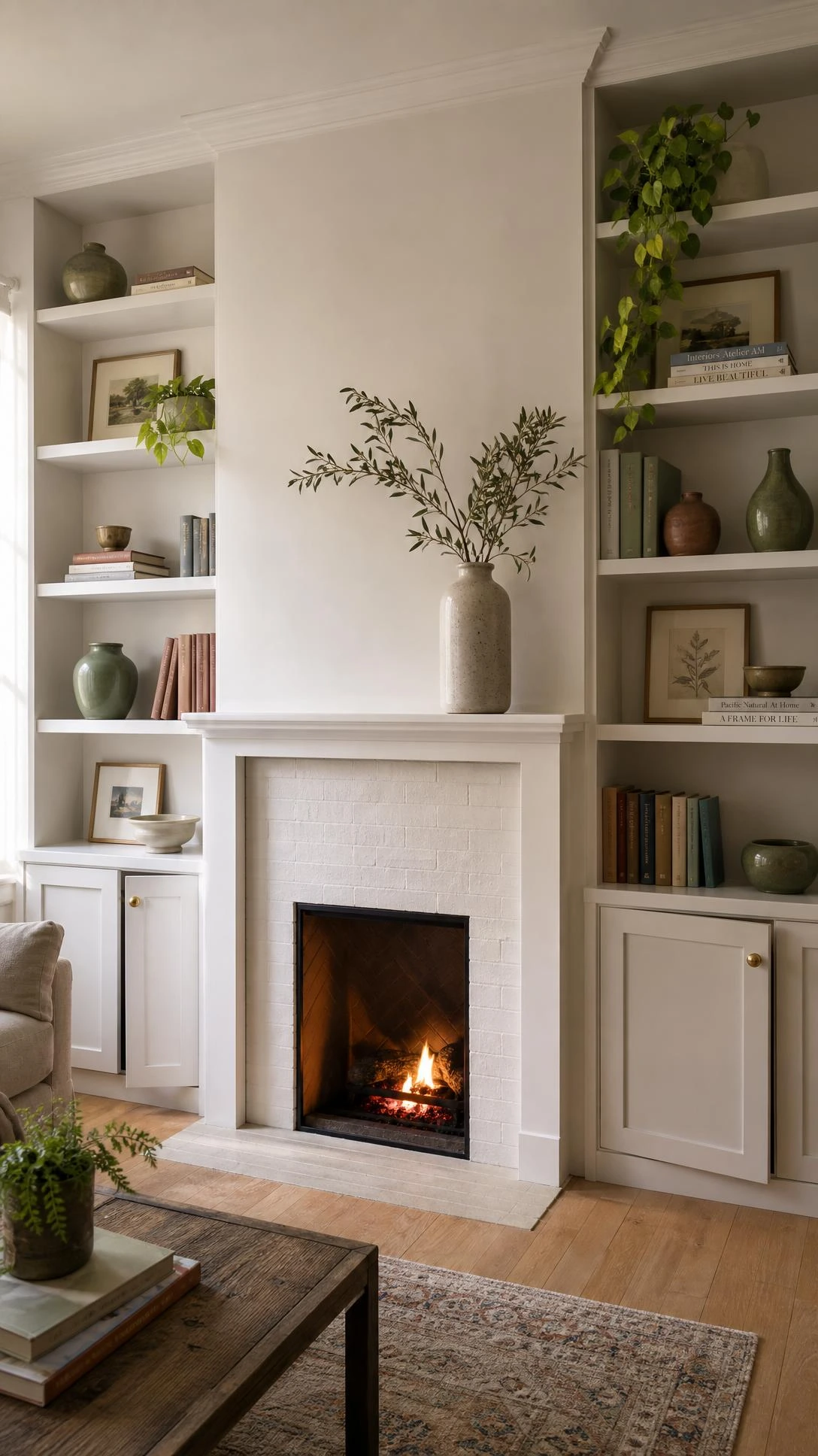
A small living room that adds a fireplace without addressing storage usually ends up with a room that feels even more cluttered than before, which is the opposite of what anyone was going for.
Building storage directly into the alcoves on either side of the fireplace solves that problem while also making the whole setup look intentional and considered rather than like the fireplace was just squeezed in wherever it fit.
Shallow built in shelving about 10 to 12 inches deep on each side is enough for books, a few plants, and a media unit without pushing out into the room in any meaningful way.
Painting the built ins the same color as the walls keeps them from competing with the fireplace and lets the flame be the actual focal point instead of sharing attention with the storage.
It also handles the always annoying question of where the TV goes, since a lower cabinet in the built in can sit at the right eye level without the fireplace and TV fighting each other for the same wall.
8- Double Sided See Through Fireplace
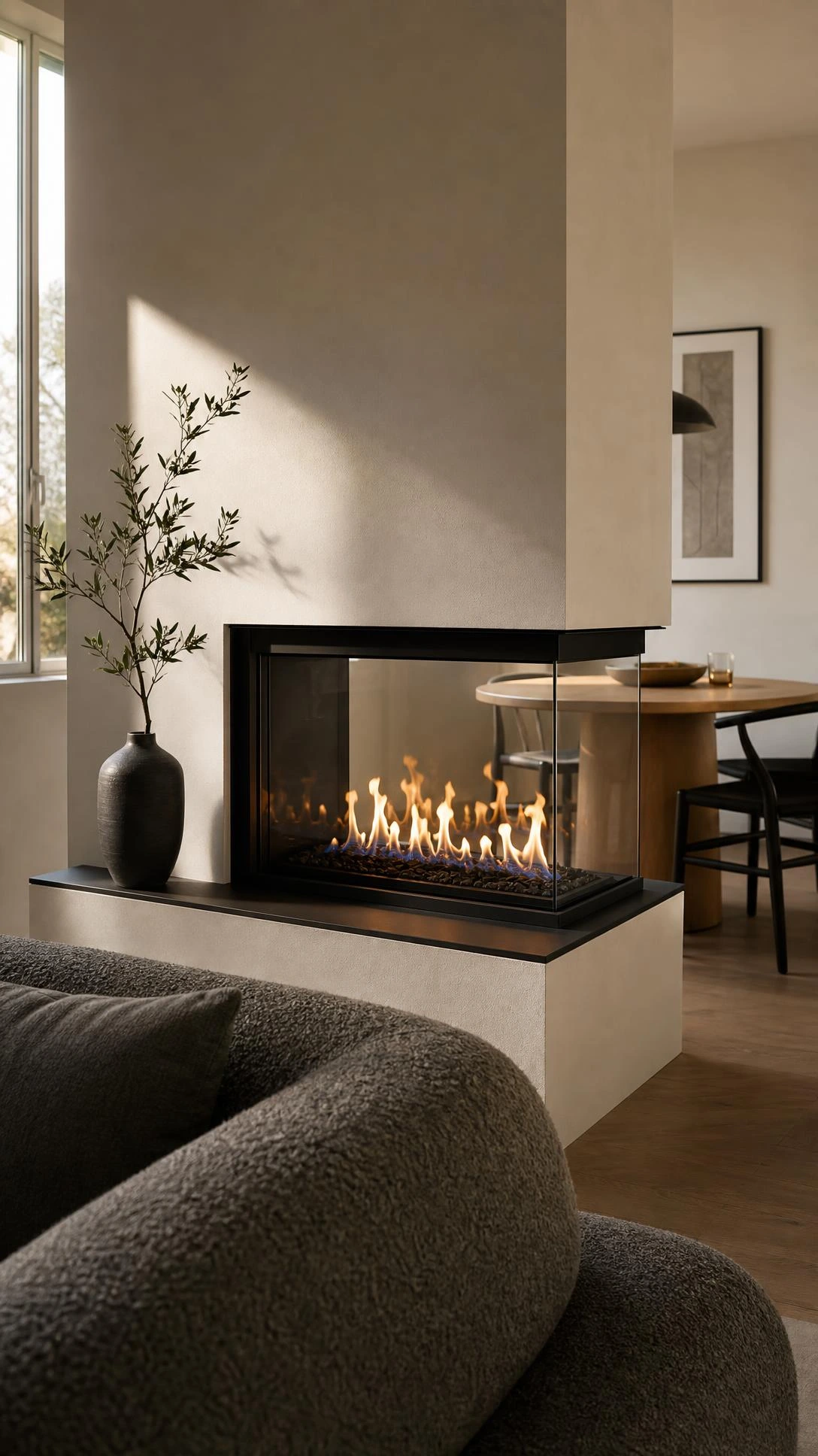
In an open concept small living room that connects to a dining space or kitchen, a double sided fireplace earns its square footage in a way almost nothing else can.
The fireplace sits in the dividing wall between two spaces and both sides see the flame, so one installation does the job of two features without taking up any additional floor space in either room.
This is what designers usually mean when they talk about visual zoning, because the fireplace creates a natural boundary between the two areas without any wall closing them off from each other.
A see through fireplace with a frameless glass front on both sides keeps the whole effect very clean and modern, and the transparency means neither room loses any light.
It works best when both rooms share a similar palette, otherwise the fireplace starts to feel like it belongs more to one side than the other.
9- Mirrored or Metallic Fireplace Surround
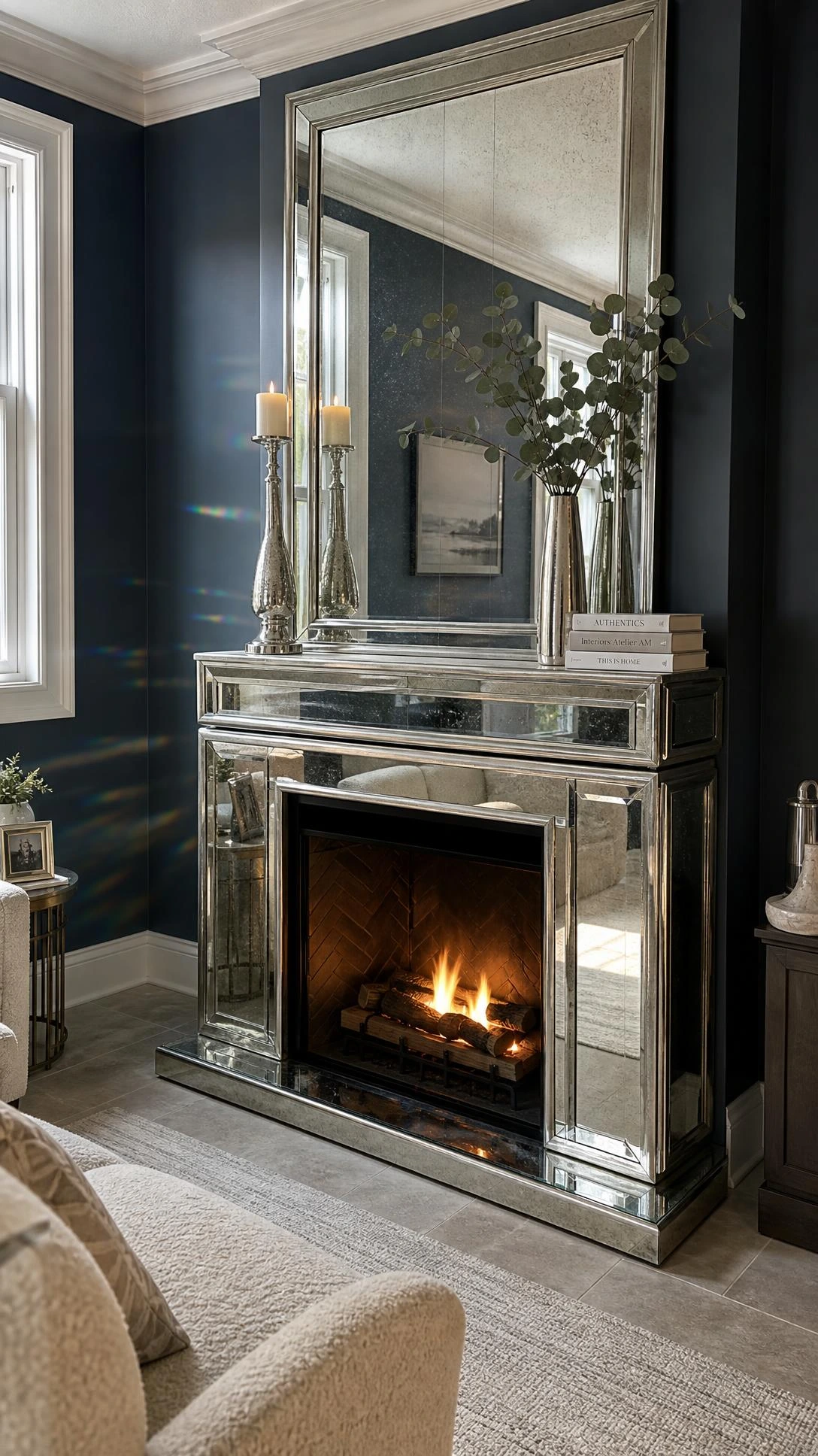
A mirrored mantel or a metallic surround in a small living room does something that most other fireplace styles cannot, which is reflect the flame back into the room and make the space feel about twice as deep as it actually is.
The reflection of the fire creates movement and light across the room, so the fireplace becomes the source of the room’s whole mood rather than just one element competing with everything else.
Brushed brass and antique bronze surrounds have been popular for a while now and they hold up well because the warmth of the metal tone plays really nicely with the color of a real or realistic flame.
A mirrored insert above the firebox rather than a full mirrored surround is an easier starting point for people who want the effect without committing to a fully reflective finish around the whole thing.
This works best in a room with at least one other warm metal accent so it feels curated rather than like the fireplace was just trying too hard.
10- Fireplace as Art Installation With Floating Frame
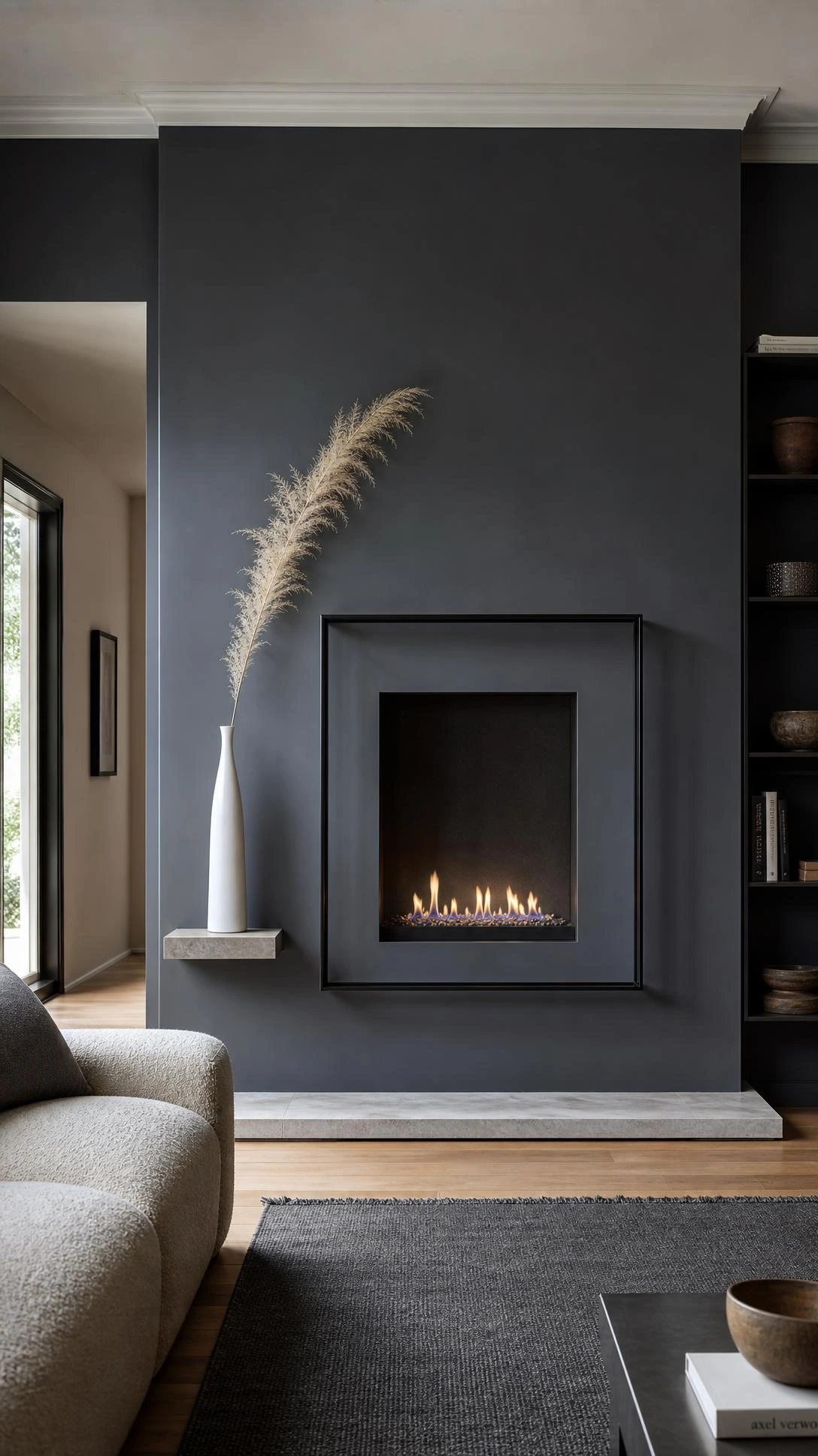
This one sounds a little out there until someone actually sees it done well, and then it makes complete sense for a small living room that wants presence without bulk.
The idea is to treat the fireplace opening as a framed piece of art by surrounding it with a thin, floating frame in a contrasting material, usually a slim metal frame in black or dark bronze against a light wall.
The flame becomes the art, which is genuinely not a stretch when a well designed electric fireplace has a realistic log or crystal media and a full range of flame colors including amber, blue, and soft white.
A frame that extends slightly wider and taller than the actual firebox, say 6 to 8 inches on each side, creates the illusion of a larger installation without any additional wall structure behind it.
I think this approach works especially well in minimalist or contemporary small living rooms where the usual mantel and surround situation would feel like too much visual noise for the rest of the space.
Small Living Room Fireplaces That Work With the Room
The common thread across all of these ideas is that none of them ask the room to reorganize itself around the fireplace.
The best open fireplace ideas for small spaces are the ones that fit into what the room is already doing rather than becoming the whole personality of it.
A small living room with a fireplace that feels right is one where a person walks in and notices the warmth and the light before they even clock that there is a fireplace there at all.
That is the version worth working toward, and most of these ideas get there without a huge amount of effort or expense.

Hi, I’m Alizabeth, the creator of Pretty Home Hacks. I share practical home decor ideas, easy DIY projects, organization tips, and budget-friendly ways to make your home feel more beautiful and functional. From small room updates to everyday home hacks, my goal is to share approachable ideas you can actually use in your own space.