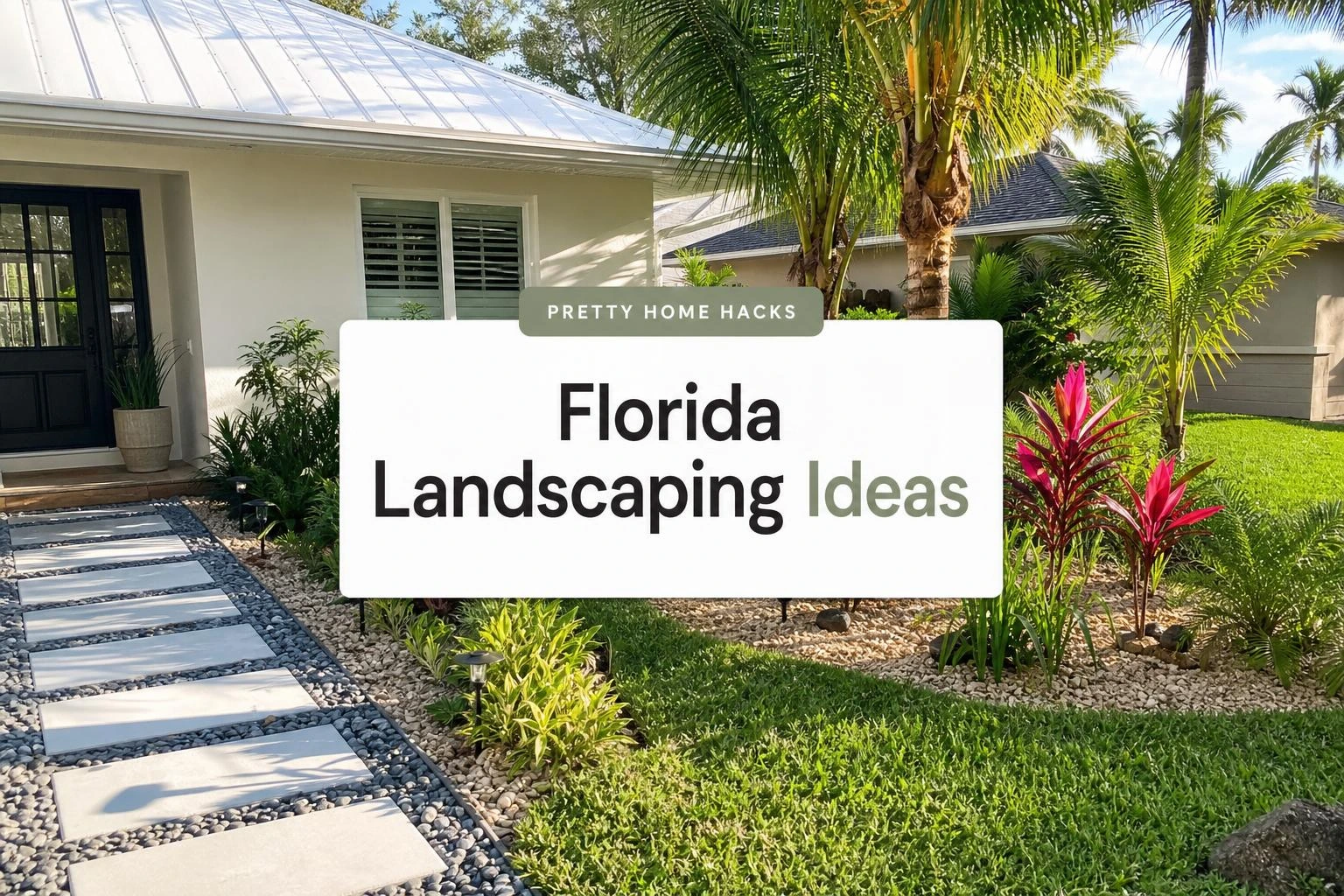
11 Florida Landscaping Ideas That Actually Work in Heat and Humidity
Florida yards are one of those things that look easy until the first summer hits and everything either drowns, burns, or gets eaten by something with too many legs.
The drainage alone is enough to make people give up on a landscaping plan entirely, because one heavy afternoon storm can turn a perfectly nice backyard into a shallow lake by dinnertime.
Most people assume Florida landscaping just means throwing some palm trees in and calling it done, which works fine until the foundation wall looks like a concrete slab in a parking lot and the low spots turn into a mud pit every single week.
The good news is that the right Florida landscaping ideas work with the climate instead of fighting it, and that shift makes everything a lot less frustrating to maintain.
These are the ideas that actually hold up through the wet season, the dry season, and whatever weird in-between weeks Florida decides to throw in.
1- Fix Low Spots with Soil and Sand Before Planting Anything
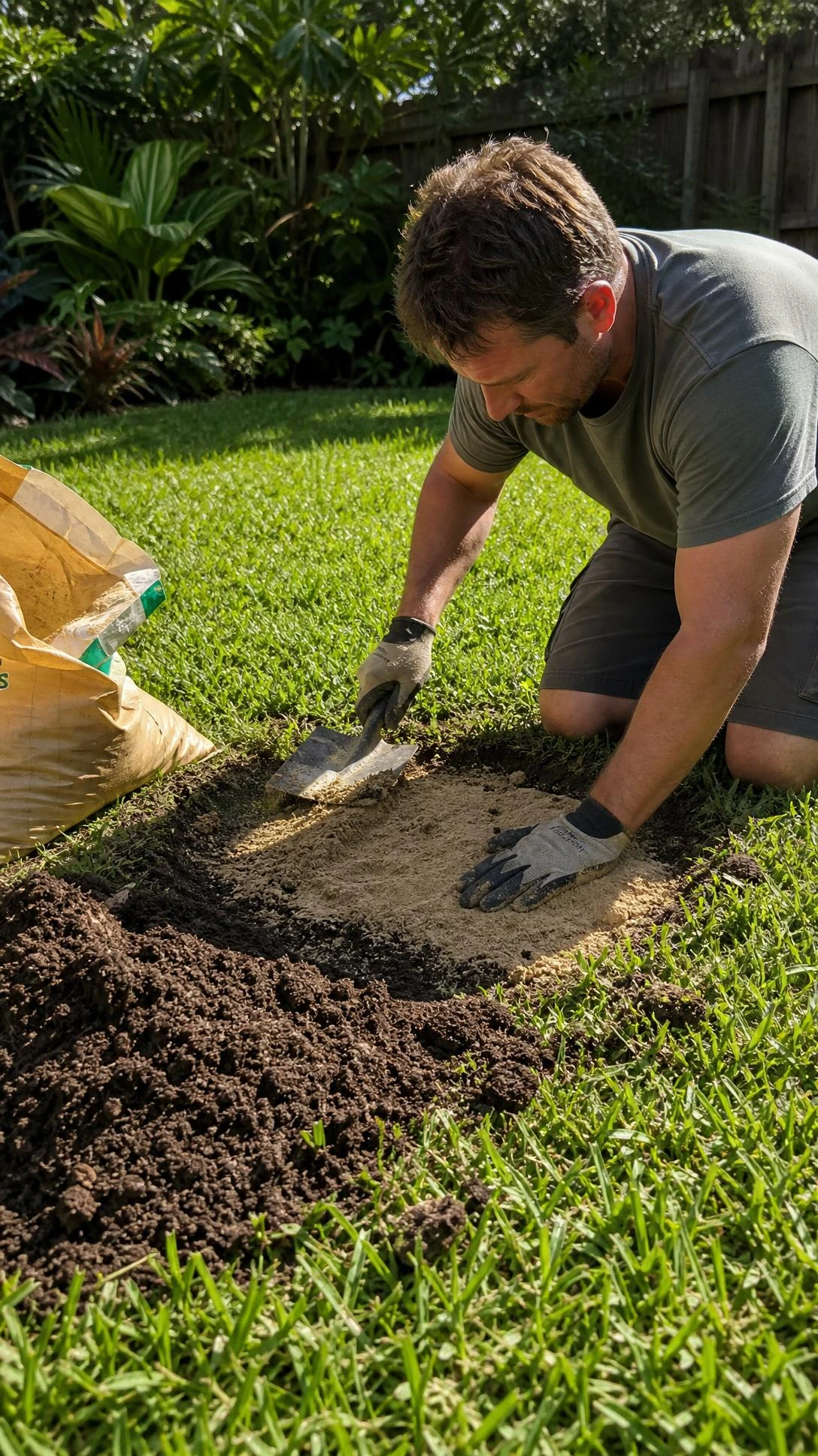
Nobody wants to admit that the drainage situation needs to be sorted out before a single plant goes in the ground, but skipping this step means redoing everything later.
Low spots in a Florida yard collect standing water fast, and that sitting moisture invites mosquitoes, kills grass roots, and creates those muddy patches that ice over in the rare cold snap and stay slick for days.
The fix is raising those areas with a mix of topsoil and coarse sand, usually about a 70/30 blend, built up a few inches above the surrounding grade so water moves away from it instead of pooling.
This works best when done before any sod or ground cover goes down, because trying to fix drainage after the fact means pulling things up and starting over.
I think most people underestimate how much a simple grade correction changes the whole feel of a yard once the rainy season rolls around.
2- Auger Drainage Holes in Problem Areas with Gravel Fill
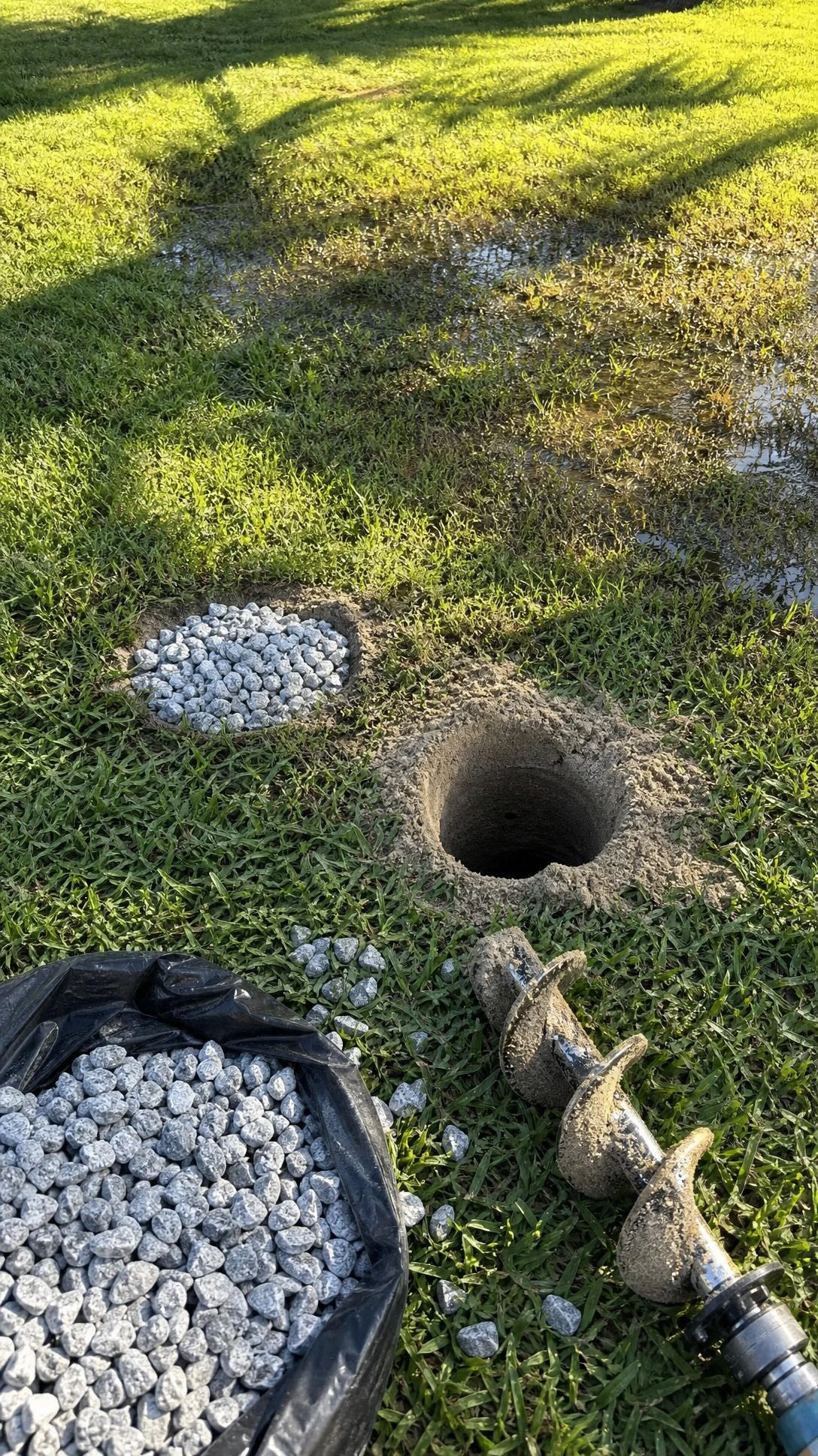
Some spots in a Florida yard stay wet no matter how much the grade gets adjusted, and that is usually a sign the soil underneath is compacted clay that water just cannot move through.
Digging or augering holes about 3 to 4 feet deep in those spots and filling them with 2-inch gravel before covering the top with dirt gives the water somewhere to go instead of sitting on the surface.
A standard 6-inch diameter auger bit handles this well, and spacing the holes about 4 feet apart in a problem zone makes a noticeable difference after the first few heavy rains.
This is one of those florida landscaping ideas that sounds like more work than it is, because the actual digging takes maybe an afternoon and the results last for years.
Once the drainage is handled, the rest of the yard work becomes a lot more predictable.
3- Dense Upright Evergreens to Screen Concrete Foundation Walls
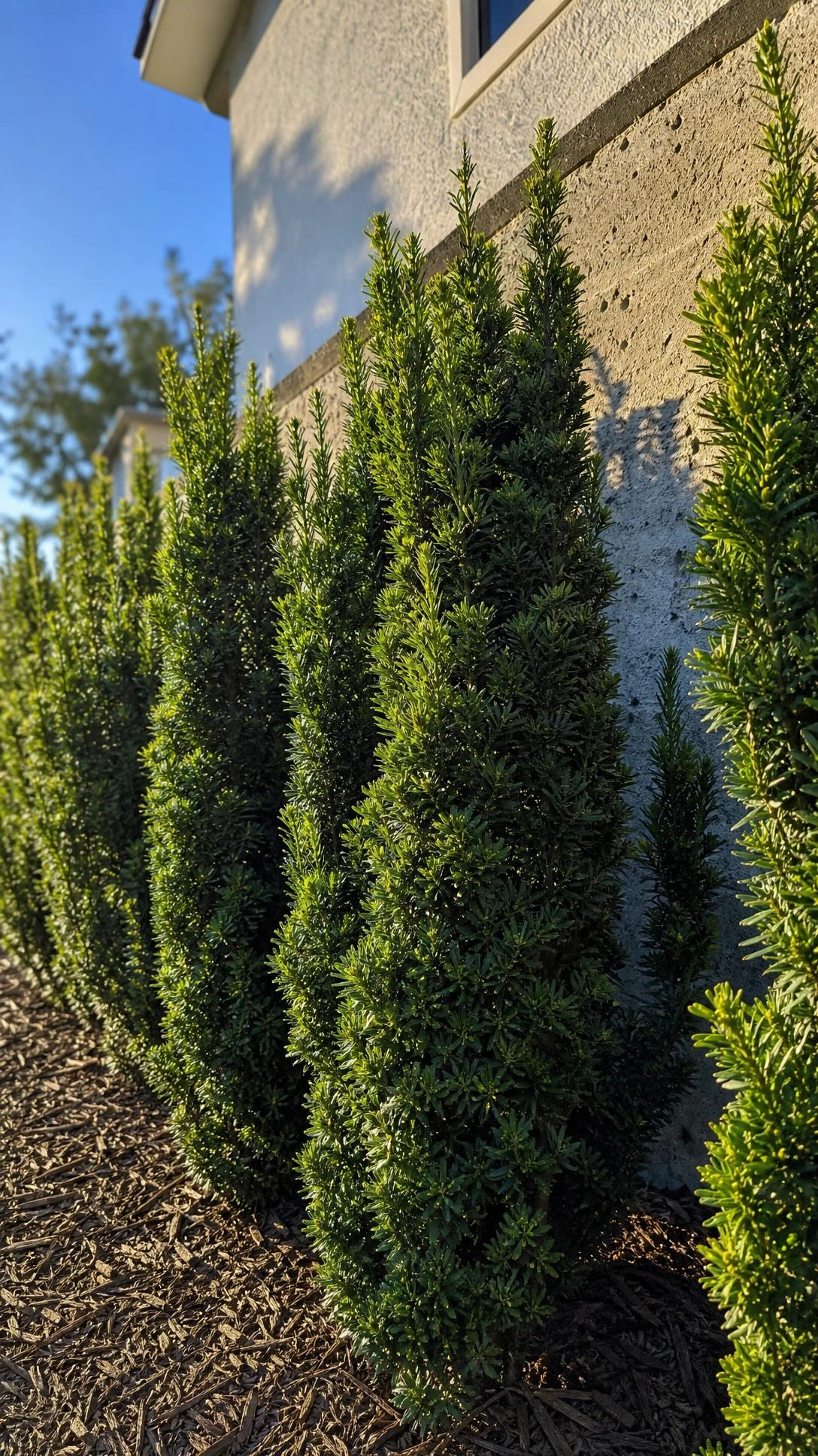
Concrete foundation walls are one of the most common eyesores in Florida landscaping, and most people stare at them for years without realizing there is an easy fix that works in every season.
Dense upright evergreens like podocarpus, dwarf hollies, or yaupon holly planted in a row directly in front of the wall create a clean green screen that stays full year-round, even through Florida winters.
Spacing them about 2 to 3 feet apart and choosing a variety that reaches 4 to 6 feet at maturity means the coverage is solid without the plants outgrowing the space in two seasons.
Podocarpus in particular holds its shape well without much pruning, which matters a lot when summer heat makes yard maintenance feel like a part-time job nobody signed up for.
The concrete disappears behind the greenery pretty quickly, usually within one full growing season, which is always a nice surprise.
4- Native Muhly Grass for Low Maintenance Color in Fall
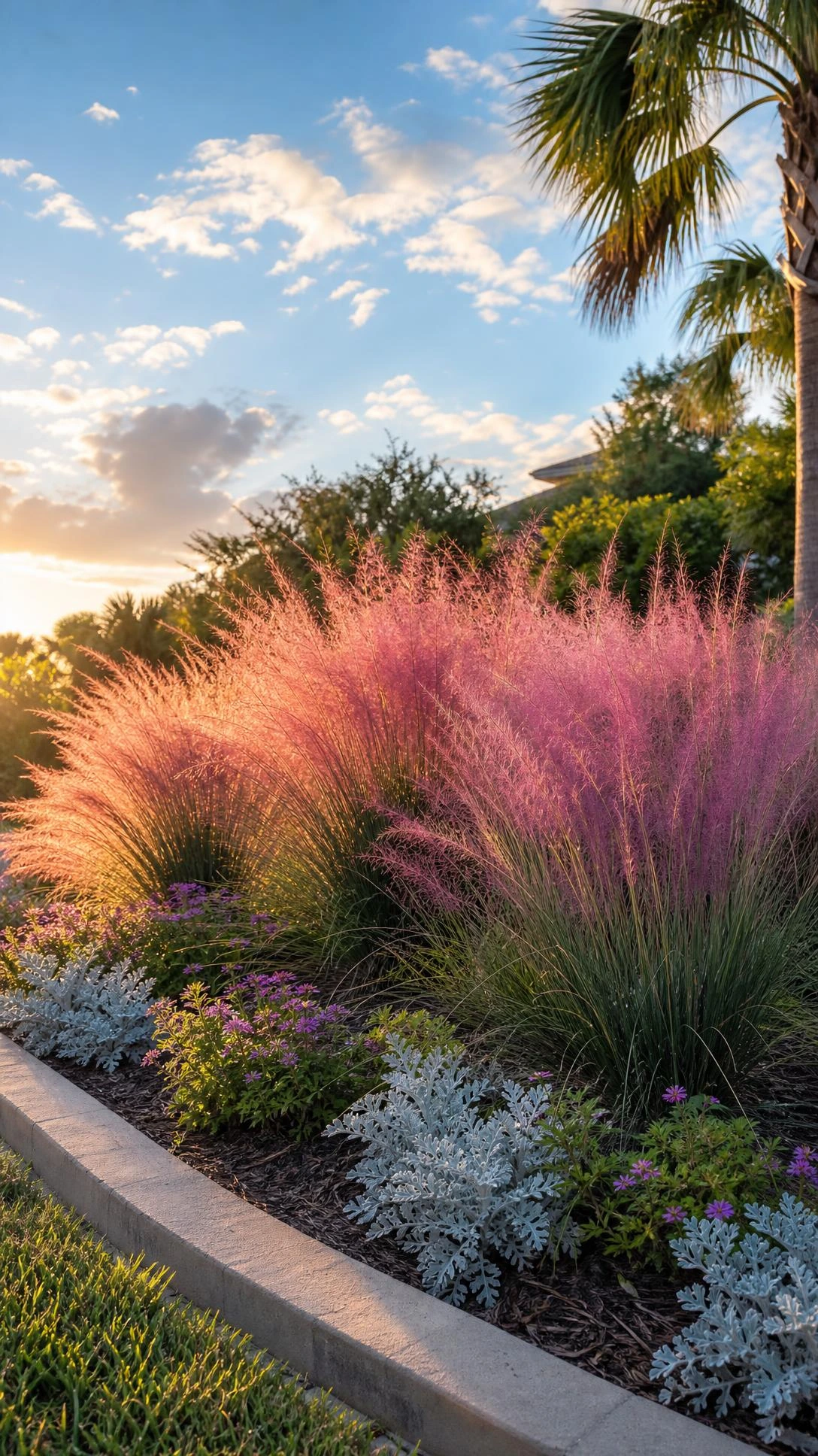
Most ornamental grasses struggle in Florida, but muhly grass is genuinely one of those plants that seems to get happier the more the weather ignores it.
It goes mostly unnoticed from spring through summer as a simple green clump, then explodes into clouds of pink and purple plumes in October and November when everything else in the yard looks tired.
A single clump reaches about 3 feet tall and wide, and planting three or five together in an odd-numbered grouping along a fence line or property edge creates a statement that costs around 8 to 15 dollars per plant at most Florida nurseries.
It needs almost no water once established, handles full sun without flinching, and comes back every year without any fuss.
For anyone who wants color without a watering schedule, muhly grass is the answer.
5- Coontie Palms as Ground Cover That Handles Deep Shade
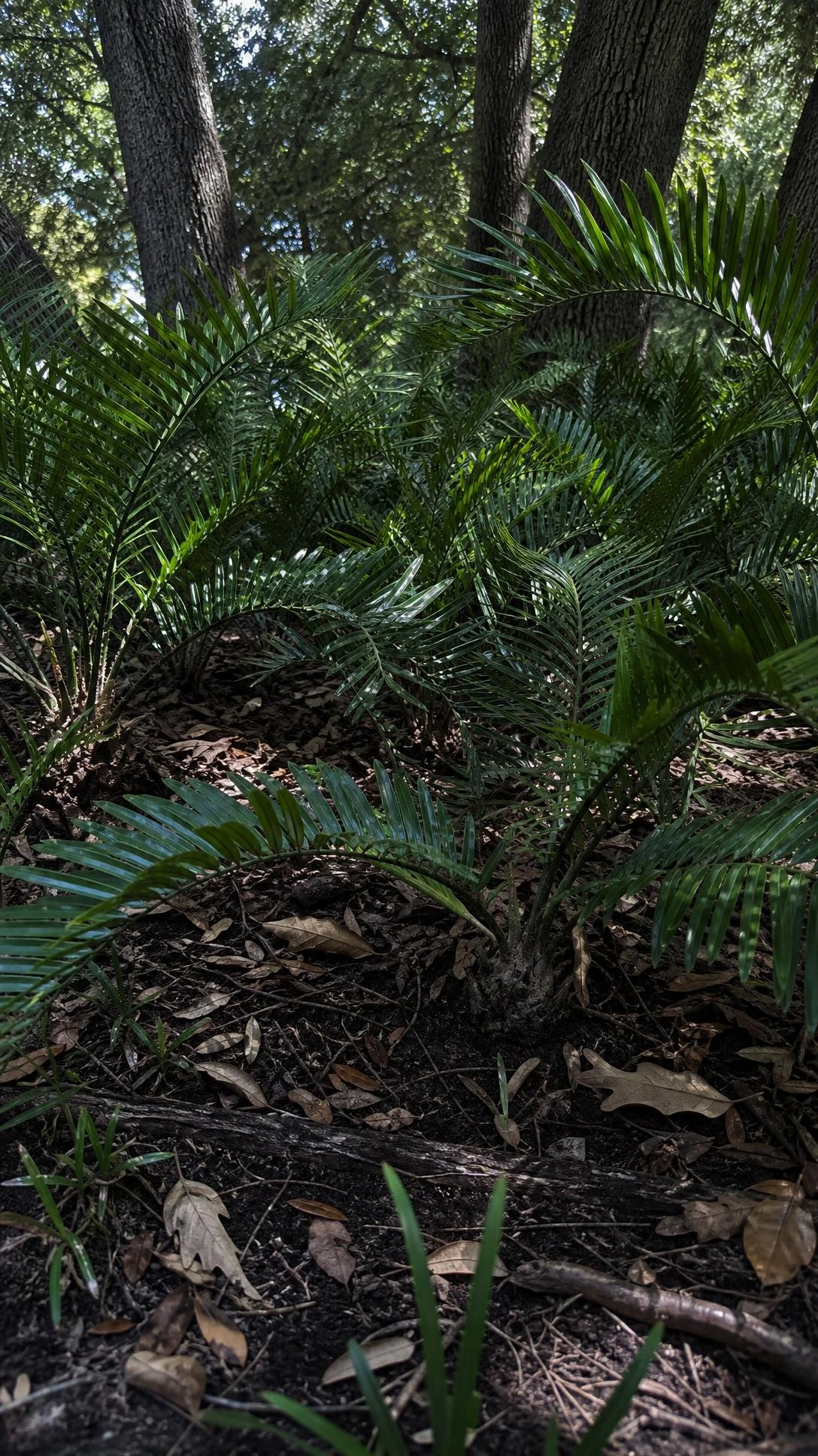
Shady areas under large oak trees are one of the trickiest spots in any Florida yard because most ground covers either rot out or just refuse to grow there.
Coontie is a native cycad that thrives in exactly those conditions, stays low at about 2 to 3 feet tall, and keeps its dark glossy leaves through the whole year without needing supplemental water once it settles in.
It also happens to be the host plant for the atala butterfly, which sounds like a small detail but makes the yard feel like it is actually doing something good for the local ecosystem.
Most Florida nurseries carry it in 3-gallon containers for around 12 to 20 dollars, and it fills in slowly but steadily over two to three seasons.
It works best planted in groups under the canopy drip line where other plants have already given up.
6- Crushed Shell Pathways Instead of Mulch in High Traffic Areas
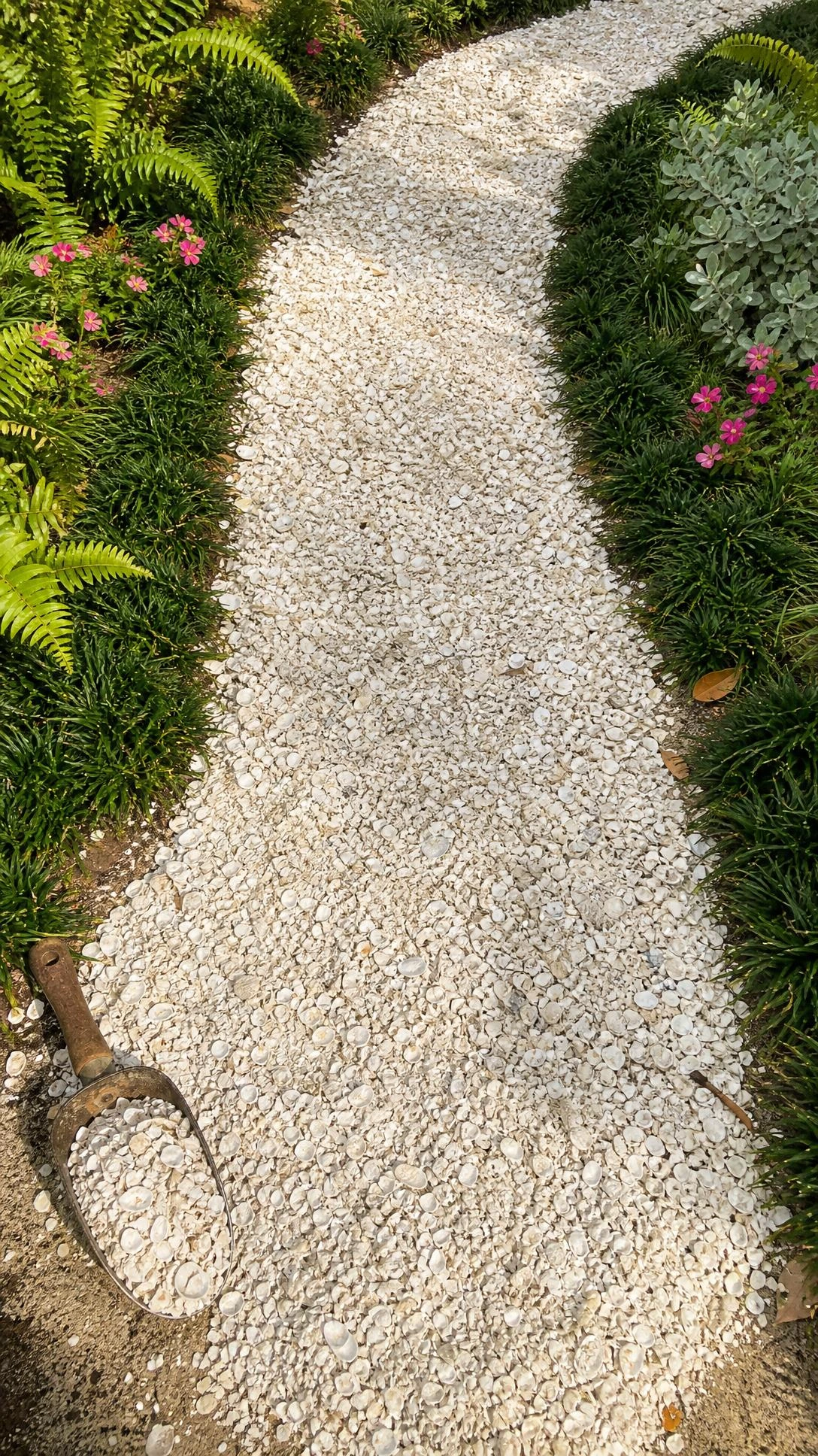
Mulch in Florida high-traffic areas turns into a muddy mess within one rainy season, and then it needs replacing, and then it gets muddy again, and the cycle gets old fast.
Crushed shell, which is widely available at Florida landscape supply yards for around 35 to 50 dollars per cubic yard, compacts firmly underfoot, drains instantly, and actually looks more natural in a coastal or subtropical setting than dyed wood mulch ever does.
A 2 to 3 inch layer laid over landscape fabric along a garden path or side yard area stays put through heavy rain and holds its look for several years without much refreshing.
The crunching sound underfoot is something people either love or find annoying, so it is worth knowing that going in.
That said, for anyone tired of replacing soggy mulch every spring, this is an easy swap that holds up.
7- Firebush for Year-Round Color and Butterfly Traffic
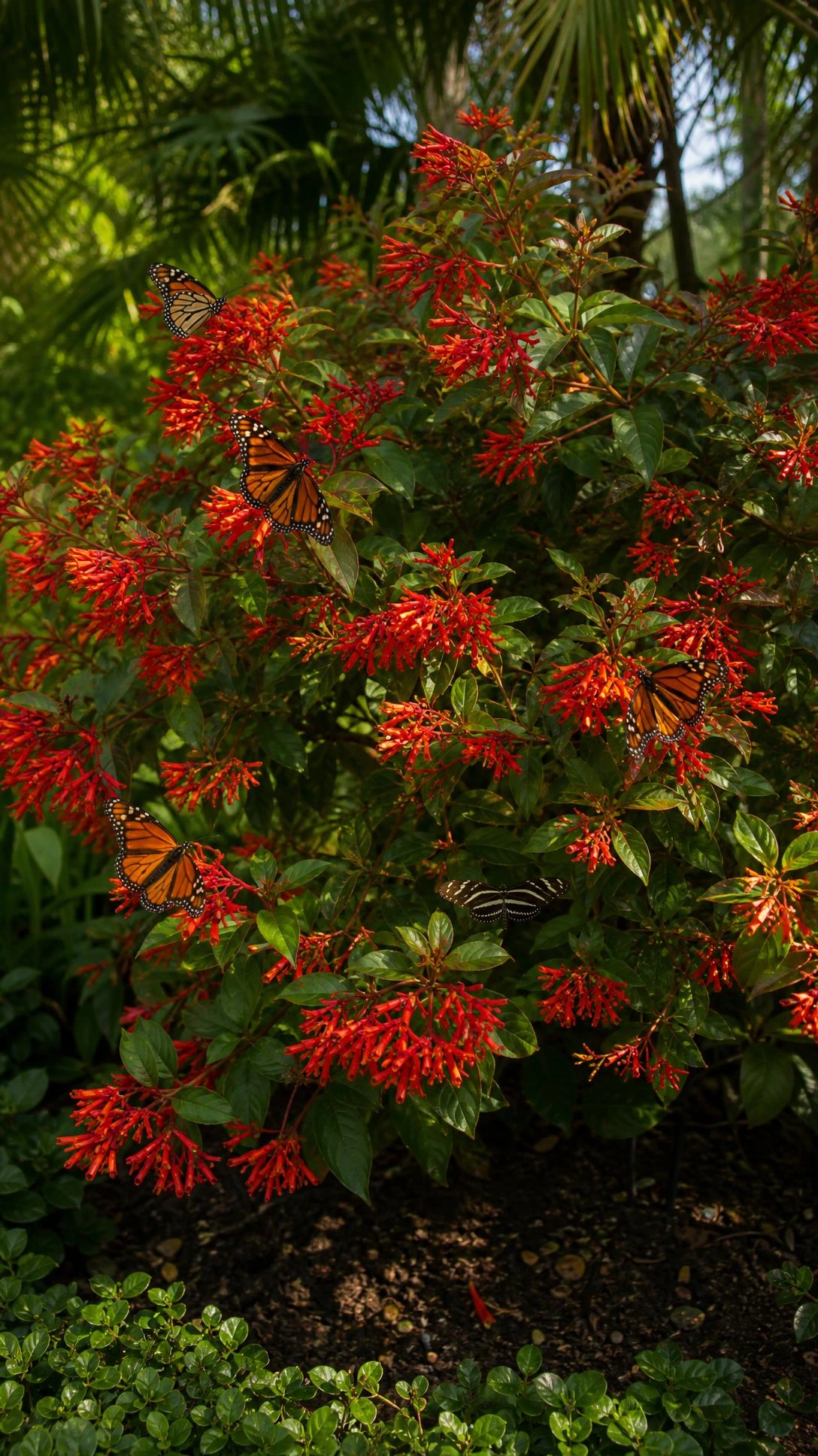
Florida landscaping ideas that require weekly watering and constant deadheading are fine in theory and miserable in practice once August shows up.
Firebush is a native shrub that blooms in bright orange and red from spring through fall, handles full sun and drought once established, and attracts hummingbirds and butterflies in a way that makes the yard feel alive without any effort from the person who owns it.
It grows fast, reaching about 5 feet tall and wide in a single season in ideal conditions, so spacing matters more than people expect when they first plant it.
A dwarf variety called Hamelia patens ‘Compacta’ stays around 3 feet and works better in smaller beds or near entryways where the full-size version would take over quickly.
It is one of those plants that makes a yard look well-designed even when almost nothing else is going on.
8- Raised Planting Beds to Work Around Poor Soil Drainage
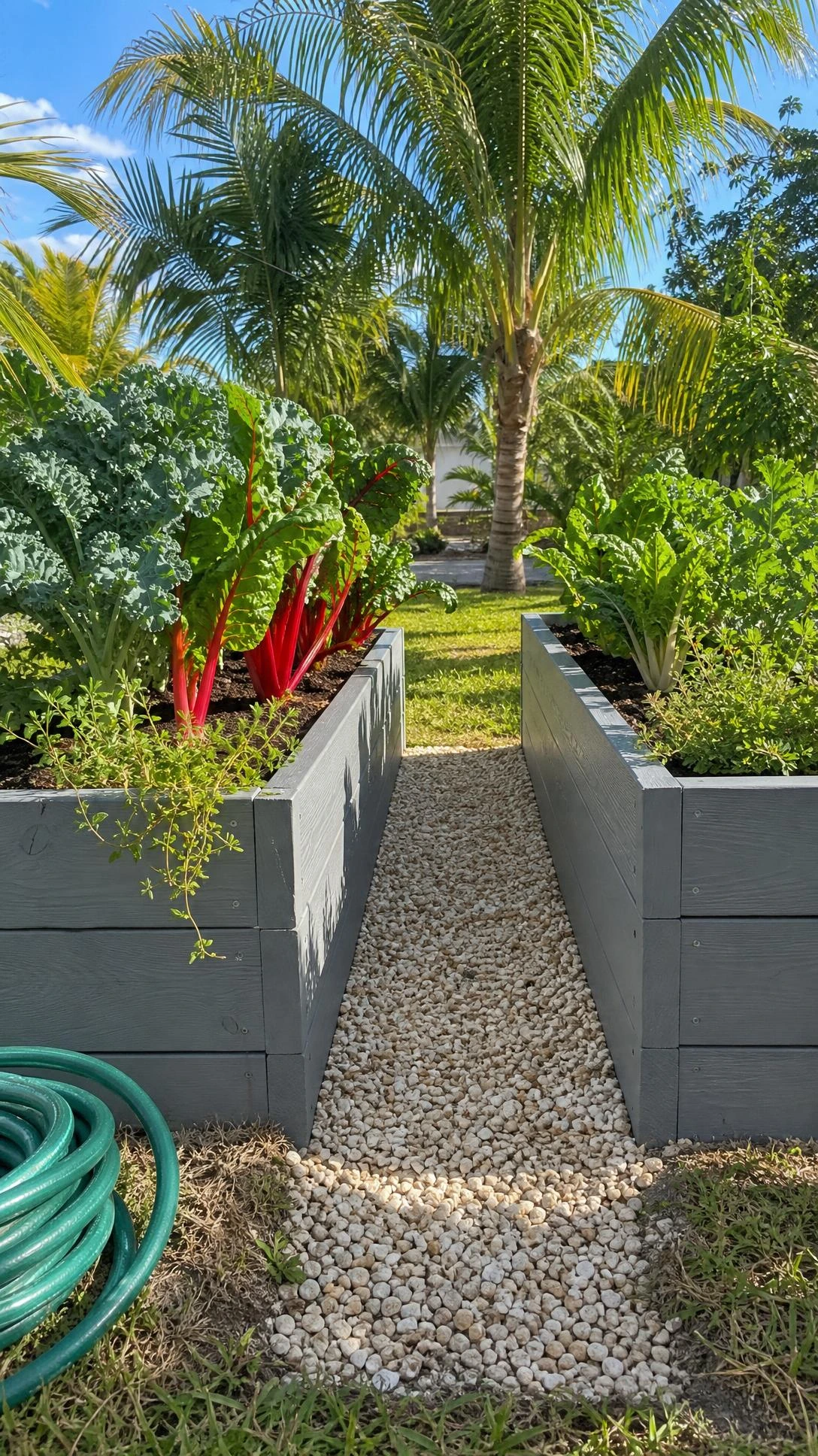
Florida soil ranges from sandy and fast-draining in some areas to heavy clay that holds water like a bathtub in others, and most vegetable and herb gardens fail here because people plant directly into whichever one they happen to have.
Raised beds built at least 12 inches high and filled with a mix of quality compost, topsoil, and perlite sidestep the native soil problem entirely and give plants the drainage and nutrition they actually need.
Cedar or composite lumber holds up well in Florida humidity without rotting out in a season, and a basic 4 by 8 foot bed built from 2 by 12 cedar boards costs around 80 to 120 dollars in materials.
The raised height also makes it easier to spot pests and pull weeds without spending the whole morning bent over in the summer heat, which matters more than people think until they have done it the other way.
Most people who switch to raised beds in a Florida yard never go back to in-ground planting for edibles.
9- Live Oak Underplanting with Asiatic Jasmine Ground Cover
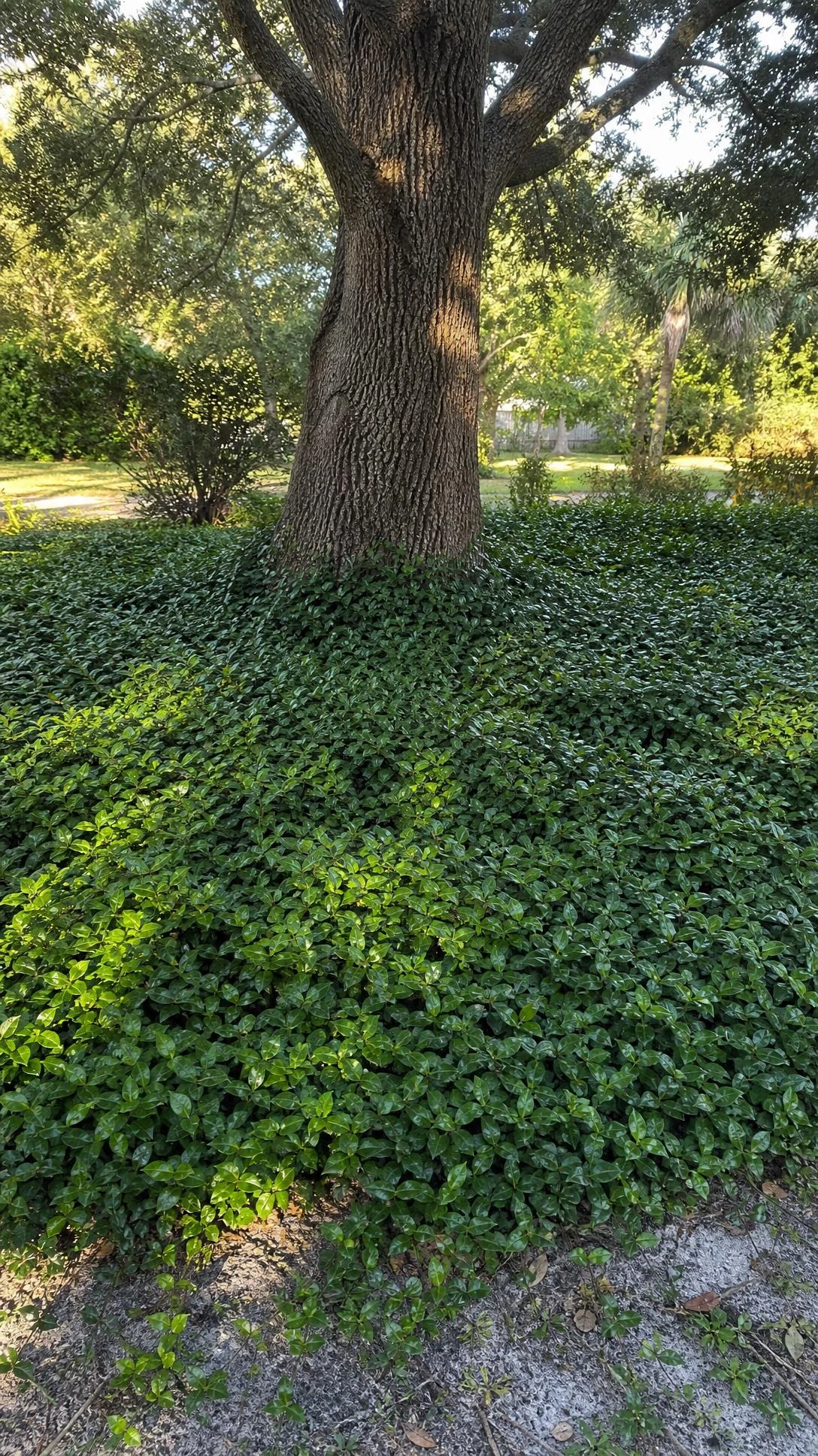
The area under a mature live oak is one of the most challenging spots in a Florida landscape because the surface roots make mowing impossible and the shade makes most plants struggle.
Asiatic jasmine planted as a ground cover under live oaks handles that combination of root competition and shade better than almost anything else, spreading slowly into a dense low mat that stays green year-round and needs no mowing once it fills in.
Planting from 4-inch pots spaced about 12 inches apart gives good coverage within two seasons, and a flat of 18 plants typically runs around 20 to 30 dollars at Florida garden centers.
It does take a full growing season to get established and looks a little rough in the meantime, but once it fills in the area under the tree goes from a problem spot to one of the more polished-looking parts of the yard.
10- Bougainvillea on Fences and Walls for Drought-Proof Color
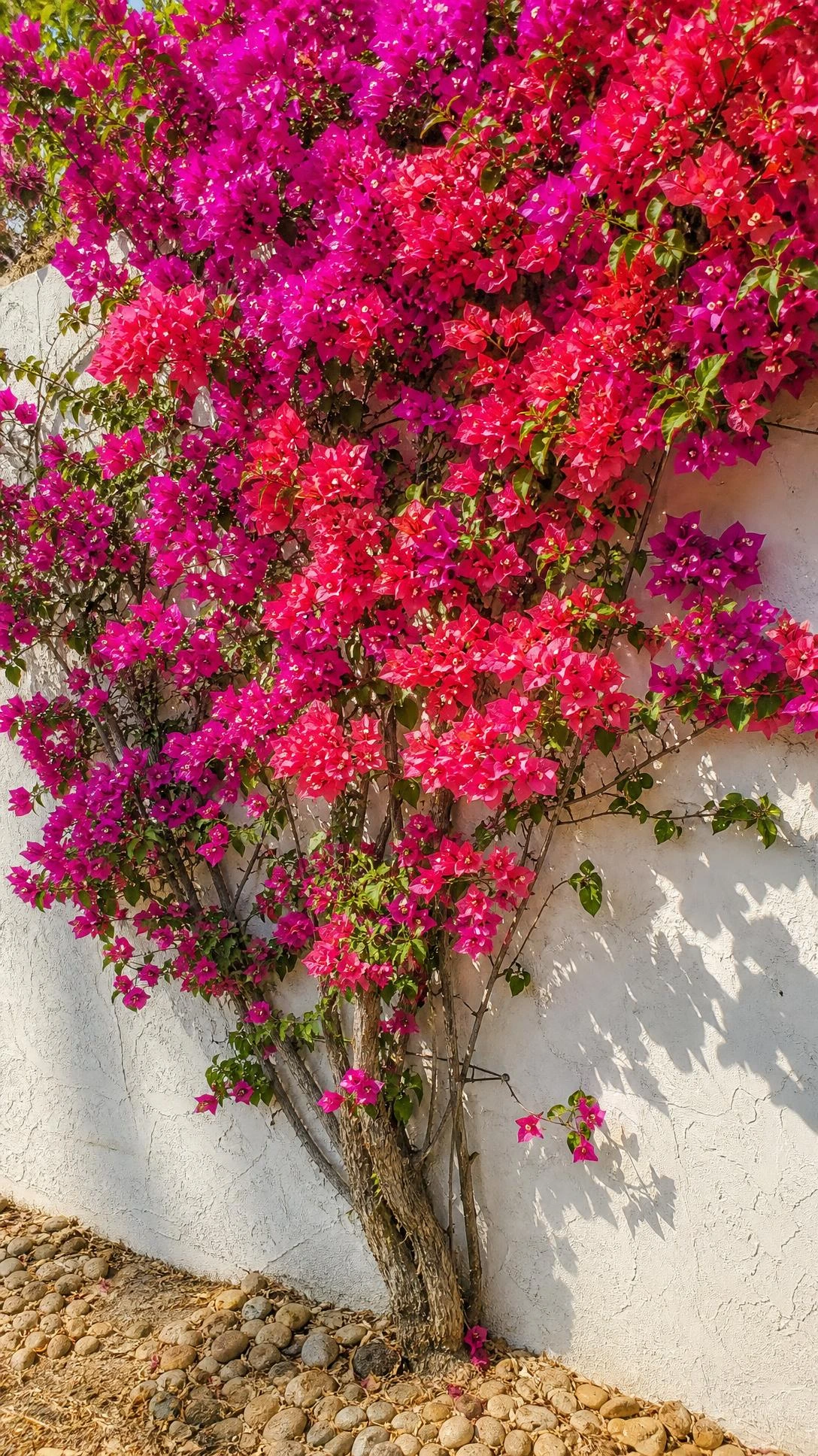
Bougainvillea is one of those plants that thrives on neglect in Florida, which makes it almost the perfect choice for fences, stucco walls, and trellises that need color without a complicated care routine.
It blooms in magenta, coral, orange, white, and deep purple depending on the variety, and actually flowers more intensely when it gets a little stressed from reduced watering, which sounds counterintuitive but genuinely works.
Training it onto a fence starts with a few simple ties in the first season, and by season two it starts covering the structure on its own without much direction.
The thorns are real and worth respecting, so planting it away from foot traffic paths or children’s play areas is the smart call.
I think a deep magenta variety against a white stucco wall is one of the most effortlessly Florida-looking combinations a front yard can have.
11- Solar Drip Irrigation for Beds That Dry Out Between Rains
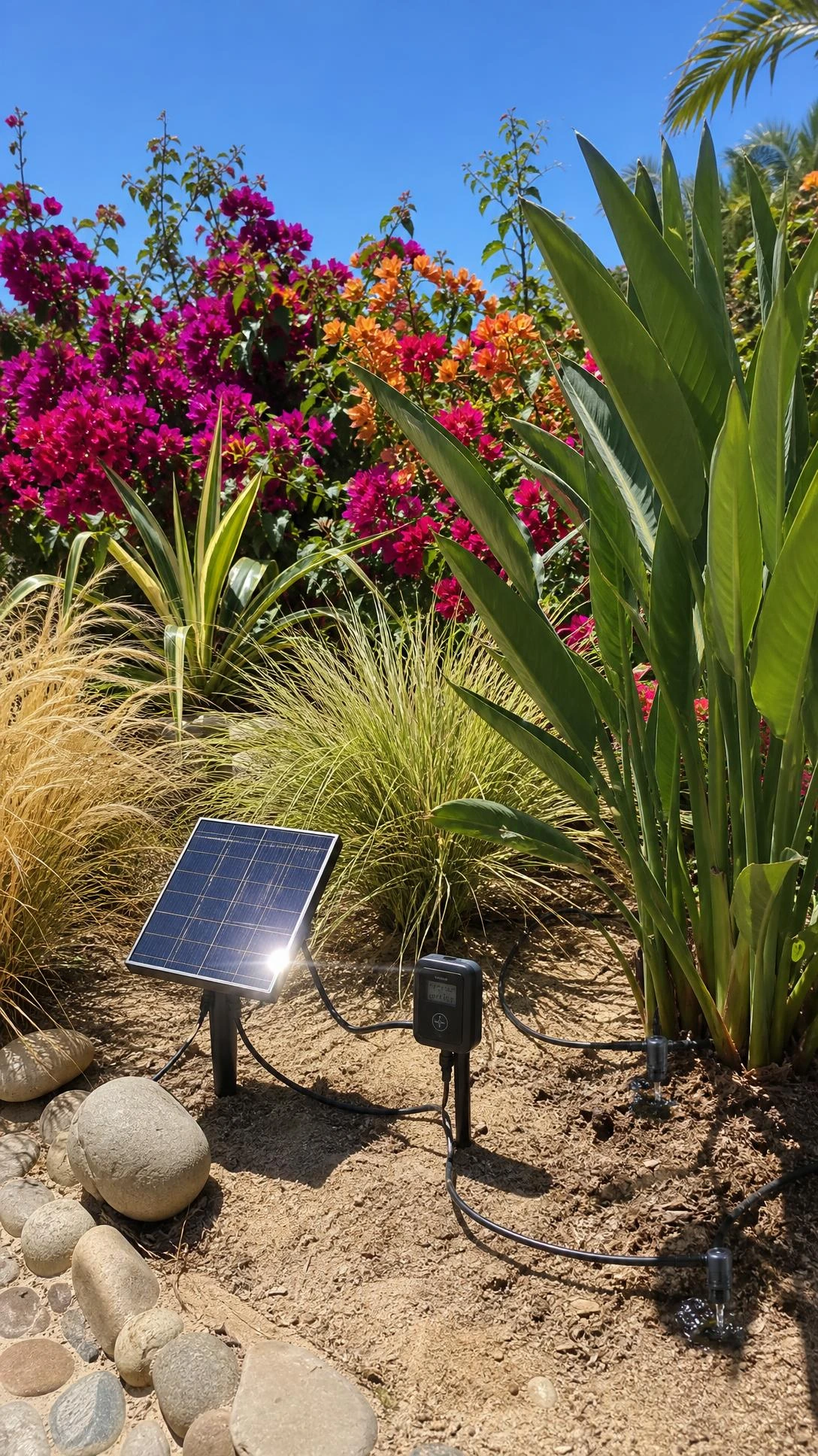
Florida gets plenty of rain but not always on a predictable schedule, and the weeks between storms in the dry season can stress plants enough to undo months of establishment progress.
A solar-powered drip irrigation timer connected to a basic soaker hose system handles watering automatically without needing an electrician or a complex in-ground system, and a starter setup for two to three garden beds runs around 60 to 90 dollars at most home improvement stores.
Setting it to run for about 20 to 30 minutes every other day during dry stretches keeps root zones consistently moist without waterlogging, which is the balance most Florida plants actually need.
The solar timer charges during the day and runs on its own schedule, so there is no monthly electricity cost and no remembering to turn it on and off manually.
For anyone who has watched a newly planted bed dry out during a two-week dry spell, this is the kind of simple system that makes florida landscaping ideas actually stick around long enough to look good.
Florida Landscaping That Holds Up Season After Season
Most Florida yards do not need an overhaul, they just need a few decisions made in the right order, starting with drainage before anything else goes in the ground.
The plants and materials that work here are the ones chosen with the actual climate in mind, not the ones that look good at the nursery and then slowly decline through July.
Florida landscaping ideas work best when they lean into what the environment already does well, full sun, occasional heavy rain, and warm soil that stays active year-round.
Pick two or three of these to start with, get them established, and the yard starts to feel manageable in a way that actually lasts.

Hi, I’m Alizabeth, the creator of Pretty Home Hacks. I share practical home decor ideas, easy DIY projects, organization tips, and budget-friendly ways to make your home feel more beautiful and functional. From small room updates to everyday home hacks, my goal is to share approachable ideas you can actually use in your own space.