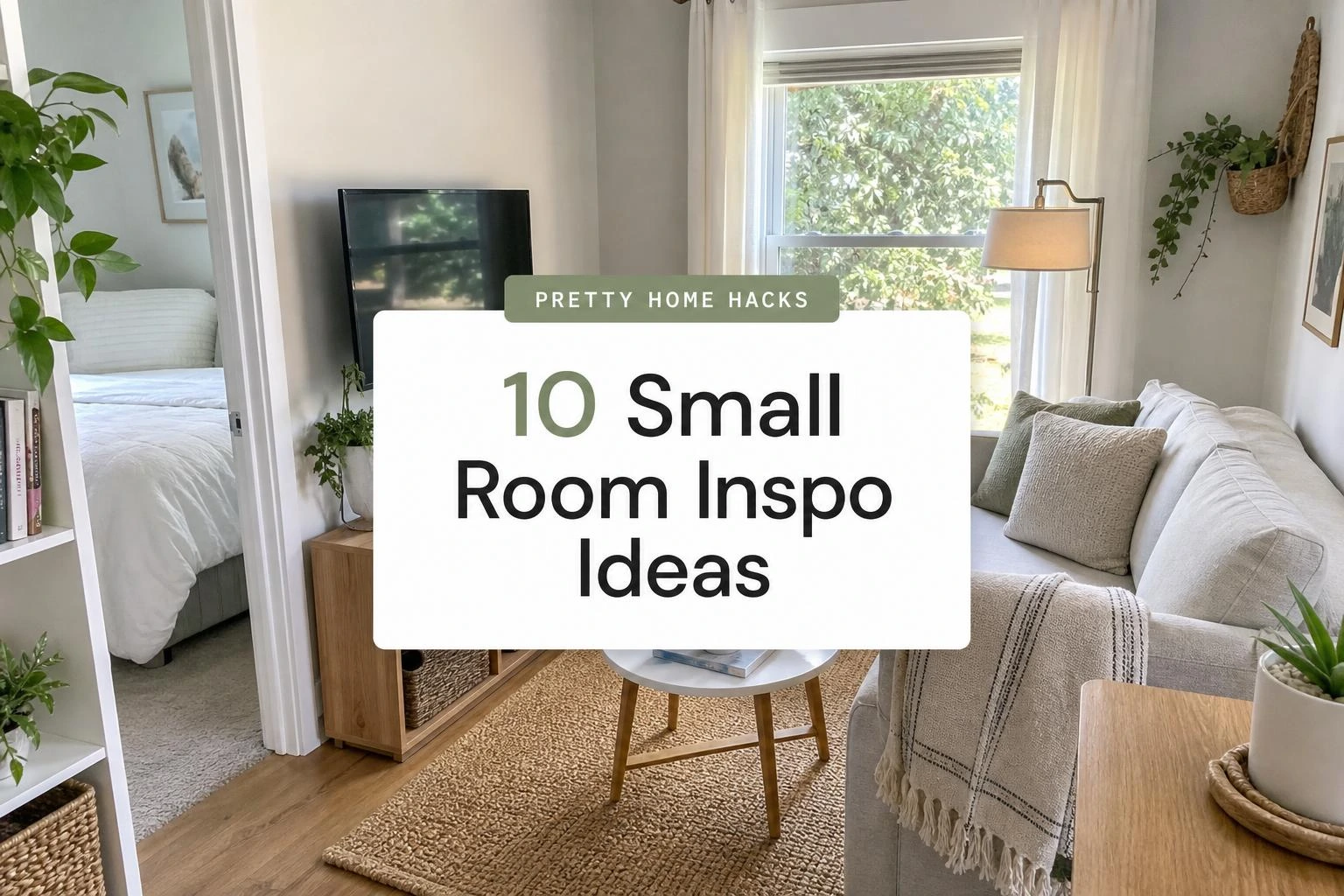
10 Room Inspo Ideas for Small Rooms That Make Tight Spaces Feel Larger
Small rooms have a way of feeling fine until one day they just don’t, and suddenly everything feels crowded and a little bit suffocating.
It is usually not one big thing either, it is the combination of furniture pushed against every wall, curtains that block the light, and surfaces covered in stuff that has nowhere else to go.
Most people assume the only fix is moving somewhere bigger, or at minimum spending a lot of money on a renovation that probably is not happening anytime soon.
The thing is, a lot of what makes a small room feel tight is visual, and visual problems have visual fixes that are actually pretty affordable.
These room inspo ideas for small rooms are the kind of changes that make a real difference without requiring a contractor or a full weekend of work.
1- Vertical Wall Panels
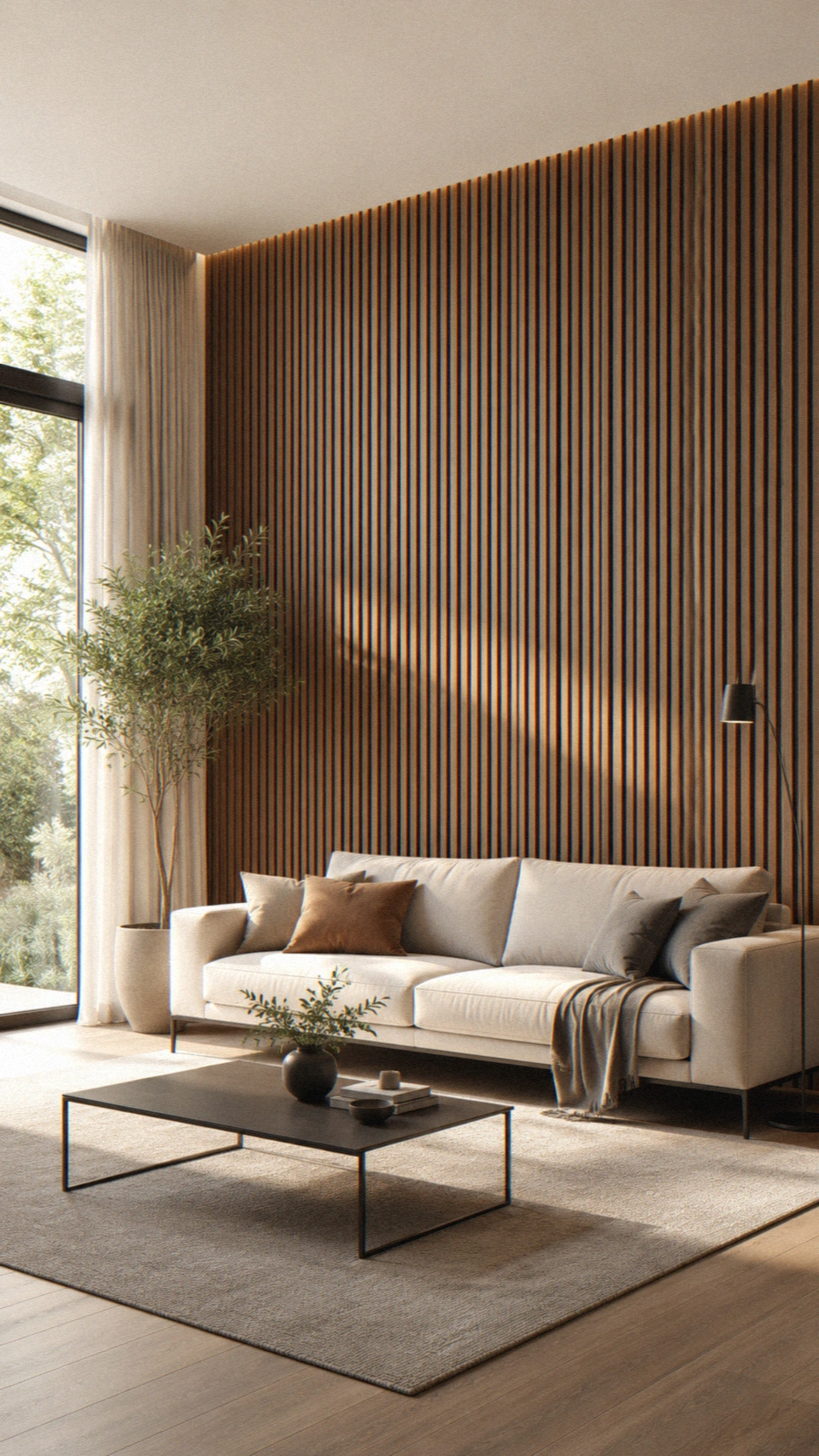
Nobody thinks about wall panels as a space trick, but they are one of the most effective ones out there.
Vertical panels draw the eye upward instead of across, which makes the ceiling feel higher and the room feel less compressed.
The key is keeping the panels thin and simple, because chunky or ornate panels can actually make a small room feel heavier.
One trick designers keep recommending is painting the panels the exact same color as the surrounding wall so there are no harsh breaks that chop the space up visually.
For anyone not ready to commit to real wood, faux panelled wallpaper gets very close to the same effect for a fraction of the effort.
2- Mirrors Placed With Intention
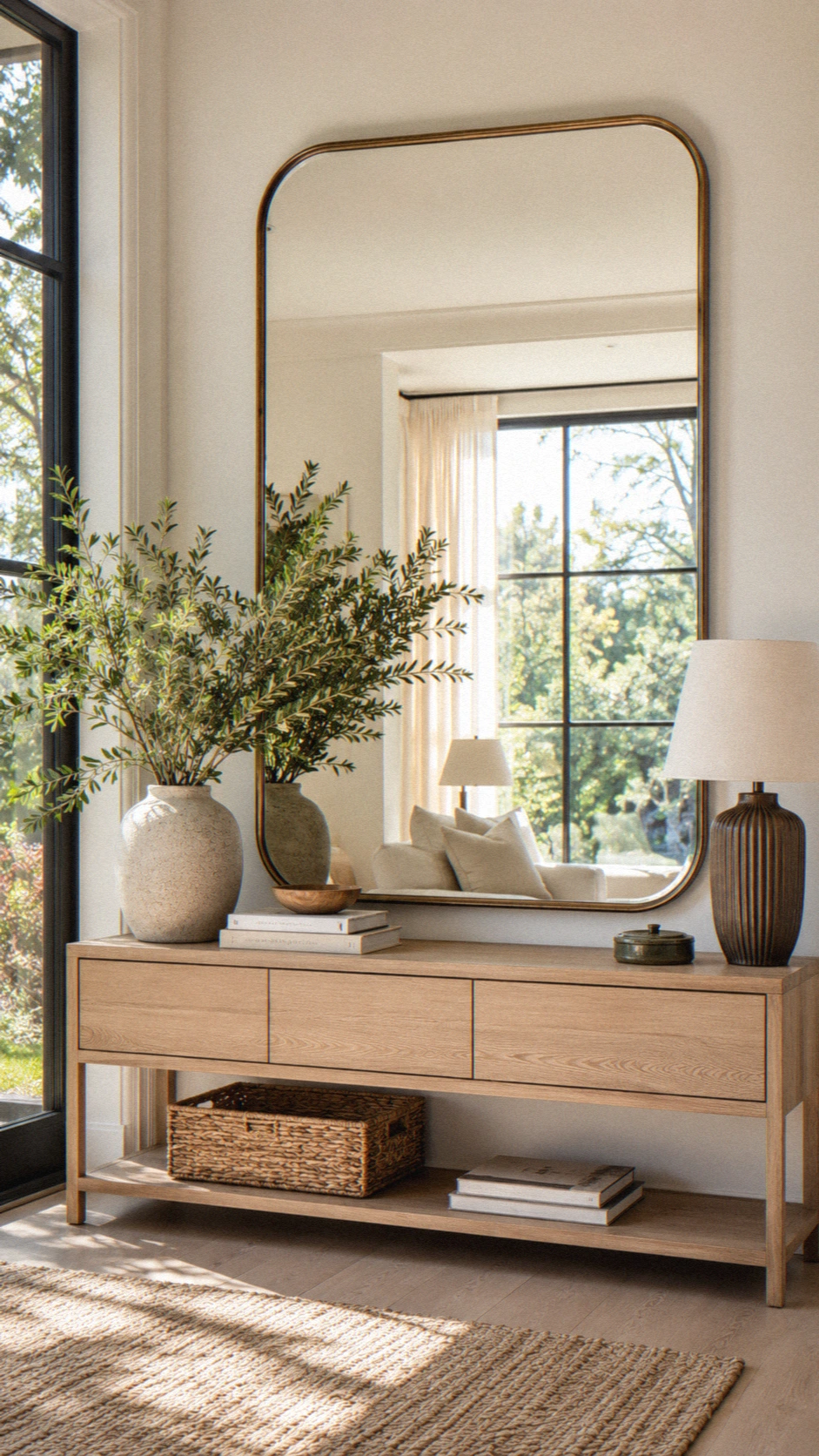
Mirrors are one of those room inspo ideas for small rooms that everyone has heard of, but most people put them in the wrong spot.
A mirror hung directly across from a window bounces natural light back into the room and makes the whole space feel brighter and more open.
Size matters here, and going slightly larger than feels comfortable is usually the right call.
A small mirror on a small wall just looks like a mirror, but a large one reads more like a window, which changes how the whole room feels.
3- Furniture With Visible Legs
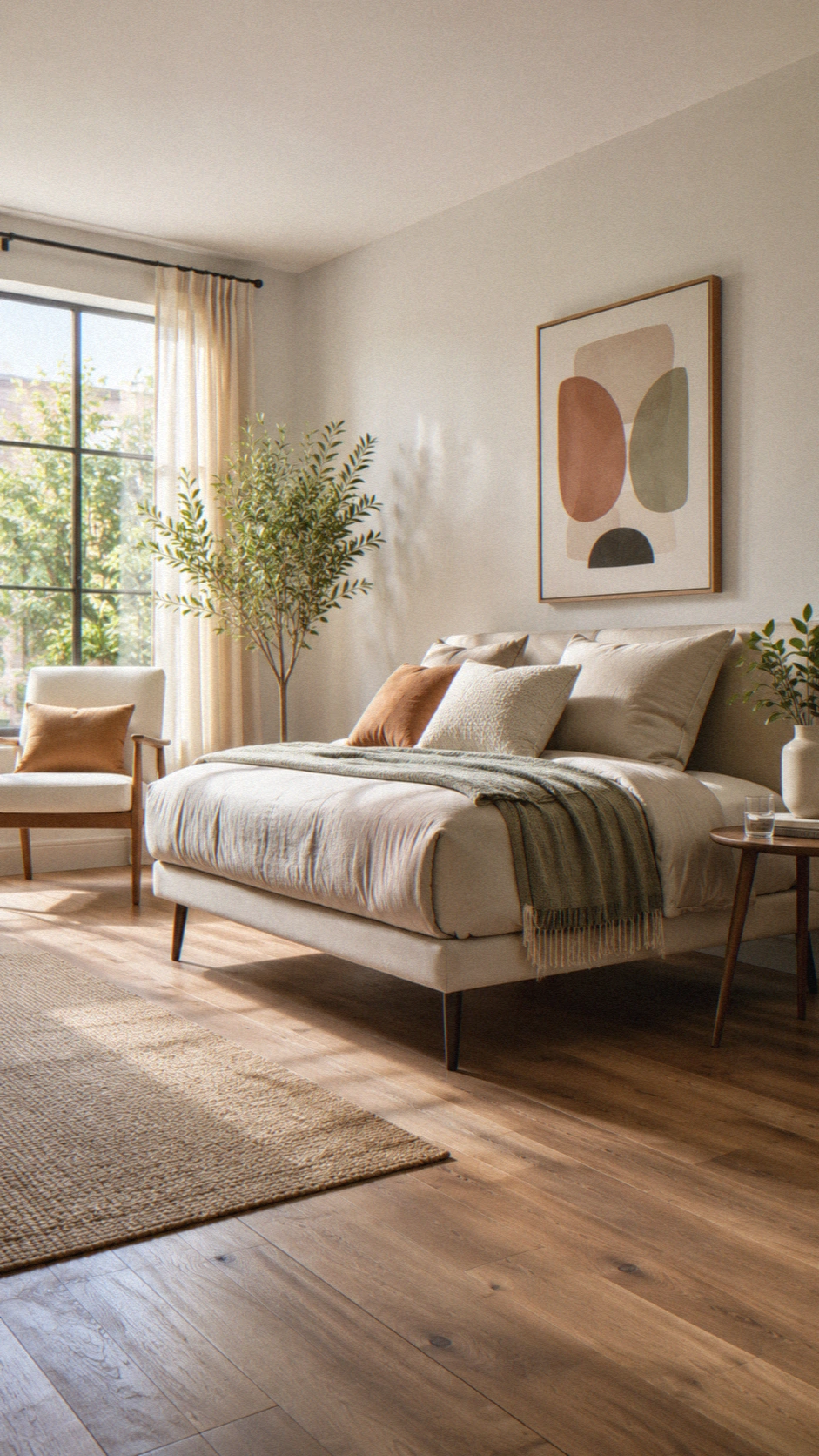
Sofas and chairs that sit directly on the floor create a visual barrier that cuts the room in half at eye level.
Furniture with legs lets light and sightlines pass underneath, and that uninterrupted flow makes the floor feel longer and the room feel more open.
It sounds like a small detail, but once someone starts paying attention to it, they will notice the difference pretty much every time.
This works best when at least two or three pieces in the room have legs rather than just one, because one floaty sofa in a sea of boxy furniture does not do much.
4- Layered Lighting at Different Heights
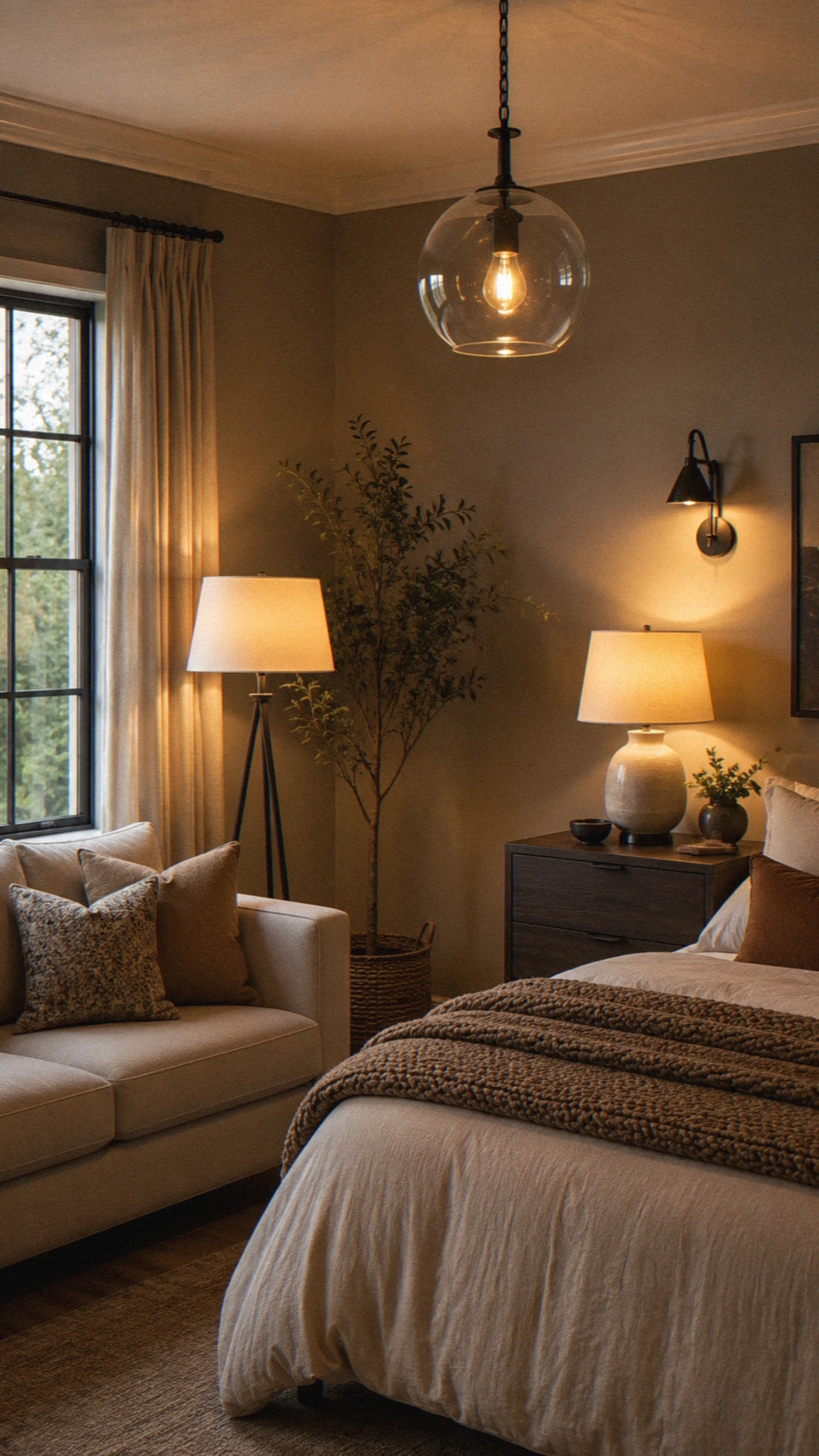
Overhead lighting alone flattens a room, and in a small space that flatness makes everything feel boxy and cramped.
Layering a floor lamp, a table lamp, and maybe some shelf or wall lighting creates depth at different heights, which makes the room feel more dimensional.
The goal is not more light, it is more varied light coming from different places.
Warm bulbs help too, because cool white light in a small room tends to feel clinical rather than cozy.
I think this is the tip people most often skip because it involves buying a few things, but it genuinely changes how a room feels at night.
5- Light and Minimal Window Treatments
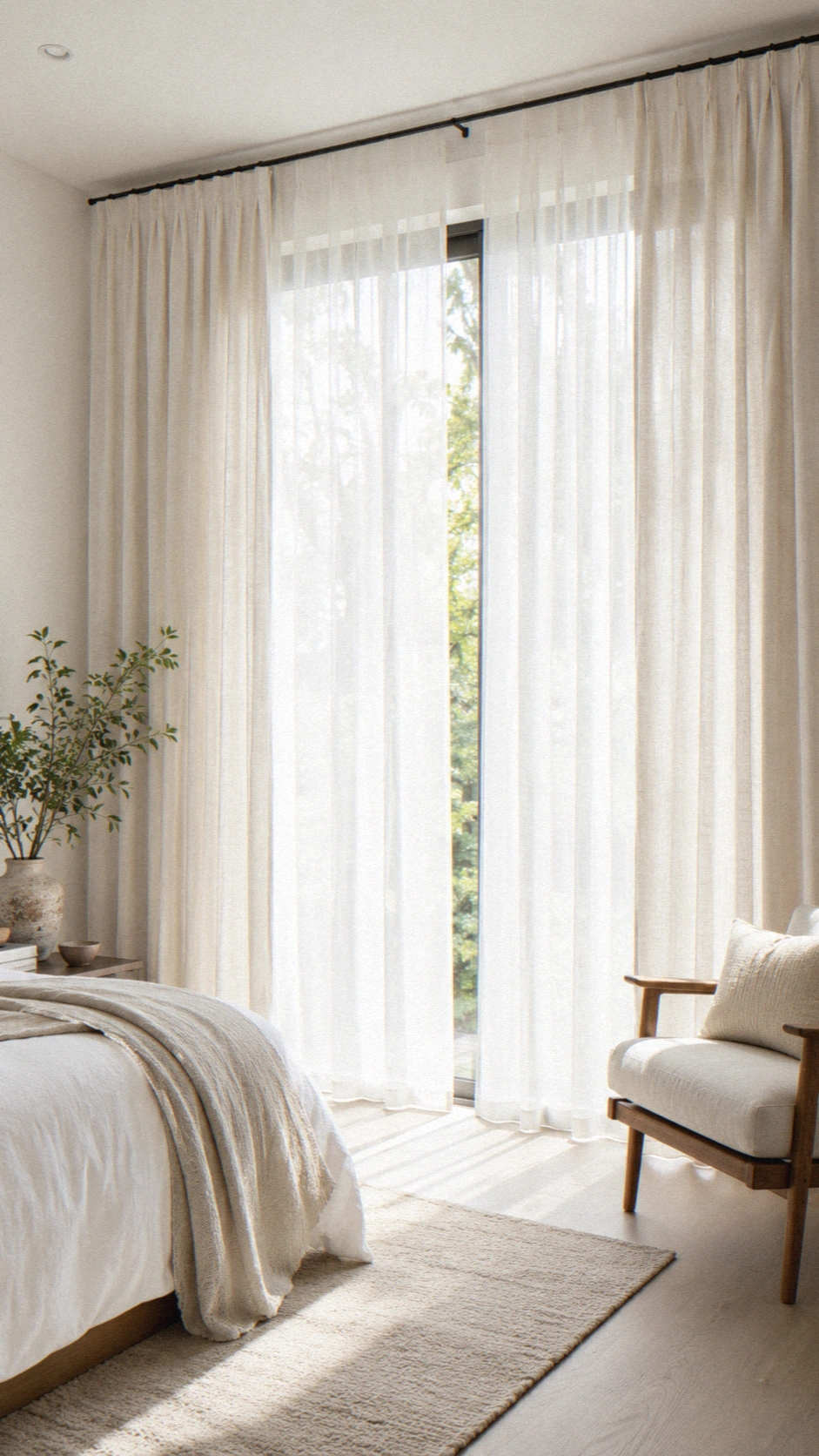
Heavy curtains in a small room are one of the quickest ways to accidentally make it feel smaller.
They block natural light, which is the one resource a small room desperately needs more of.
Linen or sheer panels in a light color let diffused light through while still giving the room a finished, intentional look.
Hanging the curtain rod higher than the window frame, close to the ceiling, also pulls the eye upward the same way vertical panels do.
It is a small move that costs almost nothing extra and makes a noticeable difference.
6- A Bold Color in One Intentional Spot
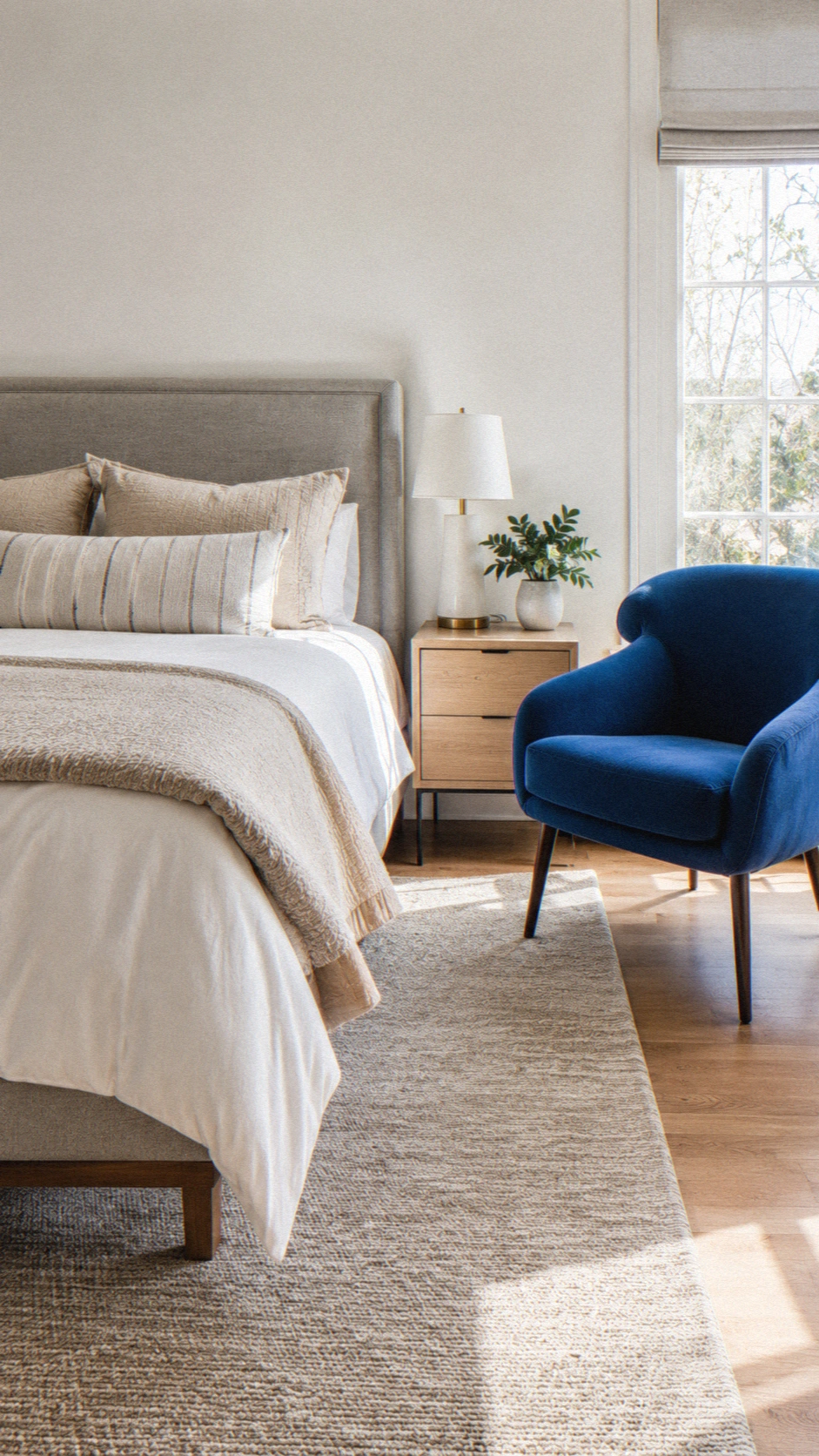
The reflex with small rooms is to keep everything neutral and light, which is not bad advice, but it can make a room feel a little lifeless.
One bold wall, a painted nook, or a deeply colored piece of furniture gives the eye somewhere interesting to land without overwhelming the space.
Niches and alcoves are especially good candidates because painting them a saturated color makes them feel intentional instead of just awkward leftover architecture.
The trick is committing to one spot rather than scattering bold color around, because restraint is what makes it look considered instead of busy.
7- Multi-Functional Furniture That Actually Works
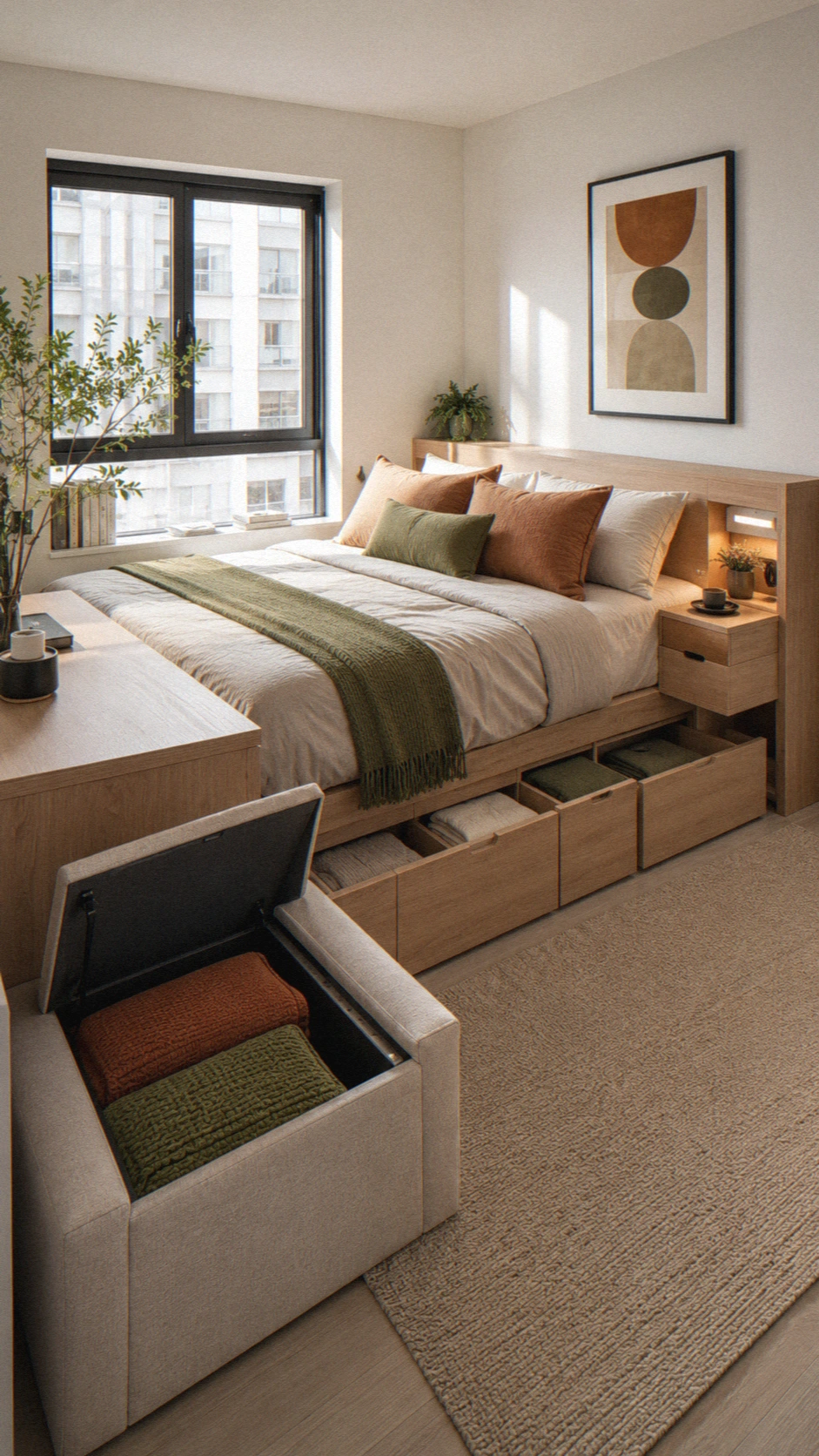
The idea of multi-functional furniture has been around forever, but a lot of it looks clunky or feels like a compromise.
The pieces worth paying attention to are the ones that look like regular furniture until they need to do something else, like an ottoman with storage inside or a coffee table that extends into a dining surface.
Ottoman beds are another one that come up constantly among people who live in genuinely tight spaces because the under-bed storage removes the need for extra dressers or boxes shoved under the frame.
The goal is just to reduce the total number of objects in the room, and multi-functional pieces are one of the cleaner ways to do that.
8- Vertical Shelving and Wall Storage
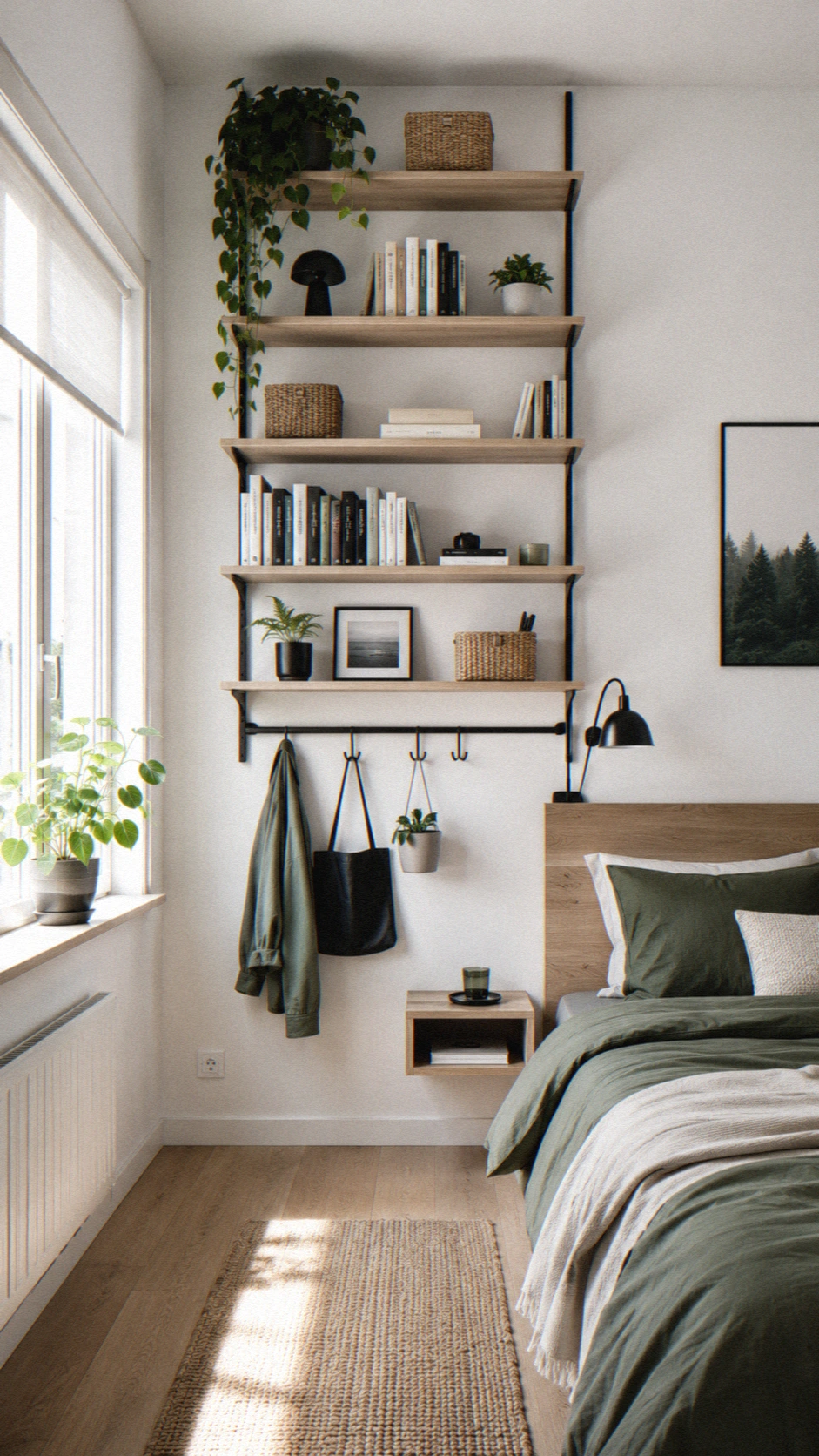
Floor space in a small room is too valuable to use for storage that could live on a wall instead.
Tall shelving that goes all the way up to or close to the ceiling pulls the eye upward and gives the room a sense of height that shorter furniture just cannot create.
The same goes for wall-mounted hooks, floating shelves, and hanging storage in spots like behind doors or above desks.
Keeping the shelves somewhat organized and not completely packed helps too, because a wall of visual chaos reads as clutter even if everything technically has a home.
9- A Canopy Bed Frame in Small Bedrooms
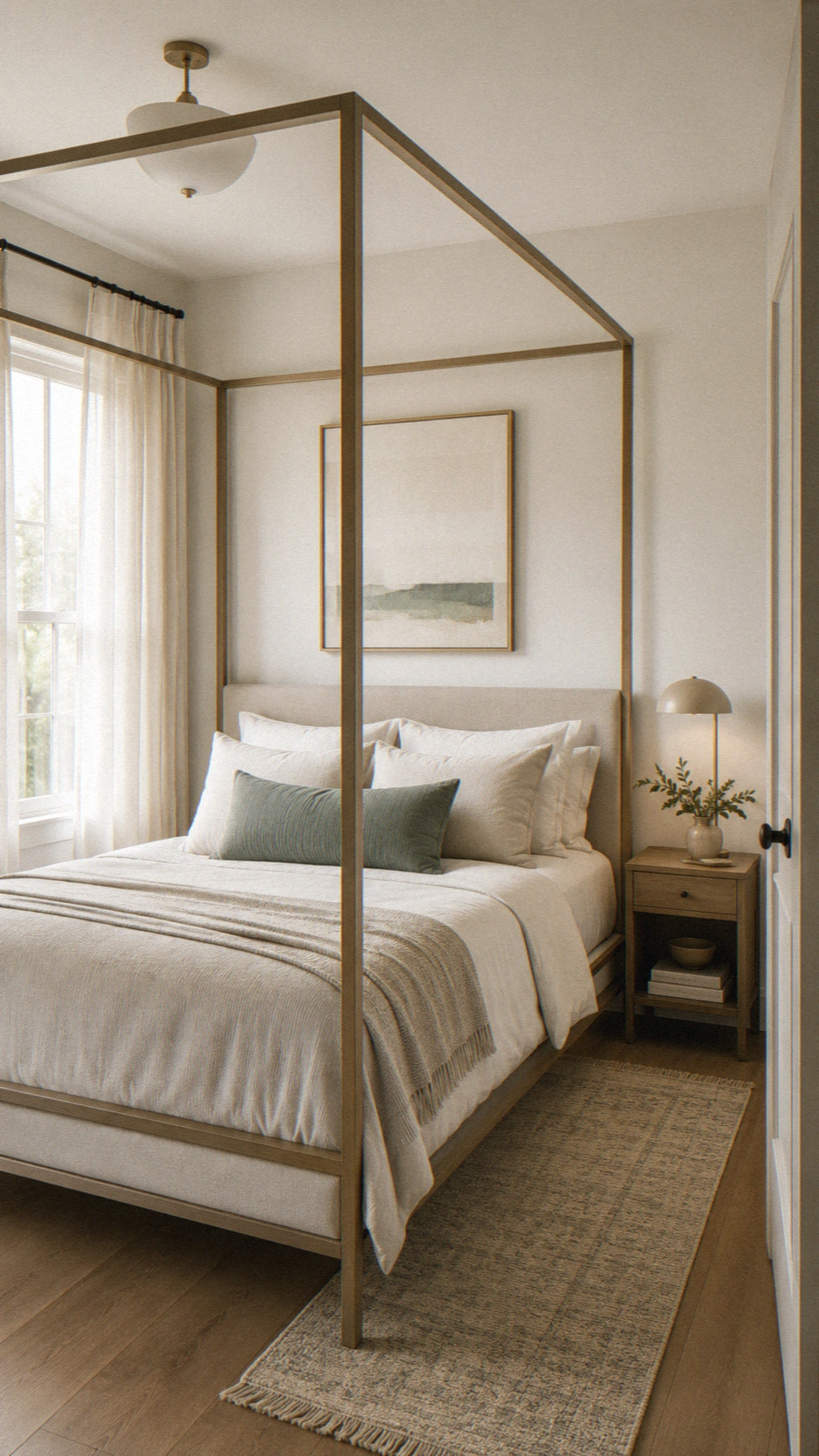
A canopy bed sounds counterintuitive in a small bedroom, and most people assume it would make the room feel even more cramped.
What it actually does is give the room a defined focal point and a sense of intentional design, which makes the space feel curated rather than limited.
A simple metal canopy frame without heavy draping works best in tight spaces because it adds height and structure without adding visual bulk.
I think small bedrooms benefit from this more than large ones because the bed is already the dominant object, so leaning into it instead of minimizing it actually makes more sense.
10- Textured Walls Instead of More Stuff
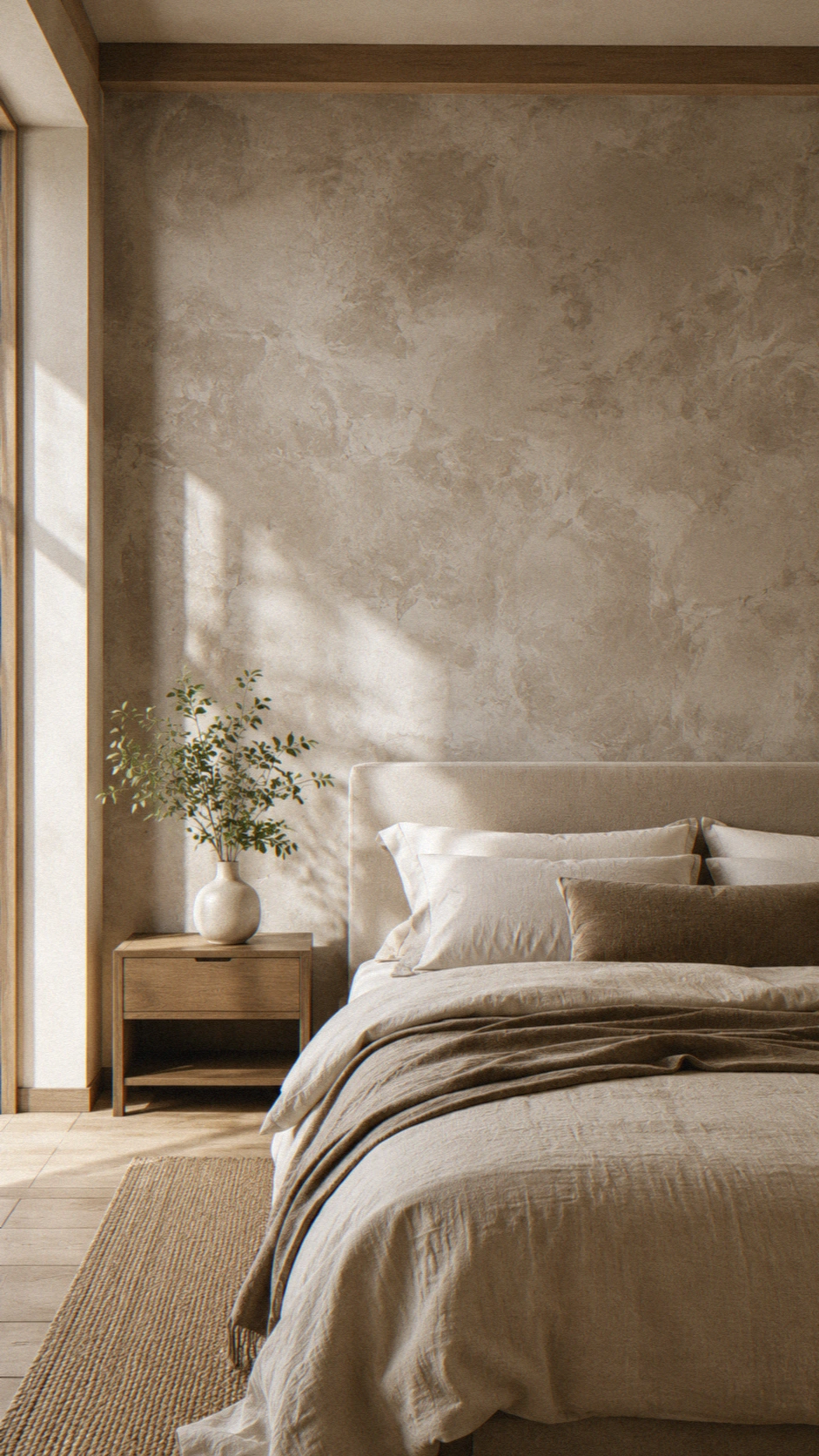
When a small room feels bland, the instinct is to add things, more art, more pillows, more accessories, and sometimes that just makes it feel more crowded.
Adding texture directly to the walls through wallpaper, wood paneling, or even cork gives the room visual richness without taking up any floor or surface space.
Textured wallpaper with a subtle pattern adds depth from across the room in a way that a flat painted wall simply cannot.
This works especially well in rooms where there is just not space for furniture pieces that normally do the decorating work, like a small entryway or a narrow hallway.
The room ends up feeling more finished and considered without actually gaining any clutter.
Small Rooms Look Better With Fewer and Smarter Choices
Most of these room inspo ideas for small rooms are about working with what the space already is rather than fighting it.
Tight rooms do not need more things added, they usually need a few very considered things placed well.
The visual tricks, the lighting, the furniture choices, they all add up faster than expected once a couple of them are in place together.
Anyone willing to try even two or three of these will likely find that the room they thought was just too small was mostly just working against itself.
Hi, I’m Alizabeth, the creator of Pretty Home Hacks. I share practical home decor ideas, easy DIY projects, organization tips, and budget-friendly ways to make your home feel more beautiful and functional. From small room updates to everyday home hacks, my goal is to share approachable ideas you can actually use in your own space.