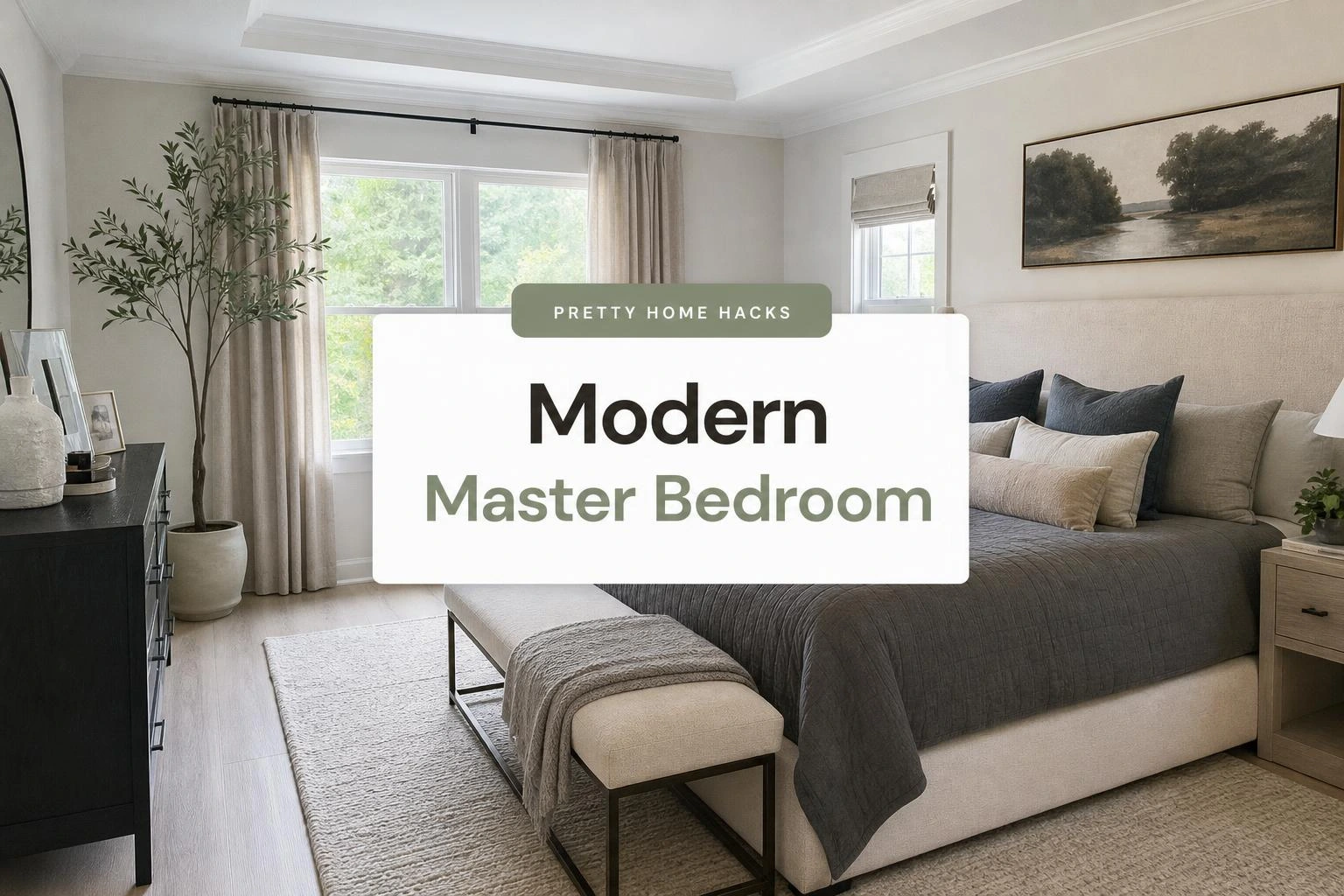
11 Luxurious Master Bedroom Ideas for a Modern Aesthetic
A master bedroom that feels genuinely luxurious is one of those things people think requires a complete renovation or a designer on speed dial.
Most rooms that feel expensive in photos are working with a surprisingly short list of changes, not a gut renovation.
The frustrating part is that a lot of bedroom advice leans toward maximalist styling that looks great in a shoot and feels exhausting to actually live in.
A modern luxurious bedroom aesthetic is really just about calm, intention, and a few materials that feel considered rather than random.
These ideas work across different room sizes and budgets, and most of them start making a difference faster than people expect.
1- Warm Neutral Wall Color as a Base
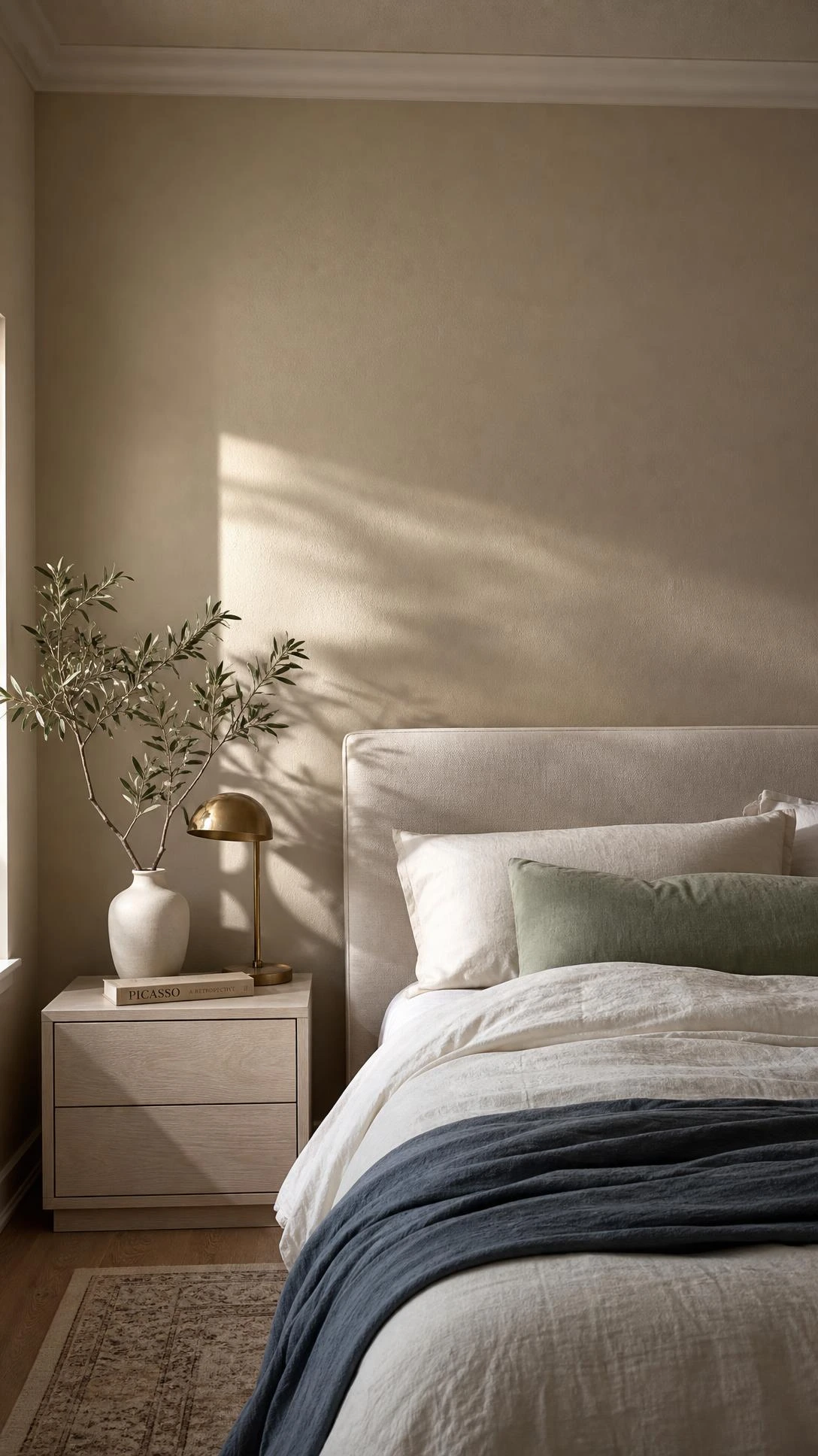
Nobody ever regrets a warm neutral on bedroom walls, but a lot of people play it too cool and end up with a room that feels clinical rather than calm.
The difference between a luxurious-feeling neutral and a flat beige is warmth, and shades like Accessible Beige by Sherwin-Williams or Pale Oak by Benjamin Moore have just enough yellow-pink undertone to make a room feel soft without feeling dated.
Walls in this range read almost like a backdrop, which means furniture and textiles get to do the visual work without competing with a bold color.
This works best in rooms that get natural light during the day, because the warmth in the undertone shifts beautifully as the light changes.
I think this one detail does more heavy lifting for a modern bedroom aesthetic than almost anything else on this list.
2- Upholstered Bed Frame in Velvet or Boucle
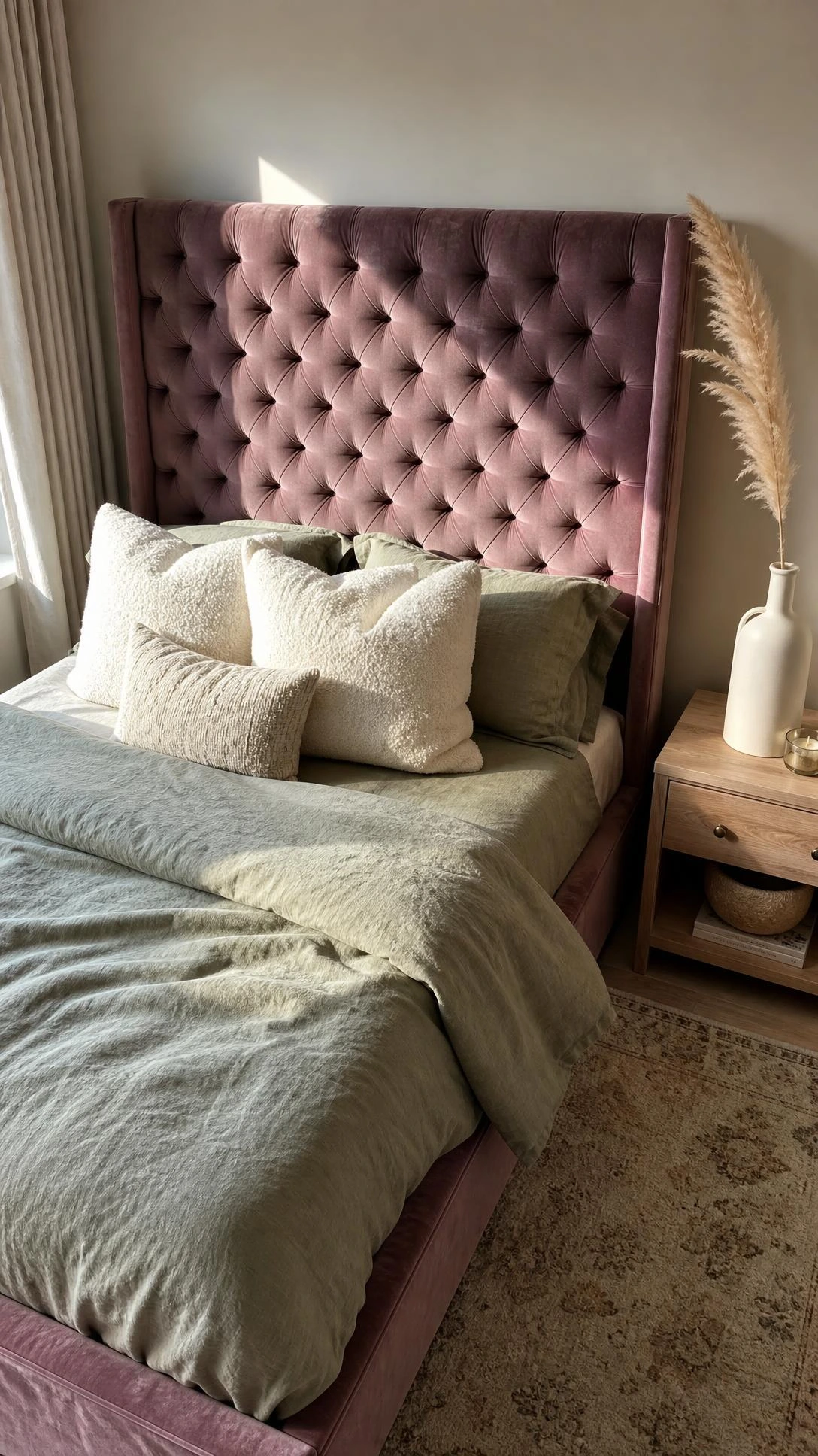
The bed is always going to be the first thing someone sees when they walk into a master bedroom, so it makes sense that the frame itself is doing some of the aesthetic work.
An upholstered bed frame in a low-profile silhouette, somewhere around 48 to 52 inches at the headboard, gives a room that pulled-together quality without needing much else on the walls around it.
Boucle in an oatmeal or cream tone is having a long run right now for good reason, it photographs well and also feels genuinely nice to lean against.
Velvet in a muted sage or dusty slate reads more dramatic and works better in rooms with slightly higher ceilings.
The goal is just a frame that looks intentional, not something that blends into the mattress and disappears.
3- Layered Bedding With Texture Contrast
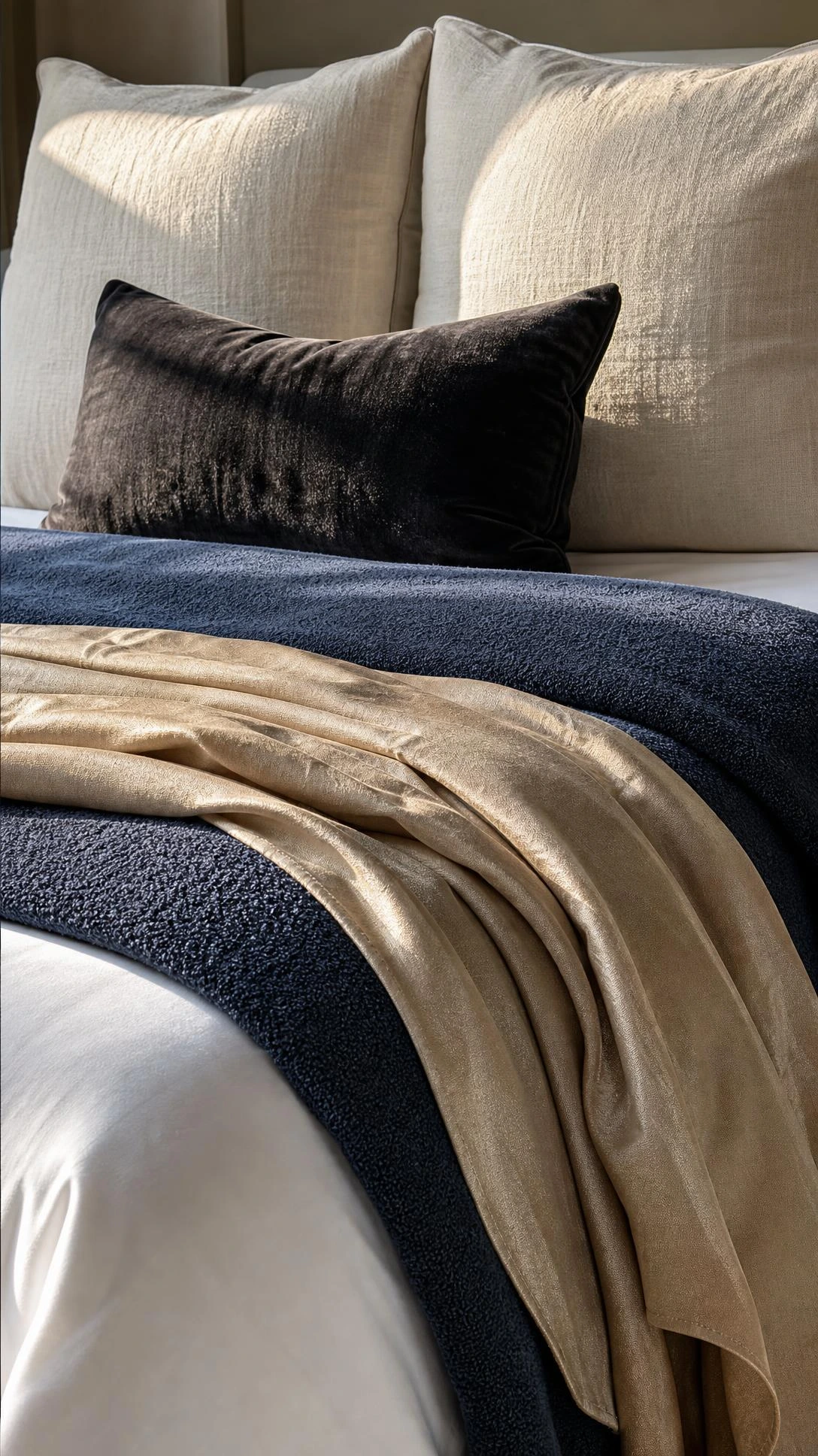
Flat, matched bedding sets are one of those things that look fine in a store and somehow look forgettable on an actual bed.
Layering a linen duvet in a warm white with a chunky knit throw across the foot of the bed and two or three differently textured pillows is what creates the depth that hotel rooms and magazine photos are actually using.
The specific combination that tends to work well is a smooth cotton euro sham behind a slightly wrinkled linen standard pillow, which creates contrast without looking chaotic.
Staying within two to three tones for the whole bedding palette keeps it looking calm rather than busy.
Most of this can come from mixing and matching rather than buying a curated set, which also keeps the cost around $150 to $250 for the whole look.
4- Statement Wall Paneling or Limewash Paint
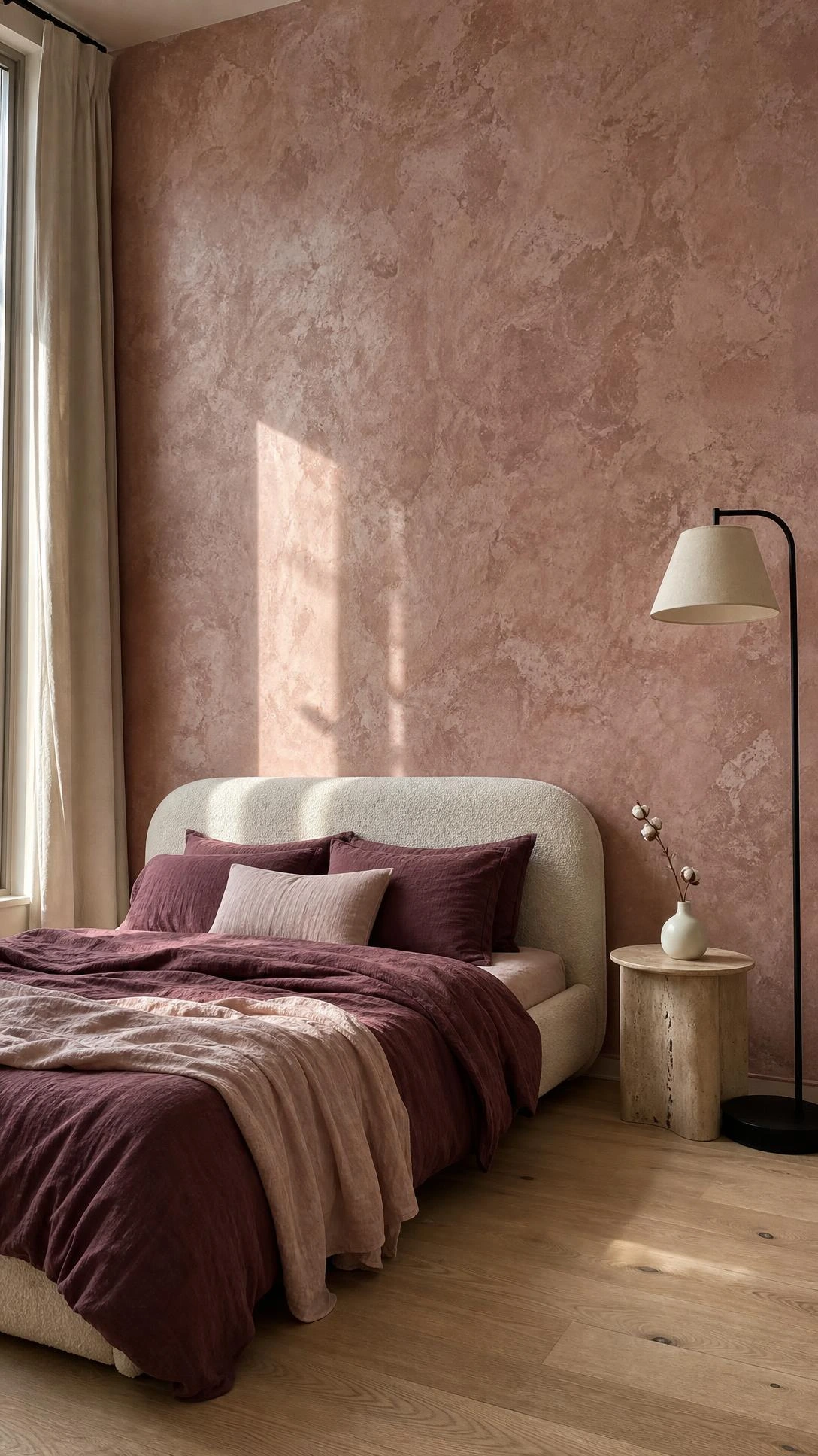
A plain painted wall behind a bed can feel a little unfinished in a room that is otherwise pulling toward something more considered.
Wall paneling in a simple grid or board and batten style painted the same color as the rest of the wall adds texture without adding visual noise, which is different from a bold accent wall situation.
Limewash paint is another option that more people are using now, and the Portola Paints limewash in a color like Whitewash or Smoke gives walls a layered, almost aged quality that photographs beautifully and looks expensive relative to the actual cost, usually around $80 to $100 for a can that covers a full wall.
Both options work best on the wall directly behind the bed rather than applied to all four walls, where they can start to feel overwhelming.
The effect is a bedroom that looks like someone made a real decision about the space rather than just painted everything the same flat color.
5- Warm Ambient Lighting Over Overhead Lights
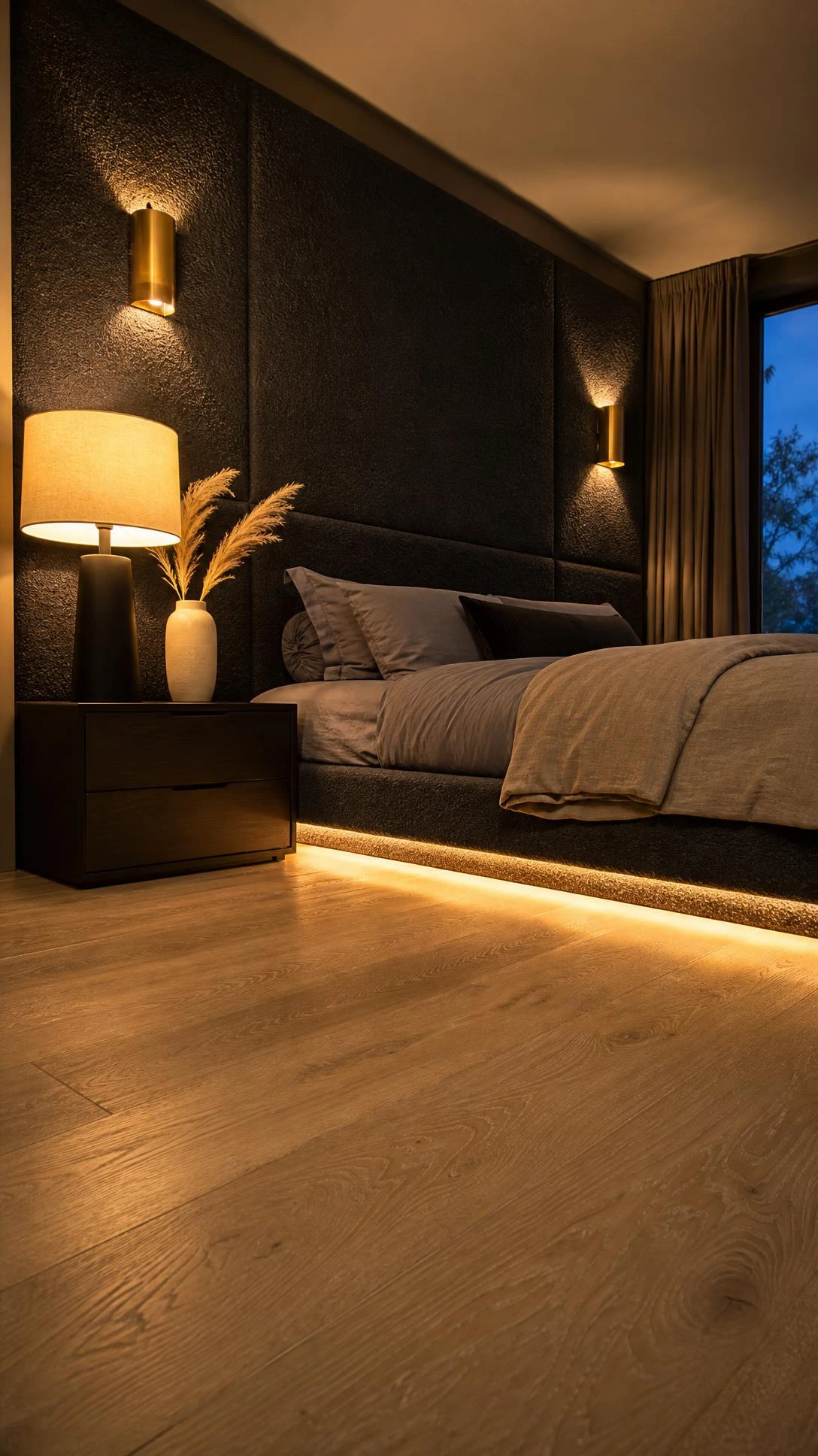
Overhead lighting is one of the biggest reasons bedrooms feel more like a waiting room than a retreat, and most people just live with it rather than doing anything about it.
Swapping a builder-grade ceiling fixture for a dimmer switch connected to a pair of table lamps or wall sconces changes the whole mood of a room without touching a single piece of furniture.
Lamps with a bulb temperature around 2700K give off that warm golden light that makes everything in a bedroom look softer and more expensive, while anything above 3000K starts to feel like a dentist office.
Sconces mounted about 58 to 60 inches from the floor on either side of the bed are a practical setup that also frees up nightstand surface space, which is always a nice surprise.
The goal is a room where the lighting shifts the entire feeling at night without requiring a full rewire or an electrician.
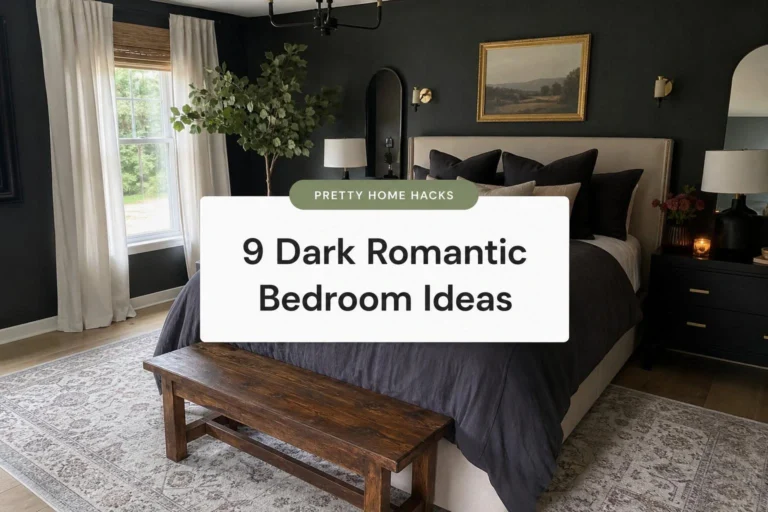
6- Dark Moody Accent Wall in Charcoal or Deep Blue
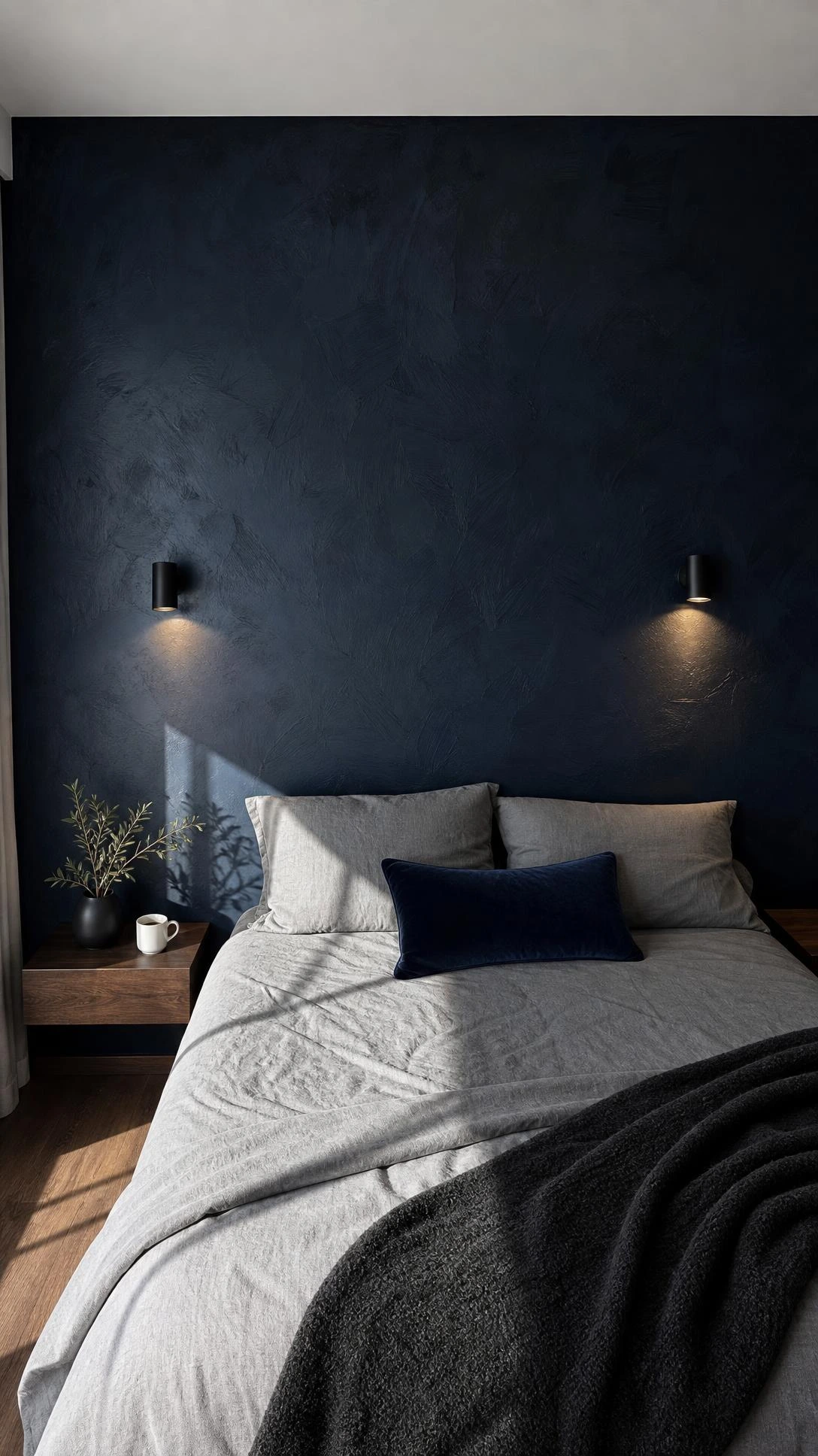
A dark wall behind the bed is one of those things that sounds like it would make a room feel smaller and somehow does the opposite when it is done right.
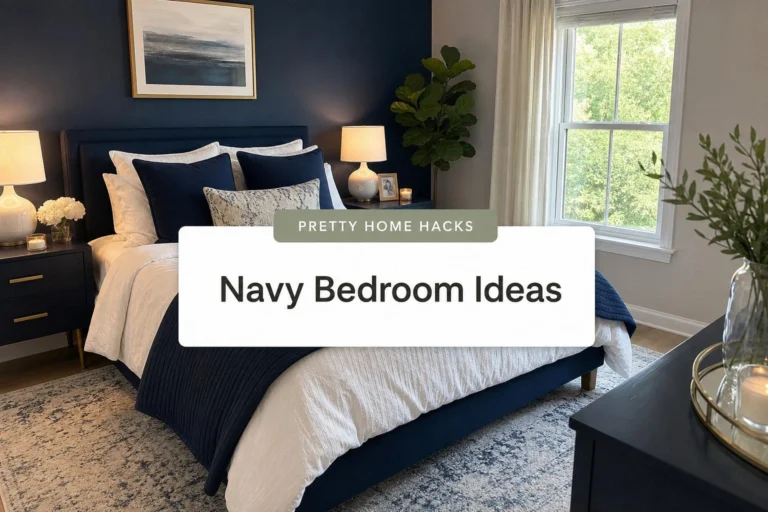
Charcoal tones like Peppercorn by Sherwin-Williams or a deep navy like Hale Navy by Benjamin Moore create a sense of depth that makes the bed feel anchored and the rest of the room feel larger by contrast.
This works especially well in modern master bedrooms where everything else is neutral, because the dark wall gives the eye somewhere to land without the room feeling cluttered.
I think deep blue is the stronger choice for rooms that lean warmer in their furniture tones, while charcoal works better with cooler grays and natural wood.
Keeping the ceiling and the other three walls light ensures the effect reads as intentional rather than like the room ran out of paint.
7- Natural Wood Nightstands or Warm Wood Tones
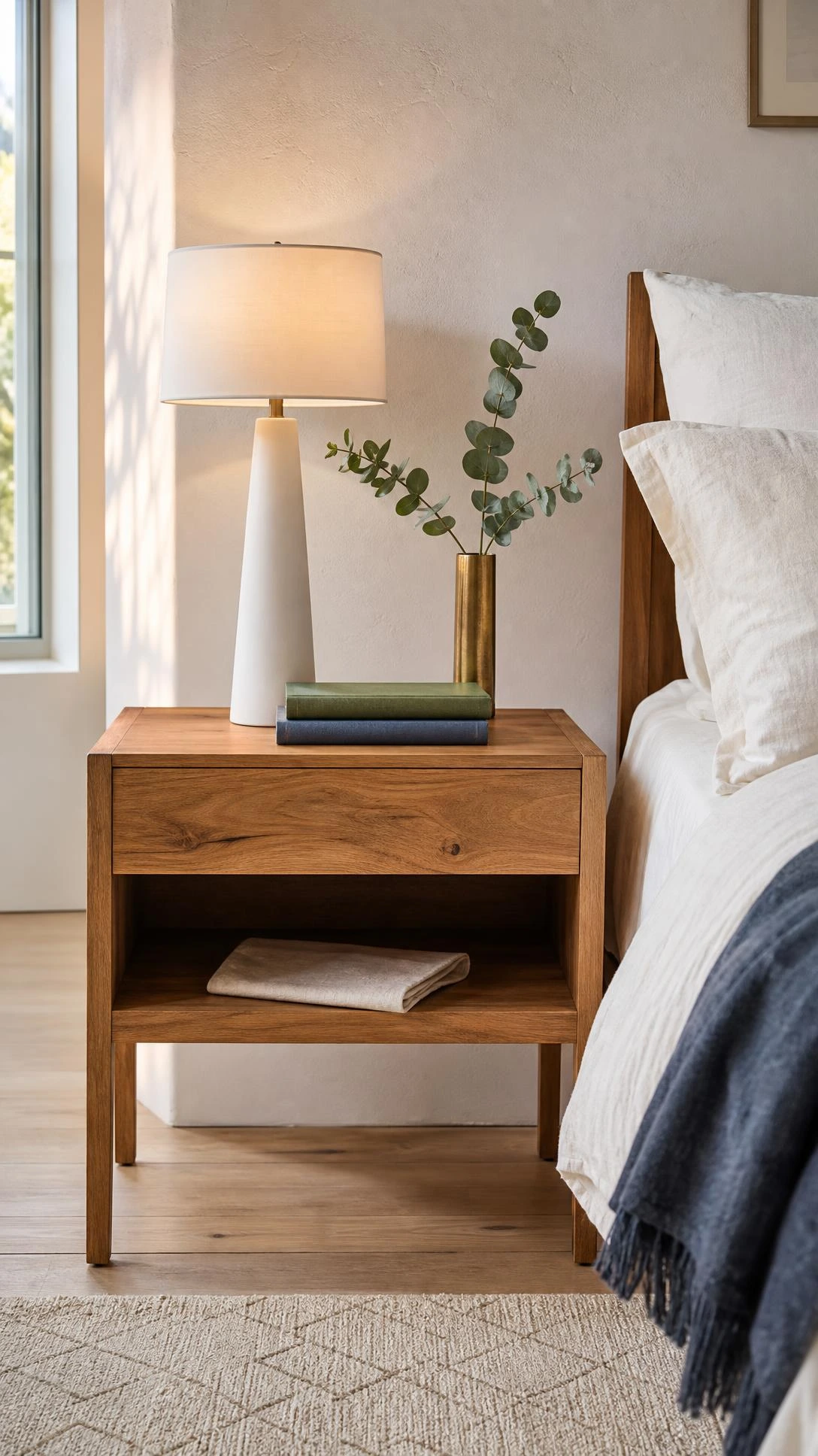
Matching nightstands in a cold white lacquer can make a master bedroom feel more like a hotel lobby than a personal space, and it is one of the easier things to fix.
A warm wood nightstand in walnut, oak, or acacia adds exactly the kind of organic texture that stops a room from looking too assembled or too showroom-styled.
They do not need to match perfectly, and actually pairing two slightly different wood tones is a detail that interior designers use specifically to make a room feel less staged.
A floating shelf nightstand in white oak mounted around 26 inches from the floor is a cleaner modern option that opens up floor space and still brings in warmth.
The wood element also tends to work as a natural bridge between cooler wall tones and warmer bedding, which ties everything together without requiring additional accessories.
8- Minimalist Built-In Wardrobe or Sleek Panel Doors
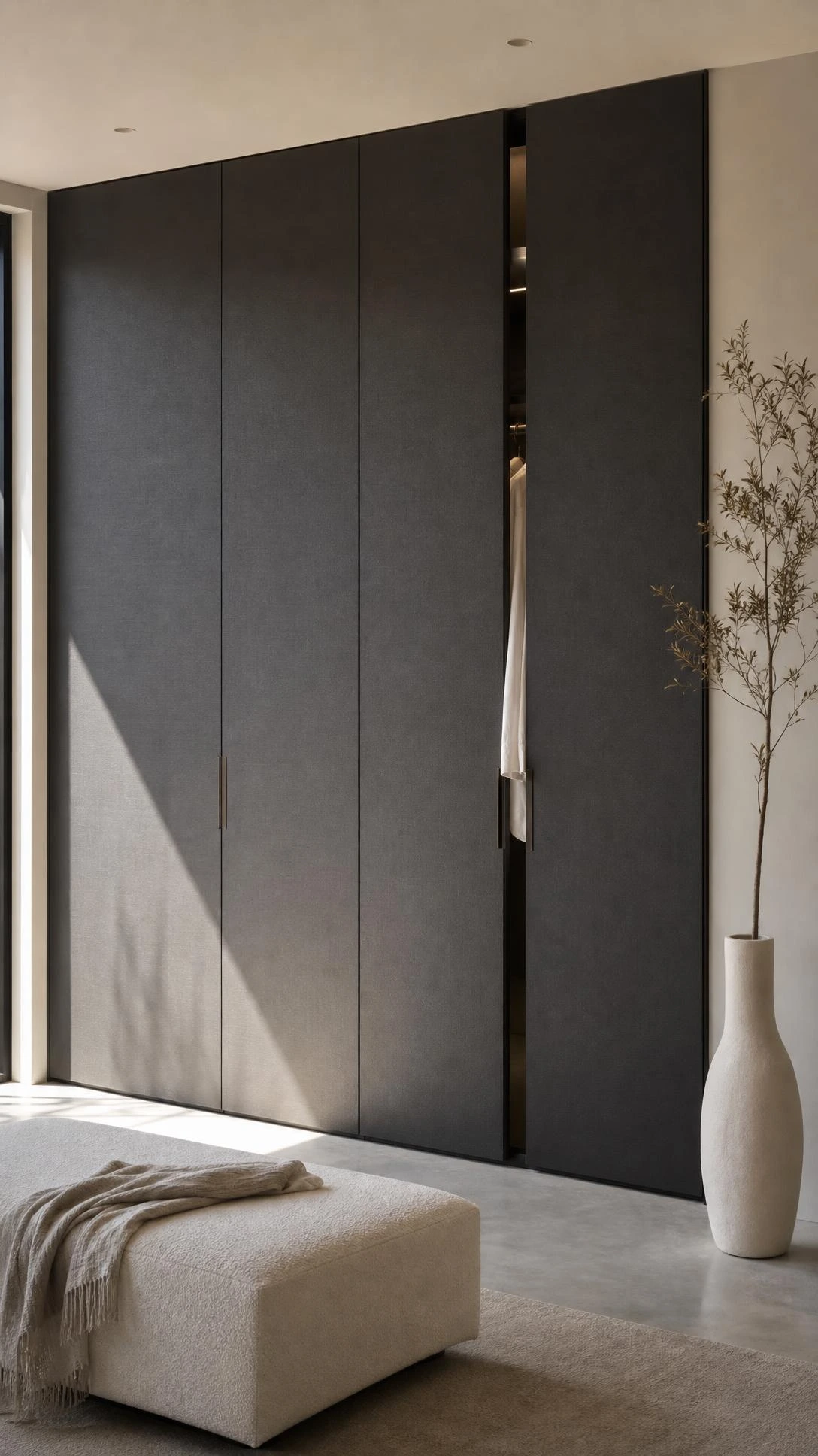
Standard bifold closet doors are one of those things that nobody notices until someone points them out, and then it is genuinely hard to unsee them.
Replacing them with flat panel sliding doors in a finish that matches the walls, or even a simple white with integrated pulls, removes a visual distraction that most modern master bedrooms are better without.
Floor-to-ceiling built-in wardrobes in a matte finish run anywhere from $800 to $2500 depending on the system, with IKEA PAX with custom fronts sitting at the more accessible end and still looking like a considered design decision.
The effect is that the storage disappears into the room rather than competing with it, which is what gives minimalist bedrooms that calm uncluttered quality people respond to.
Even just replacing hardware on existing doors with a matte black or brushed brass pull moves the whole aesthetic forward noticeably.
9- Gold or Brass Accents Used With Restraint
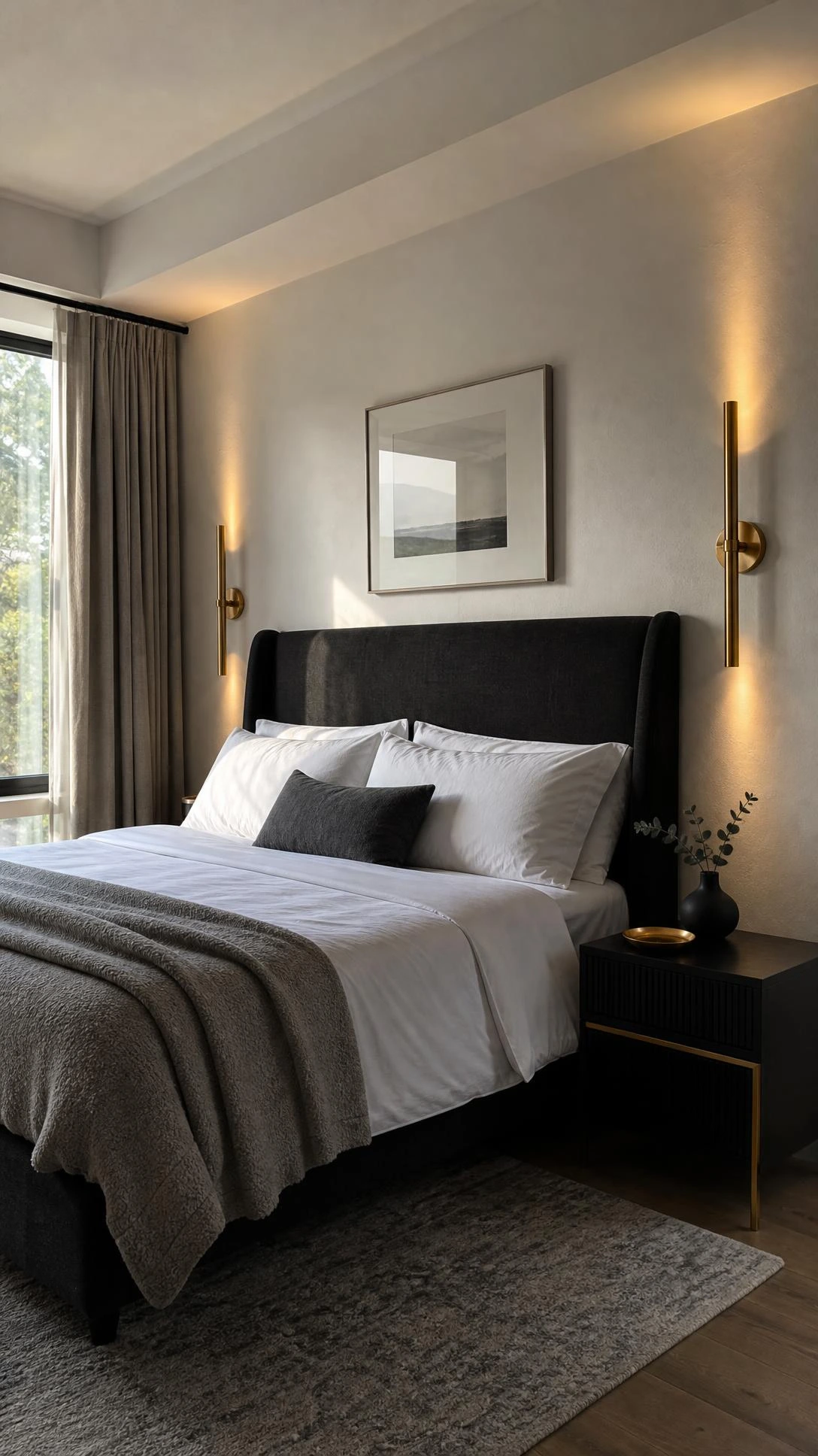
Gold accents have a reputation for reading as flashy, which usually comes from using too many of them rather than from the metal itself.
In a modern luxury bedroom, two or three points of brushed brass or matte gold, a lamp base, a mirror frame, and a nightstand pull, create warmth without tipping into maximalist territory.
A gilded oval mirror above a dresser or leaning against a wall is one of the most effective single additions in this category, typically running between $120 and $350 depending on size and finish quality.
Brushed brass reads more current than polished gold right now, and it also shows fingerprints less, which matters in a room that is supposed to feel serene.
The whole idea is that the eye catches the warmth of the metal and moves on, rather than the hardware becoming the focal point.
10- Area Rug Sized to Anchor the Whole Bed
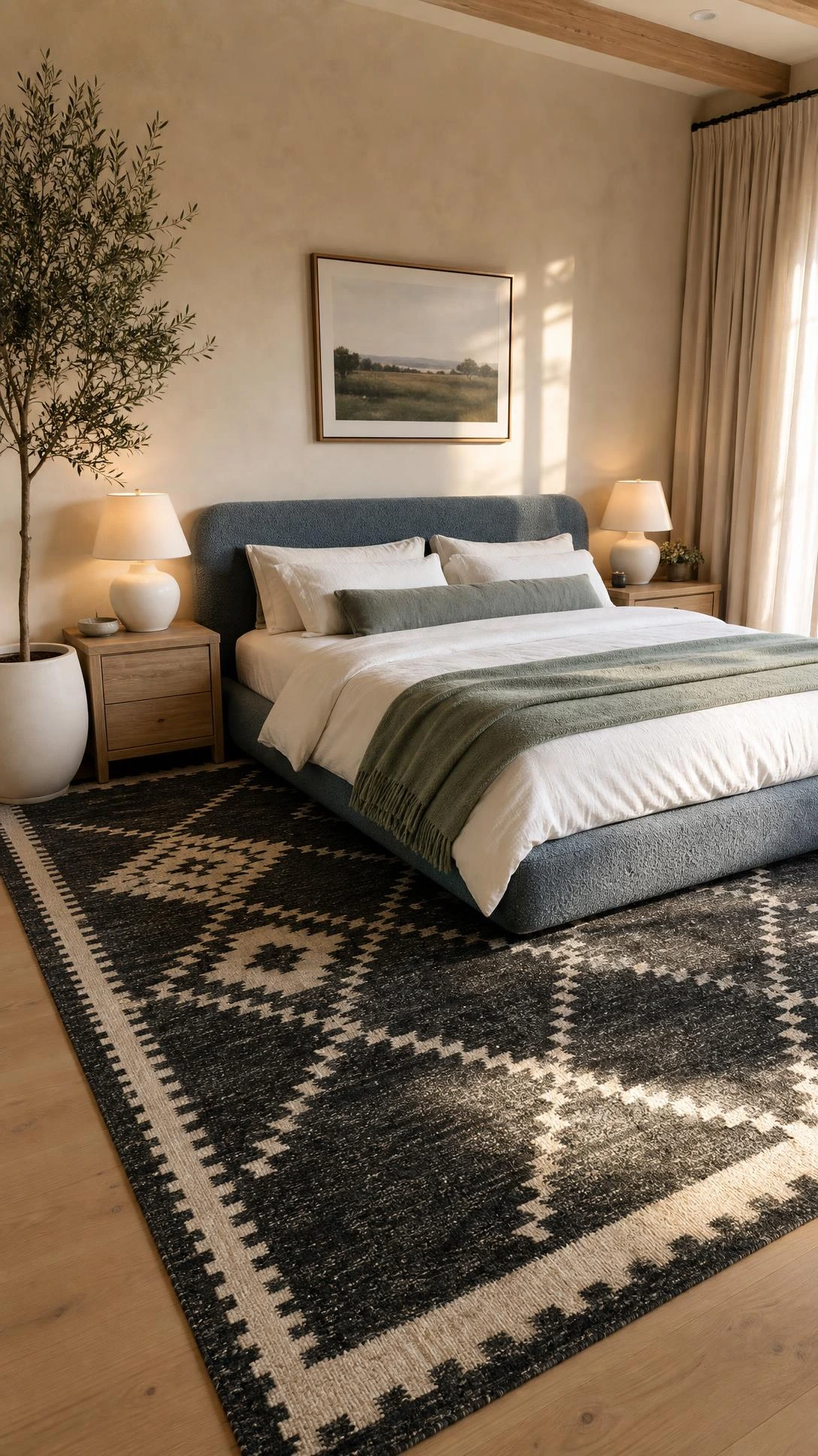
A rug that is too small for the room is one of the most common things that makes an otherwise well-designed bedroom feel slightly off.
In a master bedroom, the rug should extend at least 18 to 24 inches beyond the sides and foot of the bed, which usually means an 8×10 or 9×12 is the right starting point for a king setup.
A low-pile rug in a warm ivory, soft gray, or natural jute tone grounds the whole room without competing with the bedding or the walls.
Wool rugs in this size range from about $300 to $900 and tend to hold up better than polypropylene in a bedroom where people are walking barefoot daily.
The feeling of stepping onto a generous, soft rug first thing in the morning is one of those small things that makes a room feel much more considered than it might actually be.
11- Thoughtful Styling on One Surface Only
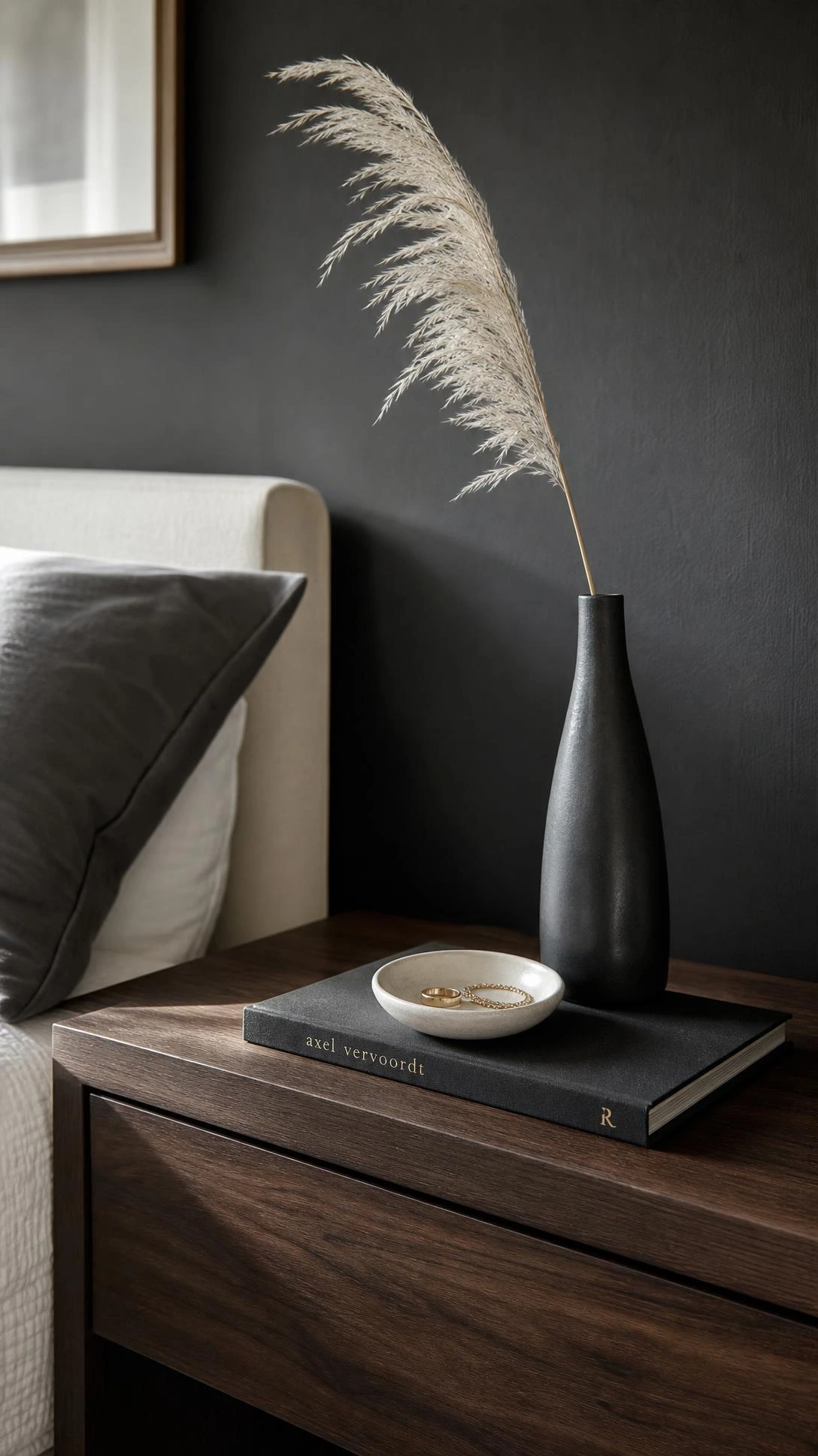
A bedroom that is trying too hard to look styled usually has too many surfaces covered in too many objects, and it ends up feeling more like a shop display than a personal space.
Choosing one surface, typically the dresser or a small console near the window, and styling only that one with intention, three items maximum, makes the room feel curated rather than cluttered.
A ceramic vase, a small tray holding one or two objects, and a single plant or cut branch is a combination that works almost universally across different bedroom aesthetics.
The restraint on every other surface is what makes the styled area actually read as a decision rather than just more stuff.
Most rooms feel more luxurious with less on display, not more, which sounds obvious but takes a deliberate effort to actually follow through on.
A Modern Master Bedroom That Feels Like Rest
A luxurious modern bedroom aesthetic is less about spending more and more about making fewer, better decisions in a space that most people rush through.
The ideas here work together, but they also work individually, and starting with just the lighting or the wall color tends to shift the whole room’s feeling faster than expected.
Nothing on this list requires gutting the room or hiring someone, which is the part most people assume is unavoidable when they see a bedroom they want to recreate.
A room that feels genuinely calm and considered is one of the quieter things that makes everyday life feel a little better, and that is reason enough to make it worth the effort.
Hi, I’m Alizabeth, the creator of Pretty Home Hacks. I share practical home decor ideas, easy DIY projects, organization tips, and budget-friendly ways to make your home feel more beautiful and functional. From small room updates to everyday home hacks, my goal is to share approachable ideas you can actually use in your own space.