
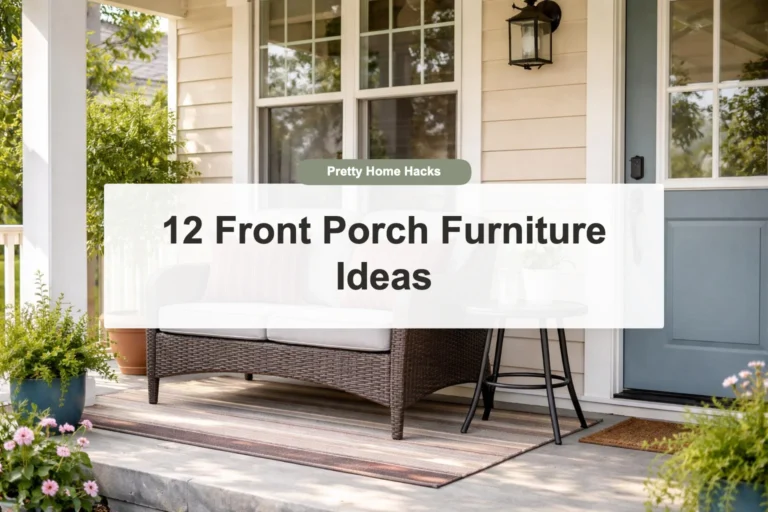



11 Home Furniture Design Ideas That Made a Boring Room Finally Feel Like It Had a Personality
There is a specific kind of frustrating where a room looks fine on paper but feels like it belongs to nobody in particular.
Everything matches, nothing is broken, and yet somehow walking into it feels like checking into a mid-range hotel.
Most people assume that fixing this means a full renovation or spending a lot of money on new furniture, which is why the room stays exactly the same for years.
The thing is, personality in a room rarely comes from one big purchase — it comes from a handful of smaller decisions that actually reflect the person living there.
These eleven ideas are the ones that consistently make a real difference, the kind you notice the second you walk in.
1- One Vintage Piece Mixed Into Modern Furniture
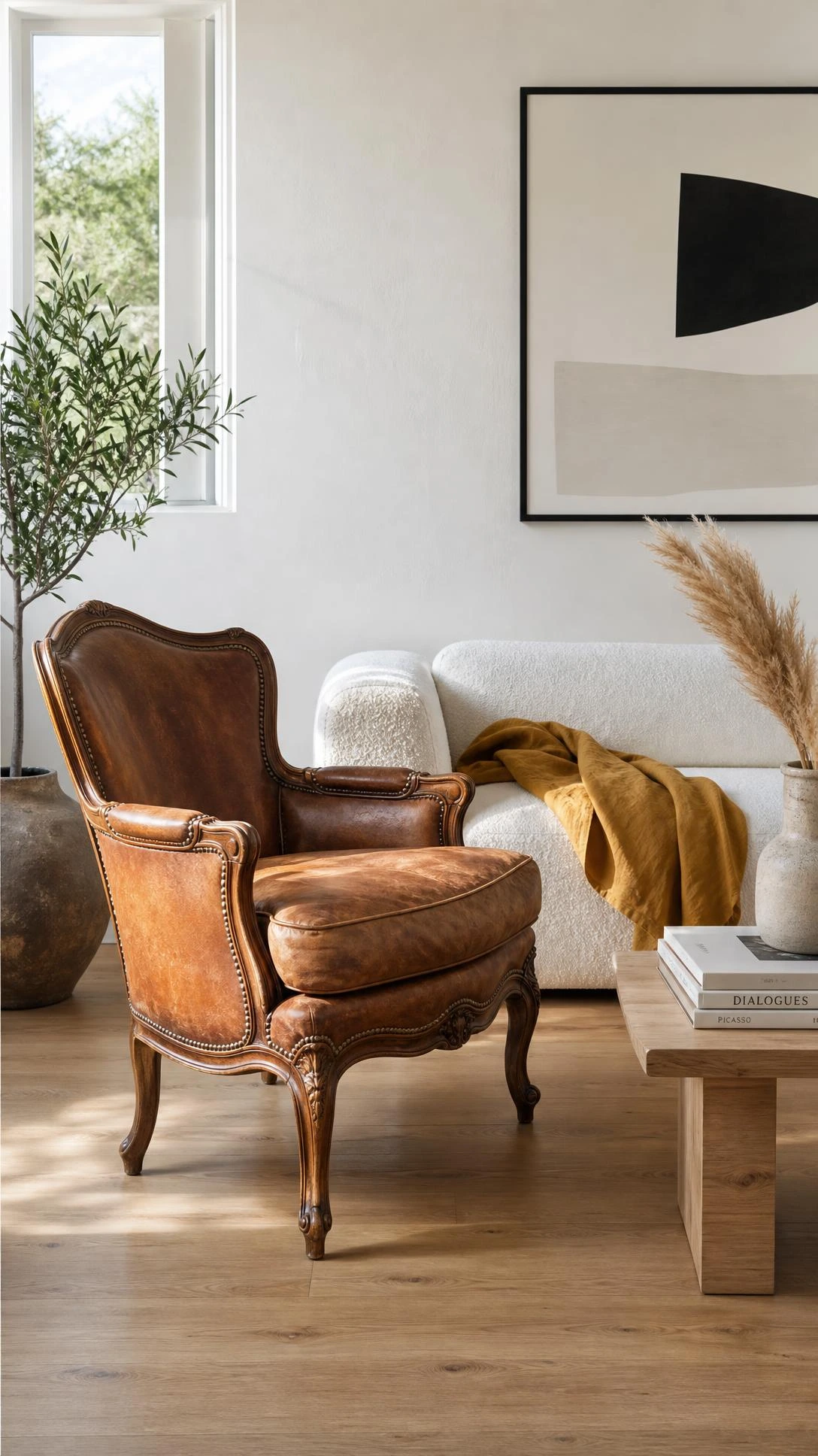
A room full of furniture bought from the same store in the same year tends to feel like a showroom rather than a home.
Adding one vintage piece — a mid-century side table, an old wooden chest used as a coffee table, or a thrifted armchair in a worn leather — breaks that uniformity in exactly the right way.
The contrast is what does the work, because the older piece makes everything around it look more intentional by comparison.
A 1970s cane back chair in a room that is otherwise clean and modern can change the whole mood of the space for under fifty dollars at a secondhand shop.
It does not need to be a perfect match — slightly off is actually better.
2- Statement Lighting That Does More Than Light the Room
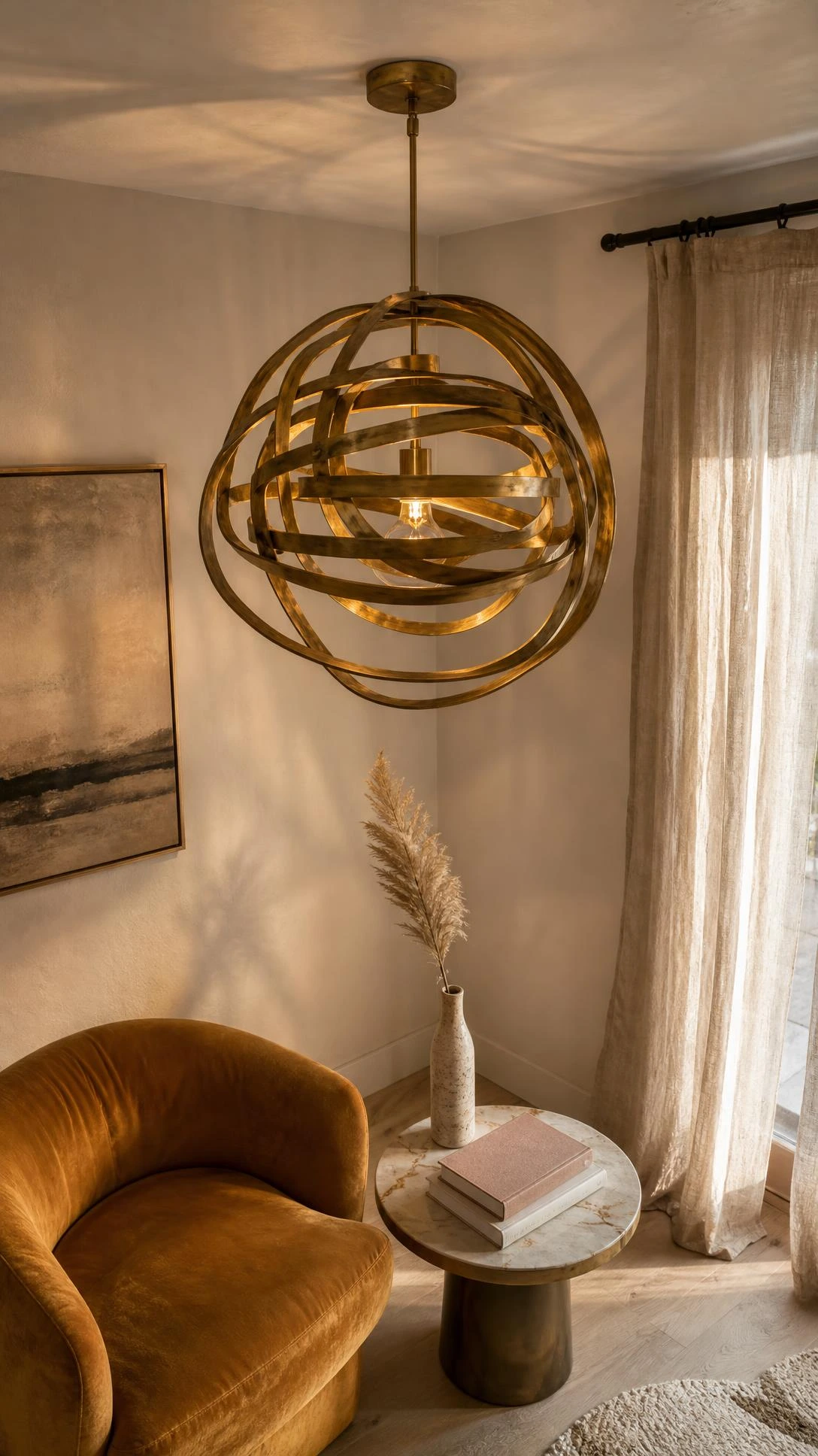
Most boring rooms have one thing in common and it is a ceiling light that came with the house and never got replaced.
A sculptural pendant or an oversized rattan shade immediately gives the eye somewhere interesting to land, which is something a basic flush mount simply cannot do.
This works best in living rooms and dining areas where the light fixture sits at eye level or just above, making it hard to ignore in the best way.
A woven jute pendant in a natural tan tone costs around forty to ninety dollars and reads as intentional even in a room that is still a work in progress.
Switching out a light fixture is one of those changes that photographs terribly but feels enormous in person.
3- Furniture Arranged Around Conversation Instead of the TV
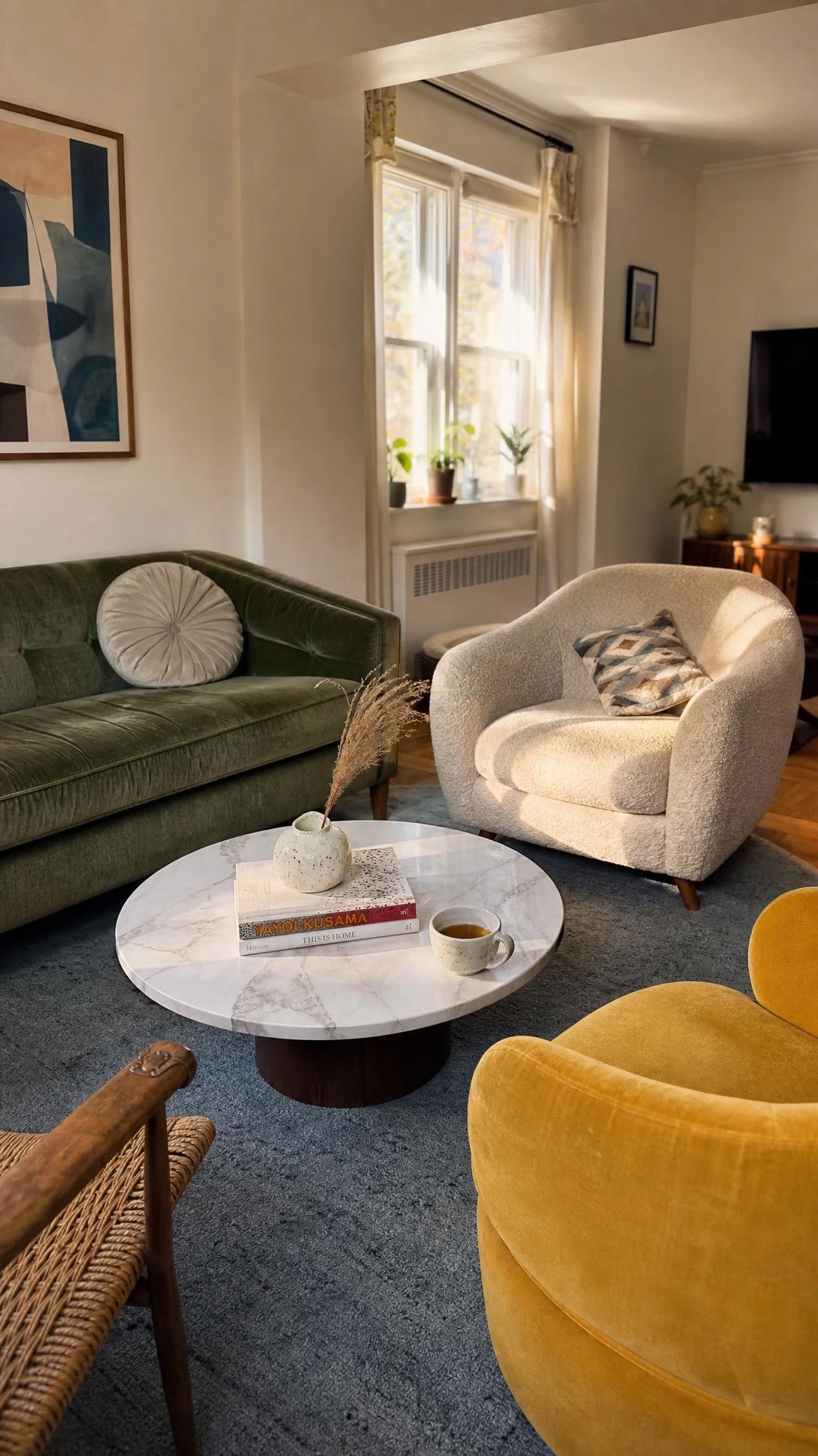
The default arrangement in most living rooms is every seat pointed at the television like a waiting room at a doctor’s office.
Angling two chairs toward each other, or floating a sofa away from the wall so there is actual flow in the room, creates a completely different feeling without moving a single thing out.
Interior designers talk about this constantly because the furniture layout controls how people physically move through and feel inside a space.
Even pulling a sofa just twelve inches away from the wall can make a room feel larger and more considered.
The TV can still be visible — the goal is just to make it one option in the room rather than the only one.
4- A Bookshelf Styled by Color Instead of Subject
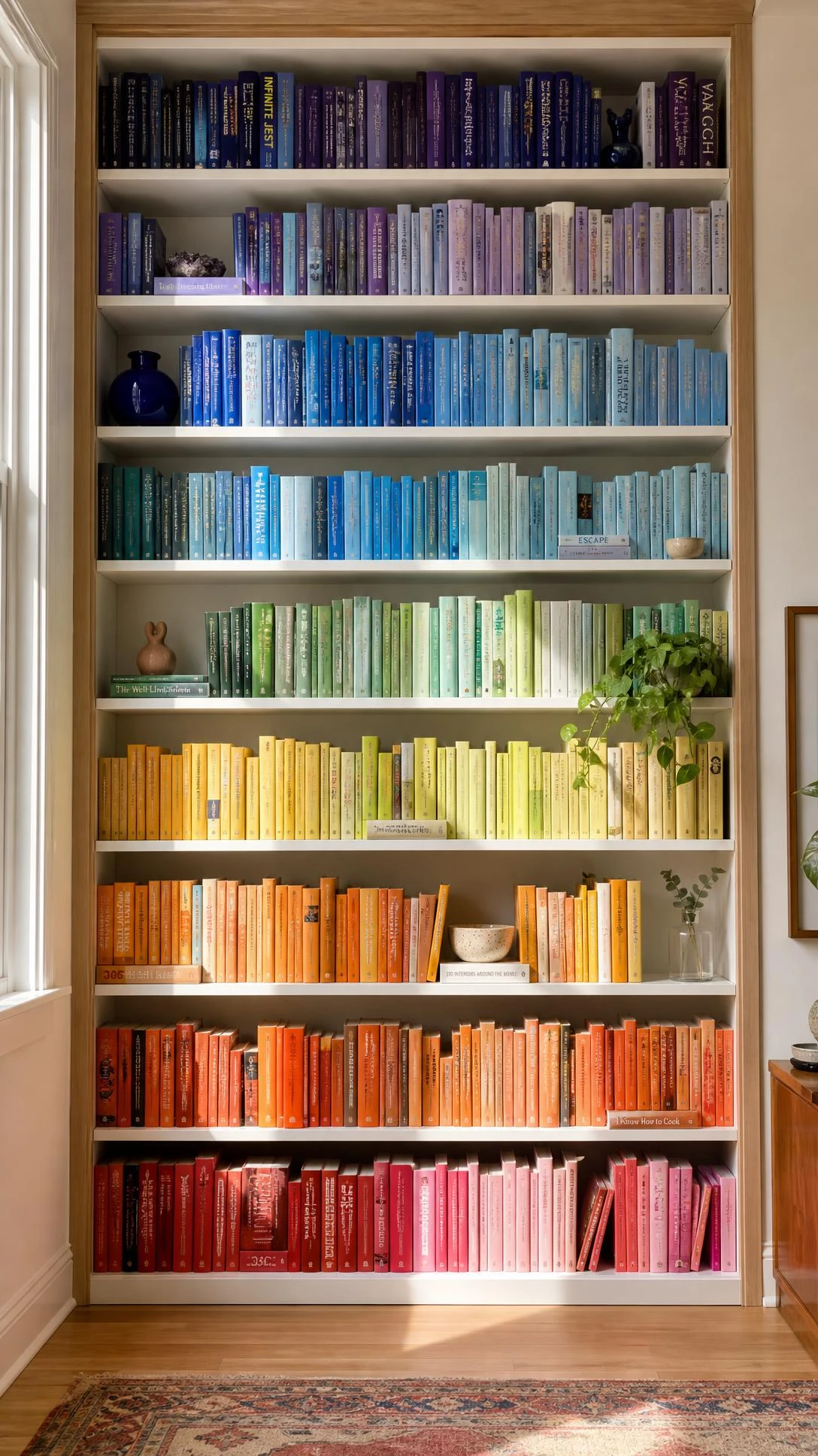
Bookshelves organized by topic or left completely random have a specific kind of visual noise that is hard to pin down but easy to feel.
Grouping books by spine color — all the warm tones together, all the neutrals together, a small cluster of dark navy and black — turns a shelf into something that actually looks styled rather than just stored.
It sounds like a minor detail but it is one of the fastest ways to make a room look like someone thought about it.
Mixing in a few small objects, a ceramic vase, a framed photo, a small plant, between the book groupings adds depth without making it feel cluttered.
The whole thing takes about thirty minutes and costs nothing if the books are already there.
5- Hardware Swaps on Furniture That Already Exists
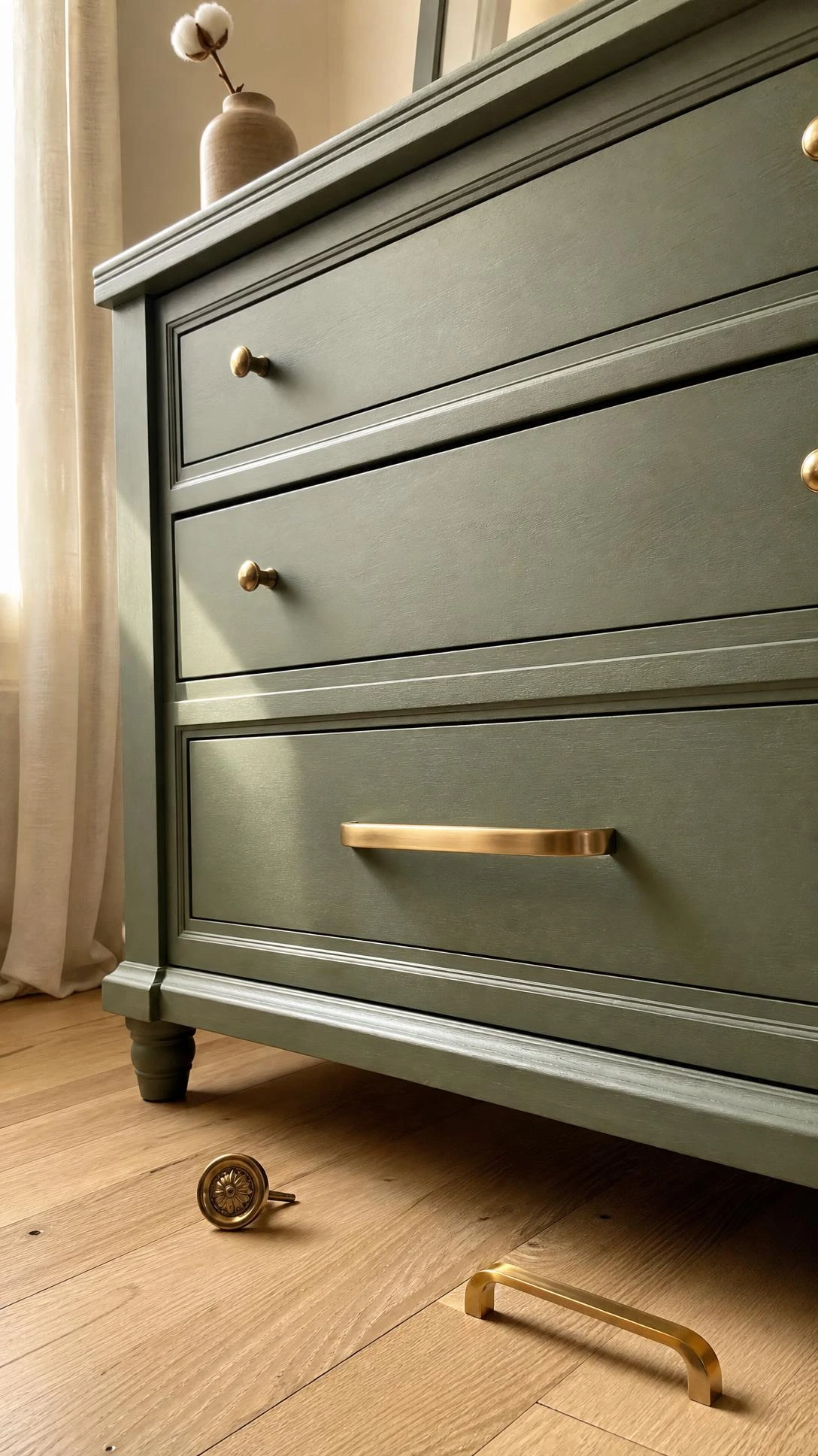
A dresser or sideboard with boring brass or basic silver pulls can look completely different with the right hardware, and most people never think to try it.
Matte black pulls on a white or natural wood dresser, or unlacquered brass knobs on something darker, tend to be the combinations that get the most second glances.
A set of eight cabinet knobs from a site like Anthropologie or even Amazon typically runs between fifteen and forty dollars total, which makes it one of the most affordable personality swaps available.
This works best on furniture with a simple face — the hardware becomes the detail rather than competing with one.
It is a small thing that somehow signals to a room that someone lives there and pays attention.
6- A Rug That Is Actually Big Enough for the Space
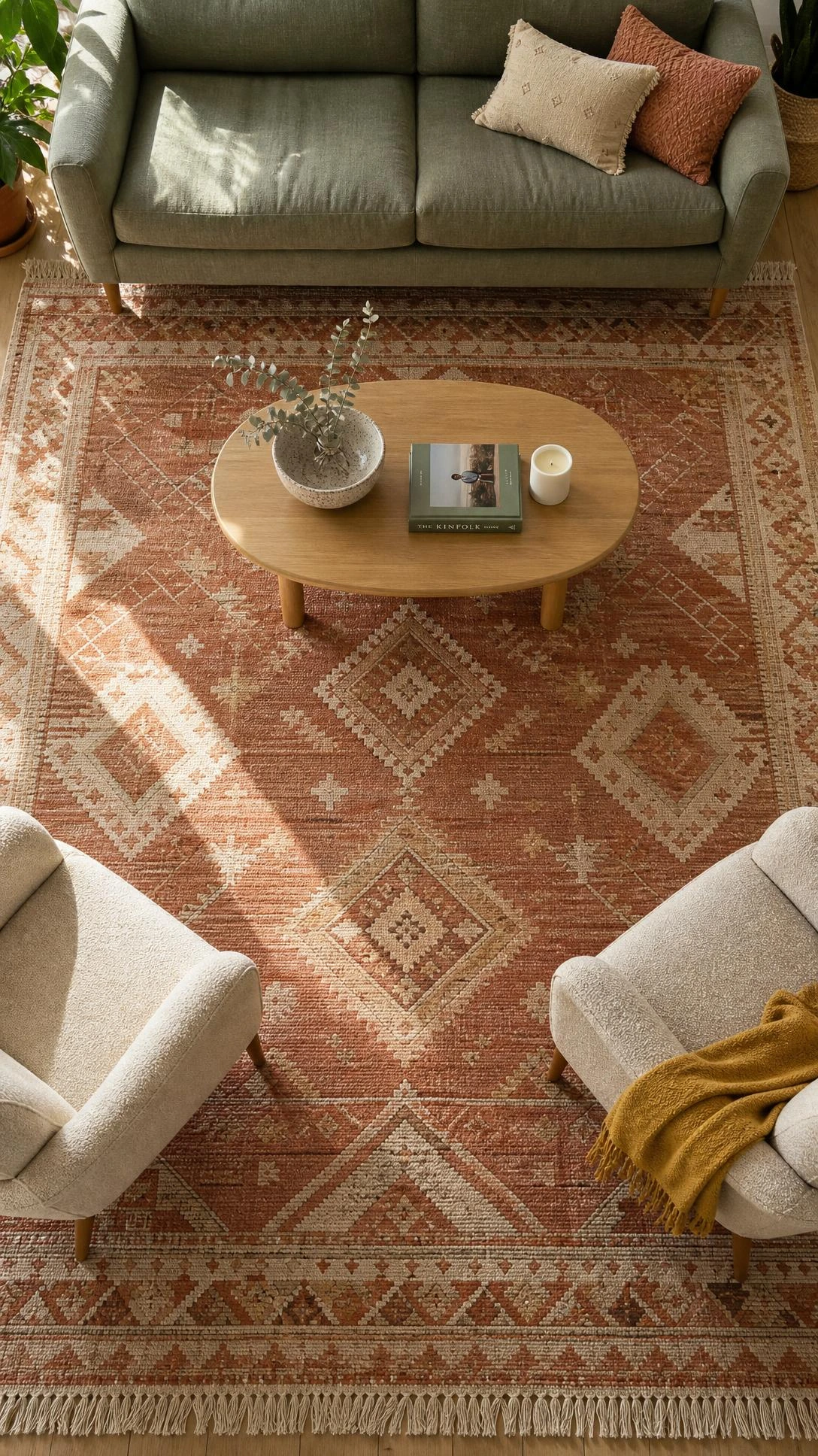
Undersized rugs are quietly responsible for more rooms feeling off than almost any other single decision in home decor.
A rug where only the front legs of the sofa sit on it, or one that floats like a postage stamp in the center of the room, makes everything around it feel disconnected and temporary.
The general rule that works in most living rooms is a minimum 8×10 foot rug, with 9×12 being the size that makes things feel properly grounded in larger spaces.
A bold pattern or an earthy tone like terracotta, rust, or deep olive in the rug can carry more personality than almost any other furniture decision in the room.
Getting the size right first and then choosing the pattern tends to work better than doing it the other way around.
7- Personal Items Displayed on Purpose Instead of Hidden Away
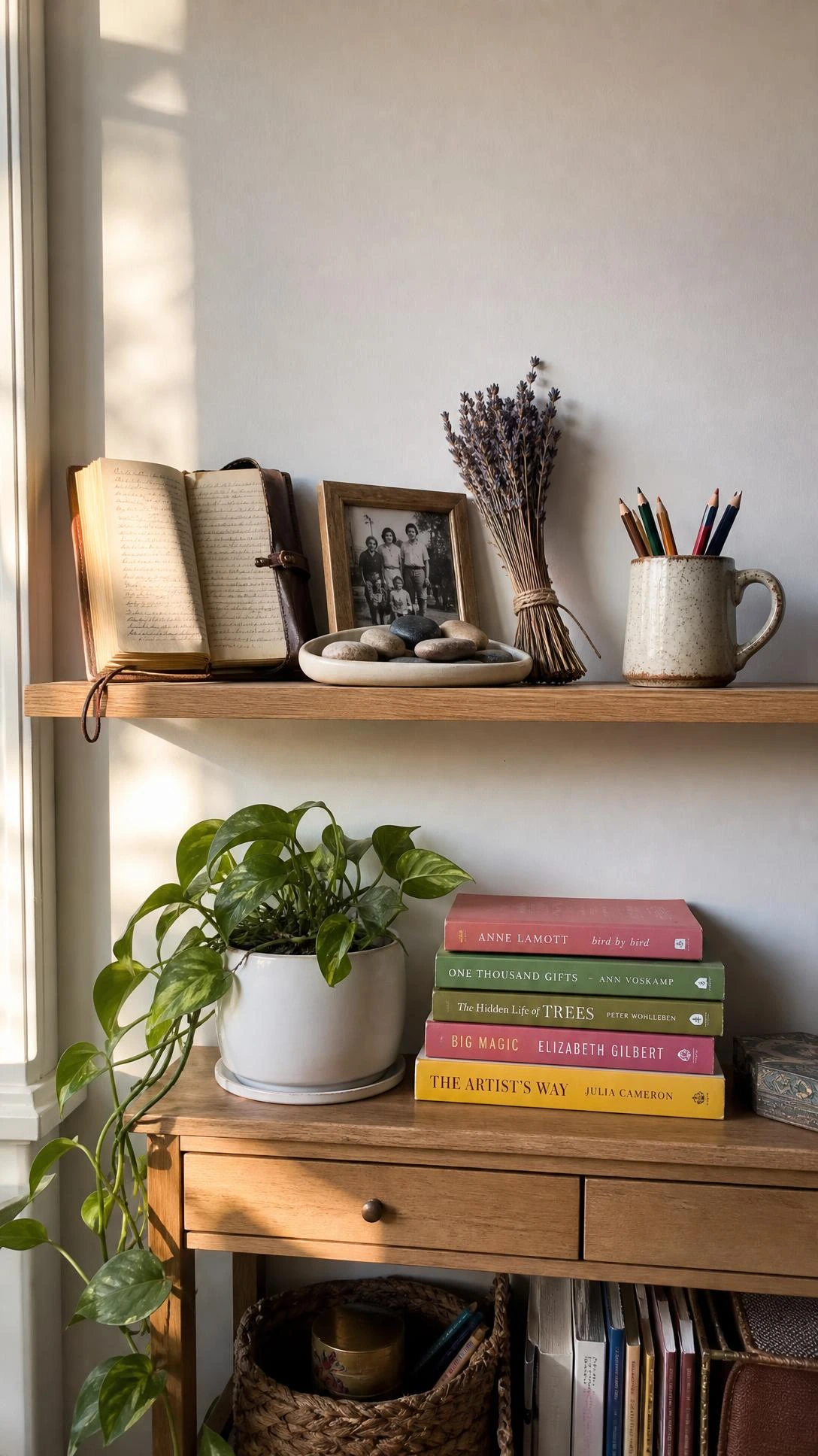
A lot of rooms feel like nobody actually lives in them because everything personal, the inherited candlesticks, the travel photo, the weird ceramic someone made in a class years ago, gets tucked away to keep things looking neat.
Those are exactly the things that make a room feel like it belongs to a real person, and styling them intentionally rather than hiding them changes everything about how a space reads.
Grouping three personal items together on a shelf or side table, following the old rule of odd numbers, makes even mismatched sentimental objects look considered.
A worn leather-bound book, a small framed photo, and a single object from a trip grouped together tells more of a story than any mass-produced decorative set ever will.
I think this is the single most underused trick in making a home feel genuinely lived in.
8- Mixing Two Different Wood Tones in the Same Room
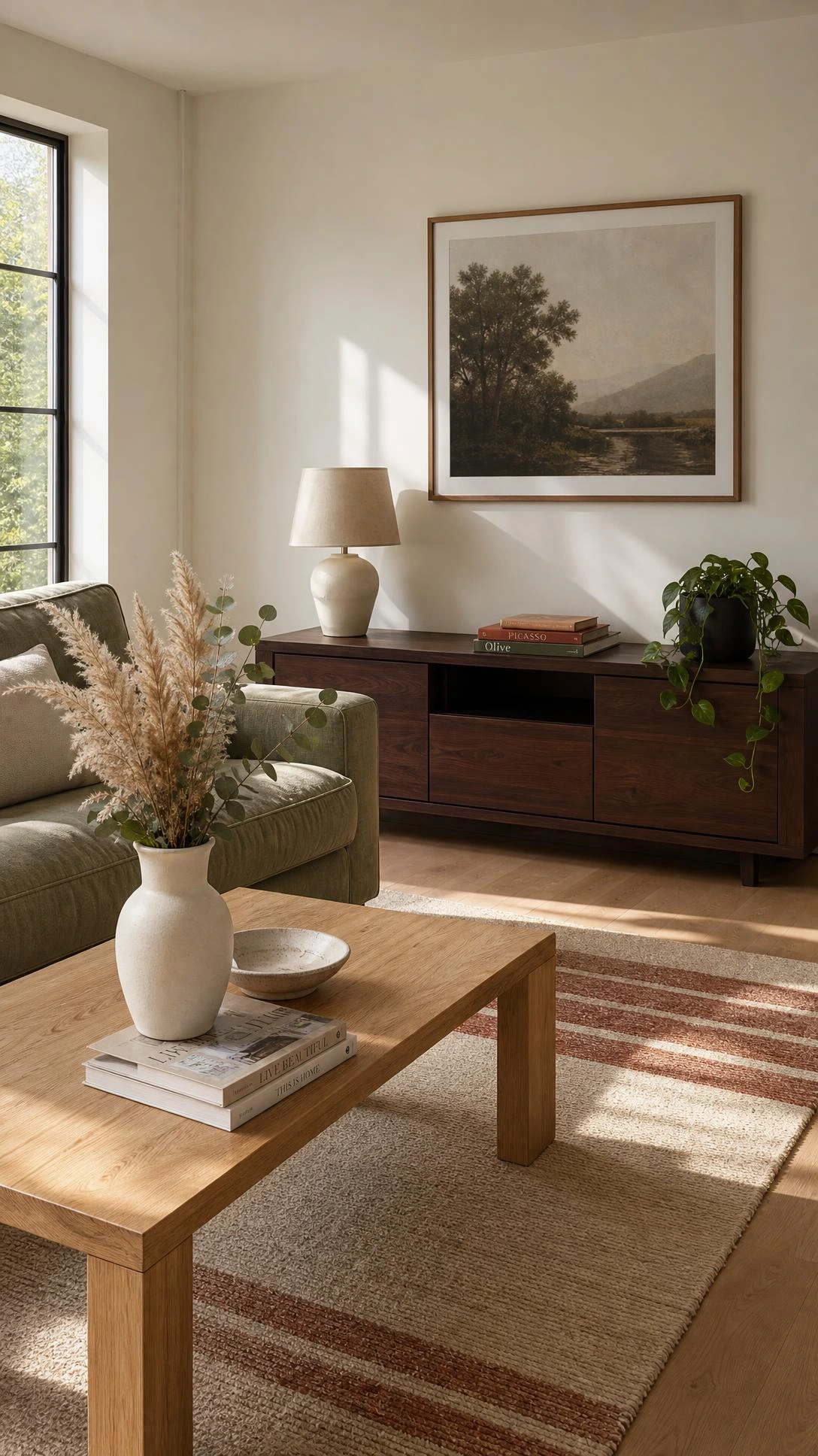
Trying to perfectly match all the wood in a room is the thing that accidentally makes spaces feel staged rather than natural.
A walnut coffee table next to lighter oak floors or a pine side table alongside a darker media console creates the kind of layered warmth that feels collected over time rather than purchased all at once.
The key is keeping at least one other element consistent in the room, like the metal finishes or the textile tones, so the mixed woods read as intentional rather than accidental.
Warm-toned woods like honey oak, walnut, and teak tend to mix more easily together than trying to pair very cool-toned grey wood with anything warm.
Once someone starts paying attention to this in rooms they admire, it is almost impossible to unsee.
9- An Accent Chair in a Color That Surprises the Room
A neutral sofa with neutral cushions in a neutral room is the design equivalent of a room holding its breath, technically fine but not saying anything.
One accent chair in a color that pushes slightly against the rest of the palette, a deep forest green, a faded terracotta, a moody navy, gives the eye a place to land and the room a reason to feel deliberate.
It works best when the chair is positioned somewhere it gets seen from the doorway, so the color registers the moment someone walks in rather than being tucked into a corner.
A single chair in a Benjamin Moore color like Caldwell Green or in a rust-toned boucle fabric can anchor a whole room’s personality by itself.
The sofa does not need to change at all for this to work.
10- Layered Textiles Instead of One Matching Set
A sofa dressed in a single matching cushion set bought as a bundle tends to look finished in a catalog way but flat in a real-room way.
Layering different textures, a linen cushion, a velvet one in a slightly different tone, a chunky knit throw draped casually over one arm, adds the kind of warmth that matching sets just cannot replicate.
The trick most designers use is anchoring with one repeated color and then varying the texture and scale of pattern rather than trying to match everything precisely.
A warm cream linen cushion next to a rust velvet one next to a striped cotton one in similar warm tones costs about the same as one matching set but reads as far more considered.
It also gives a room permission to change slowly over time without everything needing to be replaced at once.
Where do you want to go next?
Explore by topic
Recently viewed
11- Artwork Hung at the Right Height Finally
Most artwork in most homes is hung too high, which is one of those things nobody notices consciously but everybody feels as a slight disconnection in the room.
The standard that actually works is hanging artwork so the center of the piece sits at roughly 57 to 60 inches from the floor, which is approximately eye level for most people when standing.
A single large piece hung correctly above a sofa or console does far more for a room’s personality than a gallery wall arranged at the wrong height.
Frames do not need to be expensive — a secondhand frame repainted in matte black with a piece of textured paper or a printed photograph inside can look genuinely thoughtful for under twenty dollars.
The height matters more than the art itself most of the time, which sounds wrong but consistently proves true once someone fixes it.
Small Changes That Make a Room Feel Like Yours
None of these ideas require a renovation or a complete furniture overhaul, which is the part that tends to surprise people once they start trying them.
A room with personality is really just a room where a handful of decisions feel specific rather than default.
Starting with one or two changes, the hardware swap, the rug size, the single accent chair, tends to make the next steps feel obvious rather than overwhelming.
A room that finally feels like it belongs to someone is usually just a few small decisions away from the room that was already there.

Hi, I’m Alizabeth, the creator of Pretty Home Hacks. I share practical home decor ideas, easy DIY projects, organization tips, and budget-friendly ways to make your home feel more beautiful and functional. From small room updates to everyday home hacks, my goal is to share approachable ideas you can actually use in your own space.